REVIEW · HO CHI MINH CITY
Grandma Noodles, Good Coffee, Exotic Fruits & Little History
Book on GetYourGuide →Operated by Spring Saigon Tours · Bookable on GetYourGuide
Skip the packed cafes; try quieter Saigon. This tour feels like meeting Saigon before it fully wakes up, with steaming noodle dumplings from a grandma’s stall and an aromatic coffee stop made the Vietnamese way. I especially love the mix of real local food and story-led history (no classroom vibe), plus the fruit tasting that turns a market into a playground. One possible drawback: you’ll be walking narrow alleys and through markets, so it’s not a good fit if you have mobility issues or need step-free routes.
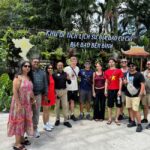
The pacing is calm and human. With a small group of up to 6, you get time to ask questions and actually hear answers, not just shuffle along. You’ll also finish in a quieter moment to slow down and take the day in—perfect if you want flavor and context, not a checklist of bites.
In This Review
- Key moments you’ll remember
- Saigon’s quiet side: why this 3-hour route works
- Grandma noodles: breakfast soup where the street is the menu
- The “chessboard” market fruit safari: names you learn by tasting
- Vietnam War context in a historic area (short, human, and not textbooky)
- Coffee made the Vietnamese way: condensed milk drip, plus lime
- Ginger silken tofu: the soft landing at the end
- Price, logistics, and what you should plan for
- Who will love Grandma Noodles, Good Coffee, Exotic Fruits & Little History?
- Should you book it? My straight answer
- FAQ
- What’s the meeting point for this tour?
- How long is the tour?
- What’s the price per person?
- Is the tour guided and in English?
- How many people are in the group?
- What’s included in the price?
- Is transportation to and from the meeting point included?
Key moments you’ll remember
- Grandma noodles in a tiny stall: broth + noodle dumplings, eaten where locals eat
- The “chessboard” market: fruit tasting with tropical names you won’t forget
- War history from street level: short, personal context in a historic area
- Vietnamese coffee made by a local expert: condensed milk drip style, with options like lime
- Silken tofu in warm ginger syrup: a gentle end, often finished with coconut milk
Saigon’s quiet side: why this 3-hour route works
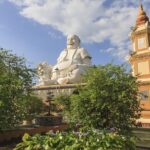
Most Saigon tours start with caffeine and crowd energy. This one starts softer. You meet in front of a monument of a monk, then slip into the side streets where mornings smell like broth, wet concrete, and warm snacks. It’s a smart change of pace if you’re tired of standing in line for the “right” photos.
The format matters. It’s only 3 hours, capped at 6 people, and guided in English. That small group size keeps the walk comfortable and makes it easier for your guide to match the pace to questions. You also get a genuine local rhythm: eat, walk, pause, listen, then eat again.
The best part, in my view, is the balance. This isn’t a pure food crawl where you just stack tastings. You’ll get story time, too—especially around the Vietnam War—framed as lived experience rather than dates and lectures. And when the day turns to coffee and dessert, it feels like the tour is winding down with you, not rushing you onward.
Value is strong here. At about $40 per person for everything included, you’re paying for multiple food stops, market time, and an English-speaking guide—plus the kind of context that’s hard to piece together on your own. The one thing you handle yourself: getting to and from the meeting point.
You can also read our reviews of more historical tours in Ho Chi Minh City



Grandma noodles: breakfast soup where the street is the menu
The heart of the tour’s first act is a Vietnamese noodle dumpling soup eaten at a grandma-style stall—no polished signage, just stools, steam, and broth. This is the kind of place where the focus is the food, not the performance. You’ll see the basic order of operations quickly: sit, get served, eat while it’s hot, then keep moving.
You’re not just tasting noodles. You’re tasting the way locals start a day: warm, salty, and comforting. Broth-based meals are built for mornings in Vietnam—something you can eat fast, even on busy streets, and still feel human afterward.
On some routes, the first bites also include other classic breakfast comfort food, like bo kho (a rich, savory stew) from a tiny local spot that many guidebooks skip. You may also find a fried snack in the mix—like deep-fried bananas—depending on what’s available and how the guide times the morning.
What to watch for: this portion is set up for eating, not sightseeing. So wear clothes and shoes you don’t mind getting a little street-dust on. If you’re the type who likes to linger over photos, you’ll still be able to snap pictures, but the best experience comes when you lean into eating first.
If you have dietary needs, bring them up at the start. In one case, a beef/pork dish was handled with a vegan alternative that stayed delicious and didn’t feel like an afterthought. Still, you’ll want to be clear about what you avoid so your guide can steer you.
The “chessboard” market fruit safari: names you learn by tasting
After the first meal, you head into a local market known as the chessboard—a second-largest-style market where the lanes feel like a grid, and the energy is practical, not performative. This is where the tour turns playful.
The fruit tasting is the standout here. You’ll try a lineup of exotic fruits that sound like characters from a storybook, including rambutan, mangosteen, breast milk fruit, and sapodilla (and you’ll probably hear the local names multiple times as you compare tastes). The guide doesn’t just hand you fruit; they help you figure out what you’re eating—texture, flavor direction, and when to expect sweetness.
The big win: your brain stops treating “tropical fruit” like a vague category. You start noticing differences fast. Rambutan gives you that jelly-like sweetness. Mangosteen leans deeper and more fragrant. Other fruits bring their own oddball charm—some creamy, some starchy, some simply surprising.
This part also helps you read the city. Markets like this run on everyday details: how sellers stack fruit, how customers judge ripeness, and how people talk while buying. It’s one of the most “real Saigon” experiences you can get in a short time.
Practical note: markets can be warm and tight. You’ll be walking through narrow spaces, and you’ll likely smell a mix of fruit sweetness and street food aromas. If you’re heat-sensitive, plan on water and take breaks when your guide does.
Vietnam War context in a historic area (short, human, and not textbooky)
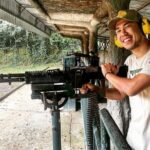
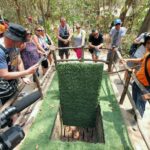
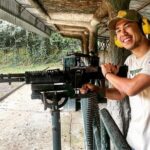
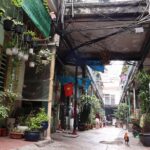
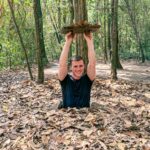
One of the most memorable segments is the history stop. You’ll walk through an old housing block in a historic area where Vietnam War stories are shared from a local perspective. The talk is intentionally not a timeline marathon. Think short, personal context, the kind that sticks because it connects to ordinary life.
The guide’s goal isn’t to overwhelm you with dates. It’s to help you understand resilience—how people adapted, how families kept going, and how daily life carried the weight of the larger conflict. You’ll hear about survival and quiet heroism, the sort that doesn’t make headlines but shapes communities for decades.
This also changes how you interpret what you see outside the tour. After this stop, murals, worn buildings, and street-level scenes start to feel less random. They connect to stories you didn’t know you needed.
How this plays with the rest of the tour: it balances the senses. Food pulls you in, the market shows you daily commerce, and then history gives meaning to the place you’re standing. It’s a smart structure for a short morning.
Coffee made the Vietnamese way: condensed milk drip, plus lime
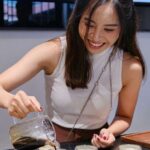
Then comes the coffee stop—one of the highlights for a reason. You’ll watch Vietnamese coffee get made by a local expert, with the signature drip method into condensed milk. It’s slow and stubborn in a good way, like it refuses to rush just because modern life does.
This is where you learn that Vietnamese coffee isn’t just “strong coffee.” It’s a system: how bitterness meets sweetness, and how the creamy condensed milk softens everything into something drinkable but still intense. One of the tour versions also takes you to a long-running shop with age and charm, the kind where the room feels lived-in.
You’ll also learn that Vietnamese coffee has choices. One version mentions a possibility of adding lime—cà phê chanh—for a bright, citrusy twist. It sounds weird if you’ve only had espresso with sugar, but it often clicks because the bitterness and acidity balance each other.
If you like coffee, this stop is worth its weight in beans. If you don’t, the guide can steer you toward what to try so you still leave with something you enjoyed.
Expect a proper finish here too. Coffee isn’t treated as a quick caffeine download. It’s part of the story rhythm, like a pause before dessert.
You can also read our reviews of more tours and experiences in Ho Chi Minh City


Ginger silken tofu: the soft landing at the end
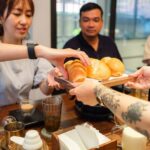
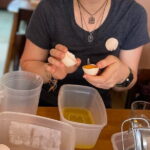
The tour ends with a sweet treat that feels gentle after all the eating: silken tofu in warm ginger syrup, often topped with coconut milk. It’s not flashy. It’s cozy.
In Vietnamese households, this kind of dessert can be the “when you’re tired or not feeling your best” food—comfort first, sweetness second. On this tour it plays the same role: it closes out the morning with something soothing, not heavy.
Texture is the magic. Silken tofu is delicate, and warm ginger syrup gives it that slow, spicy warmth that doesn’t knock you back. Coconut milk adds roundness, so the final taste feels creamy rather than sharp.
Then you’ll finish somewhere quieter—often a bench-like pause—so you can breathe, ask questions, and connect dots about what you just experienced. This is a good time to ask practical things too: what to eat next, where locals go, and what you might miss if you travel solo.
Price, logistics, and what you should plan for
Let’s talk practicals. The cost is $40 per person for about 3 hours, and everything is included. That’s a fair value if you like variety and guided context. You get multiple food stops, market time, coffee, and dessert—not just one meal. You also get a small-group English guide, which is hard to replicate on your own without a lot of planning and some luck.
You’ll want to think about logistics in a simple way:
- You arrange your own transport to and from the meeting point.
- You meet outside a monk monument, which is a clear anchor if you arrive a little early.
- You’ll walk through narrow alleys and market lanes.
The tour also isn’t suitable for people with mobility impairments. If you use a wheelchair, have limited walking tolerance, or need step-free routes, you should skip this one.
Best for: people who want authentic food plus real context, couples, solo travelers who enjoy asking questions, and anyone who likes mornings that feel calm rather than chaotic.
Less ideal for: anyone who hates walking, hates crowds (even though this is small-group), or wants a strictly scripted museum-style history talk.
Who will love Grandma Noodles, Good Coffee, Exotic Fruits & Little History?
This is the kind of tour that clicks when you’re in the right mindset. If you like eating what’s local, asking how things are made, and learning why people eat a certain way, you’ll feel at home.
I also think it’s ideal if you want Saigon to feel human. You’re not chasing a skyline. You’re walking through side streets, talking with your guide, and tasting foods you may never order confidently on your own.
If you’re a coffee person, you’ll enjoy watching the drip process and learning how the flavors build. If you’re a fruit person, the market stop is likely to be your favorite. If you want history that doesn’t feel like a school assignment, the war context stop is short enough to stay meaningful.
And if you care about dietary restrictions, bring them up early. Based on what’s been handled before, the guide can sometimes adjust choices (including offering a vegan option when meat was involved).
Should you book it? My straight answer
Book it if you want quiet Saigon, real tastes, and story-based context in a compact 3-hour window. The small group size and English-speaking guide make it feel personal, and the food variety is strong—no single stop dominates so much that you lose interest.
Skip it if you need step-free movement, can’t handle narrow market alleys, or prefer large, high-energy group tours where you can drift without interacting. This one works best when you’re happy to walk, eat, and talk.
If you’re on the fence, aim for the morning slot. That timing matches the tour’s core idea: meeting Saigon in the softer hours, before the city goes fully loud.
FAQ
What’s the meeting point for this tour?
You meet in front of a monument of a monk.
How long is the tour?
The experience lasts 3 hours.
What’s the price per person?
It costs $40 per person.
Is the tour guided and in English?
Yes. You’ll have a live guide speaking English.
How many people are in the group?
It’s a small group limited to 6 participants.
What’s included in the price?
Everything is included.
Is transportation to and from the meeting point included?
No. You’ll need to get to and from the meeting point on your own.