REVIEW · HO CHI MINH CITY
Ho Chi Minh City: Full Long Tan Battlefield Tour
Book on GetYourGuide →Operated by Hoi An Express · Bookable on GetYourGuide
Long Tan has a way of making you slow down. On this full-day ride into southern Vietnam, you’ll see the Long Phuoc Tunnels system, then visit the Long Tan Cross Memorial and the former 1st Australian Task Force base at Núi Đất. I love that the tour doesn’t just point at landmarks—it gives you the on-the-ground details that help the day make emotional sense. Two things I especially liked: the thoughtful pacing and the way guides Pau and Hong explained the story with respect, while still keeping it clear and balanced. One thing to consider: it’s a long day (8 hours) and kids under 12 can’t join.
You’ll also get a countryside journey that’s part transport, part education. The stops include short guided walks at multiple sites, including memorials and places tied to the local community, before finishing with lunch and the return to central Ho Chi Minh City.
Key points at a glance
- Long Phuoc Tunnels walk through interconnected tunnel clusters and secret chambers used for survival.
- Long Tan Cross Memorial visit for the 17 infantrymen and 1 APC crewman killed in action on August 18, 1966.
- Nui Dat Hill + 1ATF base area including Luscombe Airfield, tied to Australia’s Vietnam War presence.
- Guided cultural stops with short walks that break up the heavier parts of the day.
- Cultural lunch at a local restaurant, included in the price.
- Hotel pickup and drop-off in Ho Chi Minh City Center for a smooth, low-stress day.
In This Review
- Why Long Tan and Nui Dat feel like one story, not two
- Long Phước tunnels: the main spine route and why it matters
- Long Tan Cross Memorial: paying respects with the right backstory
- The short community stops: Tân Phước and Jason’s House
- Núi Đất and the 1ATF base: Luscombe Airfield in context
- The countryside ride and a realistic 8-hour schedule
- Lunch included: what you’re really paying for at $145
- Who this tour suits best (and who should skip it)
- Should you book the Long Tan Battlefield Tour?
- FAQ
- How long is the Long Tan Battlefield Tour?
- How much does it cost?
- What language is the guide?
- Is hotel pickup and drop-off included?
- Are entrance fees, lunch, and mineral water included?
- Is the tour suitable for children?
- Can I request dietary requirements?
- Is free cancellation and pay later available?
Why Long Tan and Nui Dat feel like one story, not two
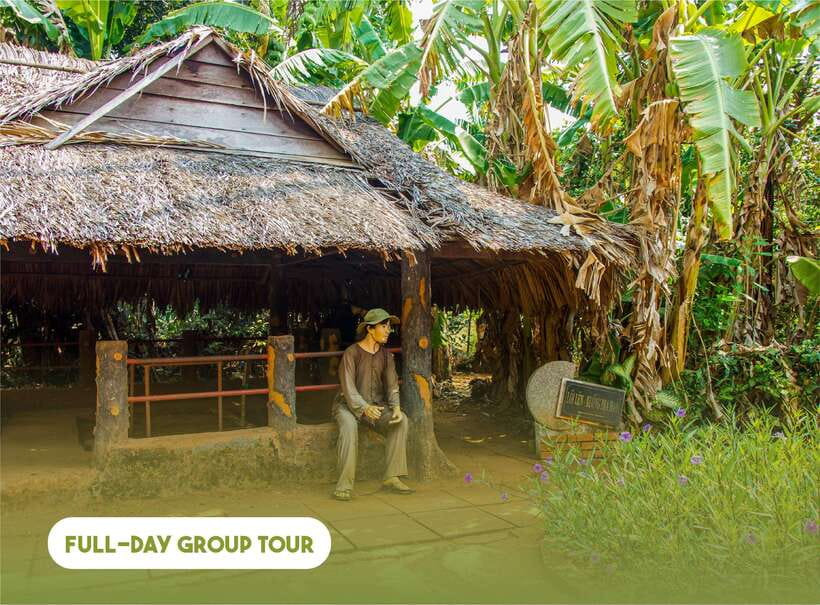
This isn’t a generic “War sites” day. Long Tan and Nui Dat connect directly: one is the battle moment, the other is the base environment that shaped how the Australians operated. When you visit both in the same itinerary, the landscape starts to make sense as a whole.
I also appreciate the tone the guides set. You’re there to learn, and you’re also there to pay respects. The guide approach from Pau and Hong lands in that careful middle: clear context without turning it into a lecture marathon. If you want a respectful, structured day trip that stays human, this fits.
Long Phước tunnels: the main spine route and why it matters
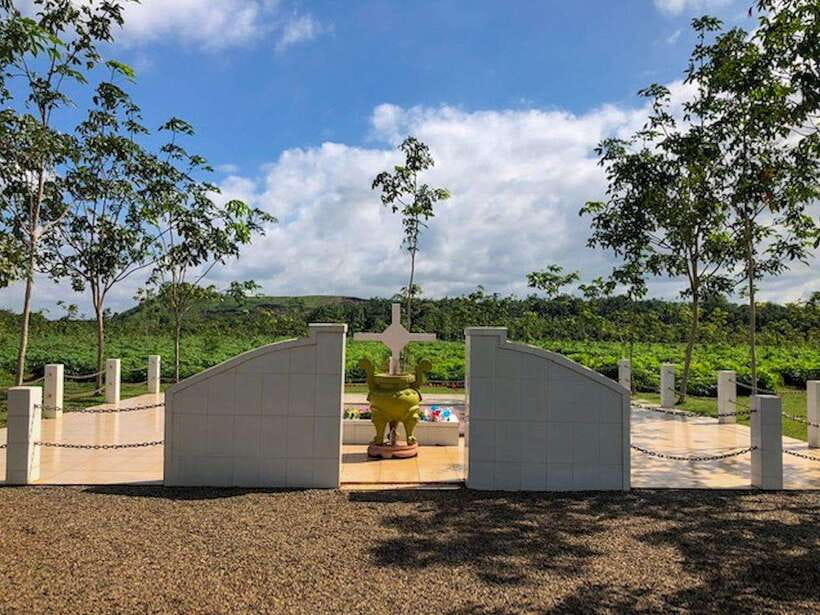
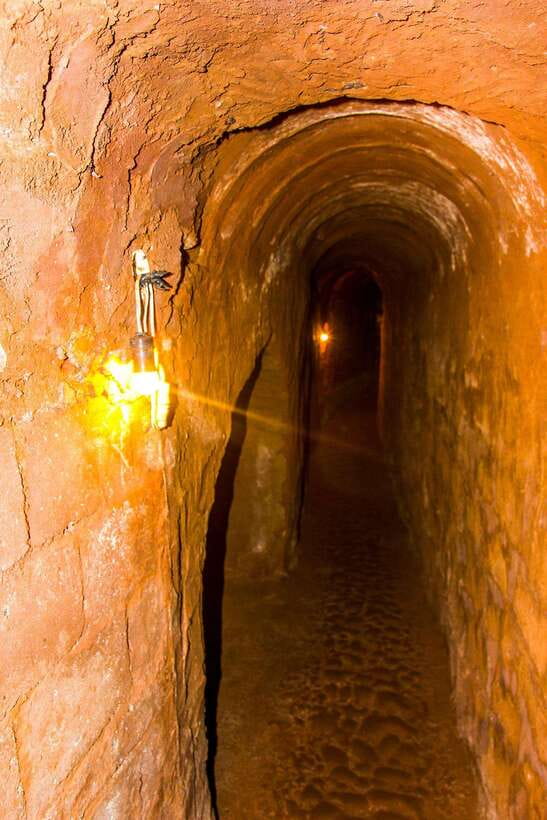
Your day starts with the Địa đạo Long Phước tunnel system in Long Phuoc commune (Ba Ria town). The tunnels aren’t presented as a single hole in the ground. Instead, you’ll get a guided tour and a walk that helps you understand how clusters connect through a main spine route.
That spine route detail is important because it explains movement and control. In other words: these tunnels were built for survival and fighting readiness, not just hiding. The description of secret chambers with reserved food and fortified fighting positions gives you a better sense of planning and endurance.
You’ll also likely notice how the space changes your pace. Even without being dramatic, tunnel walking naturally slows you down. That’s a good thing on this tour. It helps you feel the difference between reading about war and seeing what “infrastructure for conflict” looks like.
Practical tip: wear shoes you trust. The walk is short, but tunnel surfaces and footing can be uneven, and you’ll want stable traction.
You can also read our reviews of more city tours in Ho Chi Minh City


Long Tan Cross Memorial: paying respects with the right backstory
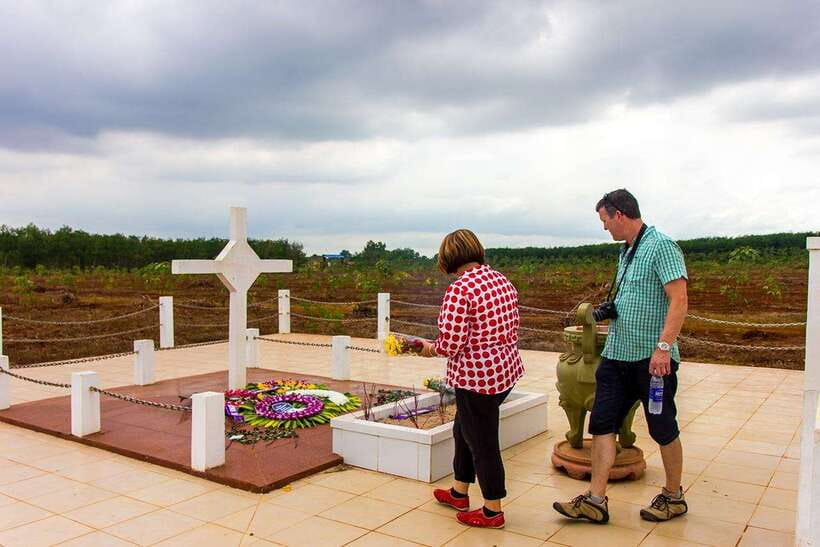
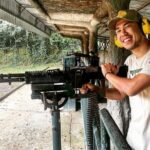
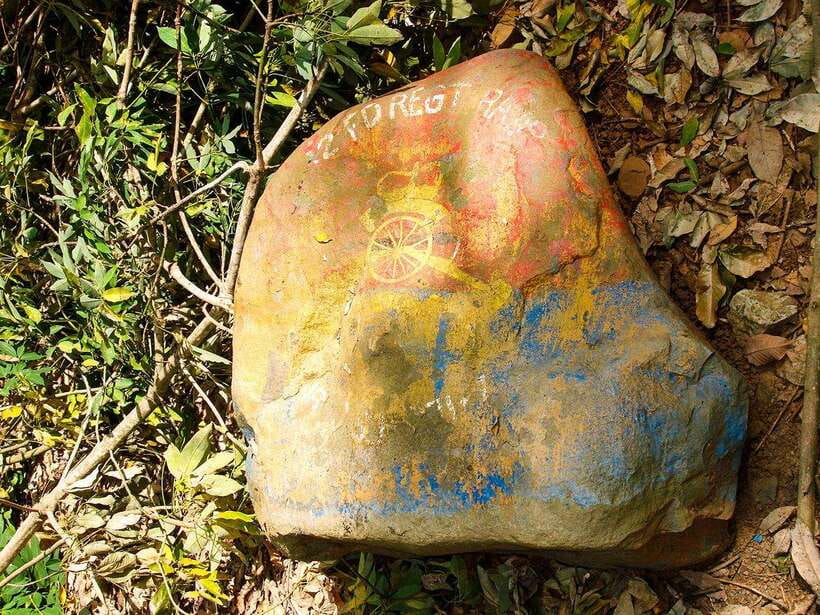
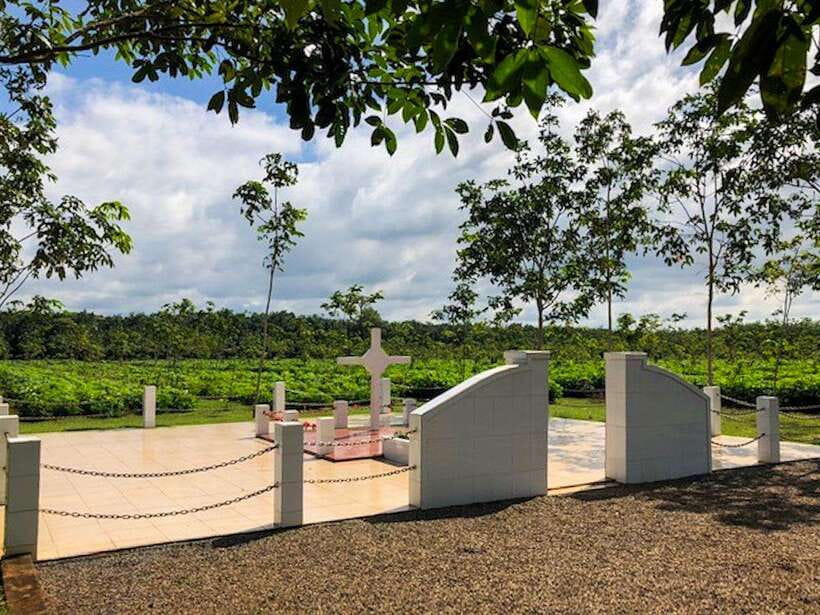
After the tunnels, you head to the Long Tan Cross. This is a guided visit with a short walk (about 20 minutes), but it carries weight. The memorial exists to honor the 17 Australian infantrymen and 1 APC crewman killed in action during the Battle of Long Tan on August 18, 1966.
What made this stop meaningful to me was the way the guide connects the memorial to its timeline. The cross was first erected on the site in 1969 by the 6th Battalion, Royal Australian Regiment, the unit that fought in the battle during its second tour of duty. Later, in 1986, a replica was placed on the original site. Then, in 2017, the Vietnamese Government gifted the original cross to Australia, where it is now displayed at the Australian War Memorial in Canberra.
That chain of events helps you understand the cross as more than a monument. It’s a bridge between places and generations—Vietnam and Australia, then and now. You’re not just looking at a symbol; you’re learning how memory travels.
Emotional note: expect quiet during or right after the walk. Give yourself a moment to be still. This stop is the kind where your mind needs time to catch up.
The short community stops: Tân Phước and Jason’s House
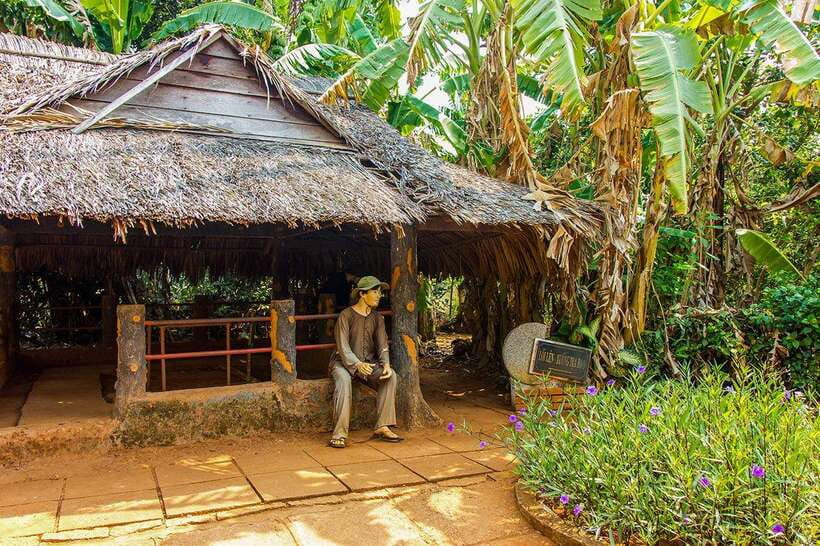
Between the memorial and Nui Dat, the itinerary includes two shorter guided visits: Trường Mầm Non Tân Phước and Jason’s House (each with a short guided walk of about 15 minutes).
The key thing here is pacing. Those stops act like a breather between heavier history moments and the military base area later in the day. They also remind you that this region isn’t frozen in the past. Daily life continues, and community spaces matter.
I’d frame these as more “context” than “battle explanation.” You’re getting a guided look at places named in the itinerary, and the short time helps you stay present rather than rushing. If you’re the type who gets restless on long history days, these stops can be a relief.
One consideration: because the tour keeps things tight, don’t expect every detail to be exhaustive at these community stops. The value is in the guided orientation and the break in intensity.
Núi Đất and the 1ATF base: Luscombe Airfield in context
The main destination is Núi Đất (Nui Dat), where you visit the former base of the First Australian Task Force (1ATF). You’ll also see Luscombe Airfield, described as the area that was home to Australian military presence during the Vietnam War.
This part of the day is about understanding base geography—how airfield space, transport, and daily operations supported combat activity. Even if you’re already familiar with Long Tan, visiting the base area helps you visualize the logistics side: where operations were organized and how the Australian forces were situated.
You get a guided visit with a walk (around 30 minutes). I found that timing works well. It’s long enough for real explanation, but short enough that you don’t end up mentally exhausted. When the guide points out where features used to exist, it clicks into place: the battlefield story isn’t isolated. It sits inside a wider operational environment.
Practical tip: bring a little patience for photo stops. The guide may provide context for what you’re looking at, and it’s worth slowing down before you rush to take pictures.
The countryside ride and a realistic 8-hour schedule
This is an 8-hour tour, and the schedule is structured around travel time. You’ll start with pickup in central Ho Chi Minh City (District 1, 3, 5, 10, and Phu Nhuan), then head out to Ba Ria and the countryside areas.
That journey matters because it changes how you experience the story. Instead of staying inside a city museum vibe, you’re moving through the kind of terrain where warfare actually unfolded. The tour’s format makes the countryside part of the education, not dead time.
Expect multiple short walks: about 1 hour at the tunnels, 20 minutes at the Long Tan Cross, and around 15 minutes each at the Tân Phước and Jason’s House stops. Then the Nui Dat walk is about 30 minutes, followed by lunch and the return.
If you’re thinking about comfort, plan for it. You’ll be in a vehicle for a big portion of the day, and the stops are spread out. Bring water cravings with you—mineral water is included, but it never hurts to pace yourself.
Lunch included: what you’re really paying for at $145
The price is $145 per person, and for many people that’s the question: is it worth it?
From what you get, I think it’s fair—especially because the tour bundles the things that usually cost extra or create friction when you plan on your own. Included items are: entrance fees, mineral water, lunch, an English-speaking tour guide, travel insurance, and pickup and drop-off in central Ho Chi Minh City. That’s a lot of “day trip friction” removed in one go.
Where your money goes is mostly into organization: getting you out to Nui Dat and Long Phước efficiently, hiring a guide who can explain the battle and base context, and covering the entry costs so you’re not scrambling at the last minute.
Also, this tour offers a private group option. If you’re traveling with family or friends who want a more tailored pace, that can change the value equation fast.
One consideration: you’re paying for a very specific set of locations. If you only care about one site, you might feel like the day is trying to cover too much. But if you want the story connected—from tunnels to memorial to base—the itinerary makes sense.
Who this tour suits best (and who should skip it)
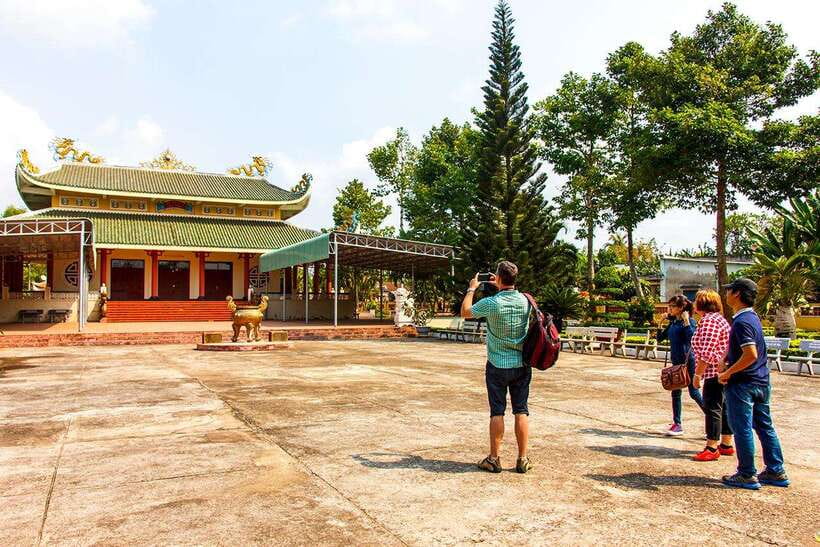
This tour is a strong fit if you want a full-day education that’s respectful, structured, and guided. It’s also a good match if you like walking through specific sites with explanations, rather than passively watching.
It’s not suitable for children under 12, so families with younger kids will need a different option. Also, the tour requires you to provide the name and nationality of attendees for insurance registration, so build in time for that when booking.
If you’re someone who gets overwhelmed by heavy topics, keep in mind that the Long Tan Cross stop is a somber moment. The tour keeps a thoughtful pace, but this is still a battlefield-linked day.
Should you book the Long Tan Battlefield Tour?
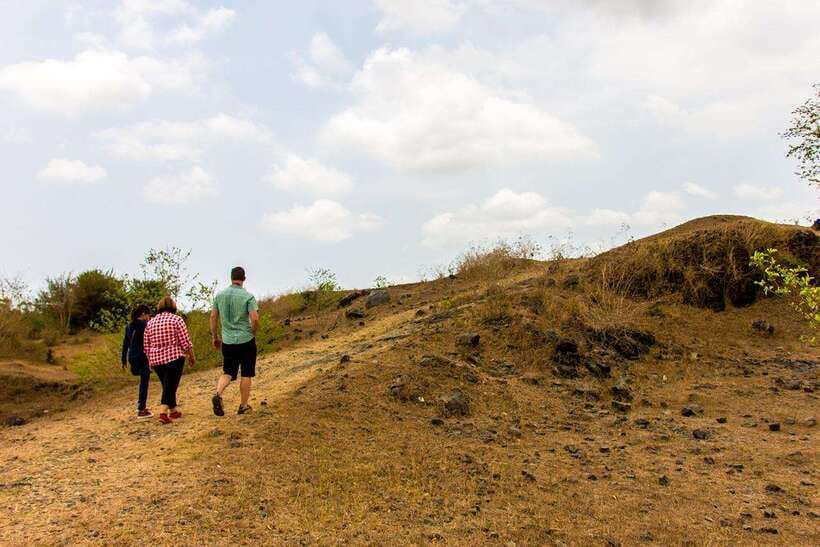
I’d book it if you want more than a checklist. The combination of Long Phuoc Tunnels, the Long Tan Cross Memorial with its specific timeline (1969 erection, 1986 replica, 2017 gifting to Australia), and Núi Đất with Luscombe Airfield gives you a connected understanding of the Vietnam War’s southern operational story.
I’d hesitate only if you dislike long drives, short walking segments across multiple sites, or you’d rather focus on one location instead of three major ones plus lunch and community stops. For most visitors who want a meaningful day trip outside Ho Chi Minh City, this feels like a solid value.
FAQ
How long is the Long Tan Battlefield Tour?
The tour duration is 8 hours.
How much does it cost?
The price is $145 per person.
What language is the guide?
The tour includes an English-speaking tour guide.
Is hotel pickup and drop-off included?
Yes, pickup and drop-off are included in Ho Chi Minh City Center (District 1, 3, 5, 10, and Phu Nhuan).
Are entrance fees, lunch, and mineral water included?
Yes. Entrance fees, lunch, and mineral water are included.
Is the tour suitable for children?
No. Children under 12 years old are not permitted to join this tour.
Can I request dietary requirements?
Yes. You can specify any specific dietary requirements when booking.
Is free cancellation and pay later available?
Free cancellation is available up to 24 hours in advance for a full refund. Reserve now & pay later is also offered.