REVIEW · HO CHI MINH CITY
My Tho – Can Tho – Chau Doc 3 days private tour
Book on Viator →Operated by Mekong Tourist · Bookable on Viator
The Mekong Delta moves like a living clock. This private 3-day route links My Tho, Can Tho, and Chau Doc with real boat time, riverside villages, and hands-on local food and crafts.
I especially love how the days balance iconic sights with quieter river moments. You get big hits like Cai Rang and Phong Dien markets, plus slower canal cruising with Tra Su’s bird-rich waterways. The other thing I like is the variety of settings in just 3 days: orchards and pagodas, coconut-lined canals in Ben Tre, floating fish farms, and a Cham weaving visit in Chau Doc.
One thing to consider: you’ll be on boats and in transit a lot, and the tour needs good weather to run as planned, so it may feel intense if you prefer a slower pace.
In This Review
- Key highlights at a glance
- Mapping the Mekong: what this private 3-day plan really gives you
- Day 1: Ho Chi Minh City to My Tho and Ben Tre canals to Can Tho
- Vinh Trang pagoda: a strong first anchor
- Boat ride on the river: stilt houses and fruit banks
- Tortoise islet lunch in an orchard garden
- Ben Tre: An Khanh and a hand-rowed sampan under coconut trees
- Southern folk music, coconut candy, and a family business visit
- Evening in Can Tho: hotel or riverside homestay
- Day 2: Can Tho floating markets, monkey bridge, vermicelli-making, and Tra Su sanctuary
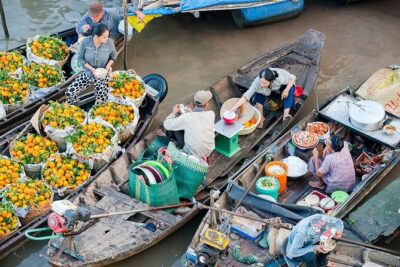
- Floating markets: Cai Rang plus optional Phong Dien
- Vietnamese vermicelli soup-making: food as a skill
- Village wandering and the monkey bridge bamboo crossing
- Orchard garden stop and lunch
- Chau Doc and Tra Su Bird Sanctuary by small boat
- Day 3: floating fish farm village, Cham weaving, mosque visit, and back to HCMC
- Fish farm and floating village boat ride
- Cham minority: weaving village and Islamic mosque
- Boat back to Ho Chi Minh City, end of tour
- Why the meals and lodging style are part of the value
- Price and logistics: what you’re paying for at $667.95 per person
- What to pack and how to handle long river days
- Is this tour for you? Best matches and who should skip it
- Should you book the My Tho to Can Tho to Chau Doc private tour?
- FAQ
- Is this a private tour?
- How long is the My Tho – Can Tho – Chau Doc tour?
- What time does the tour start in Ho Chi Minh City?
- What meals are included?
- Are there floating markets on the itinerary?
- What if the weather is bad?
Key highlights at a glance
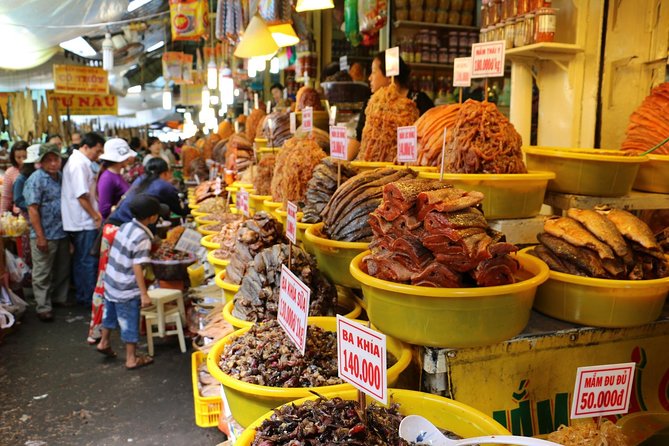
- Two floating markets: Cai Rang plus Phong Dien as an option
- Tra Su Bird Sanctuary by small boat through forest canals
- Ben Tre canal ride on a hand-rowed sampan under coconut trees
- Homestay option in Cai Rang with cycling/trekking and local dinner
- Cham culture stop including a weaving village and a local mosque visit
- A guide who makes the days easier with humor and practical help
Mapping the Mekong: what this private 3-day plan really gives you
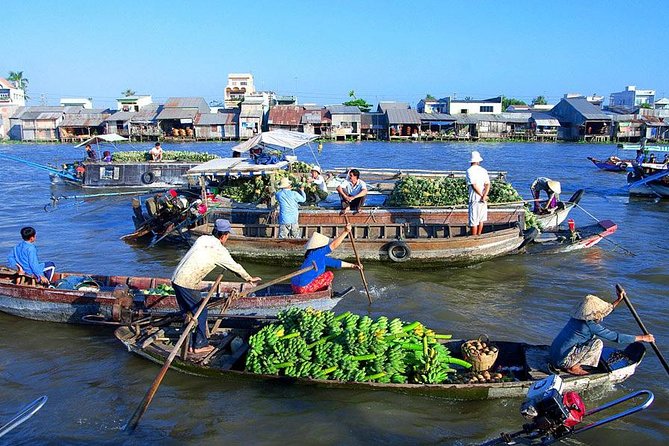
This is a classic Mekong Delta sampler, built for people who want more than one postcard view. You start in Ho Chi Minh City and work your way down through My Tho and Ben Tre, then into Can Tho for floating markets, and finally up to Chau Doc for river nature and Cham culture.
The big value here is that the transportation is handled end-to-end. You’re not piecing together boats, transfers, and meal stops across three regions, which can turn into a time-tax. With a private setup, you also avoid the constant, awkward rhythm of waiting for other groups.
You’ll also get multiple kinds of “river life,” not just the famous markets. One day is orchard gardens and coconut products; another day is narrow canals and bird sanctuaries; another includes floating fish farming and a minority culture visit.
You can also read our reviews of more private tours in Ho Chi Minh City
Day 1: Ho Chi Minh City to My Tho and Ben Tre canals to Can Tho
Your day starts with hotel pickup around 7:30 to 8:00 in Ho Chi Minh City. Then you travel out through countryside with green rice fields, which is the first hint that this trip won’t be only about markets and boats. Even the drive helps you mentally switch from city Vietnam to river Vietnam.
Vinh Trang pagoda: a strong first anchor
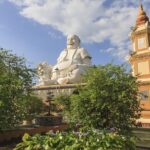
At My Tho, you visit Vinh Trang pagoda. It’s one of those places that gives you a quick cultural rhythm-setter: architecture, atmosphere, and a sense of where spiritual life fits into the Mekong world.
Practical note: it’s a sightseeing stop inside a busy day, so wear something comfortable. Dress code is smart casual, but you’ll still want breathable clothing since this region can feel warm.
Boat ride on the river: stilt houses and fruit banks
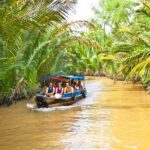
Then comes a leisurely boat ride along the river. This is where the Mekong Delta starts to feel like a system rather than a scenery set: stilt houses, fruit plantations, and fishing villages along the banks.
If you like photographing boats but also want to understand how people live, this leg is a good start. The guide’s job here is to point out what you’re seeing and why it matters.
Tortoise islet lunch in an orchard garden
Next, you go to Tortoise islet for lunch in an orchard garden. I like this because it’s not just a meal stop—it’s the transition from sightseeing to eating in the same rural environment you’re touring.
If you’re sensitive to heat or sun, plan to slow down here. Lunch outdoors can be relaxing, but it’s still the middle of the day.
You can also read our reviews of more tours and experiences in Ho Chi Minh City
Ben Tre: An Khanh and a hand-rowed sampan under coconut trees
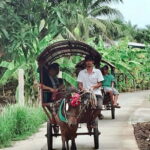
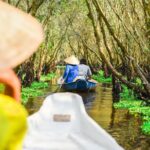
After lunch, you head toward Ben Tre for An Khanh, described as less touristy. The highlight is a canal cruise on a hand-rowed sampan, moving under the shade of water coconut trees.
This is one of the most valuable segments on the schedule because it’s human-scale travel. Instead of powering through water, the boat glides, and you notice the canal edges—small paths, gardens, and the way boats fit into daily work.
Southern folk music, coconut candy, and a family business visit
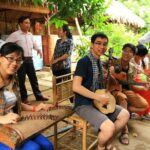
You also get seasonal fruit and honey tea with Southern Vietnamese folk music performed by locals. Then you visit a family business connected to coconut candy and rural life, where you can taste products and stroll through fruit plantations and villages.
This is where the tour turns from viewing to experiencing. Even if you don’t buy anything, watching how they prepare and package local sweets gives you a grounded feeling for the economy of the area.
Evening in Can Tho: hotel or riverside homestay
You arrive in Can Tho and sleep overnight. You’ll have two options:
- A 3-star hotel in Can Tho, with free time in the evening to explore.
- A homestay in Cai Rang district, with a motorboat transfer to a riverside cottage, plus cycling or trekking, a self-cooked dinner with the host, and traditional folk music at night.
I like that you can choose based on your comfort level. If you want easier sleeping and less moving around, pick the hotel. If you want a closer sense of daily village rhythm, the riverside homestay is the more personal option.
Day 2: Can Tho floating markets, monkey bridge, vermicelli-making, and Tra Su sanctuary
Day 2 is about classic Mekong river activity plus one of the most memorable nature settings in the whole delta. You start with a boat trip on tributaries of the Lower Mekong River (the Bassac River). Then you head into the Cai Rang floating market area, with Phong Dien listed as optional.
Floating markets: Cai Rang plus optional Phong Dien
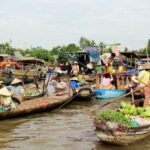
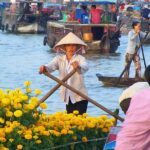
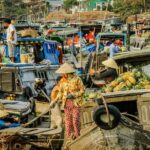
Floating markets are the big reason most people come to this region. Here, you get time to see how merchants move goods from boat to boat and how the river becomes a marketplace, not just a highway.
I also appreciate that the tour doesn’t treat the markets like a photo stop. The itinerary includes additional experiences around the market area, which helps you connect what you’re seeing to how food and daily life work here.
One extra detail from real trip experiences: you may also get a very early start for an wholesale food market around 4:30 a.m. This kind of timing can be dark and slightly chaotic, but it’s also when the trading energy is at its peak.
Vietnamese vermicelli soup-making: food as a skill
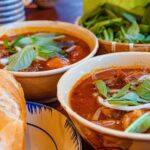
Then you explore how Vietnamese vermicelli soup is made. This isn’t just eating—it’s watching a core cooking process you can’t easily learn from a menu back home.
Even if you aren’t a “food course” person, this is worth it because it shows how ingredients and routines travel through the delta.
Village wandering and the monkey bridge bamboo crossing
Next, you wander a village and meet friendly local people. A fun moment on the schedule is passing a monkey bridge, built with only one stem of bamboo.
This isn’t about fear; it’s about movement and balance in a place where your feet don’t always sit on flat ground. Wear shoes with grip, and keep your hands free so you don’t end up holding bags in a way that makes crossing harder.
Orchard garden stop and lunch
After the village bits, you stop at an orchard garden and then have lunch. I like the rhythm of this day because you bounce between river, food, and small-land activities. It prevents the whole day from becoming one long boat ride with no variety.
Chau Doc and Tra Su Bird Sanctuary by small boat
Finally, you continue to Chau Doc and then visit Tra Su Bird Sanctuary. The tour uses small boats for cruising through forest canals, with a chance to see storks, cranes, and other tropical birds.
This is a different kind of Mekong experience. Instead of busy trade, you’re gliding slowly through a watery forest. If you love birdlife, quiet mornings, or photography with softer light, this is where you’ll feel the payoff for the earlier market-heavy day.
Practical note: bring a light layer. Even on warm days, boat air and shade can make you feel cooler than you expect.
Day 3: floating fish farm village, Cham weaving, mosque visit, and back to HCMC
Day 3 starts with breakfast and a boat trip through the floating village to a fish farm. You’ll see how people raise fish in floating houses, which adds a working-lifecycle angle to the trip.
This is important because it changes how you interpret the earlier scenes. The markets weren’t just entertainment—they’re tied to the river economy, and fish farming is one of the hidden engines behind it.
Fish farm and floating village boat ride
The boat ride through the floating village gives you a close-up view of where daily operations happen. You’ll likely notice how houses are arranged and how the water supports a livelihood rather than just scenery.
If you’re curious about sustainability-style habits (even without using that word), this stop makes the concept feel real. The river provides the workspace.
Cham minority: weaving village and Islamic mosque
Then you visit the Cham minority, including a traditional weaving village. After that, you stop at a local Islamic mosque.
I like that this day balances economy and culture. It’s not just riverside activity; you also see how minority communities maintain craft and faith in the region.
If you’re interested in textile craft, pay attention during the weaving segment. Even if you don’t fully understand the process, you can usually tell the difference between demonstration and real ongoing work.
Boat back to Ho Chi Minh City, end of tour
You then head back to Ho Chi Minh City and end at the office. It’s a clean wrap-up, and by now you’ll probably be ready for a real shower and slower pace.
Why the meals and lodging style are part of the value
This tour includes breakfast, lunch, and dinner as indicated, plus bottled water and coffee and/or tea. Lodging is listed as 3-star hotel accommodations and homestay (when you choose that option), and the tour includes the transport between the regions.
What this means for you: you’re buying time and stress reduction. In Mekong trips, the biggest hidden cost is logistics fatigue—finding local transport, sorting meal timing, and dealing with schedule gaps. Here, meals and overnight stays are bundled so you can focus on the experiences.
One more small but real detail: the tour is described as a private experience. That often translates into less waiting and more direct guidance, which matters on boat schedules.
Price and logistics: what you’re paying for at $667.95 per person
The price listed is $667.95 per person for about 3 days. In Mekong terms, that’s not cheap, but it’s also not out of line for a private, guided route that includes boat trips, English speaking guidance, hotel/homestay stays, and most key meals.
Here’s how I think about value:
- You’re paying for direction. A good guide doesn’t just translate; they help you understand what you’re seeing and keep you moving through long days.
- You’re paying for transport. You’re crossing multiple river regions with boat and van legs, and those transfers can eat hours if you arrange them yourself.
- You’re paying for structured time. Markets, canals, and sanctuary visits happen at specific windows, and having them stitched together is usually what makes the trip feel smooth.
If you’re traveling with a group of two or more and want a guided flow, this can feel like a solid deal. If you prefer total freedom, you might pay less by DIY, but you’ll likely lose some of the timing advantages.
What to pack and how to handle long river days
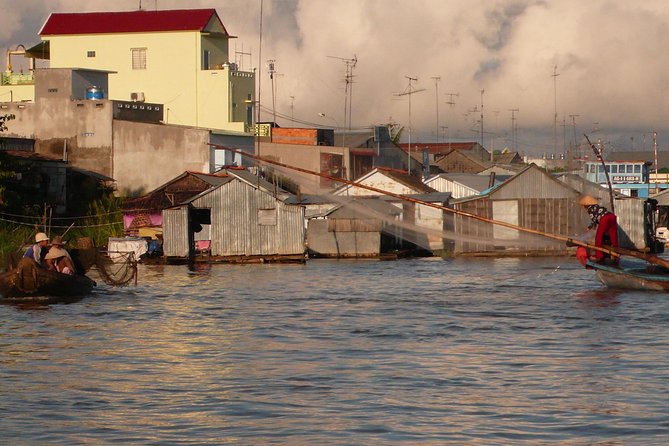
This is a river tour, not a museum day. Plan for motion, sun, and footwear that works on boats and uneven paths.
Smart basics:
- Comfortable walking shoes with grip (for village paths and the bamboo monkey bridge)
- A light layer for boat air near shaded canals
- Sun protection (hat, sunscreen), since you’ll be outside at multiple stops
- A small bag that’s easy to carry while you move between boats and buses
Dress code is described as smart casual, so you don’t need formal outfits. Still, I’d avoid very bulky clothing that gets annoying when you’re stepping on and off boats.
Is this tour for you? Best matches and who should skip it
This tour is a great fit if you:
- Want a first-time Mekong experience with real boat time and major river stops.
- Care about local culture in a practical way: food preparation, coconut products, weaving, and minority heritage.
- Prefer private guiding and a complete plan over piecing things together yourself.
You might want to think twice if you:
- Don’t like early starts or long travel days across multiple provinces.
- Have trouble with boats, sun exposure, or lots of short walking segments.
- Want a trip that’s mostly relaxing and low-activity.
Should you book the My Tho to Can Tho to Chau Doc private tour?
I’d book this if your goal is to experience the Mekong Delta as a working place, not just a set of views. The combination of floating markets, canal cruising, Tra Su bird sanctuary, and Cham culture hits several different angles of the region in 3 days.
It’s especially worth it if you like structure. Meals, transfers, and key activities are included, and the guide factor seems to be a strong part of why people rate it so highly—fun, helpful, and good at keeping the day flowing.
If you’re on the fence, pick the style that matches your comfort: hotel in Can Tho for easier logistics, or the riverside homestay in Cai Rang if you want the more personal village feel.
FAQ
Is this a private tour?
Yes. It’s listed as a private tour/activity, and only your group participates.
How long is the My Tho – Can Tho – Chau Doc tour?
It’s scheduled for 3 days (approx.).
What time does the tour start in Ho Chi Minh City?
Pickup starts around 7:30–8:00 a.m., with the start time listed as 7:30 a.m.
What meals are included?
Breakfast is included, plus lunch and dinner are included as indicated in the itinerary. Coffee and/or tea are also included, along with bottled water.
Are there floating markets on the itinerary?
Yes. You’ll visit Cai Rang floating markets, and Phong Dien is optional.
What if the weather is bad?
The experience requires good weather. If it’s canceled due to poor weather, you’ll be offered a different date or a full refund.