REVIEW · HO CHI MINH CITY
Saigoncholon
Book on Viator →Operated by Saigoncholon · Bookable on Viator
Cholon hits fast. This guided walk through Saigon Cholon puts you in the middle of everyday Chinatown life, mixing markets, fabric trading, and temple culture in just a few hours. You start at Ben Thanh Market, ride in an air-conditioned vehicle, then spend most of your time outside—looking, tasting, and learning why Chinese-Vietnamese community life feels so different here than in the rest of Ho Chi Minh City.
I like that Minh is a real local (Cholon Chinatown is home for him), and that he treats the tour as more than a checklist. I also like that you get built-in food value—coffee or tea, plus Chinese-style breakfast noodles—so you’re not forced to buy everything on the side.
One drawback to consider: this is weather-dependent. If conditions aren’t good, the experience may be canceled and you’ll be offered another date or a refund, so keep your schedule flexible.
In This Review
- Key things you’ll notice on this Cholon tour
- Cholon Chinatown Is a Different World Inside Ho Chi Minh City
- Price and Value: What $29.75 Actually Buys You
- Meeting at Ben Thanh: Simple Start, Short Ride, Real Streets
- Binh Tay Market: Chinatown Snacking and the Speed of Trading
- Soai Kinh Lam Fabric Market: Why Silk and Trading Matter Here
- Ba Thien Hau Temple: A Local-Feeling Temple vs Tourist Expectations
- Nghia An Temple: The Hidden Moment and a Hands-On Style of Prayer
- Thủ Đô Food Market: Street Food You Can Actually Plan Around
- Air-Conditioned Ride + Small Group = Comfort Where You Need It
- Who Should Book This Cholon Tour (and Who Should Skip It)
- Should You Book Saigon Cholon?
- FAQ
- FAQ
- Where does the tour start and end?
- Is pickup offered?
- How long is the tour?
- What’s the group size limit?
- What’s included in the price?
- Are entrance fees included for the stops?
- Does the tour use a mobile ticket?
- What if I have a food allergy?
- What happens if the weather is bad?
Key things you’ll notice on this Cholon tour
- Small group (max 4 travelers) for a more personal pace and easier questions to Minh
- Free admission at the markets and temples included in the itinerary
- Breakfast noodles + coffee/tea included, not just water and a quick stop
- Hidden temple moment revealed after a visit, with a hands-on style of praying culture
- Chinatown trading in real spots: snacks, fabrics/silk, and a local food market
- Pickup offered + mobile ticket to keep logistics simple
Cholon Chinatown Is a Different World Inside Ho Chi Minh City
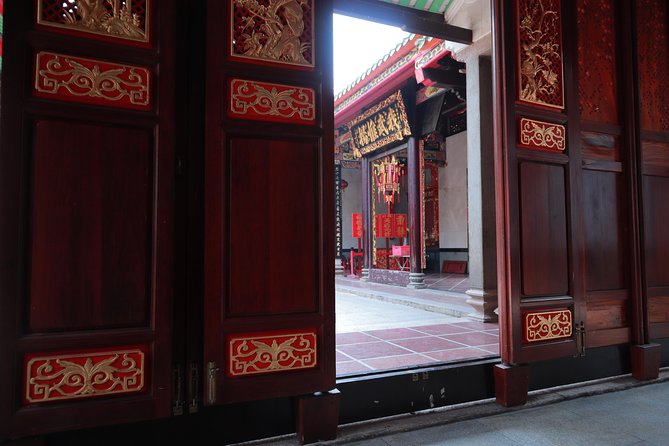
Cholon isn’t just “another neighborhood.” It’s where Chinese-Vietnamese community life shows up in shop fronts, languages you overhear, and the way people trade day to day. When you visit with a local guide like Minh, you get context that’s hard to pick up alone—why certain streets and buildings feel the way they do, and why the community still feels close-knit.
This tour is designed for the way Cholon moves. You’re not stuck in a museum. You’re walking through active places where people buy, sell, snack, pray, and keep life rolling. And because the group is kept small, you don’t feel like you’re constantly waiting for a line of strangers.
You can also read our reviews of more tours and experiences in Ho Chi Minh City.

Price and Value: What $29.75 Actually Buys You
At about $29.75 per person for roughly 3 to 4 hours, the value comes from two places: food you would otherwise pay for, and the guided access to places locals care about.
You’re not just seeing sights. The tour includes:
- coffee and/or tea
- breakfast: Chinese-style noodles served in an alley
- 1 bottled water per person
- an air-conditioned vehicle
Admissions at each included stop are free, so you’re not adding surprise ticket costs to the day. Also, since extra snacks and extra water aren’t included, it helps to treat this as a “starter meal + local sampling” kind of experience. Bring a little extra cash if you want more than what’s provided.
The other value piece is time. For a half-day, you cover multiple types of Chinatown life: food markets, a fabric/silk trading scene, and two temple stops with different flavors of local worship.
Meeting at Ben Thanh: Simple Start, Short Ride, Real Streets
The tour starts and ends back at Ben Thanh Market (in District 1). That’s handy because it means you’re not committing to a complicated drop-off plan across town. Pickup is offered, and the guide uses a mobile ticket—both small details, but they reduce stress when you’re navigating a busy city.
Once you’re out in Cholon, the tour’s rhythm is straightforward: short time in each major place (often around 30 minutes), with one longer temple and one focused local food moment. Plan for walking and standing. This is the kind of tour where you’ll want both your eyes and your stomach working.
Binh Tay Market: Chinatown Snacking and the Speed of Trading
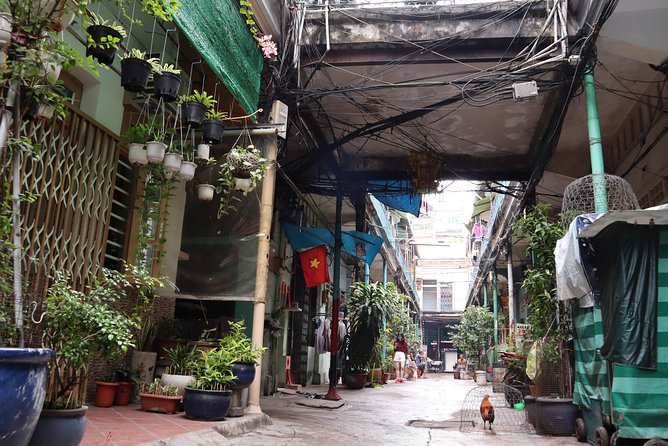
Binh Tay Market is the symbol of Chinatown, tied to the story of Chinese merchants who helped build the district’s commercial identity. When you arrive, the place reads like a working map of the neighborhood—food counters, quick buys, and the everyday logic of how vendors move product.
What I like about this stop is the way it teaches you how the market functions, not just what to photograph. You get about 30 minutes here, which is enough time to:
- taste or browse snack-style options
- watch how people shop
- understand the trading rhythm that keeps the neighborhood’s economy turning
Potential drawback: markets move fast. If you’re the type who likes slow wandering and long photo sessions, 30 minutes can feel short. The trade-off is that you get variety in a single afternoon.
Soai Kinh Lam Fabric Market: Why Silk and Trading Matter Here
Next comes Soai Kinh Lam, described as the biggest fabric and silk materials market. This stop can be surprisingly compelling even if you don’t plan to buy. Fabrics are a shortcut into how trade works here—what people bring in, what gets sold, and how daily business connects locals to the outside world.
You spend about 30 minutes focused on fabric trading activity between locals and the wider world. If you’re into design, clothing, or craft materials, this is where you’ll start noticing details: how textiles are displayed, what kinds of goods draw attention, and how merchants pitch quality.
One practical note: markets like this can be visually loud. If you’re sensitive to strong smells from food and indoor stalls, keep your pacing steady. Also, since extra items aren’t included, budget for the possibility of temptation.
Ba Thien Hau Temple: A Local-Feeling Temple vs Tourist Expectations
At Ba Thien Hau Temple, you’re guided toward a comparison point: the look of a more purely local temple experience versus the kind of touristy version you might expect elsewhere. The tour gives you about 30 minutes here, which is enough to slow down, look carefully at worship space details, and understand how locals approach the temple as part of daily life—not a performance.
This is one of the stops that helps you reset your brain after the pace of the market. You’ll see how spirituality shows up in the physical environment and how community belief is woven into the neighborhood’s identity.
If you’re hoping for a long, lecture-style cultural deep dive, the time is limited. But for most people, 30 minutes is a sweet spot: enough to compare and learn, without turning the day into a classroom.
Nghia An Temple: The Hidden Moment and a Hands-On Style of Prayer
Nghia An Temple is the tour’s longer temple experience at about 1 hour, and it’s the most specific in terms of what you’ll do. Here, you’ll discover what’s described as a hidden local temple, and you’ll experience prayer culture that includes touching the figure of the deity.
Important detail: the hidden place is shown after the visit. That means you shouldn’t plan to treat this stop like a normal “see it, take photos, move on” activity. It’s more like you follow Minh’s lead, keep your attention open, and let the sequence unfold.
What you might get out of this stop:
- a feel for local devotion practices
- a better sense of how wishing for luck and getting blessed is part of worship culture
- a story-driven temple moment that feels personal rather than generic
This stop may not be for you if you prefer strictly passive sightseeing. It’s culturally hands-on, even if you keep it respectful and simple.
Thủ Đô Food Market: Street Food You Can Actually Plan Around
The final food-focused stop is the Khu ăn uống chợ Thủ Đô, where you visit a local market and food trading area. This is where you get the payoff for your earlier market education. You’ll see how food gets selected, swapped, and sold—then you get to enjoy various street foods that are described as safe.
You spend about 30 minutes here. That’s a practical amount of time for tasting without burning out. Since extra foods aren’t covered, you’ll want to decide in the moment what looks good, what fits your dietary needs, and what you’re comfortable trying.
If you’re traveling with a food allergy, the tour asks you to inform the team prior to the tour. So don’t wait until you’re already standing at a stall. Message ahead so Minh and the provider can guide you toward safer choices.
Air-Conditioned Ride + Small Group = Comfort Where You Need It
One quiet win in this tour: you get an air-conditioned vehicle. In Ho Chi Minh City, the heat can make a half-day feel longer than it should. This tour keeps the heavy walking mostly in the market and temple areas while using the vehicle to connect the stops.
Also, the maximum group size is 4 travelers, which matters more than it sounds. With a small group, Minh can tailor the pace and answer questions without constantly repeating himself. The tour description also mentions that you can inform special interests ahead of time, and that’s a big deal for a niche neighborhood like Cholon.
Who Should Book This Cholon Tour (and Who Should Skip It)
This tour fits best if you want:
- a fast, organized look at Cholon Chinatown life
- market time that includes real trading scenes (snacks and fabrics)
- temple culture with a local flavor, including the hidden Nghia An experience
- included food value (breakfast noodles + coffee/tea)
You might skip it if:
- you hate weather-dependent plans (the experience requires good weather)
- you strongly dislike any hands-on religious practice, since Nghia An includes touching the deity figure
- you prefer long, unstructured wandering over multiple short stops
One more practical note: because this is a guided pickup experience, confirm details with the provider ahead of time. I’ve seen one situation where a guide was a no-show and responses were missing, and it turned into a frustrating day of waiting. If timing is important to you, double-check your pickup time the day before.
Should You Book Saigon Cholon?
Yes—if your goal is a high-value half-day that connects markets, fabrics, temples, and food in Cholon Chinatown without wasting time figuring things out alone. The price makes sense because breakfast noodles, coffee/tea, and water are included, and admissions are free.
I’d book it with confidence if:
- you want a local guide named Minh who’s tied to Cholon Chinatown personally
- you’re happy with short visits at each main place (about 30 minutes, plus the 1-hour temple)
- you can be flexible if the weather forces a reschedule
I’d hesitate if you’re traveling on a very tight schedule or you can’t handle the possibility of a weather-based cancellation.
FAQ
FAQ
Where does the tour start and end?
It starts at Ben Thanh Market in District 1 and ends back at the same meeting point.
Is pickup offered?
Yes, pickup is offered.
How long is the tour?
The tour lasts about 3 to 4 hours.
What’s the group size limit?
The tour has a maximum of 4 travelers.
What’s included in the price?
It includes coffee and/or tea, breakfast Chinese-style noodles, 1 bottled water per person, and an air-conditioned vehicle.
Are entrance fees included for the stops?
Yes. Admission is free for the included stops.
Does the tour use a mobile ticket?
Yes, you’ll use a mobile ticket.
What if I have a food allergy?
You should inform the tour prior to the experience if you have a food allergy.
What happens if the weather is bad?
This experience requires good weather. If it’s canceled due to poor weather, you’ll be offered a different date or a full refund.