REVIEW · HO CHI MINH CITY
Ho Chi Minh City: Cu Chi Tunnels Morning or Afternoon Tour
Book on GetYourGuide →Operated by KIM TRAVEL · Bookable on GetYourGuide
Cu Chi Tunnels turns Vietnam history into something you can actually feel. I like this tour because you get a guided story in plain English and then a hands-on tunnel experience—plus the chance to see the traps and underground spaces that made guerrilla warfare possible. It’s also priced to feel fair for what you pack in, including transport, entrance fees, tea, and snacks.
One thing to plan for: the day gets warm fast, and the minivan/bus ride can feel tight depending on your vehicle and group size.
In This Review
- Key highlights worth getting excited about
- From Ho Chi Minh City pickup to the Cu Chi arrival
- The Ho Chi Minh Trail story and why the first break matters
- Inside the tunnel complex: traps, rooms, and the underground logic
- The tunnel crawl: the part that actually sticks in your memory
- Tea, cassava, and the “war food” stop that surprises people
- The shooting range add-on (AK47/M16): optional, but it changes the vibe
- Transportation, timing, and group feel: what to expect day-of
- What you’ll love most: guides who turn facts into a story you can follow
- Price and value: why $13 feels unusually fair (and when it doesn’t)
- Practical tips so you enjoy it instead of fighting it
- Should you book the Cu Chi Tunnels morning or afternoon tour?
- FAQ
- How long is the Cu Chi Tunnels tour from Ho Chi Minh City?
- What are the pickup areas and times?
- Is hotel pickup included if I’m not staying in Districts 1, 3, or 4?
- What does the tour include besides the tunnel entrance?
- Is the rifle shooting included?
- What should I bring to the tour?
- Who is this tour not suitable for?
Key highlights worth getting excited about
- Tunnel traps you can see up close: You’ll learn how the defenses worked without turning it into just a photo stop.
- Brief propaganda video and guided context: It helps connect the exhibits to what the site was trying to communicate during wartime.
- Tunnel crawl (with real “how small was it” perspective): You’ll experience the claustrophobic reality firsthand.
- Cassava tasting: War-day food made practical for visitors, and it’s a standout bite.
- Optional shooting range: If you want the add-on, you can fire an AK47 or M16 for an extra fee.
- English-speaking guides who manage the timing: Multiple guides (like Bao, Tommy, Luna, Kelvin, Phong, and Andy) are repeatedly praised for keeping things moving and answering questions.
From Ho Chi Minh City pickup to the Cu Chi arrival
This tour is built around one simple idea: get you out of busy Ho Chi Minh City and into the landscape and mindset of the war zone before you start losing patience. Your pickup generally falls between 7:30 and 8:30 AM, with the guide reaching out about 15 minutes before to confirm the exact time. If you’re doing an afternoon start, the rhythm is the same—just a different clock time.
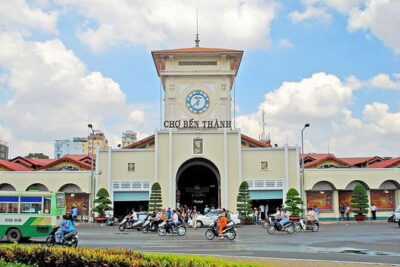
Pickup covers Districts 1, 3, and 4, and you’ll be dropped back in central District 1. If you’re staying somewhere else, you’ll need to get yourself to Kim Travel’s office near Ben Thanh (17 Thu Khoa Huan Street, Ben Thanh Ward, District 1). That’s a key detail because it can save you hassle if you’re not in the covered areas.
Then comes the van ride. Expect a smooth start with an air-conditioned vehicle. Still, temperatures can be intense, and some vehicles may run less powerful than you’d hope—so treat the cooling as a bonus, not a guarantee. I’d also plan your expectations for comfort: a long seat + heat + everyone trying to stay hydrated adds up.
You can also read our reviews of more city tours in Ho Chi Minh City

The Ho Chi Minh Trail story and why the first break matters
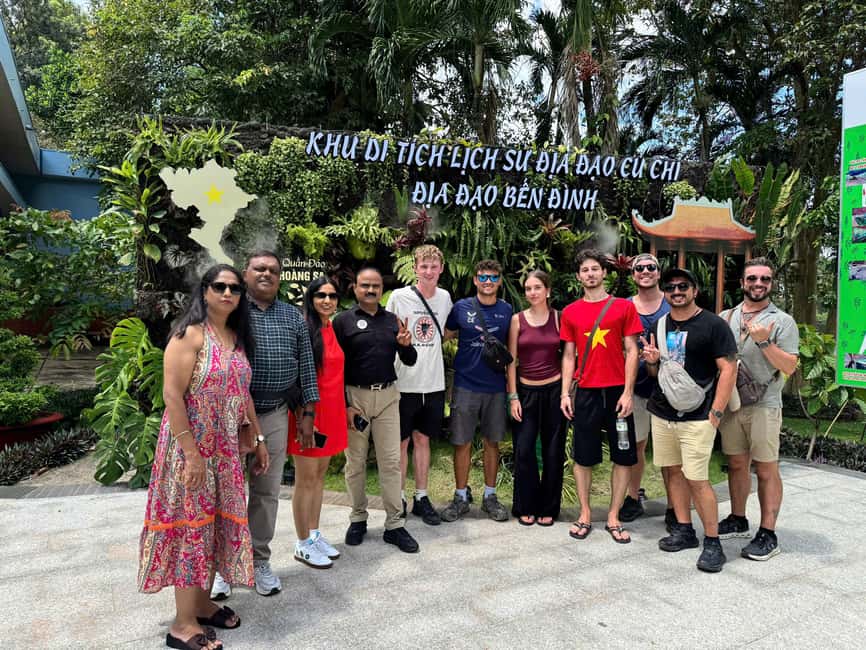
When you arrive in Cu Chi, you get the “where you are” moment: this area sat at the end of the Ho Chi Minh Trail and served as a base from which Vietnamese guerrilla fighters attacked Saigon. That’s not just trivia—it sets the tone for why tunnels mattered.
You’ll also stop for a short break and photo stop before continuing deeper into the complex. It sounds small on paper, but it matters because once you’re inside the tunnel area, you’ll spend time walking in heat and then switching into crawl mode. Use that break like a reset button: water, quick bathroom check, and a hat adjustment go a long way.
Along the road, you may pass green paddy fields and see local farmers and buffaloes. This isn’t “just sightseeing.” It’s a reminder that this region isn’t frozen in wartime—people still farm here, and that makes the tunnels feel less like museum props and more like something built for a real survival strategy.
Inside the tunnel complex: traps, rooms, and the underground logic
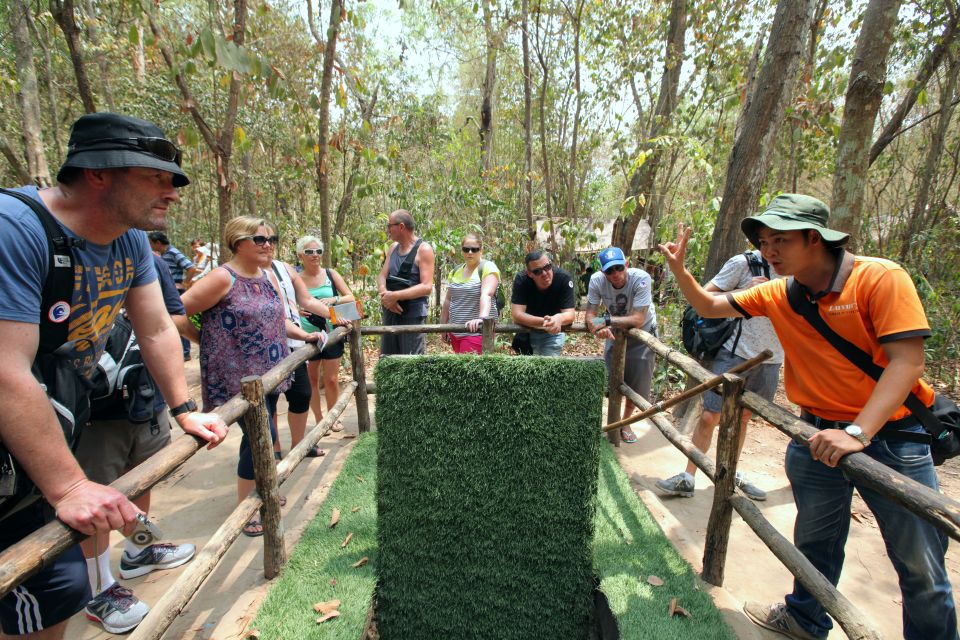
This is where the tour earns its reputation. You’ll spend the main chunk of time exploring the Cu Chi Tunnels site with a mix of guided tour time and self-guided wandering, and it’s structured so you’re not stuck listening nonstop.
Here’s what you’ll typically encounter:
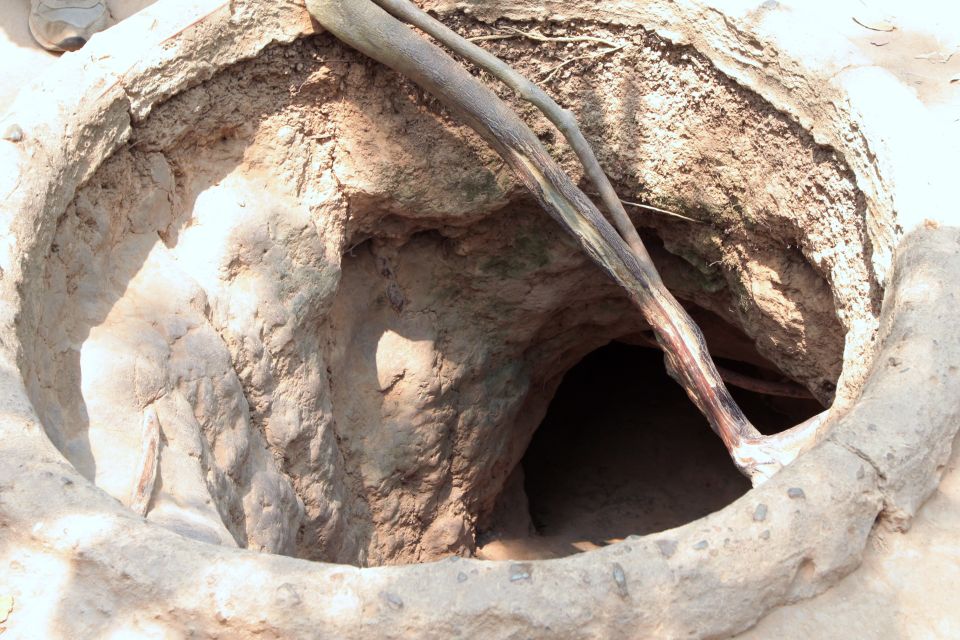
- Trap doors and defensive layouts designed to slow or injure intruders.
- Storage and weapons-related areas, including demonstrations of how supplies were handled underground.
- Field hospital spaces, kitchens, and command areas, so you understand that the tunnel system wasn’t only for hiding—it also supported daily operations.
- Ventilation systems, which help explain how underground life worked beyond “just crawl and disappear.”
A major reason this segment works is the teaching style. I like when a guide connects each exhibit to the bigger survival logic: small spaces forced stealth, and the defenses forced attackers to take predictable, risky steps. You don’t need to be a history buff to follow it—good guides keep it clear and answer side questions without rushing you.
The site also includes a brief propaganda video. It can feel jarring if you expect everything to be neutral, but it adds context for how the conflict was framed at the time. If you’re trying to understand Cu Chi beyond “tunnels for tourists,” this bit helps.
The tunnel crawl: the part that actually sticks in your memory
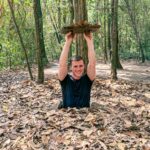
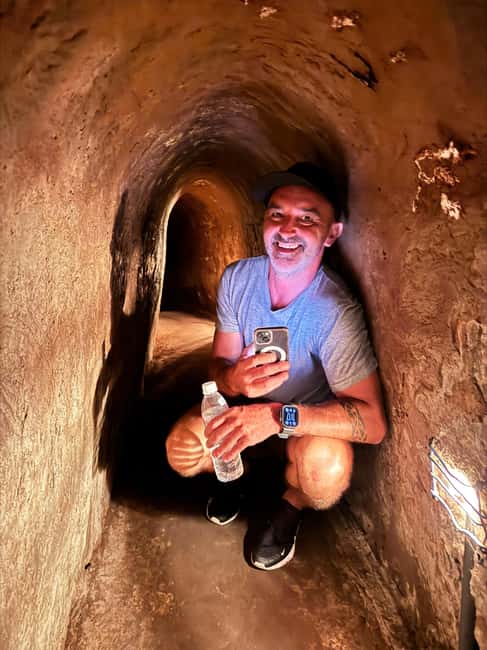
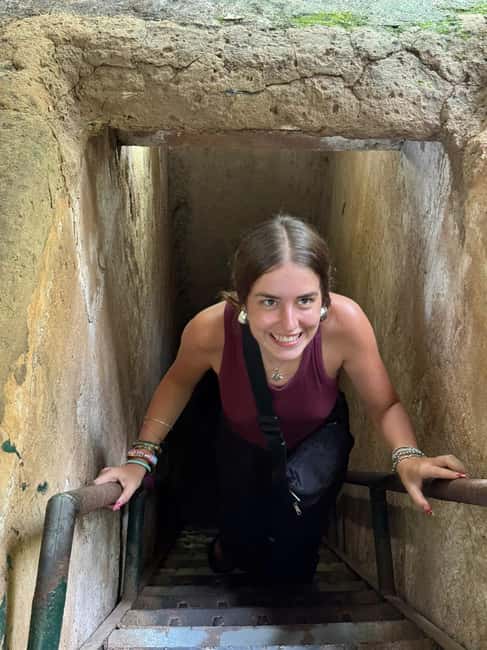
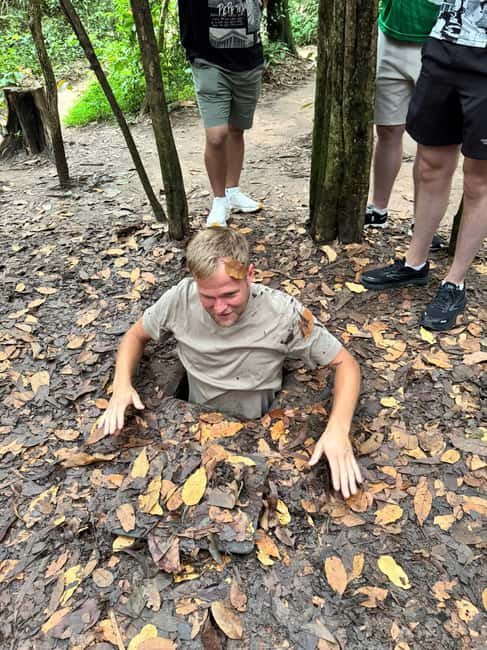
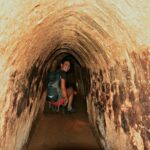
The signature moment is entering and crawling through one of the tunnels. This isn’t a stroll. It’s low-ceiling, cramped, and it makes you understand why the site was so hard to crack.
From the way guides like Bao, Tommy, Luna, Kelvin, Phong, and others describe things, the tour aims for a balance: you get safety briefings and guidance, but you also get the uncomfortable reality. People describe it as intimidating, and honestly, that reaction makes sense. Even if you’re physically capable, your brain has to adjust to the darkness and narrow space.
Plan for the tunnel crawl in a practical way:
- Wear comfortable clothes you don’t mind getting dusty.
- Bring insect repellent (especially for the outside walking segments before you enter).
- Expect sweaty conditions. A lot of people end up wishing they had a spare shirt.
And here’s a key detail: the tunnels you crawl through may feel different from what you’d imagine from photos because parts have been adapted for visitors. Even with that, the scale still hits. The goal isn’t to scare you—it’s to give you real perspective so the history doesn’t stay abstract.
Tea, cassava, and the “war food” stop that surprises people
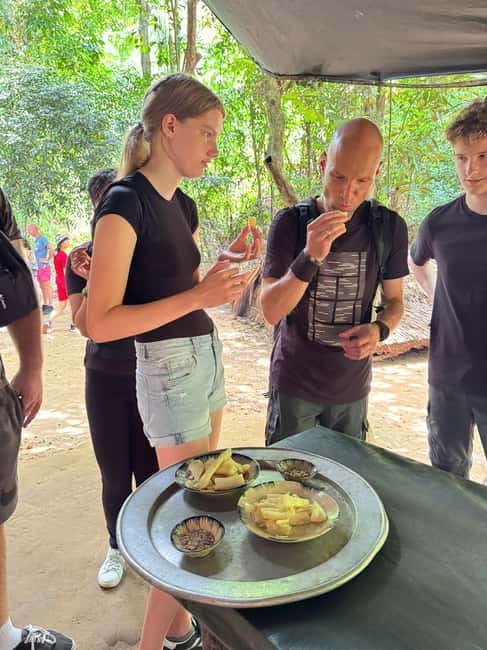
This tour doesn’t make you go hungry. You’ll get tapioca and Vietnamese hot tea, and there’s also time for food tasting, with cassava being the most popular war-day food at Cu Chi.
Cassava is a useful teaching tool because it answers a basic question: what did people eat when normal life was disrupted? It turns the history into something tangible. Plus, it’s a small emotional reset after the tunnel—warm tea and a simple snack help you recover and focus again.
I also like that this isn’t just handed to you and forgotten. Guides often frame it as part of a bigger system: supply, survival, and routine under threat.
You can also read our reviews of more tours and experiences in Ho Chi Minh City


The shooting range add-on (AK47/M16): optional, but it changes the vibe
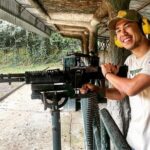
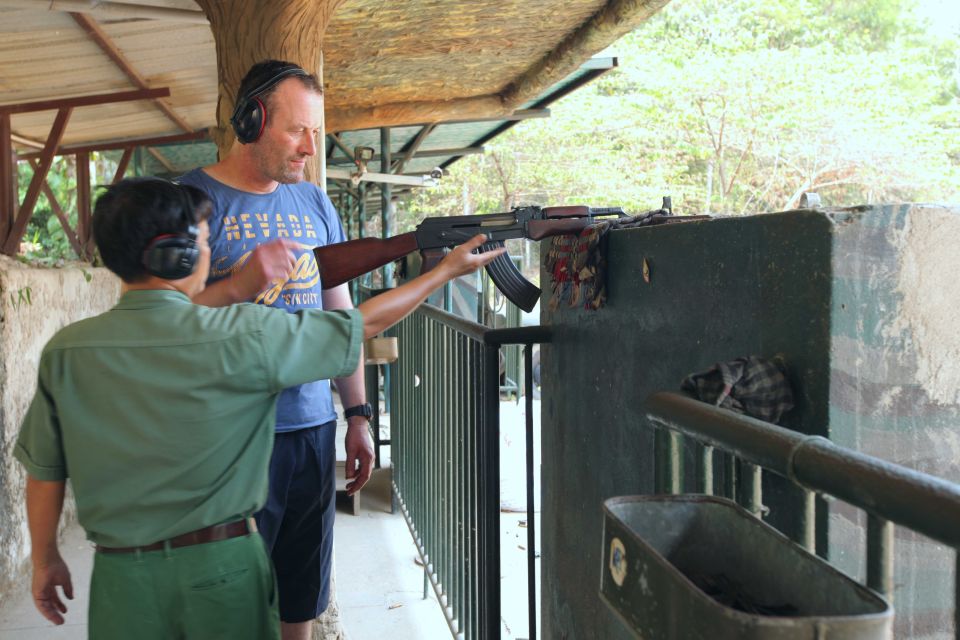
Near the end, you’ll have shooting range time. If you want it, you can fire an AK47 or M16 rifle for an additional fee. The tour itself builds in the option, but the cost isn’t included in the base price.
This add-on tends to shift the tour atmosphere because it moves from history and storytelling to a more active, adrenaline-leaning experience. Whether you love it or skip it, it’s worth knowing it exists so you can decide based on your comfort level and budget.
If you do choose it, follow the safety briefing closely. This is the kind of activity where doing things exactly as instructed matters more than anything else.
Transportation, timing, and group feel: what to expect day-of
The full tour runs about 390 minutes (around 6.5 hours), including travel time and stops. After the tunnel complex experience and the shooting range window, you’ll head back to Ho Chi Minh City by van for roughly 105 minutes, with drop-off in central District 1.
Group size options matter here:
- You can book smaller, larger, or private groups, and the vehicle experience can vary.
- Many people love the guide factor—several guides are highlighted for being funny, attentive, and good at pacing.
- On the flip side, some reviews mention older vehicles and weaker AC. So, bring a bit of flexibility.
Also, the tour includes walking and waiting between segments. The heat can make that feel longer, so your best move is to wear breathable clothes and keep water handy.
What you’ll love most: guides who turn facts into a story you can follow
If there’s one theme in the praise, it’s the guide. Names like Andy, Bao, Tommy, Luna, Kelvin, Phong, and Jacky pop up because they do a few things well:
- explain the tunnels and war tactics in clear English
- keep everyone moving without chaos
- answer questions, not just deliver a script
- add humor in a way that doesn’t erase the seriousness
That last point matters. Cu Chi is not a “light” subject. The best guides manage the tone: they acknowledge the gravity while still making the information understandable and memorable.
For value, it’s a big deal. A low-cost tour can still feel great if the guide handles the details and keeps the day running on time.
Price and value: why $13 feels unusually fair (and when it doesn’t)
At $13 per person, the price is hard to beat for what you get: pickup/drop-off (in key districts), air-conditioned transport, an English-speaking guide, entrance fees, bottled water, wet tissues, crackers, tapioca, and hot tea.
That’s the core value. You’re paying for logistics and interpretation, not just an entry ticket. And Cu Chi is a destination where you’ll likely want context—without it, you’d be walking through platforms, doors, and crawl spaces without the “why.”
Two moments can affect your final cost:
- The shooting range add-on is extra.
- You might also spend on personal expenses or additional drinks.
Still, even with the optional shooting fee, the overall setup tends to feel budget-friendly compared with tours that charge separately for guide time and transport. For first-time visitors who want one structured day trip, it’s strong value.
Practical tips so you enjoy it instead of fighting it
Here’s my straight-talk packing list based on what’s explicitly recommended and what heat can do on the day:
- Comfortable shoes (you’ll walk, and you don’t want sore feet before the crawl)
- Sun hat and breathable clothes
- Insect repellent
- Cash (especially for the shooting range add-on if you decide on the spot)
- A plan to deal with dust and sweat in the tunnel area
Also note:
- It’s not suitable for wheelchair users and not recommended for people with heart problems.
- Pets aren’t allowed.
If you fall into the mobility or health constraints, you’ll want to choose a different type of tour that’s safer and less demanding physically.
Should you book the Cu Chi Tunnels morning or afternoon tour?
Book it if you want a structured Cu Chi day trip with real interpretation and a hands-on tunnel crawl. This is a good choice for history-minded travelers who also like interactive experiences, and it’s especially worth it at this price level because transport and guide time are built in.
Skip it (or change plans) if you know you can’t handle tight, low-space crawling or long hot walking. The crawl is the main event, so your comfort with that determines whether the day feels powerful or stressful.
If you’re deciding between morning vs afternoon, pick the time that matches your energy and heat tolerance. Either way, show up ready: hat on, shoes comfy, repellent in your bag, and a cash option for the shooting range. Then let the guide do their job—when the pacing is right, the whole trip flows like a lesson you don’t forget.
FAQ
How long is the Cu Chi Tunnels tour from Ho Chi Minh City?
The tour duration is listed as 390 minutes, including pickup time, travel, activities at the tunnels, and the return trip.
What are the pickup areas and times?
Pickup is available from centrally located hotels in Districts 1, 3, and 4. The pickup time is typically between 7:30 and 8:30 AM, and your guide will contact you about 15 minutes before to confirm the exact pickup time.
Is hotel pickup included if I’m not staying in Districts 1, 3, or 4?
If you are staying outside those areas, you’ll need to make your way to the meeting point at Kim Travel’s office at 17 Thu Khoa Huan street, Ben Thanh Ward, District 1.
What does the tour include besides the tunnel entrance?
The tour includes air-conditioned bus or minivan transport, an English-speaking guide, entrance fees, bottled water, tapioca and Vietnamese hot tea, and crackers with wet tissues.
Is the rifle shooting included?
No. The fee to fire an M16 rifle at the shooting site is not included. The shooting range time is part of the itinerary, but you pay an additional fee if you want to do it.
What should I bring to the tour?
Bring comfortable shoes, a sun hat, comfortable clothes, insect repellent, and cash.
Who is this tour not suitable for?
The tour is not suitable for wheelchair users and people with heart problems. Children under 5 are free, but children must be accompanied by an adult.