REVIEW · HO CHI MINH CITY
Full-Day Ho Chi Minh City Tour with Colonial Heritage & Chinatown
Book on Viator →Operated by TNK Travel · Bookable on Viator
Ho Chi Minh City hits hard and fast on this full-day ride. I like how the day mixes major history stops with hands-on neighborhood time, then caps it with a water bus view of the skyline from Bach Dang Harbor.
Two standouts for me are the practical, well-timed sightseeing set-up and the chance to see both colonial-era landmarks and Cho Lon Chinatown in one go.
One thing to consider: the schedule moves between several locations, so you’ll want a little patience on the day-of pace, especially if you’re hoping for extra commentary at every single stop.
In This Review
- Key Things I’d Book This For
- Getting Your Bearings: Independence Palace, Cathedral, and Central Post Office
- War Remnants Museum: Why This Stop Sticks With You
- Lunch at Propaganda Vietnamese Bistro and the Coffee Break Above the Streets
- Bach Dang Quay Water Bus: The Best Photo Window on the Saigon River
- Cho Lon Chinatown: Thien Hau Temple and Binh Tay Market
- Price and Value: Why $47.50 Can Make Sense for a Full Day
- Pickup, Timing, and How to Plan Your Day for 8 to 9 Hours
- Who This Tour Suits Best (and Who Might Prefer Another Plan)
- Should You Book This Ho Chi Minh City Tour?
- FAQ
- FAQ
- What time does the tour start?
- How long is the full-day tour?
- Is pickup included?
- Does the price include lunch?
- Are attraction entrance fees included?
- What river activity is part of the tour?
- Does the tour use a mobile ticket?
- What if weather is poor?
- Is this tour limited to smaller groups?
Key Things I’d Book This For
- Reunification Palace interiors and 1960s-style architecture with a clear story behind them
- War Remnants Museum focused on Vietnam’s wartime impact, not just big-picture talking points
- Air-conditioned transport + pickup so you spend energy on sights, not logistics
- Water bus at Bach Dang Harbor for skyline photos from the Saigon River
- Cho Lon Chinatown time with Thien Hau Temple and Binh Tay Market
Getting Your Bearings: Independence Palace, Cathedral, and Central Post Office
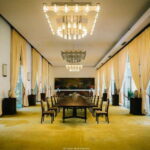
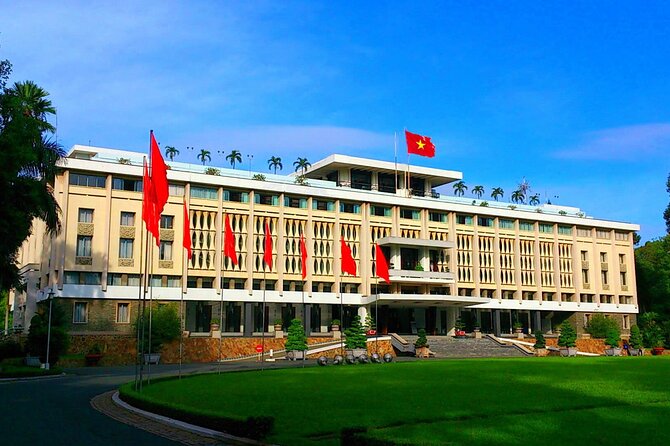
You start your morning at Reunification Palace, a place that makes the city’s past feel physical. The rooms are preserved in a way that helps you picture how power and decision-making looked back in the late war era. If you like history that you can walk through, this is the first real anchor of the day.
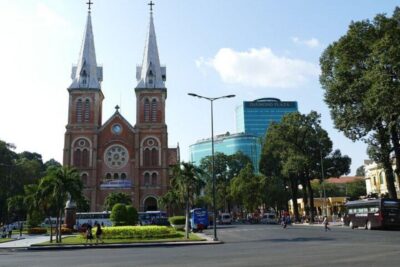
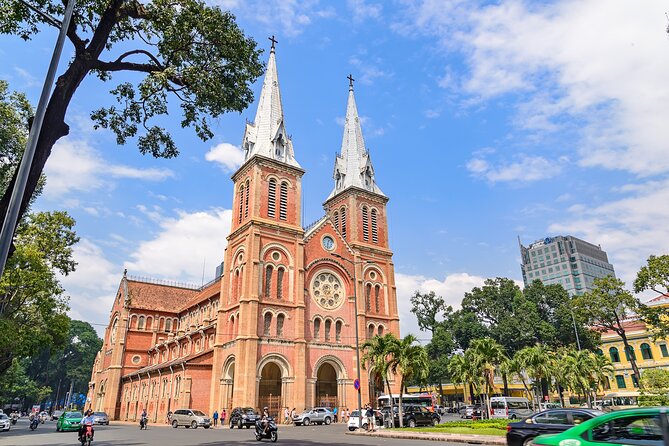
From there, you roll into the French-built core around Saigon Notre Dame Cathedral. Even if interior access is limited due to renovations, the exterior still gives you that unmistakable Neo-Romanesque presence. It’s one of those spots where you’ll understand why the colonial look in Ho Chi Minh City feels like a layer, not a separate story.
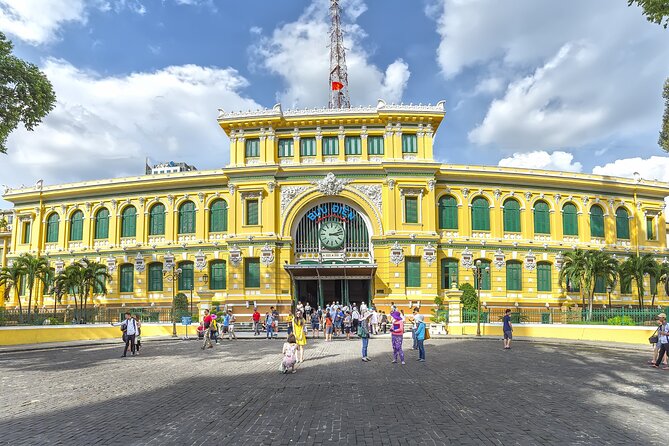
Next comes the Central Post Office, designed by Gustave Eiffel. The soaring ceilings and crisp geometry make it feel like a working building from another century—because it is. It’s also a great place to slow down for a bit, look up, and then take postcards if you want a send-home memory made easy.
You can also read our reviews of more city tours in Ho Chi Minh City

War Remnants Museum: Why This Stop Sticks With You
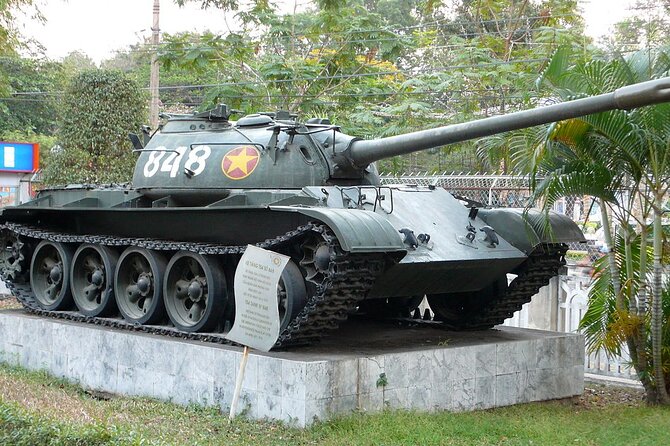
The War Remnants Museum is the kind of visit that changes your “understanding” from facts to feelings. It uses photos, military artifacts, and installations to show the human cost and environmental damage tied to the Vietnam War. The overall effect is direct: it pushes you to connect the story to real people and real consequences.
I recommend giving yourself permission to take it at a slower pace than you think you need. Some sections hit harder than others, and you’ll get more out of it if you don’t rush toward the next room. A good English-speaking guide helps connect what you’re seeing to why it matters in Vietnam today.
There’s also a practical reason this museum belongs early or mid-morning in your day plan: you’re mentally sharper before the afternoon heat and after the morning’s travel. Afterward, you’ll likely feel that you’ve done the most important thinking stop on the tour—then the rest becomes your “how the city carries the story” segment.
Lunch at Propaganda Vietnamese Bistro and the Coffee Break Above the Streets
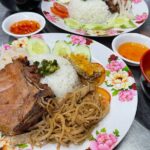
After history, the day gives you a proper reset: lunch at Propaganda Vietnamese Bistro. This matters more than it sounds. When a tour includes lunch, you’re not stuck hunting for food while your schedule drifts, and you can focus on tasting Vietnam instead of juggling time.
You’ll typically find familiar classics here—options like pho, spring rolls, and fruit—set up in a way that’s easy for most diets. The goal is comfort food with real Vietnamese flavor, so you leave fueled for the afternoon walk and river ride.
Then you pause for Vietnamese coffee at a local spot, with choices like cà phê sữa đá (iced coffee with condensed milk) or black coffee. The fun part is the viewpoint: you can watch the stream of motorbikes and see how the city blends colonial and modern styles at street level. This is a low-effort moment that makes the day feel more lived-in.
If you usually skip coffee breaks when traveling, do this one. It’s the sort of stop that helps you absorb what you’ve seen, without adding more walking.
Bach Dang Quay Water Bus: The Best Photo Window on the Saigon River
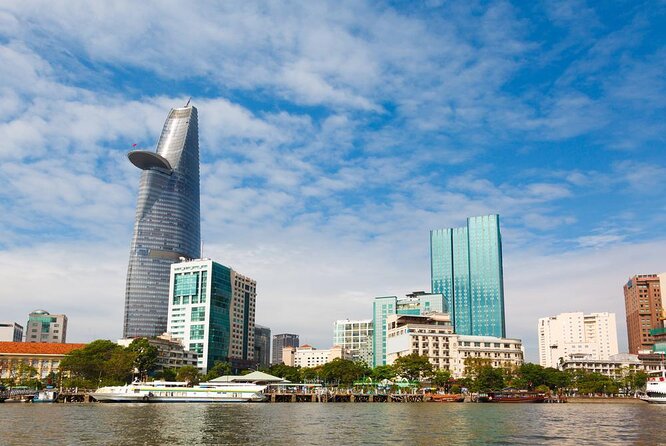
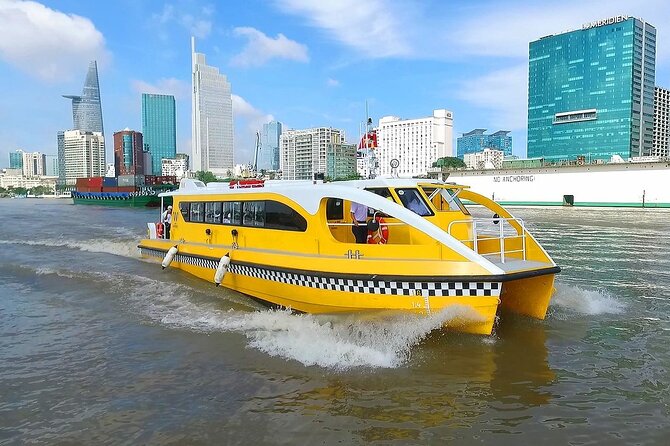
One of the smartest parts of this tour is the water bus ride from Bach Dang Harbor. By moving from streets to the river, you change your angle on Ho Chi Minh City fast. The skyline views feel different from ground level—more layered, more panoramic, and better for photos.
You’ll spot major markers along the way, including Landmark 81 and the Bitexco Financial Tower. The route also frames District 2’s residential areas, which helps you understand how the city is expanding beyond the central zones. When the afternoon light hits, the river turns the whole scene into a moving “photo gallery.”
Timing is your friend here. If you care about pictures, keep your phone/camera ready during the best view stretches rather than waiting for the perfect spot. A 30-minute boat ride passes quickly, so quick swaps between photos and just looking are ideal.
Also, wear something comfortable. This is not a long hike, but you’ll be standing or shifting positions while you get shots.
Cho Lon Chinatown: Thien Hau Temple and Binh Tay Market
After the river, the tour heads toward Cho Lon, Saigon’s Chinatown—where you can see centuries of Chinese and Vietnamese influence side-by-side. The energy changes again here: less government-structure feeling, more everyday commerce and family-run activity.
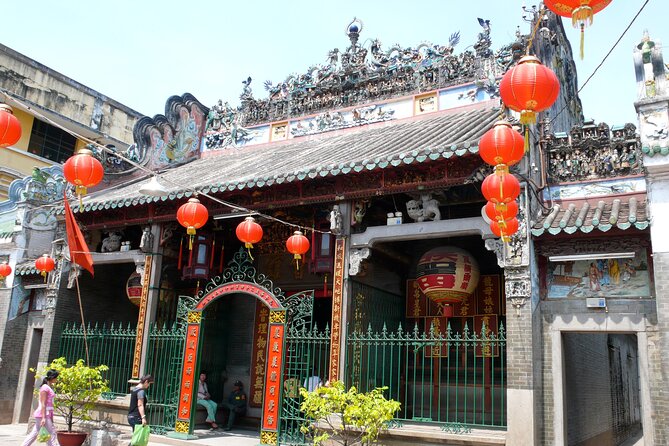
At Ba Thien Hau Temple (Thien Hau Pagoda), you’re stepping into a space dedicated to the sea goddess. The 19th-century setting and the ornate roof details make it feel like a real cultural stop, not just a quick photo spot. Even with a short visit window, you’ll get a sense of why people return here for prayer and ritual.
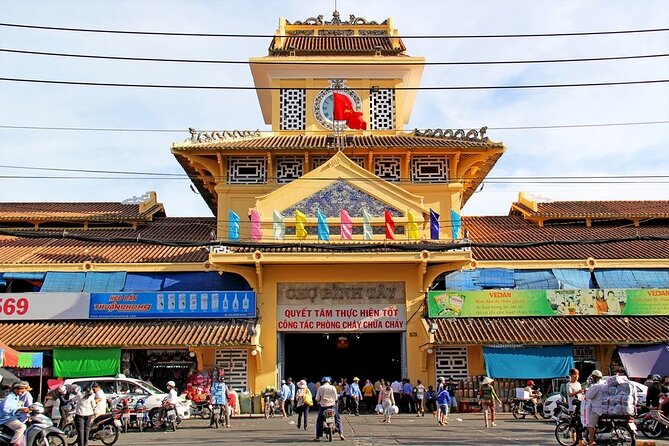
From there, Binh Tay Market gives you the commercial pulse of Chinatown. The architecture with a clock tower and dragon details makes the outside memorable before you even step in. Inside, you’ll find shelves of textiles, handicrafts, spices, dried goods, and traditional remedies. It’s a sensory place—smells, colors, and close-up trading moments everywhere.
A practical tip: set yourself a simple shopping goal before you walk in. If you try to browse everything without deciding what you want, the time can feel shorter than you’d like. If your goal is only souvenirs or snacks to take back, you’ll move with confidence and enjoy it more.
You can also read our reviews of more historical tours in Ho Chi Minh City






Price and Value: Why $47.50 Can Make Sense for a Full Day
At $47.50 per person, the big question is value. The answer is that this day is built around inclusions that normally cost extra when you plan alone.
You get air-conditioned transport plus pickup in Ho Chi Minh City, which saves both time and stress. Lunch is included, and you’re also covered for several entrance fees—most notably the Independence Palace and the War Remnants Museum. Even the water bus experience is part of the included plan, so you’re not paying separately to get that river perspective.
For a first-time visit, this kind of packed but organized structure can be a smart deal. You get a working overview of colonial core sites, the city’s war narrative, a food break that doesn’t derail the day, and Chinatown with a market stop. If you only care about one or two neighborhoods, it might feel like more than you need. But if you want the “all in one day” snapshot, the math works better than most city-day tours.
Pickup, Timing, and How to Plan Your Day for 8 to 9 Hours
This is a full-day outing, usually around 8 to 9 hours. It starts at 7:30 am, which helps you beat some of the mid-day heat and gives you enough time to cover the river ride and Chinatown walk without cutting them too close.
Expect to return back to the meeting point at the end. The tour notes that end time can shift based on traffic and weather, so keep your next plan flexible if you’re booking dinner or an evening show.
Packing-wise, keep it simple: sunscreen, a hat, and comfortable shoes. Since your route includes temples and market areas, bring something you’re okay wearing while walking among crowds and stalls. If you’re a photo person, bring a power bank, because you’ll likely shoot constantly—especially on the water bus.
Finally, the group size is capped at 15, which tends to keep things organized. That matters when you want time for questions and photo stops without constant waiting.
Who This Tour Suits Best (and Who Might Prefer Another Plan)
This tour fits best if you want a structured day that covers both major landmarks and real neighborhood texture. If you’re the type who likes to understand context—war history, colonial architecture, and local daily life—this schedule does a good job connecting the dots.
It’s also a great match for first-time visitors who don’t want to spend half a day figuring out transport. The included lunch and entrance fees help you stay in “sightseeing mode,” which is exactly what you want when you have limited time.
If you prefer long, unhurried museum time or very detailed explanations at every stop, you might feel the day is a bit tight. The trade-off is that you get more variety overall, including the river ride and Chinatown market.
Should You Book This Ho Chi Minh City Tour?
I’d book it if you want one day that gives you: colonial landmarks, the War Remnants Museum experience, lunch and coffee, a Saigon River water bus panorama, and Cho Lon Chinatown with a temple and market. The value is strongest because so many costs that usually add up—transport, lunch, several entrances—are already handled.
Skip it or look for something more specialized if you only care about one theme, like only war history or only architecture. In that case, a single-subject tour might feel more satisfying than a full-day mix.
FAQ
FAQ
What time does the tour start?
The tour starts at 7:30 am.
How long is the full-day tour?
It runs about 8 to 9 hours.
Is pickup included?
Yes, pickup is offered in Ho Chi Minh City, and the tour uses an air-conditioned vehicle.
Does the price include lunch?
Yes, lunch is included.
Are attraction entrance fees included?
Some attraction entrance tickets are included, while others are free; for example, Reunification Palace and the War Remnants Museum include admission.
What river activity is part of the tour?
You’ll take a water bus ride from Bach Dang Harbor.
Does the tour use a mobile ticket?
Yes, the tour uses a mobile ticket.
What if weather is poor?
This experience requires good weather. If it’s canceled due to poor weather, you’ll be offered a different date or a full refund.
Is this tour limited to smaller groups?
Yes, the maximum group size is 15 travelers, and it’s described as a private tour experience.