Saigon makes more sense on a scooter. This private motorbike tour stitches together District 1 architecture and war-era stories, plus quick local food stops, so you cover real ground without getting stuck in planning mode. I especially liked the personal guide attention and the mix of French-colonial landmarks with emotional Vietnam War context. One drawback to consider: you’ll be on a scooter in active traffic, so if you hate that idea, this won’t feel relaxing.
At about 4 hours, it’s a tight, practical way to get oriented fast, moving district to district instead of bouncing around on your own. You’ll learn the routine behind sweet Vietnamese coffee and snack choices, and you’ll see everyday life at places like wet markets and flower streets.
In This Review
- Key things you’ll notice on this Saigon scooter tour
- Two wheels in Ho Chi Minh City: why this tour works
- Getting oriented fast: District 1 and the French-colonial center
- Burning Monk Memorial: the photo story behind the emotion
- Secret-agent energy in District 3: weapon cellar and wartime tunnels
- Coffee stop that teaches more than caffeine
- District 10 food and market time: wet market and tastings
- Chinatown and an ancient temple: older faith, lived-in streets
- District 5 and the Saigon River drive: a calm ending
- Price and value: what $33 really buys you
- Safety and pacing: how I’d plan for the scooter part
- Who should book this tour, and who should skip it
- The guides: names you might recognize from past groups
- FAQ
- FAQ
- How long is the Saigon scooter sightseeing tour?
- What does the tour cost?
- Where does the tour start?
- Is hotel pickup included?
- Is this a private tour?
- What’s included with the scooter tour?
- Do I need to pay for coffee and food?
- Is it safe if I’ve never ridden a scooter before?
- What if the weather is bad?
- Should you book this Saigon Unseen history scooter tour?
Key things you’ll notice on this Saigon scooter tour
- Private scooter setup with helmets, fuel, and a guide-driver so you can focus on the sights
- War-era stop with a weapon-cellar entrance, a rare theme you won’t get on a basic highlights loop
- Coffee and snack time designed to show how locals actually do the sweet, strong brew
- District hopping from the colonial center to Chinatown and across several neighborhoods
- Market walks that turn shopping into an easy, guided taste session rather than a guessing game
Two wheels in Ho Chi Minh City: why this tour works
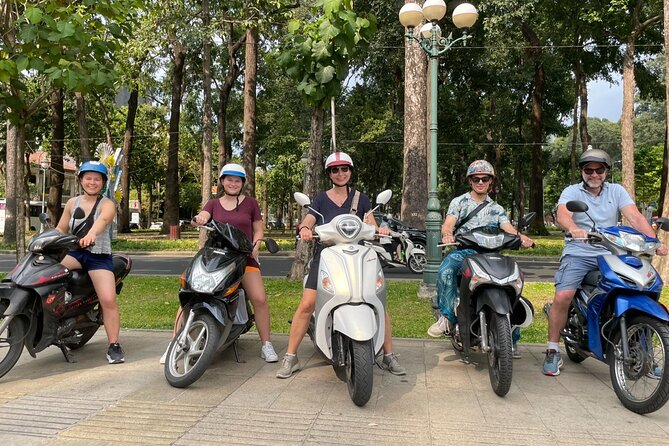
If you’ve landed in Ho Chi Minh City and your brain feels like it needs a map, this is one of the better fixes. Scooters are the city’s default way of getting around, so the ride itself becomes part of the experience. You’re not just “seeing” Saigon; you’re moving the way people move.
The tour is also built for understanding, not collecting photos. You stop often enough to absorb what you’re seeing, but the route keeps you from waiting around. In one morning-style block of time, you get a story arc that jumps between eras: colonial-era structure, wartime memory, and everyday neighborhood life.
You can also read our reviews of more historical tours in Ho Chi Minh City



Getting oriented fast: District 1 and the French-colonial center
The day starts at Saigon Opera House, right in District 1. Hotel pickup is included, so you don’t have to figure out where to be at what time. Either way, it’s a good meeting point because it places you in the historic core right away.
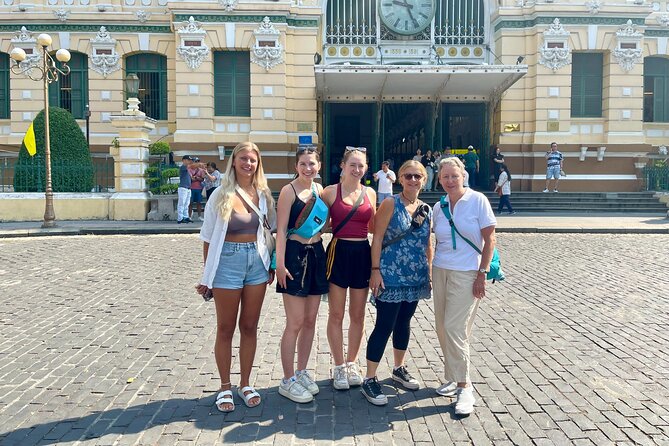
District 1 is where the city’s colonial-era look still shows up in strong lines. You’ll get a guided read on major landmarks, including the Notre Dame Cathedral area and the Saigon Central Post Office neighborhood (the tour focuses on the neo-Romanesque feel of the architecture). The key value here is interpretation: you’re not just looking at buildings, you’re learning what makes that style distinct and how it shaped this part of Saigon.
Practical note: this is a stop-and-look style. If you prefer long museum pacing, this may feel short at each site, but the trade-off is that you keep moving and seeing more of the city’s personality.
Burning Monk Memorial: the photo story behind the emotion
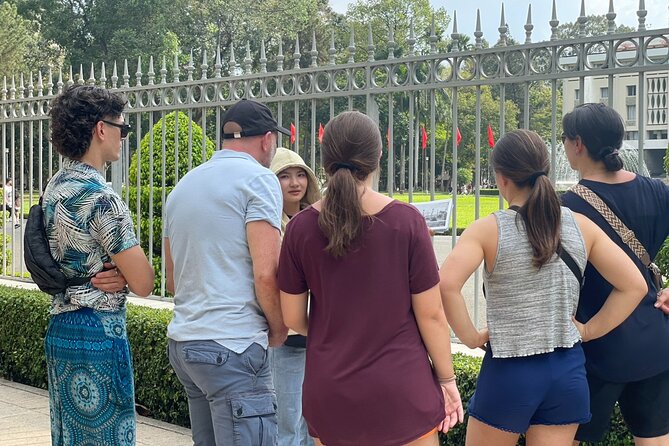
From District 1, the tour shifts toward District 3 for the Burning Monk Memorial. This stop is short, but it carries weight. The guide explains the story behind a world-changing photograph, and that context changes how you process what you see.
This is the kind of stop that can hit harder than you expect. If you’re sensitive to war history, plan for a few quiet minutes where your mind catches up. The good news: you won’t be forced into silence. You’ll get the background you need to understand why this place matters.
Secret-agent energy in District 3: weapon cellar and wartime tunnels
Next comes the most unique theme on the route: a former VC hideout and weapons/tunnels narrative. The tour includes the entrance to the weapon cellar, which is a big difference between a sightseeing stop and a real, lived-in space.
Think of it as history you can physically picture. Even with limited time, the guide helps you understand how secrecy, geography, and survival tactics shaped what happened here. It’s a reminder that history is not just dates and names; it’s also logistics and fear and ingenuity.
The practical upside: this stop is one of the few that feels like you’re stepping into the subject, not just reading about it. If you’re building a mental timeline of Vietnam’s 20th-century conflict, this part does real work.
Coffee stop that teaches more than caffeine
After the war-era focus, the route turns toward something lighter but still cultural: Vietnamese coffee. You’ll learn how to make Vietnam’s sweet, highly caffeinated style, then enjoy a coffee and snack break.
This is a small moment on paper, but it’s a smart one. Coffee is such a daily ritual in Vietnam that it’s a fast way to understand local taste and habits without needing a formal class. And since you’re getting guidance on what to look for and how it’s served, it’s easier to repeat at other cafés later.
One consideration: coffee and food drinks you want beyond what’s described are not included. The tour teaches and stops for it, but you pay for what you order.

District 10 food and market time: wet market and tastings
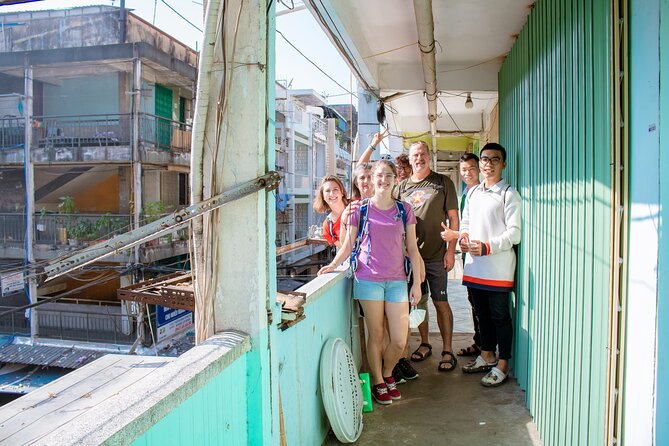
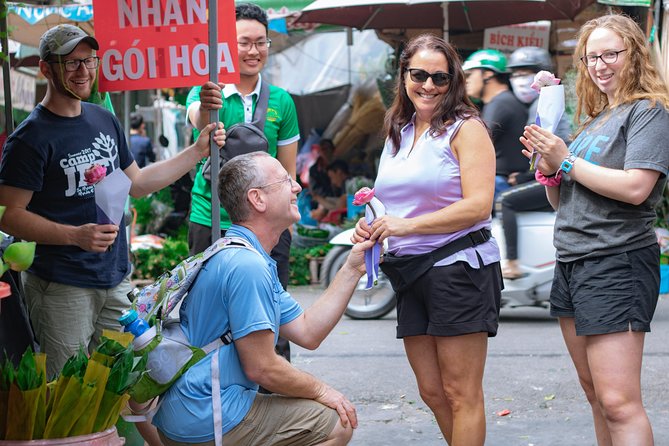
District 10 is where the tour leans into everyday Saigon. You’ll explore a local wet market, with time for sampling treats and getting a guide’s explanation of what you’re seeing. This is especially useful if you don’t speak Vietnamese and you don’t want to stand there guessing what’s safe or worth trying.
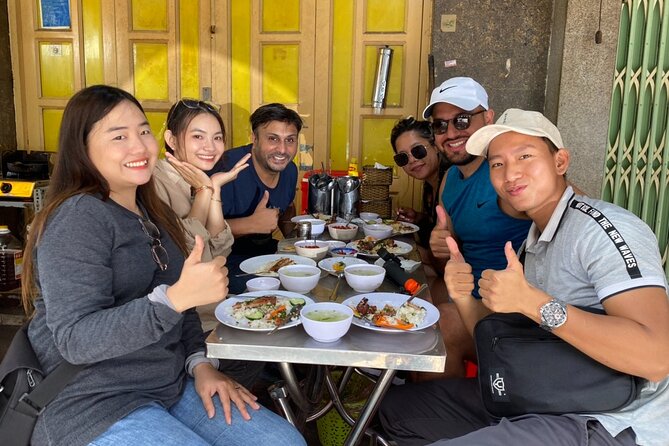
You’ll also spend time at a flower market and then eat lunch. The route gives you a built-in structure: walk, look, taste, then sit down. That beats trying to match market shopping with meal planning while you’re still figuring out the city.
Keep expectations realistic: the market stops are timed. You’re not doing a full shopping expedition. You’re doing a guided taste run that helps you understand the vibe, not exhaust your appetite.
Chinatown and an ancient temple: older faith, lived-in streets
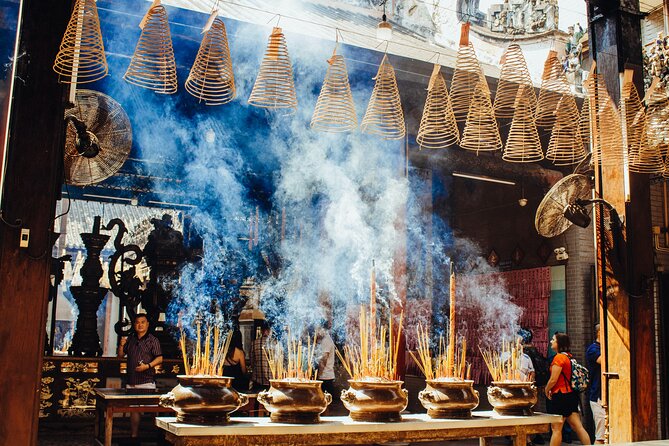
Next up is Chinatown and an ancient temple. This is one of the most interesting contrasts on the route because it brings you into a Saigon section that feels older in spirit even while the city changes around it.
The guide helps frame what you’re seeing, and the stop works best if you let yourself slow down and look at small details. Even when time is limited, the temple environment gives you a pause from traffic and noise. You’ll get a sense of continuity: this is a place where belief isn’t a performance for tourists.
District 5 and the Saigon River drive: a calm ending
The tour finishes with the ride along the Saigon River before drop-off. That final stretch matters more than you might think. After war-era stops and busy market streets, the scenery makes the day feel less like a checklist.
If you want a simple takeaway, it’s this: you end where the city relaxes a bit, even if Saigon never truly slows down.
Price and value: what $33 really buys you
At $33 per person for about 4 hours, this tour is strong value because it includes the big operational pieces that usually cost extra when you book separately. You get a private scooter setup (with helmets and fuel), an English-speaking guide, bottled water, and the weapon-cellar entrance.
What you pay extra for is mostly food and drinks you personally choose at stops. Coffee/tea and meals aren’t included, and that’s worth knowing upfront so you don’t get surprised later. Still, it’s often easy to keep spending reasonable because the tour time is structured and the guide points you toward what fits the moment.
In short: you’re paying for guided movement, safety support, and access. You’re not paying for unlimited eating.
Safety and pacing: how I’d plan for the scooter part
Scooter tours can feel intimidating before you try them. The best thing you can do is go in knowing you’re riding with a driver who’s used to the flow of the city. Helmets are provided, and the tour setup is designed for first-timers as well as regular riders.
Also: this isn’t an all-day stamina test. It’s a timed route with frequent stops, so you’re not stuck riding for hours without breaks.
My practical suggestion: wear comfortable shoes and clothes you can move in. If you like to use it, you’ll have access to a face mask as well.
Who should book this tour, and who should skip it
This works well for you if:
- You want a guided intro to Saigon across multiple districts in one half-day
- You’re interested in Vietnam War-era context, not just general sightseeing
- You like learning how everyday life works, through markets and coffee routines
- You’d rather pay for guided logistics than spend your first day figuring out routes
Skip or rethink if:
- You strongly prefer walking only and hate scooter traffic
- You want long stops in one museum-like location instead of shorter interpretive moments
- You don’t want any war-related content, even with guided context
The guides: names you might recognize from past groups
Part of what makes this tour feel smooth is the human side. Past groups have been led by guides such as Kien, Harry and Helen, Eli and Tracy, Jasmine and Ben, Emmy, Hani, Teo, and Binh. That variety matters because the tour style stays consistent—clear explanations, active pacing, and safety-first scooter driving—no matter who’s behind the handlebars.
If you’re choosing this tour because you want good English and patient explanations, you’re in the right place.
FAQ
FAQ
How long is the Saigon scooter sightseeing tour?
It runs about 4 hours.
What does the tour cost?
The price is $33 per person.
Where does the tour start?
The start point is near the Saigon Opera House in District 1.
Is hotel pickup included?
Yes, hotel pickup is included.
Is this a private tour?
Yes. It’s private, and only your group participates.
What’s included with the scooter tour?
You get a private scooter, helmets, fuel, bottled water, and an English-speaking guide. The entrance to the weapon cellar is also included.
Do I need to pay for coffee and food?
Coffee, tea, and any food and drinks you want to try are not included, so you pay for what you choose during those stops.
Is it safe if I’ve never ridden a scooter before?
Most travelers can participate, and the setup includes helmets plus guides who ride with you. If you’re nervous, tell your guide early and follow their instructions.
What if the weather is bad?
The experience requires good weather. If it’s canceled due to poor weather, you’ll be offered a different date or a full refund.
Should you book this Saigon Unseen history scooter tour?
If you want Saigon with context, this is one of the smarter first-timers choices. You get district-to-district movement, plus a rare wartime theme with the weapon-cellar entrance, and you still get practical everyday stops like wet markets and coffee.
Book it if your ideal day is guided, fast-moving, and story-driven. Skip it if scooters stress you out or if you want only light, feel-good sightseeing. For most people, this hits the sweet spot: you cover a lot, you learn a lot, and you leave with a clearer picture of the city in your head.