REVIEW · HO CHI MINH CITY
Cu Chi Tunnels Guided Tour: Vietnam War History Half-Day
Book on GetYourGuide →Operated by SST Travel · Bookable on GetYourGuide
Cu Chi feels close to the past. This half-day Cu Chi Tunnels tour uses an A/C bus from Ho Chi Minh City, then gives you tunnel time with wartime stories from an English-speaking guide. You’ll also have the optional chance to crawl through a section of the tunnel, which is a powerful way to understand what life underground meant. One key consideration: the experience involves tight, claustrophobic spaces, so it’s not for people with claustrophobia.
I like that the day is built for real schedules. You can pick a morning or afternoon departure, and the pacing is steady enough to still enjoy the rest of your day afterward.
For value, it’s hard to complain at this price point. You’re getting round-trip transport, a site entrance ticket, an English guide, and small comforts like hot tea, bottled water, and a snack. Still, lunch isn’t included, so plan around that.
In This Review
- Key things I’d circle before you book
- The A/C bus ride that turns a detour into a day
- Tunnel time: traps, bunkers, and that optional crawl
- Guides who make the war make sense (and sound human)
- What else you’ll see: weapons displays and a lacquer-painting stop
- Price and logistics: why $16 can feel unusually fair
- What to pack and how to dress for a tunnel crawl
- Morning vs afternoon: picking the right slot for your itinerary
- Is this tour right for you?
- FAQ
- How long is the Cu Chi Tunnels guided tour?
- Is hotel pickup and drop-off included?
- Do I have time to buy lunch?
- Is the tunnel crawl optional?
- What’s included in the price besides transportation?
- What should I bring for the tour?
- Is the tour safe if I’m claustrophobic?
- Is there a restroom stop or cultural stop during the tour?
Key things I’d circle before you book
- Half-day timing with two departure windows so you can match it to museums, markets, or an airport day.
- A/C transport from central Ho Chi Minh City, which saves energy after the city’s traffic chaos.
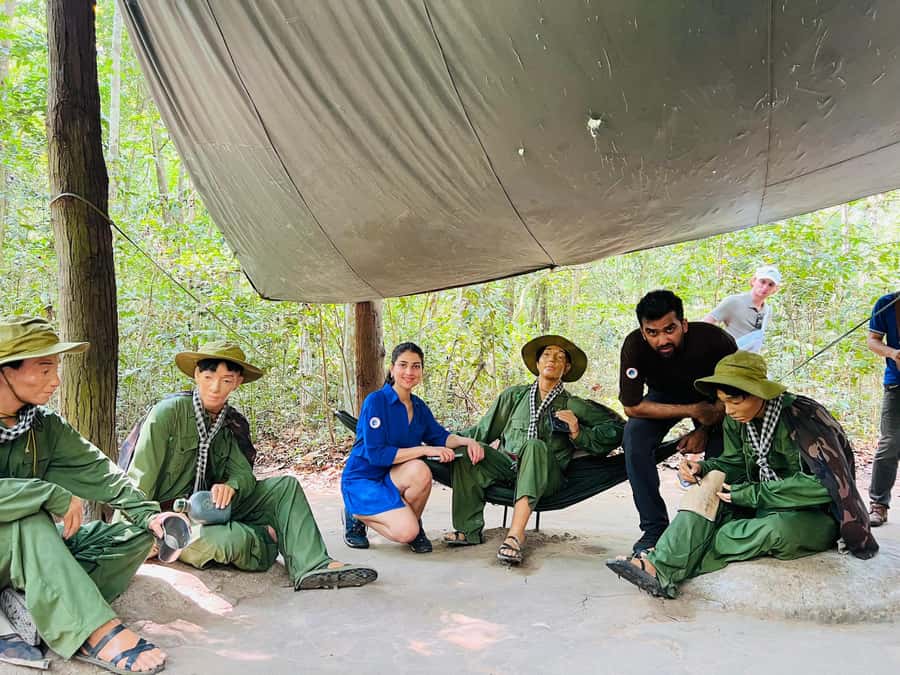
- Original tunnel sections and wartime “how it worked” stops (trapdoors, bunkers, improvised hospital/kitchen areas).
- English guide storytelling that connects the tunnels to daily life, not just dates and facts.
- Optional tunnel crawl, often short, but definitely tight—wear the right shoes and expect steps.
- Included extras like hot tea, tapioca, bottled water, and wet tissue; plus a planned restroom break with an art exhibition.
The A/C bus ride that turns a detour into a day
The tour starts by pulling you out of the noise of Ho Chi Minh City with air-conditioned vehicle service and hotel pickup/drop-off based on your selected option. That matters more than it sounds. Cu Chi isn’t next door, and having transport organized means you spend your energy on the site, not on logistics.
The ride itself is part of the setup. Your guide will share Vietnam War context on the way—why the Cu Chi area became such a symbol of resistance, and what the tunnels were used for beyond simple hiding. When you arrive, you’re not just looking at holes in the ground. You’re seeing a system.
Timing is straightforward. The morning tour runs about 7:30 AM–2:30 PM, and the afternoon tour runs about 12:30 PM–7:30 PM. If you want a clean schedule, morning is usually easier for finishing early and doing something else later. If you prefer slower starts, the afternoon window works well.
You can also read our reviews of more guided tours in Ho Chi Minh City


Tunnel time: traps, bunkers, and that optional crawl
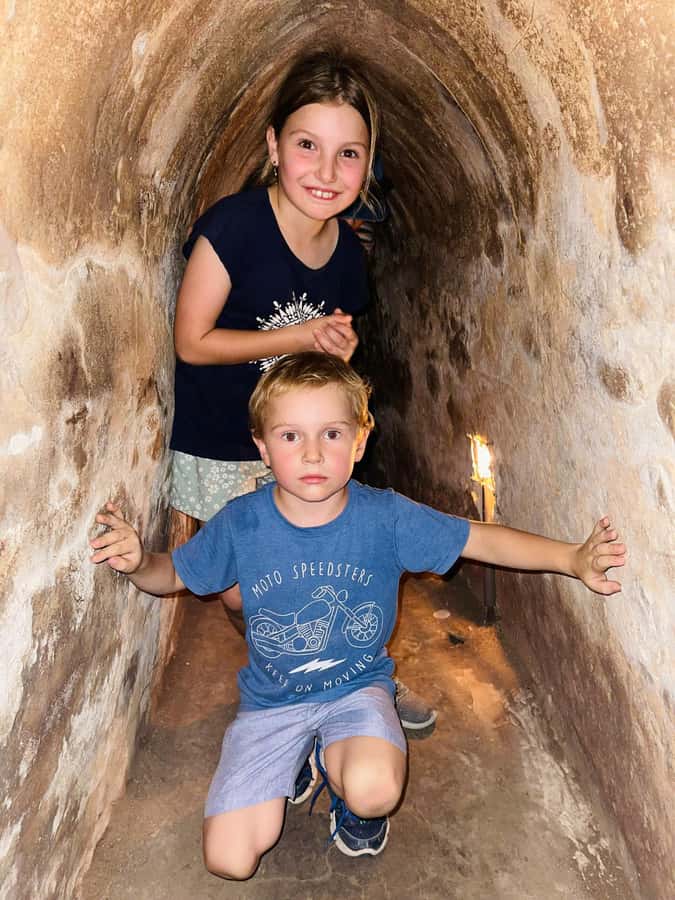
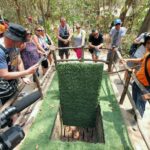
At Cu Chi, you’re guided through a preserved section of a much larger tunnel network. The key word here is preserved: this isn’t a staged movie set. It’s an area that helps you picture how fighters moved, lived, and survived underground.
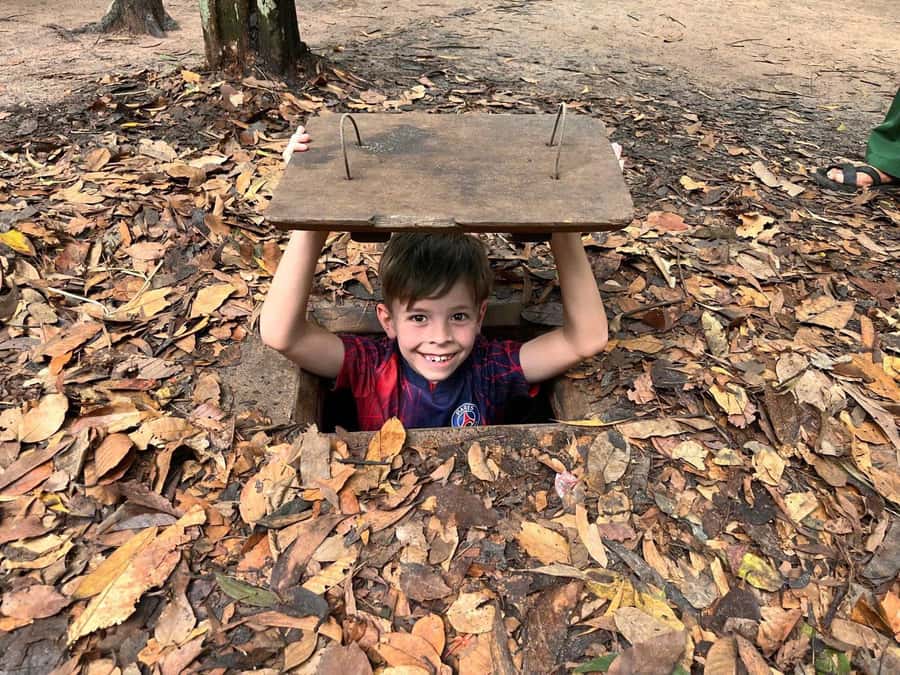
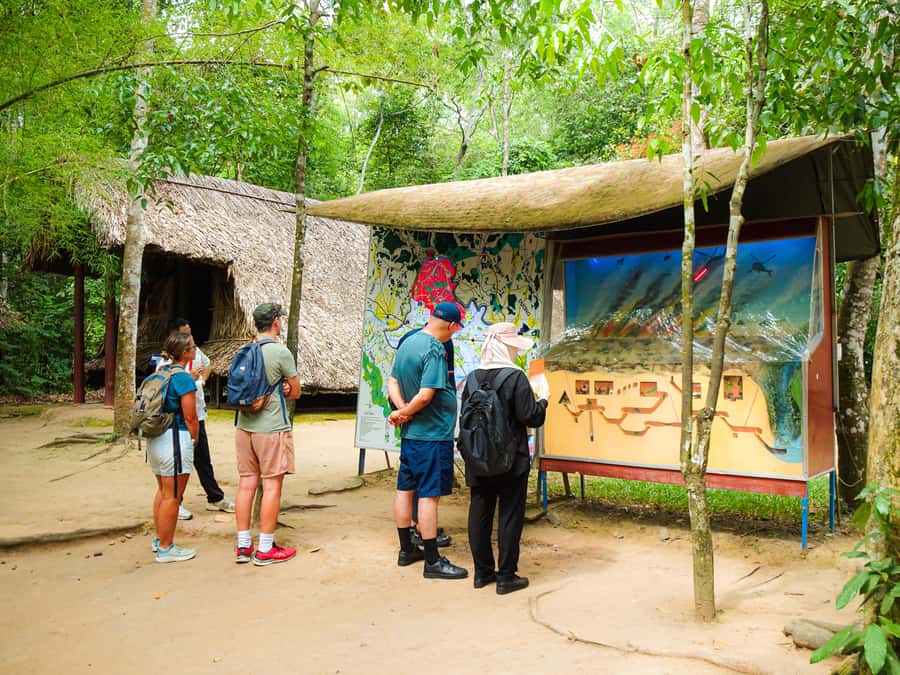
You’ll see practical, unsettling features: trapdoors, underground bunkers, and areas presented as improvised hospitals and kitchens. There are also displays of weapons and booby traps, plus explanations of how these elements fit into everyday survival. A good guide helps you read the space like a map—why certain sections were built the way they were, and what that meant on the ground.
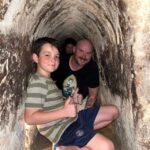
Then comes the moment that many people remember most: the optional crawl through a tunnel section. One guest noted the crawl was about 10 meters and that it’s “up and down steps” but well lit. In plain terms: it’s not a long endurance test, but it is tight and physical. Go in expecting to use your hands, keep your head low, and move slowly.
If you know you’re prone to panic in confined spaces, skip the crawl. The tour itself says it’s not suitable for claustrophobia, and it’s not the kind of place where you can fake confidence.
Guides who make the war make sense (and sound human)
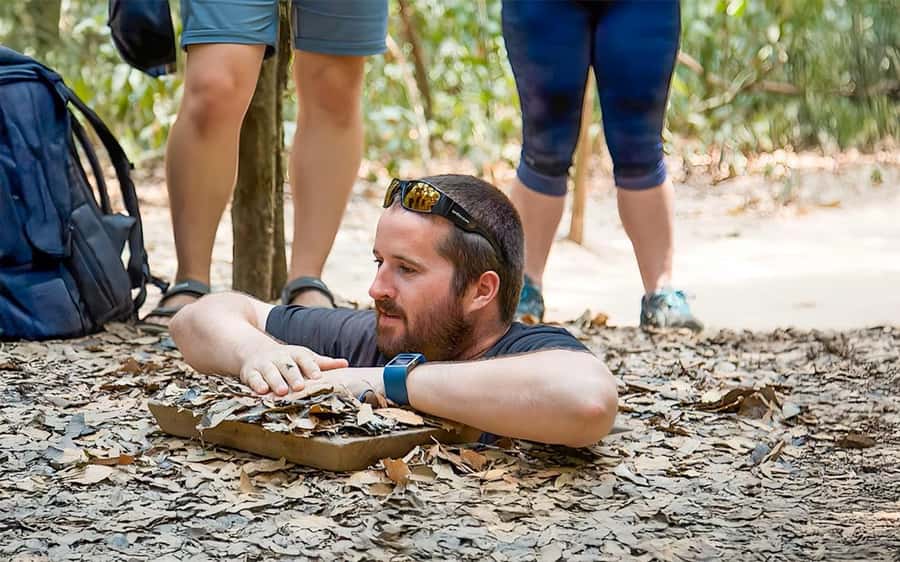
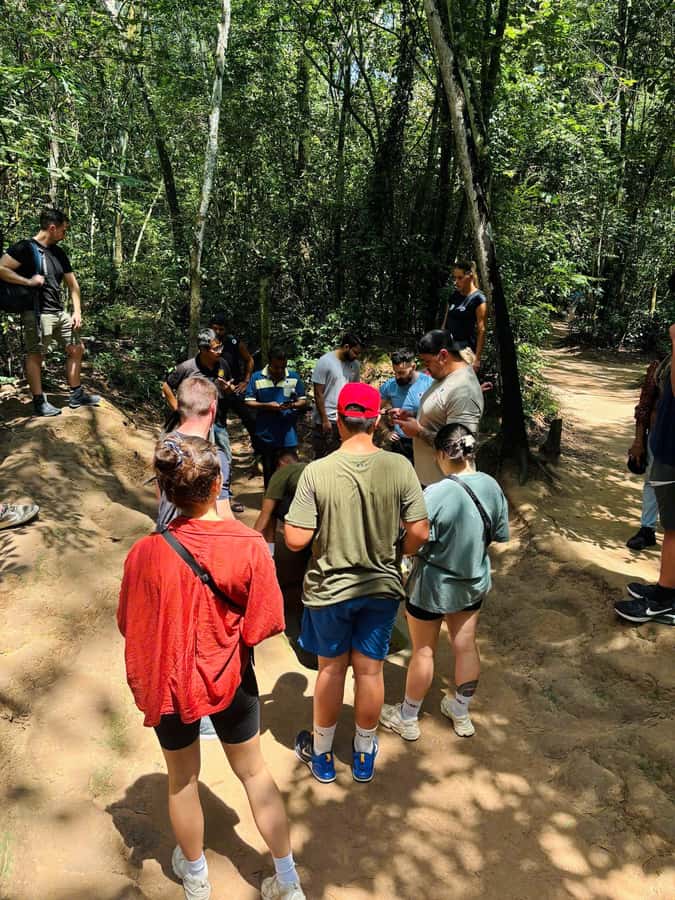
A big part of the value is the English-speaking guide. These guides don’t just point at objects. They turn the tunnels into a story with cause and effect: how the tunnels supported resistance, and what underground life required from the people using it.
In the real world, the guide experience varies by person and personality, but the common thread is strong storytelling. You might get guides such as Khoa, Lenny, Bao, Robert, Rick, Khang, Kyle, Kevin, or Halley. Names aside, the pattern you’ll want is clear explanations and room for questions.
If you care about context, pay attention to how the guide connects the tunnels to Vietnam’s broader wartime life. One guide story included personal anecdotes and even day-to-day details about people who lived there. Another mentioned practical explanations for features like trap areas and how movement was managed.
Small detail, big payoff: a number of guides also helped with onward plans. One person said their guide dropped them closer to the War Remnants Museum area so they could keep exploring after the tour. That’s not guaranteed, but it’s a nice reminder that the route is often planned around central landmarks.
What else you’ll see: weapons displays and a lacquer-painting stop
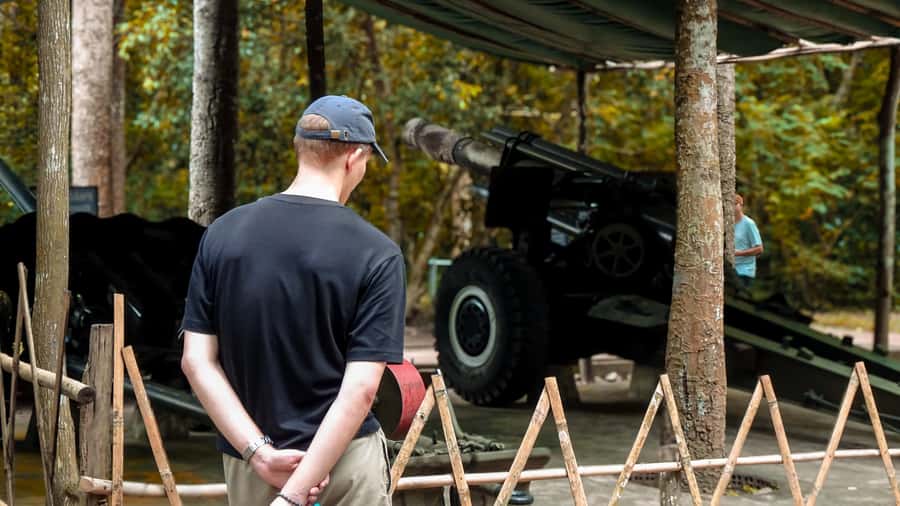
Cu Chi isn’t only about the tunnel crawl. You’ll also walk through sections that show the broader system around the tunnels—weapon-related displays, trap examples, and explanations tied to wartime tactics and survival.
One planned pause is a restroom break that includes a visit to an art exhibition featuring traditional lacquer paintings. You can buy art if you want, but it’s not mandatory. Think of it as a short reset before the main site time continues.
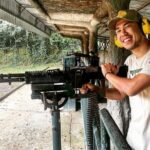
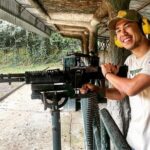
Depending on the departure and what’s available, some groups may also include extra cultural stops beyond the core tunnel visit. A couple of guests mentioned stops such as a local workshop related to mother of pearl artwork and, separately, an AK47 shooting experience. Those sound like add-ons rather than core inclusions, so if that matters to you, ask before you go and confirm what’s scheduled for your exact option.
Price and logistics: why $16 can feel unusually fair
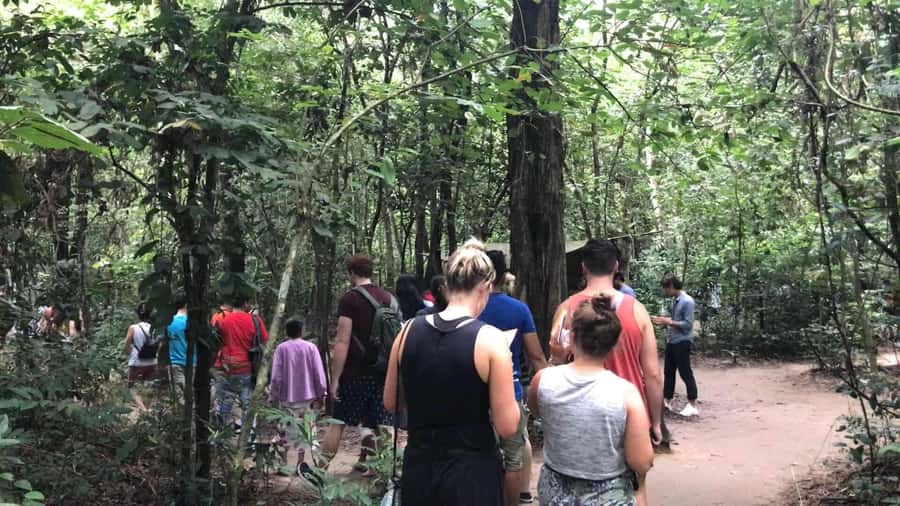
At $16 per person, the big question is what you’re really paying for. Here’s the practical answer: you’re not just buying entry to a site. You’re buying transport from central Ho Chi Minh City, a Cu Chi entrance ticket, an English guide, and basic on-tour support (hot tea, tapioca, bottled water, and a snack).
That package is the main reason this price feels fair. Many half-day tours focus on the site and leave you to figure out transport or add-ons. This one folds those pieces together, so the day stays simple.
Group size changes the vibe. A small group option caps at 16 people, which usually means you get more direct interaction with the guide and more breathing room for questions. A larger group option can go up to 35 people, which often lowers the price per person and adds a social feel. Either can work. If you like asking lots of questions, small is worth it.
One more logistics note: pickup times are approximate, and the guide may arrive a bit earlier or later. Also, the tour notes that if you’re within 10 minutes late, your booking can be canceled without refund. That’s the rare case where punctuality matters a lot, so set yourself up to be ready.
And yes, there are holiday surcharges of 100,000 VND on specific dates (01–03/02/2025, 29/04–02/05/2025, 02/09/2025, and 31/12–01/01/2026). If you’re traveling during those periods, factor it in so you’re not surprised when you pay on-site.
You can also read our reviews of more historical tours in Ho Chi Minh City





What to pack and how to dress for a tunnel crawl
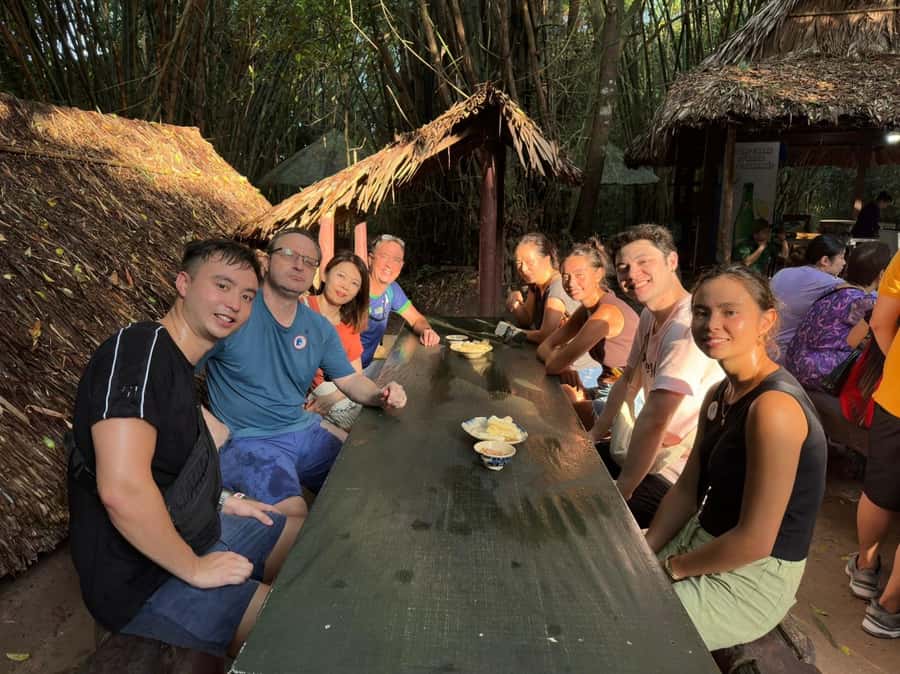
The tour gives you bottled water and wet tissue, which helps in the heat. Still, you should plan for comfort and movement.
Bring:
- Comfortable shoes (you’ll be walking and moving in uneven spaces)
- A hat (shade helps before and after tunnel sections)
- A camera (there’s time to view the displays)
- Water and comfortable clothing
A few practical tips if you plan to crawl:
- Wear shoes you can keep stable in small steps and tight corners.
- Expect to move slowly. Rushing is how you scrape knees and lose balance.
- If you’re sensitive to confined spaces, don’t “test it.” Sit out the crawl and focus on the surface explanations and displays.
Also note the tour doesn’t allow smoking. Simple rule, but it helps keep the day smoother.
Morning vs afternoon: picking the right slot for your itinerary
Choose the morning tour if you like getting a big cultural stop done early. You’ll finish around 2:30 PM and then have the afternoon free for things like museums, a food-focused walk, or just time to recover from travel days.
Choose the afternoon tour if you have mornings planned or you prefer a late start. It runs until about 7:30 PM, so it can work nicely for people who don’t want to rush out too early.
Either way, the half-day format is the point. This isn’t a full day of wandering and waiting around. It’s structured time to get to Cu Chi, learn what you came for, and return with enough daylight options remaining.
Is this tour right for you?
Book this tour if:
- You want a guided, story-focused introduction to Cu Chi that fits into a half day.
- You like learning through human explanations, not just reading plaques.
- You’re comfortable with the idea of crawling through a short tunnel section (or you’re happy to skip the crawl).
Skip or reconsider if:
- You have claustrophobia or you know tight spaces will stress you out.
- You’re traveling with the expectation of a relaxed, leisurely walk only—this site involves steps and a physical element.
Also, a gentle expectation-setter: even with a great guide, this is still a war site. It’s meant to be respectful and reflective. If you go in with that mindset, the experience lands harder in a good way.
FAQ
How long is the Cu Chi Tunnels guided tour?
It’s a half-day tour with two options: morning (about 7:30 AM–2:30 PM) or afternoon (about 12:30 PM–7:30 PM).
Is hotel pickup and drop-off included?
Yes. The tour includes hotel pickup and drop-off based on the selected option.
Do I have time to buy lunch?
Lunch is not included, so you’ll need to plan for food outside the tour.
Is the tunnel crawl optional?
Yes. Crawling through a section of the tunnel is listed as optional.
What’s included in the price besides transportation?
The inclusions listed are the Cu Chi entrance ticket, an English-speaking guide, tapioca and hot tea, a snack, bottled water, and wet tissue.
What should I bring for the tour?
Bring comfortable shoes, a hat, a camera, water, and comfortable clothes.
Is the tour safe if I’m claustrophobic?
No. The tour is not suitable for people with claustrophobia.
Is there a restroom stop or cultural stop during the tour?
There is a restroom break where you’ll also see an art exhibition featuring traditional lacquer paintings. Purchasing is not mandatory.