REVIEW · HO CHI MINH CITY
Coffee Workshop in Ho Chi Minh City: Discover the art of coffee
Book on Viator →Operated by iO Specialty Coffee · Bookable on Viator
Vietnamese coffee tastes better when you know why. In Ho Chi Minh City, this 2-hour class at iO Specialty Coffee walks you from coffee cherries to brewing a cup with a traditional phin. I love the hands-on roasting and tasting, and I love how you learn to spot high-quality green beans instead of guessing. One caution: if you want casual, purely lifestyle tips, this workshop can feel pretty technical, and clarity can depend on the instructor’s English.
The setup is practical and friendly. The group is capped at 15, so you get real interaction, not just watching. You’ll work through coffee farming basics, processing, roasting levels, cupping, and then finish with a cup you can actually recreate at home using Fine Robusta.
In This Review
- Key things I’d highlight before you go
- Coffee in Ho Chi Minh City: why Vietnamese Robusta is the point
- Meeting at iO Specialty Coffee: simple start, short duration, real momentum
- Farming and processing: cherries, green beans, and spotting quality fast
- Roasting hands-on: three levels that teach you what you like
- Cupping: tasting across roast levels like you mean it
- Brewing Vietnamese phin coffee: the practical skill you take home
- Price and value: is $71 a fair deal for two hours?
- Who this workshop fits best (and who might want to skip)
- Should you book the Coffee Workshop in Ho Chi Minh City?
- FAQ
- How long is the coffee workshop in Ho Chi Minh City?
- What does the workshop cost?
- Where does the workshop start?
- How many people are in the group?
- What will I do during the class?
- Do I brew coffee during the workshop?
- Is the workshop focused on Robusta coffee?
- Do I get a ticket for the workshop?
- When do I get confirmation for booking?
- What is the cancellation policy?
Key things I’d highlight before you go
- Small-group format (max 15) helps you ask questions and actually handle the coffee.
- Hands-on roasting and cupping means you taste the differences instead of memorizing them.
- Three processing methods demo shows how cherry processing changes flavor.
- Three roast levels tasting helps you find what you personally like.
- Traditional Vietnamese phin brewing is the practical skill you take home.
Coffee in Ho Chi Minh City: why Vietnamese Robusta is the point
Vietnam grows a lot of coffee, and you’ll feel that fast once you start asking questions at cafés. What surprised me is how much of the story is about choices: cherry handling, roasting decisions, and brewing style. This workshop keeps the focus where it belongs, on Vietnamese Robusta—especially the kind labeled Fine Robusta—and on what those choices do to the flavor in your cup.
If you only order Vietnamese coffee and call it a day, you’ll still taste something good. But once you learn how the green bean quality is judged and how roasting levels change aromas and strength, your café orders get smarter. You’ll start asking the quiet questions: Why does this cup taste smoother? Why is that one sharper? And why does Robusta show up as thick body instead of a delicate, light sip?
This is also a good match if you’re the type who enjoys process. You’ll be doing more than sipping. You’ll be learning how the coffee goes from farm steps to your glass.
You can also read our reviews of more city tours in Ho Chi Minh City

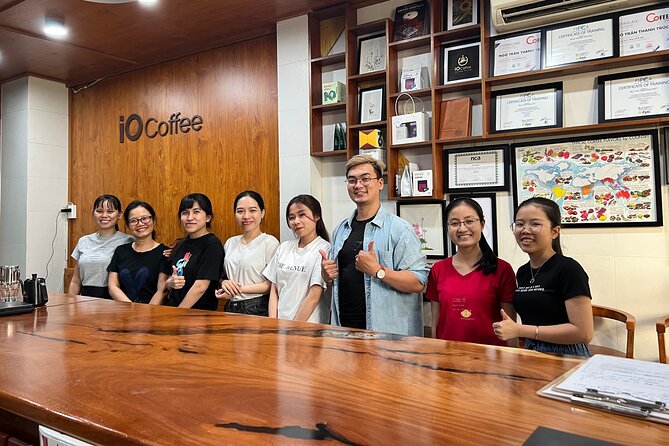
Meeting at iO Specialty Coffee: simple start, short duration, real momentum
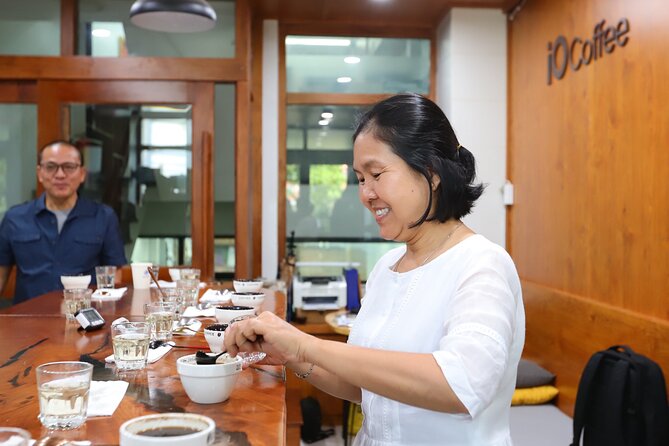
Your session meets at Signature M7, Lobby Block A (District 7, Ho Chi Minh City). You’ll get a mobile ticket, and the class ends back at the meeting point. It’s designed to fit into a busy day: plan for roughly two hours and then you can continue exploring the city right after.
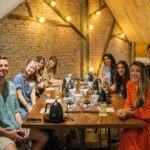
Because the group is limited to 15, the instructor can slow down when questions show up. That matters with coffee. People get tripped up by tiny details like grind, contact time, and how you interpret what you’re tasting. In a large class, those details disappear. Here, they stay in focus.
Also, since the activity is near public transportation, you’re not forced into a long detour. That’s a small thing, but it adds up when you’re planning a tight HCMC itinerary.
Farming and processing: cherries, green beans, and spotting quality fast

This is where the class becomes more than a coffee chat. You start with what happens before the coffee ever hits a roaster: harvesting, selecting, and processing ripe cherries. Even if you’ve seen coffee farms in photos, you likely haven’t done the hands-on part—learning the structure of ripe coffee cherries and how that ripeness matters.
You also get a small-scale demonstration of three different processing methods. That’s important because processing is one of the biggest drivers of flavor differences in coffee. Two coffees can come from similar plants, yet taste very different just because the cherries were handled in different ways after picking.
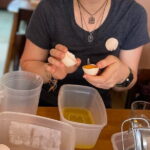
Then comes the hands-on quality check. You’ll learn how to distinguish low-quality coffee and personally select green beans to eliminate defective ones. You’re not just told what to do—you’re doing it. And once you’ve picked out bad beans yourself, you’ll stop trusting blind luck at home. You’ll understand why sorting exists in the first place.
One practical benefit: this section gives you a vocabulary for what you’re tasting later. When you hit the roasting and cupping parts, you’ll be able to connect cause and effect instead of collecting flavors like souvenirs.
Roasting hands-on: three levels that teach you what you like
After the green bean stage, you shift into roasting. This is not a passive demo. You get hands-on experience with roasting, and you’ll explore nuances through three roasting levels. The point isn’t to turn you into a commercial roaster. The point is to teach you how roast level changes aroma, body, and overall taste.
Roasting is where lots of coffee lessons go vague. People say dark roast tastes strong, light roast tastes mild, and then everyone leaves still confused. Here, you taste across roast levels and learn how those changes relate to flavor.
You also get a chance to identify your own preferences. That matters because coffee is personal. Some people want sharp clarity. Some want heavy, chocolatey body. Some want something balanced that works with sweetened condensed milk. This workshop doesn’t force one style; it helps you notice your own direction.
One note to keep your expectations grounded: this class is heavily structured. If you come wanting quick casual tips for a single drink, you might find it a bit “serious” in how it teaches. If you come wanting to understand why, you’ll appreciate the method.
Cupping: tasting across roast levels like you mean it
Cupping is the tasting format used when you want to compare coffees in a consistent way. In this class, you do exploration through tasting sessions and you taste coffee with different roast levels. It’s a built-in reality check: you can’t just rely on first impressions or what you assume will happen.
Cupping also trains your senses. You learn to pay attention to aroma and then move into flavor. Even without turning you into a professional taster, it gives you structure. That structure makes your future café tastings easier, because you’ll have a checklist in your head.
And it makes the later brewing step more satisfying. When you brew your phin cup at the end, you won’t just think, That tastes good. You’ll think, This tastes like the roast level I preferred in the tasting stage, and I can explain why.
You can also read our reviews of more tours and experiences in Ho Chi Minh City
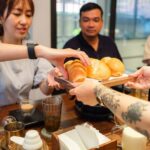
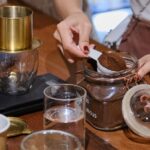

Brewing Vietnamese phin coffee: the practical skill you take home
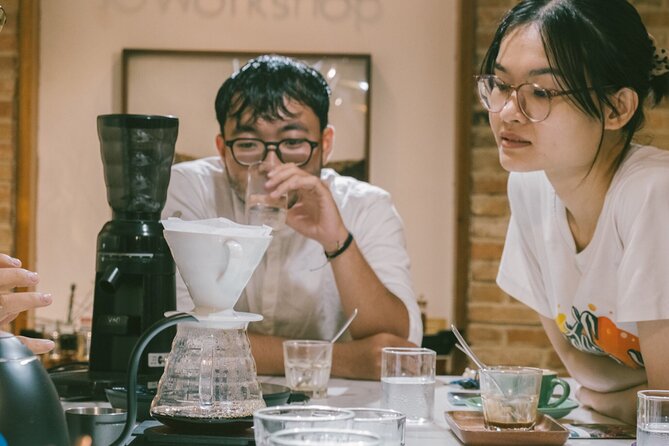
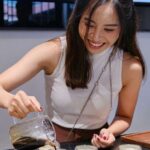
This is the signature move: mastering Vietnamese brewing with a traditional phin filter. You get the background on the history of traditional Vietnamese phin coffee, then you practice brewing an authentic cup of Vietnamese phin-style coffee.
What I like here is that the workshop doesn’t treat phin brewing as a mysterious ritual. You learn a method you can repeat. You’ll use Fine Robusta, and the workshop’s overall goal is that you can make Vietnamese coffee at home after the class ends.
Why phin matters: it’s a brewing style built around slow extraction. With Robusta, that slow contact is part of why the cup can come out with that thick body people associate with Vietnamese-style coffee. Once you understand the mechanics, your results become less random.
Also, if you’ve ever wondered why some phin coffees taste balanced while others taste rough or too bitter, this is where you get the missing pieces. You’re not just learning recipes—you’re learning how brewing technique affects flavor.
Price and value: is $71 a fair deal for two hours?
At $71 for about two hours, the price is in the “worth it if you care” range. Here’s why I think it can be good value.
First, the class includes multiple active parts, not just one tasting. You get green bean handling and selection, processing methods, hands-on roasting, cupping/tasting sessions, and finally brewing with a phin filter. That’s a lot of “do it yourself” time packed into a short session.
Second, the group size limit (max 15) improves value because it supports interaction. You can ask questions and adjust technique rather than watching from the sidelines. And in smaller groups, the learning can get even more personalized.
Third, it teaches something you can replicate. The most common problem with paid tours is that they end and you never use the knowledge again. Here, you leave with a method you can use at home for Vietnamese-style coffee.
If you’re only seeking a casual drink and a quick photo moment, you might find it pricey. But if you want a repeatable skill and a clearer sense of what you’re tasting, it’s a solid buy.
Who this workshop fits best (and who might want to skip)
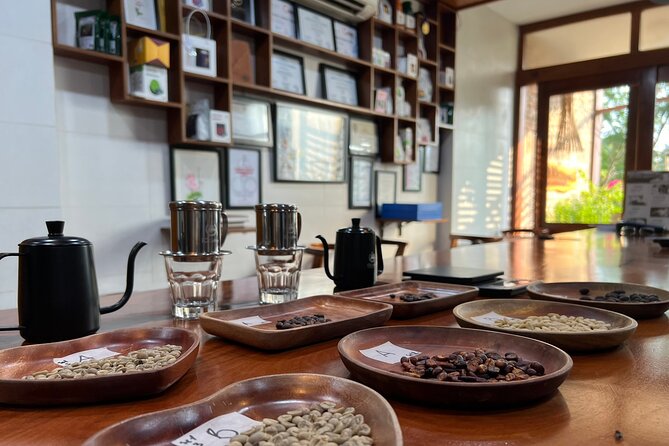
This experience is best for people who enjoy hands-on learning. If you’re curious about how coffee quality is judged, how roasting level changes flavor, and how Vietnamese phin brewing works, you’ll get a lot out of it.
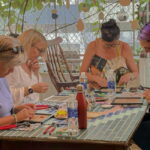
It can also be a good fit for couples or friends who like to compare tastes. Coffee gives you a natural way to talk through differences.
If you’re the type who wants only quick, non-technical instructions for one simple cup, the structured approach may feel intense. One more consideration: English clarity can vary by instructor, so if you rely heavily on spoken explanation, it’s smart to keep an eye on that and ask questions when you can.
Should you book the Coffee Workshop in Ho Chi Minh City?
I’d book it if you want more than a café stop. This class gives you the practical “from farm to cup” chain in about two hours, with actual hands-on roasting, cupping, and phin brewing. The small group size and the focus on Fine Robusta make it feel like an intentional coffee skill session, not a generic introduction.
You should skip or rethink if you’re looking for a low-effort, casual experience. The workshop has a technical, structured feel, and if your goal is just a quick taste, you might be paying for learning you don’t plan to use.
If you do book, go hungry for details. Bring questions like: What roast level do you prefer and why? How does processing change what you taste? Then you’ll leave with a cup that makes sense.
FAQ
How long is the coffee workshop in Ho Chi Minh City?
It runs for about 2 hours.
What does the workshop cost?
The price is $71.
Where does the workshop start?
The meeting point is Signature M7, Lobby Block A in District 7, Ho Chi Minh City.
How many people are in the group?
The workshop has a maximum of 15 travelers.
What will I do during the class?
You’ll cover coffee harvesting and selection, green bean processing methods, hands-on roasting, cupping/tasting, and brewing traditional Vietnamese phin coffee.
Do I brew coffee during the workshop?
Yes. You’ll brew an authentic cup of Vietnamese phin coffee by the end.
Is the workshop focused on Robusta coffee?
Yes, the class focuses on Vietnamese Robusta, including Fine Robusta coffee beans.
Do I get a ticket for the workshop?
Yes, you’ll receive a mobile ticket.
When do I get confirmation for booking?
Confirmation is received at the time of booking.
What is the cancellation policy?
You can cancel for a full refund if you cancel at least 24 hours before the experience starts. If you cancel within 24 hours, the amount paid is not refunded.