REVIEW · HO CHI MINH CITY
Fun & Easy Vietnamese Coffee Workshop in Hồ Chí Minh City
Book on Viator →Operated by Lacàph Coffee Experiences · Bookable on Viator
Vietnamese coffee gets fun fast. This hands-on workshop at Lacàph Coffee Experiences turns you into the brewer, not just the taster, with three drinks built around traditional methods. I like that you get to make and drink your own phin-style coffee (plus tea and snacks), and I also like the payoff at home because the class focuses on real technique, not vague tips. One thing to consider: it’s not designed for everyone, since it’s not recommended for vegan travelers and it’s also flagged for lactose intolerance.
You’ll start at Lacàph in Quận 1 and spend about 1 hour 30 minutes learning the flow of Vietnamese coffee making, from prep to pouring to finishing touches. The group stays small (max 18), and you can choose morning or afternoon, which helps if your day is packed with other Saigon classics. If you’re the kind of coffee lover who wants to understand what you’re tasting, this is a very practical class.
In This Review
- Key Highlights Worth Targeting
- Price and What You Really Get for $23.35
- Finding the Lacàph Workshop Up in Quận 1
- The 90-Minute Flow: How the Class Actually Works
- The Phin Method: The Technique You’ll Keep
- Bạc Xỉu: A Classic You Learn by Making
- Cà Phê Muối: Why Salt Coffee Isn’t a Joke
- Phin Con Panna: Yogurt and Honey as the Future of Saigon Coffee
- What You’ll Take Home: Recipes, Certificate, and Buying Gear
- Who Should Book This Coffee Workshop (and Who Might Skip It)
- Morning vs Afternoon: Picking the Best Slot for Your Day
- Small Group Size: Why Max 18 Matters
- FAQ
- FAQ
- How long is the Vietnamese coffee workshop?
- What drinks will I learn to make?
- What’s the meeting point address?
- Is the class limited to a small group?
- Does the price include food and drinks?
- Is this workshop suitable for vegans or lactose intolerance?
- Do I get anything to take home?
- Should You Book It?
Key Highlights Worth Targeting
- Three specific drinks: Bạc Xỉu, Cà Phê Muối, and Phin Con Panna
- Hands-on brewing with the phin setup, so you practice technique step by step
- Included tea, coffee, and snacks so you don’t leave hungry or thirsty
- Guides with real teaching energy, including instructors like Quan, Noah, Julie, Giao, and Joey (your session may vary)
- You can take the method home, with recipes and a completion certificate
Price and What You Really Get for $23.35
At $23.35 per person, this workshop sits in the “surprisingly solid value” zone for Ho Chi Minh City. The price isn’t just paying for a quick tasting. You’re paying for time, instruction, and ingredients, and the class feeds you along the way with coffee, tea, and snacks included.
What makes it feel like good value is that you don’t just watch. You do the brewing. Several people specifically called out the instructions as clear and the experience as truly hands-on, including buying equipment afterward because they learned enough to repeat it at home.
You also get a tangible finish. One review mentioned getting recipes and a completion certificate, which is a small thing, but it helps you remember the steps when you’re back in your kitchen.
You can also read our reviews of more city tours in Ho Chi Minh City

Finding the Lacàph Workshop Up in Quận 1
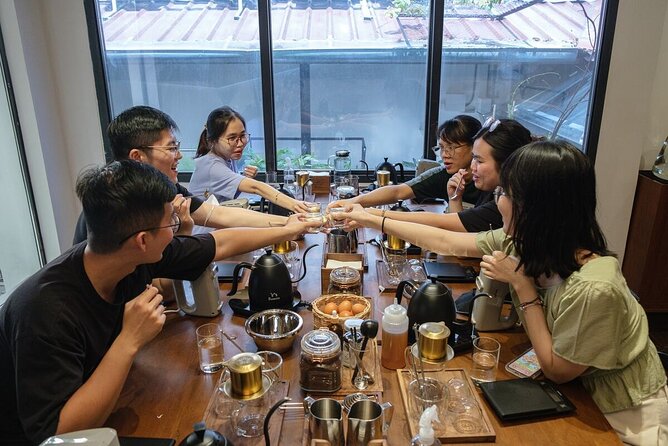
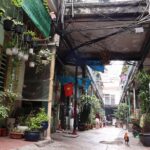
Your meeting point is at Lacàph Coffee Experiences SpaceUpstairs, 220 Nguyễn Công Trứ, Phường Nguyễn Thái Bình, Quận 1. In plain terms: it’s easy enough to reach in central Saigon, and the activity is noted as being near public transportation.
A couple of practical notes based on what people shared:
- The location is part of a multi-level setup, and one person described the 2nd floor as a café and a higher floor as the work area.
- More than one review hinted that the place can be easy to miss if you’re looking only for a street-level sign. So give yourself a couple extra minutes to spot the right entrance.
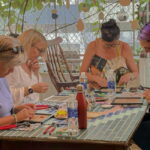
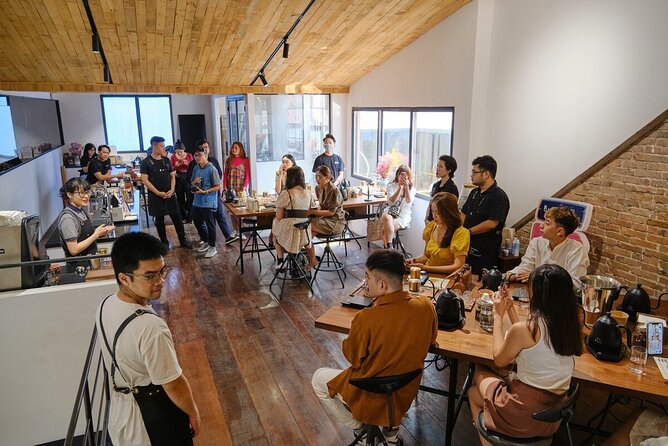
Once you’re inside, the vibe is modern and relaxed. Several reviewers mentioned the setup felt nice and organized, which matters because coffee classes go smoother when you’re not fighting for space or equipment.
The 90-Minute Flow: How the Class Actually Works
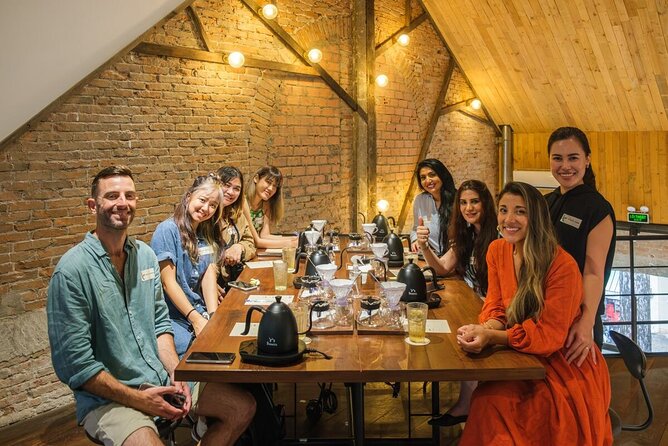
Plan on about 1 hour 30 minutes total. The structure is simple: learn, make, taste, adjust, and then finish with recipes and a wrap-up.
Even without a printed route map, you’ll feel the rhythm:
- Start with an overview of Vietnamese coffee culture and what you’re about to make. Instructors used examples like coffee origins and bean quality, and people noted the explanations were clear.
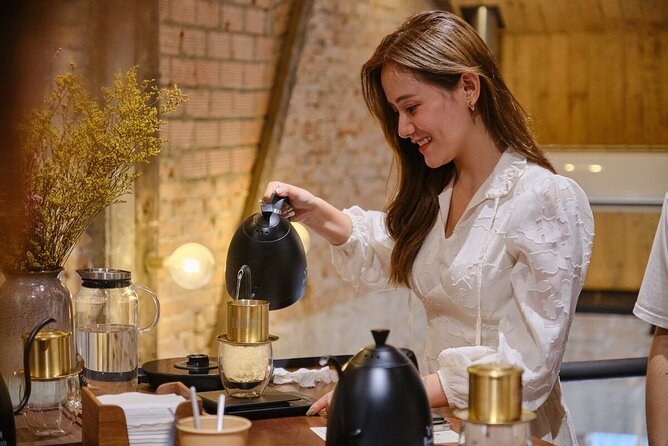
- Hands-on brewing using the phin-style approach. This is where you learn the method and stop treating coffee like magic.
- Make the drinks in sequence, tasting as you go so you can connect technique to flavor.
- Final take-home materials, plus the chance to buy coffee and a phin set for home use.
This pace is also why the class works for beginners. If you’ve never used a phin before, you’re not expected to know the steps. You’re expected to follow the instruction, do the work, and ask questions while you’re holding the tools.
The Phin Method: The Technique You’ll Keep
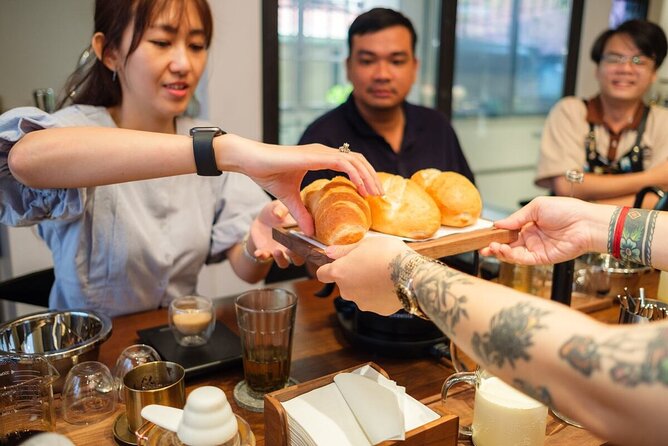
The core skill you’re practicing is Vietnamese-style drip brewing with a phin (the small metal filter used for slow extraction). Even people who consider themselves serious coffee fans said the workshop taught them how technical the process can be in a way that still feels fun.
Here’s why that’s valuable: once you know the steps, you can recreate the same type of cup again. Several reviews said they bought the coffee and the phin afterward, and they were specifically happy with the quality of the instruction.
During the class, you’ll likely notice how small changes affect results. That’s not just coffee trivia. It’s how you learn to make a drink taste consistent, not accidental.
If you’re a tea person who worries you’ll sit through something one-note, relax. One review said even a tea drinker had a great time, which usually means the class keeps the focus on method and flavor rather than forcing everyone into pure coffee obsession.
Bạc Xỉu: A Classic You Learn by Making
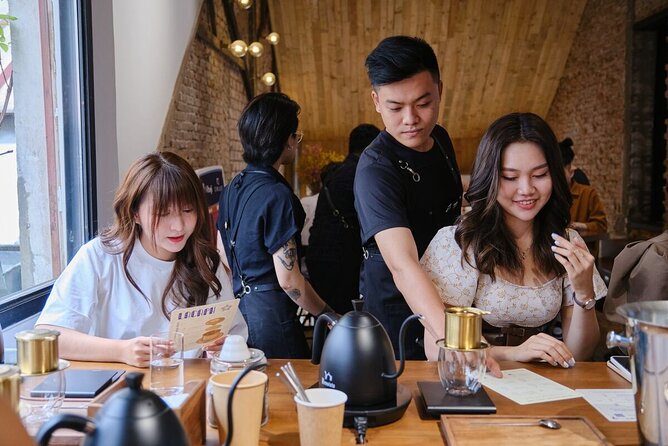
Bạc Xỉu is the classic starting point here, and it sets expectations for what Vietnamese white coffee means in real life: it’s smooth, sweet-leaning, and very much its own thing.
What you’re doing in the workshop is not just tasting. You’re building the drink yourself using the brewing technique you practiced. That matters because the way you pour, the timing, and how you finish the cup all affect the experience.
Also, because you start with a traditional option, you get a baseline before you move to the more unusual builds. That makes later drinks easier to understand, since you can compare flavor and texture against your first cup.
You can also read our reviews of more tours and experiences in Ho Chi Minh City


Cà Phê Muối: Why Salt Coffee Isn’t a Joke
The second drink is Cà Phê Muối, the salt coffee. If you’ve never had it, the idea sounds odd for about 30 seconds. Then you taste and you start to understand why people keep coming back to it.
In this class, the “why” stays connected to the practical “how.” You learn how the salt component changes the drink, and you taste the difference yourself rather than just hearing a description. That’s a big part of why this workshop earns such consistently high scores.
If you like food experiments that still respect tradition, this one is a perfect middle step. It’s not as far out as the yogurt honey option, but it still teaches you that Vietnamese coffee isn’t locked into one flavor profile.
Phin Con Panna: Yogurt and Honey as the Future of Saigon Coffee
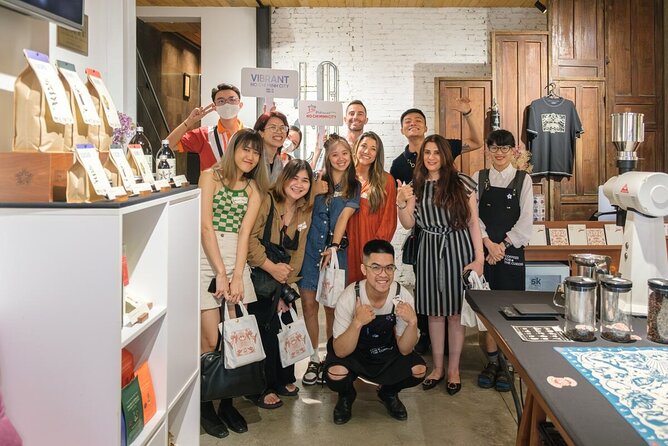
Then comes the workshop’s signature twist: Phin Con Panna. This is the class innovation, and it mixes yogurt with Lacàph Raw Coffee Blossom Honey.
This is the part that coffee lovers tend to remember. It’s not only because it’s different. It’s because it shows you where Vietnamese coffee flavor ideas are heading, using familiar tools (the phin) with a newer pairing.
Expect this to feel like a small experiment within a structured class. You make it, taste it, and compare it with the earlier cups. That mental comparison is how you walk away learning, not just sampling.
If you’re the kind of traveler who hates tourist activities that never translate into knowledge, this final drink helps. It’s creative, but it’s still built on technique.
What You’ll Take Home: Recipes, Certificate, and Buying Gear
The class is designed so you can recreate the drinks later, not just take photos. Multiple people mentioned that they bought coffee and the phin after the workshop, because they felt confident enough to try again.
You should also expect take-home materials. One review specifically noted getting recipes and a nice certificate of completion, which is a great little memory booster and a practical reference when you’re brewing at home.
Here’s the practical upside for you: if you’re traveling and you love food, this workshop is one of those rare activities where the souvenir is actually useful. You’ll be able to repeat what you learned without hunting down Vietnamese ingredients later (or at least you can start with the right gear and the right method).
Who Should Book This Coffee Workshop (and Who Might Skip It)
This workshop is best for:
- Coffee lovers who want technique, not just tasting
- People staying in or around Quận 1 who want a clear, easy activity
- Travelers who like learning culture through everyday things like brewing
It can also be a good rainy-weather plan. One review described it as great for rainy days, which makes sense because it’s indoors and structured.
I’d consider skipping it if:
- You’re vegan. The workshop is explicitly noted as not recommended for vegan travelers.
- You have lactose intolerance. It’s also flagged as not recommended for travelers with lactose intolerance.
- You’re expecting a huge range of coffee styles. One person wished there were more variations, but said the set offered was still fine.
Morning vs Afternoon: Picking the Best Slot for Your Day
You can choose between morning and afternoon tours, which gives you flexibility. For me, that matters in Ho Chi Minh City because your day often fills up fast with museums, markets, and long café stops.
A morning class can feel like a smart reset if you’ve already had too much strong street coffee and want real technique. An afternoon class works when you want a calm indoor break and a sweet snack without committing to a full meal.
Small Group Size: Why Max 18 Matters
This class caps at 18 travelers. In practice, that usually means you can actually ask questions and get attention while you’re working with equipment.
Several reviews praised the instructors as patient and helpful, and the hands-on nature of the session only works if people can move around and get guidance. With a smaller group, you’re less likely to feel like you’re watching from the sidelines.
FAQ
FAQ
How long is the Vietnamese coffee workshop?
It runs for about 1 hour 30 minutes.
What drinks will I learn to make?
You’ll make three Vietnamese coffees: Bạc Xỉu, Cà Phê Muối, and Phin Con Panna (with yogurt and Lacàph Raw Coffee Blossom Honey).
What’s the meeting point address?
You meet at Lacàph Coffee Experiences SpaceUpstairs, 220 Nguyễn Công Trứ, Phường Nguyễn Thái Bình, Quận 1, Hồ Chí Minh, Vietnam.
Is the class limited to a small group?
Yes. The workshop has a maximum of 18 travelers.
Does the price include food and drinks?
Yes. Coffee, tea, and snacks are included with your tour.
Is this workshop suitable for vegans or lactose intolerance?
No. It’s not recommended for vegan travelers, and it’s also not recommended for travelers with lactose intolerance.
Do I get anything to take home?
Yes. One review mentioned you receive recipes and a completion certificate.
Should You Book It?
If you love coffee and you want to do more than taste, I think you should book this. The biggest reason is the mix of hands-on brewing plus three distinct drinks, including the more playful Phin Con Panna. The second reason is the learning style: clear instruction, you doing the work, and the chance to buy the coffee and phin to repeat it later.
If you’re dealing with lactose intolerance or you’re vegan, this one likely won’t fit. And if you’re the type who needs a huge menu of coffee options, keep expectations aligned with three focused drinks.
For most coffee travelers in Ho Chi Minh City, though, this is a practical, satisfying class that turns a drink order into real know-how.