REVIEW · HO CHI MINH CITY
Ho Chi Minh City – Meditation retreat – 3 days 2 nights
Book on GetYourGuide →Operated by JANGTOURS · Bookable on GetYourGuide
Three days can change your pace.
This retreat at Thien Ton Phat Quang Pagoda mixes mindfulness practice, Buddhist study, and quiet rituals, all while you live alongside monks and nuns.
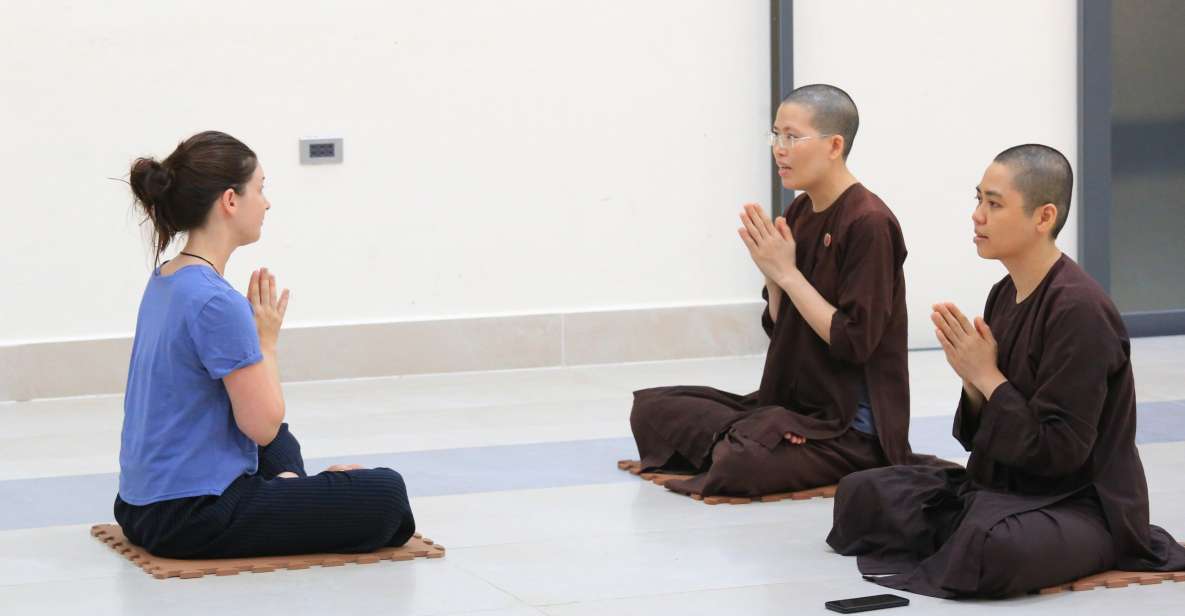
I like how the schedule teaches the correct meditation method, not just sitting quietly.
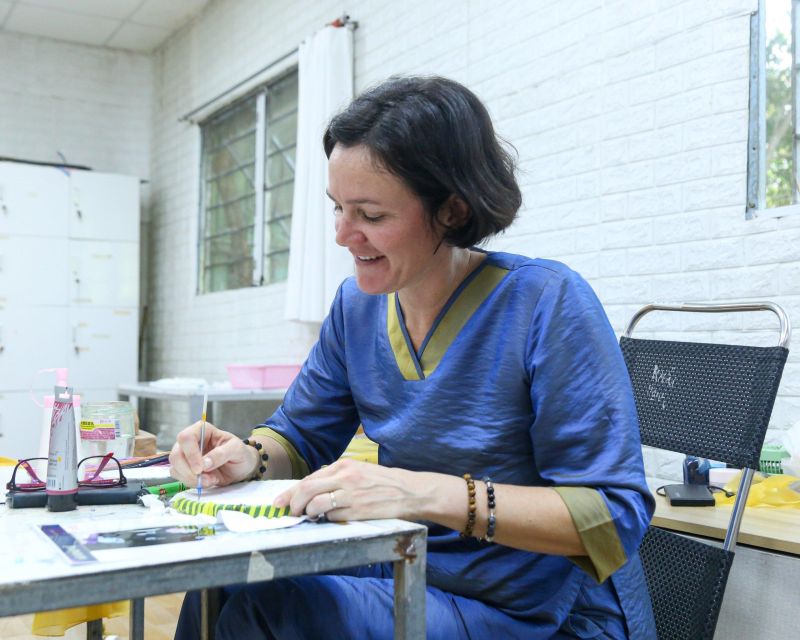
I also like the hands-on volunteer work, from making tea or tofu to helping in the kitchen and doing simple creative tasks.
One thing to weigh: it’s a full, structured day, so you may not have time to wander the gardens and surroundings like you hoped.
In This Review
- Key Things I’d Plan Around
- Where Thien Ton Phat Quang Pagoda Fits on a Busy Map
- Price and What Your $99 Actually Covers
- Day 1 in Motion: Arrival, Orientation, First Meditation, Then Rituals
- Day 2: Great Bell Meditation, Qigong, Then More Practice All Day
- Day 3: One More Bell, One More Round of Volunteer Work, Then You Return to the City
- Volunteer Work: The Most Practical Kind of “Spiritual Practice”
- Buddhist Rituals and Study: Chanting, Prostration, and the Wholesome Seed Moment
- Living Alongside Monks and Nuns: What Changes When Routine Is Shared
- What the Rules Mean for You Day-to-Day
- Who This Retreat Is Best For (And Who Should Reconsider)
- Getting the Most Out of It: Practical Tips Before You Go
- Should You Book This Meditation Retreat?
- FAQ
- How long is the retreat?
- Where is the retreat held?
- Is the retreat instructor English-speaking?
- What meals are included?
- What activities are included besides meditation?
- What time are the early sessions?
- What transportation is included?
- Are there any rules about dress or behavior?
Key Things I’d Plan Around
- A real daily meditation rhythm with a Great Bell session and multiple guided blocks
- Volunteer tasks that feel like practice, not chores: tofu/tea/cakes, painting fabric, and vegetable picking
- Buddhist ritual time that includes chanting, reading, prostration to Buddha, and a wholesome seed ceremony
- Morning movement practice with qigong or martial arts-style drills
- Monastic life context by staying on site with monks and nuns so you understand daily discipline
Where Thien Ton Phat Quang Pagoda Fits on a Busy Map
Ho Chi Minh City is your starting point, but this retreat lives about 90km away in the pagoda sanctuary area. Plan for a transfer that takes around 2.5 hours, because Day 1 starts after you arrive and get oriented. That timing matters: you’ll want to start the day clear-headed and ready to settle into the pagoda rhythm fast, not thinking about sightseeing logistics.
The retreat is built for immersion in routine rather than travel thrills. You’ll be in a calm setting with structured meditation sessions, Buddhist rituals, and on-site volunteering. That can feel wonderfully focused if you want a break from decision fatigue, and it can feel too structured if you’re the type who needs downtime to roam.
Also, pay attention to what’s not included. Transport from Ho Chi Minh City to the pagoda isn’t included, and the program doesn’t list a standard pick-up/drop-off. If you want that help, you’ll need to contact the provider directly. For budgeting, it’s one more cost to add to the base rate.
You can also read our reviews of more city tours in Ho Chi Minh City

Price and What Your $99 Actually Covers
At $99 per person for 3 days / 2 nights, the value is strongest because the retreat covers the essentials that usually add up fast on their own. You get:
- Full board vegetarian food
- Accommodation in the pagoda
- Entrance fees
- A local guide on the spot
- Instructor support in English for the meditation components
What’s not included is the transport to and from the pagoda. So think of the retreat fee as the calm package: lodging + meals + guided practice + ritual time + access. For a short retreat, that’s a fair setup.
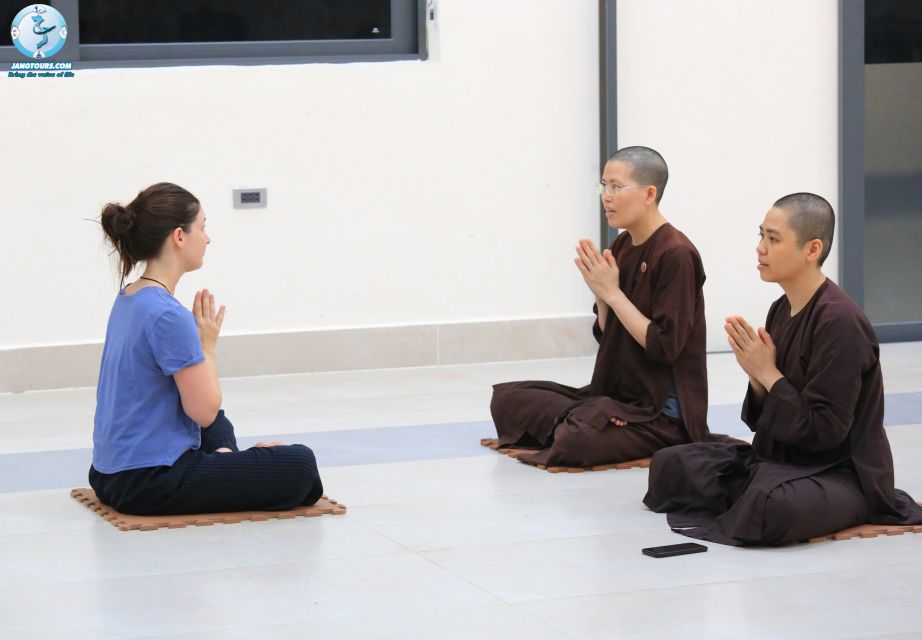
One more value point: your time is not only meditation. You’re also doing Buddhist ritual activities, reading sessions, and volunteer work. If you came hoping for a “meditation class,” you’re actually getting a whole daily life pattern. That matters because it shows you what practice looks like when it’s part of a community schedule.
Day 1 in Motion: Arrival, Orientation, First Meditation, Then Rituals
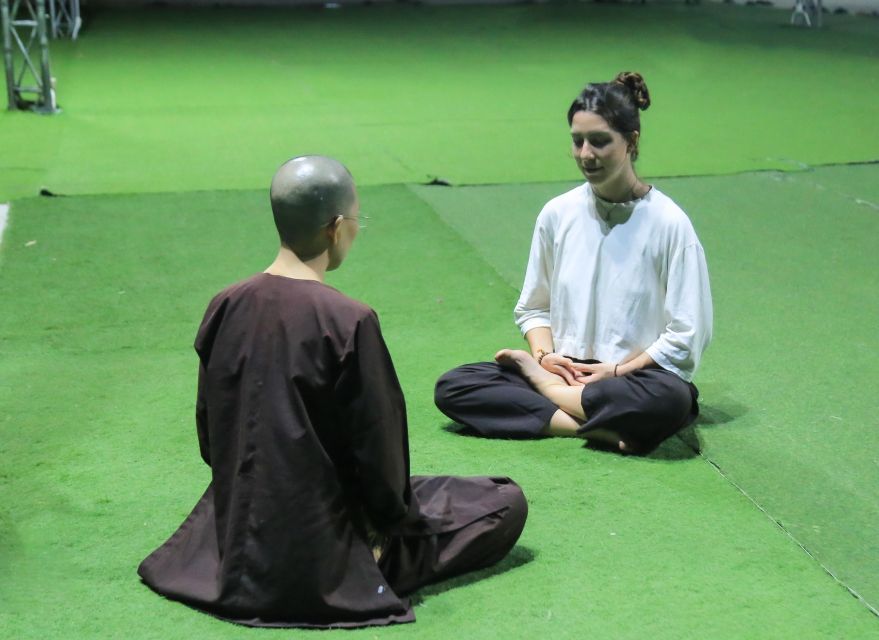
Day 1 starts with a transfer from Ho Chi Minh City to Thien Ton Phat Quang Pagoda, then a vegetarian lunch that helps you ease into the retreat pace. After lunch, you get a first meditation session in the 14:00–15:00 window. This timing is practical. It gives your body time to settle after travel, and it prevents the first session from feeling like punishment.
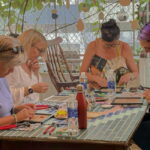
In the afternoon, volunteer work begins around 15:00 and runs until about 16:50. The tasks you may do include making cakes, making tea, making tofu, or painting on fabric. Even though these are simple activities, you’ll get the point fast: your attention is supposed to stay on the process and on calm effort, not on rushing.
The evening is also structured:
- Vegetarian dinner and dish washing
- Chanting
- Reading books
- A wholesome seed ritual
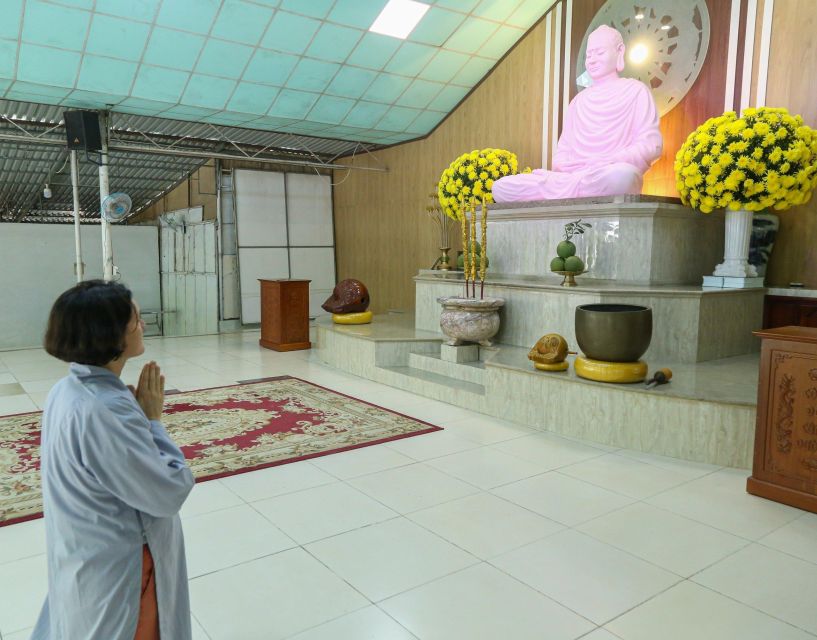
- Prostration to Buddha
- Final meditation time, then sleep
This is where the retreat earns trust. It’s not only teaching techniques; it’s showing you how Buddhist practice can include shared meals, shared work, and shared ceremony. You don’t have to invent your own schedule. The day already has one.
Day 2: Great Bell Meditation, Qigong, Then More Practice All Day
Day 2 starts early at 4:00–6:00 with the Great Bell session, where meditation and chanting happen together. That bell moment can be intense in the best way because it pulls you into awareness quickly. If you’re not used to early starts, you’ll need to adjust your sleep the night before. Once you’re awake, the retreat keeps moving, so treat rest like a real part of the plan.
After that, you’ll do qigong or martial art practice from about 6:10–6:50. This is a smart pairing with meditation. It warms the body and gives your attention something grounded to notice—breath, movement, posture—before sitting again later.
The schedule then balances discipline and participation:
- Breakfast around 7:00–7:20
- Volunteer work 7:30–10:30, which may include making cakes/tea/tofu, painting on fabric, or picking vegetables
- Lunch at about 11:00–11:30
- Meditation again 14:00–15:00
- More volunteer or cooking practice 15:00–16:50
- Dinner + dish washing 17:00–18:15
- Chanting and reading 18:30–19:50
The night closes with prostration to Buddha from 20:00–21:30, plus meditation before you go to bed.
The big takeaway for you: this is a retreat that uses repetition on purpose. You’re not guessing what to do each day. You’ll learn the rhythm, and your mind gets fewer opportunities to wander into “what now?” questions.
Day 3: One More Bell, One More Round of Volunteer Work, Then You Return to the City
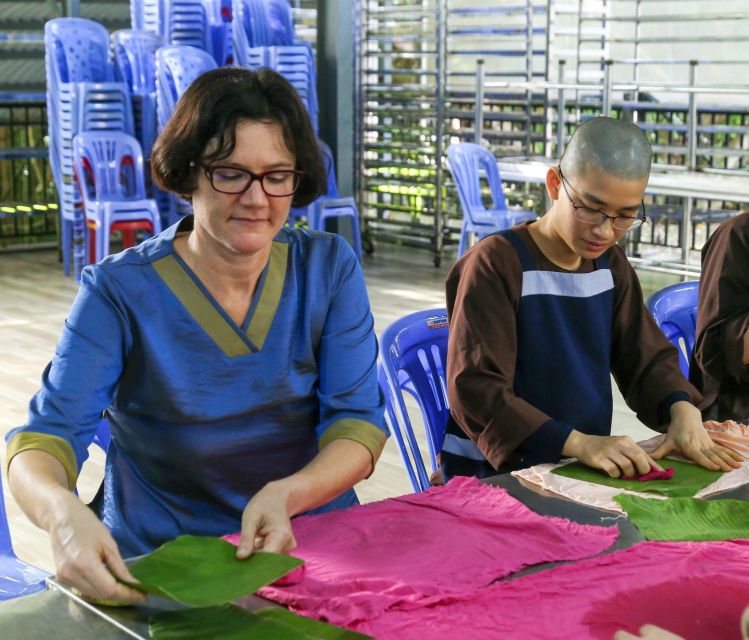
Day 3 keeps the same core structure: another Great Bell meditation and chanting from 4:00–6:00, followed by qigong or martial art practice around 6:10–6:50. Breakfast is 7:00–7:20, then volunteer work again from 7:30–10:30, which may include making cakes/tea/tofu and picking vegetables.
Lunch comes around 11:00–11:30, and then you head back to Ho Chi Minh City at 12:00.
So you get a short final push, then a clean exit back into normal time and traffic. That’s helpful if you don’t want to lose an entire week to recovery. Still, because you start so early, plan an unhurried return schedule in your city plans. You’ll likely feel calm, but you may also feel tired from the early wake-ups.
You can also read our reviews of more tours and experiences in Ho Chi Minh City


Volunteer Work: The Most Practical Kind of “Spiritual Practice”
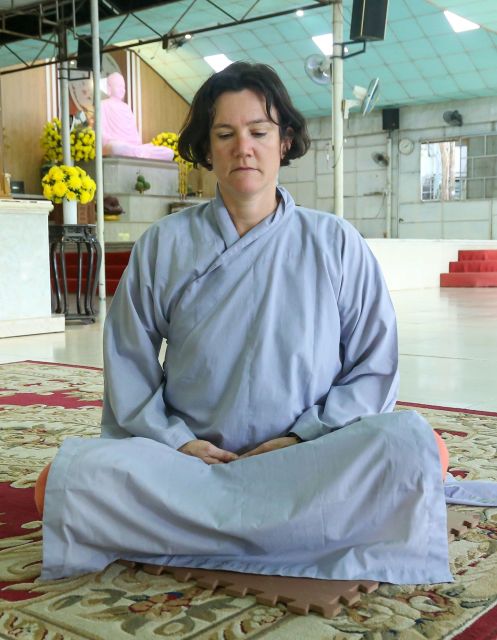
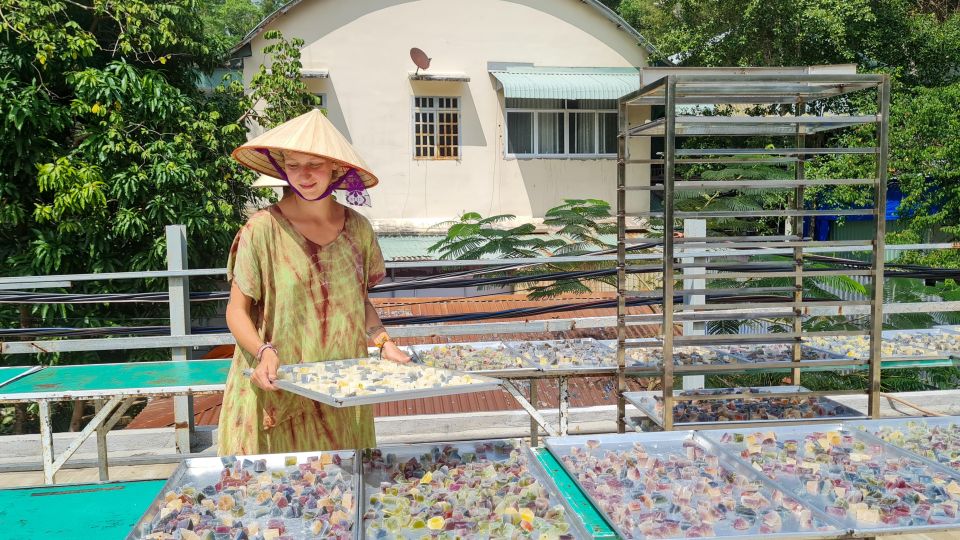
Volunteer work here isn’t tacked on as optional sightseeing. It’s woven into the flow like a second classroom. On this retreat, volunteer tasks include:
- Making cakes
- Making tea
- Making tofu
- Painting on fabric
- Picking vegetables
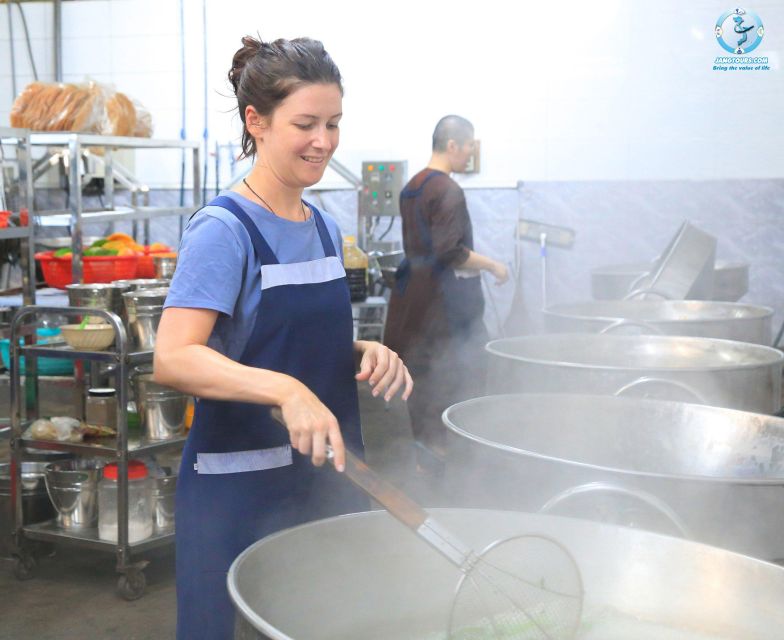
- Helping with cooking
There’s a deeper reason those tasks fit meditation training. You’re practicing attention with your hands. You’re learning to slow down and stay with the moment while still contributing to the group. When dish washing shows up after dinner, it reinforces the same idea: daily care is part of practice.
If you want a retreat that leaves you with something tangible—skills, habits, and a calmer relationship with effort—this is a strong match.
Buddhist Rituals and Study: Chanting, Prostration, and the Wholesome Seed Moment
The ritual time is one of the most important parts of this retreat. It teaches you how Buddhist practice can be structured, communal, and formal, not just private and silent.
You’ll experience:
- Chanting in the evenings (Day 1 around 18:30–19:00, Day 2 around 18:30–19:00)
- Reading books (Day 1 19:00–19:50, Day 2 19:00–19:50)
- Wholesome seed ritual on Day 1 (20:00–21:30 window)
- Prostration to Buddha on Day 1, again on Day 2 (20:00–21:30), and on Day 3’s schedule includes morning meditation/chanting rather than a late prostration block
Even if you don’t know the doctrines beforehand, the structure helps you stay oriented. You’re not left guessing what to do, and you’re not only hearing about Buddhism in theory. You’re watching it happen in a community setting, including the discipline and respect behind the movements.
One caution: if you’re sensitive to religious ceremonies, you’ll want to approach with respect and patience. The retreat isn’t designed for casual observation—it’s designed for participation.
Living Alongside Monks and Nuns: What Changes When Routine Is Shared
A major appeal is the chance to live on site and understand more about monastic life. You’re not just visiting a pagoda for an hour. You stay there long enough that daily life becomes part of the lesson.
That experience matters because you see how practice extends beyond meditation sessions. You wash dishes. You volunteer. You chant. You read. You follow the time windows rather than making your own.
From the reviews and the retreat format, you can expect that the community is welcoming and supportive. People typically help you feel comfortable, especially when ceremonies and practices are unfamiliar. Still, be ready for a schedule where you’ll participate even if you start out unsure. That’s the point: you learn by doing.
Also note a real practical limitation. The retreat is packed, and you might not get much time to wander gardens or grounds. If your idea of a retreat includes long quiet walks and lots of nature time, factor that in before you book.
What the Rules Mean for You Day-to-Day
The retreat includes a few straightforward restrictions:
- No short skirts
- No alcohol or drugs
- No making noise
These rules aren’t just for show. They support the atmosphere and the rhythm of meditation and chanting. For you, that means you should pack clothing that covers appropriately and feels comfortable for early mornings and repeated sitting practice. It also means keeping your voice low and your phone use minimal during ritual and meditation windows.
If you want the retreat to feel peaceful, your behavior is part of the environment. You’ll likely feel that quickly once the bell sessions start.
Who This Retreat Is Best For (And Who Should Reconsider)
This retreat is ideal if you want:
- A structured mindfulness experience with coaching in the correct method of meditation
- Buddhist teachings through ritual + practice, not just reading
- A short retreat where your schedule does the hard work
- Hands-on participation through volunteer tasks like tofu/tea/cakes and vegetable picking
- A chance to live around monks and nuns to understand monastic routine
You might reconsider if:
- You need lots of personal free time to roam independently
- You strongly dislike early mornings (the Great Bell sessions are in the 4:00–6:00 range)
- You want a lighter, more flexible schedule rather than a full day of meditation, chanting, and volunteering
Getting the Most Out of It: Practical Tips Before You Go
A few practical points can make this retreat smoother.
Dress for respect and comfort. Short skirts aren’t allowed, so bring practical clothing for sitting and moving during qigong or martial practice.
Plan for early wake-ups. Day 2 and Day 3 begin at 4:00. You won’t be easing into the schedule later.
Expect a full day. Between volunteer work blocks, meditation sessions, chanting, reading, and prostration, there isn’t much empty space. If you expect a relaxed spa-style retreat, you’ll be surprised.
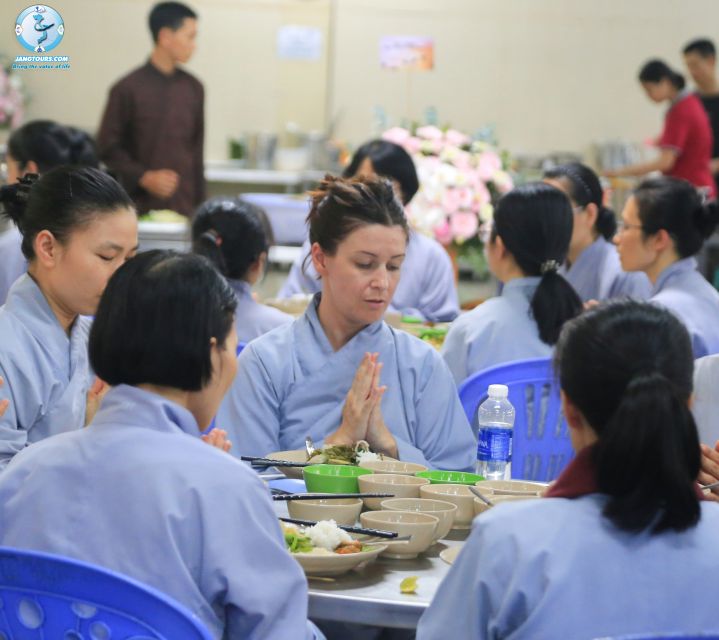
Embrace the food routine. Vegetarian meals are included, and the schedule includes dish washing. If you’re comfortable with communal meals and shared chores, you’ll enjoy this more.
Should You Book This Meditation Retreat?
Book it if you want a short, serious retreat that teaches meditation through real routine: Great Bell meditation, qigong practice, repeated mindfulness sessions, Buddhist chanting, prostration, and volunteer work at Thien Ton Phat Quang Pagoda. The package value is strong because you get lodging, vegetarian full board, guidance in English, and entrance access for a low daily cost, with the main extra expense being your transport from Ho Chi Minh City.
Skip it if you’re mainly chasing free time to explore gardens and surroundings. This program prioritizes practice and community rhythm, and the schedule can leave little room for wandering.
If you want inner peace built with daily structure—rather than a one-off lesson—this retreat is a good bet.
FAQ
How long is the retreat?
It’s 3 days and 2 nights.
Where is the retreat held?
It takes place at Thien Ton Phat Quang Pagoda, about 90km from Ho Chi Minh City.
Is the retreat instructor English-speaking?
Yes, the instructor is listed as English.
What meals are included?
The retreat includes full board vegetarian food.
What activities are included besides meditation?
You’ll do Buddhist rituals such as chanting and prostration to Buddha, plus reading books and volunteer work like making cakes/tea/tofu, painting fabric, and picking vegetables.
What time are the early sessions?
There is a Great Bell meditation and chanting session scheduled 4:00–6:00 on Day 2 and Day 3.
What transportation is included?
Transportation to and from the pagoda is not included. The retreat returns you to the meeting point in Ho Chi Minh City on Day 3 around 12:00.
Are there any rules about dress or behavior?
You can’t wear short skirts, and you must avoid alcohol and drugs and making noise.