REVIEW · HO CHI MINH CITY
From Ho Chi Minh: 2-Day Mekong Delta to Phnom Penh by Boat
Book on GetYourGuide →Operated by Dragon Sea Travel & Du Lịch Rồng Biển · Bookable on GetYourGuide
Two days, two borders, one river story. This trip strings together Mekong boat time and a Chau Doc to Phnom Penh crossing so you don’t just travel between countries—you watch how people live along the water.
I especially like the mix on Day 1: Vinh Trang Pagoda and then quiet coconut-lined canals in Ben Tre feel like two different sides of the same Mekong world. Add an included Vietnamese cooking class and you get more than sightseeing—you get a skill and a meal. The one drawback to weigh is pacing: if you’re chasing lots of floating-market time, the day can tilt toward temples, stops, and longer driving legs, so you’ll want to keep your schedule expectations flexible.
Another consideration: the fast boat and border process mean you should be comfortable with early starts and boat travel. This is also not a good pick if you’re prone to seasickness, you can’t swim, or you use a wheelchair.
In This Review
- Key highlights that make this route worth it
- Ho Chi Minh City to Phnom Penh by river: the big idea
- Day 1: Vinh Trang Pagoda, Mekong cruising, and Ben Tre by boat
- Pickup and the ride toward My Tho
- Vinh Trang Pagoda: the Delta’s most famous temple
- Cruise the Mekong: floating houses and fish cages
- Ben Tre coconut canals: small boat rowing under palm shade
- Coconut candy workshop and samples you can actually taste
- Unicorn Island, Đờn ca tài tử, and fruit tasting
- Bee-keeping farm, honey tea, and a typical Mekong Delta house
- Vietnamese cooking class: one of the most useful souvenirs
- Lunch in a garden setting, then downtime before Chau Doc
- Overnight in Chau Doc: the river town that anchors the trip
- Day 2: fast boat from Chau Doc to Phnom Penh with border help
- Early breakfast and boarding
- Crossing into Cambodia and arriving around midday
- Guides and organization: when it goes right
- Timing reality check: what to watch for before you book
- Value for money: $228 and what you actually get
- What to pack and how to make the day easier
- Who this tour suits best
- Should you book this Mekong-to-Phnom Penh boat trip?
- FAQ
- What route does this tour cover?
- How long is the tour?
- Are meals included?
- Where do you stay overnight?
- Do I need a Cambodia visa?
- Is this tour suitable for everyone?
Key highlights that make this route worth it
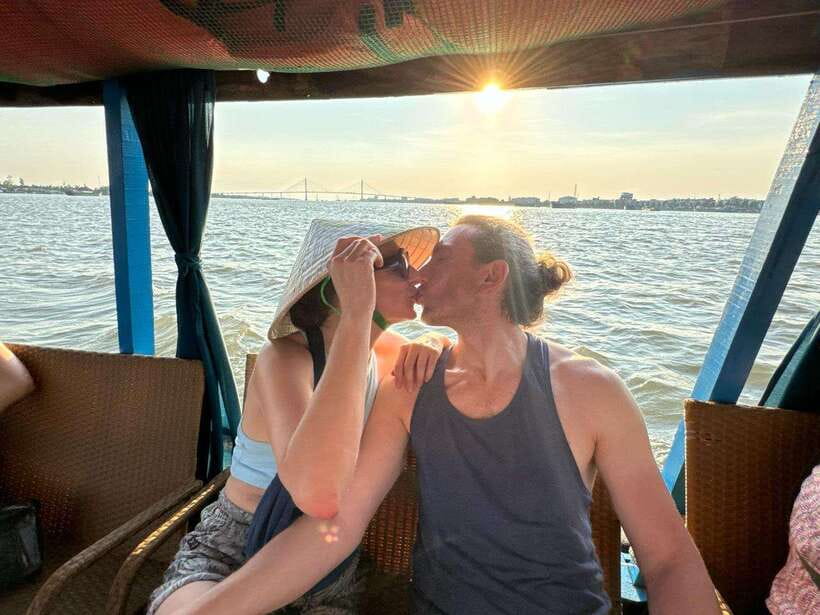
- Vinh Trang Pagoda first, Mekong life after: iconic temple views followed by real river scenes like floating houses and fish cages
- Ben Tre coconut canals by small rowing boat: slower, closer boat time under palm shade
- Coconut candy + Southern culture stops: Ben Tre workshop samples plus Đờn ca tài tử folk music on Unicorn Island
- Cooking class in the Mekong Delta: a hands-on dish with local guidance
- A guide that helps with the border: the Day 2 boat run is built for a smooth handoff into Cambodia
- Organized end-to-end transfer: hotel in Chau Doc, then a fast boat straight to Phnom Penh around midday
Ho Chi Minh City to Phnom Penh by river: the big idea
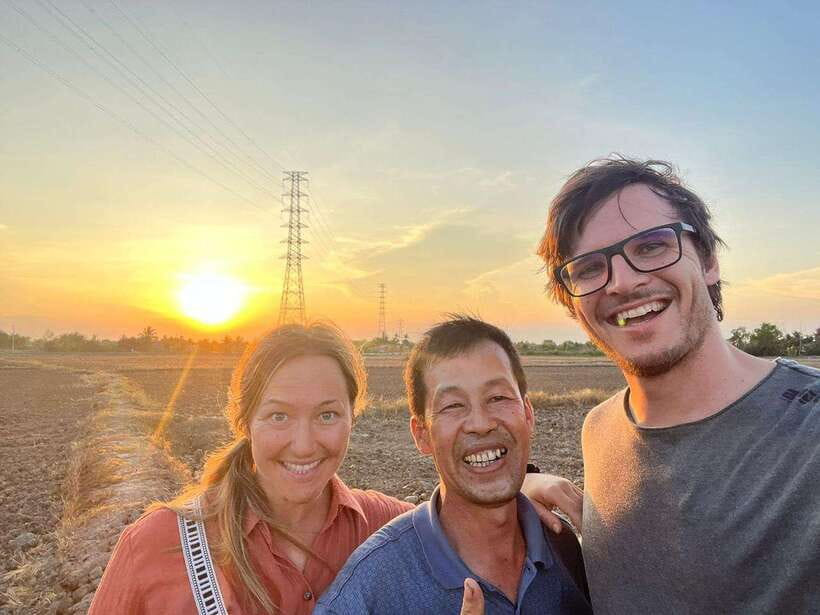
Most people fly or drive to Phnom Penh. This route does something more interesting: it keeps you moving on the Mekong system for as much of the journey as possible. You start in Ho Chi Minh City, wind through the Mekong Delta, spend a night in Chau Doc (a riverside town near the Vietnam–Cambodia border), then finish with a fast boat into Phnom Penh.
For me, the value is the workflow. You get bundled transport—air-conditioned bus/van for the Delta legs, boats for the river segments, bicycles in the local area—and you don’t have to coordinate the hard parts yourself. And because the tour includes the basic tickets and one breakfast and one lunch, you can focus on the day instead of building a puzzle out of schedules.
That said, you’re still traveling. You’ll spend time in transit on Day 1 and start early on Day 2. If you hate rushing temples, or if you get stressed by changing plans, treat this as a structured tour day rather than a slow, independent cruise.
You can also read our reviews of more boat tours in Ho Chi Minh City
Day 1: Vinh Trang Pagoda, Mekong cruising, and Ben Tre by boat
Pickup and the ride toward My Tho
The day begins with a convenient pickup in central District 1 (or at 243 De Tham Street). From there, you’ll head to My Tho by air-conditioned tourist bus. The drive matters because it sets the tone: you start seeing the flat farmland, rice paddies, and canal systems that define the Mekong Delta.
If you’re sensitive to time, know that this kind of route often involves multiple transfers and waiting moments between stops. The upside is that you’re not stuck finding routes or arranging local transport.
Vinh Trang Pagoda: the Delta’s most famous temple
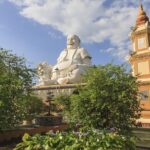
In My Tho, you visit Vinh Trang Pagoda, one of the largest and most iconic Buddhist temples in the Mekong Delta. This is a good first anchor for the trip because it’s a major landmark and it gives context for what you’ll see later: river communities, changing landscapes, and local traditions that shaped daily life.
Practical tip: bring comfortable shoes. Temple walking is part of the experience, and you’ll likely move at a steady pace as a group.
Cruise the Mekong: floating houses and fish cages
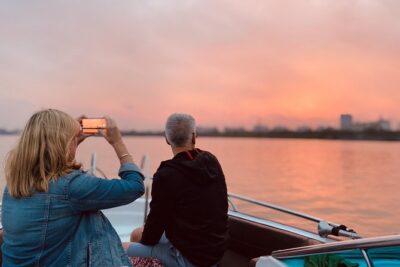
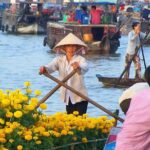
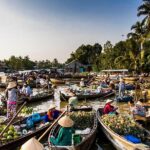
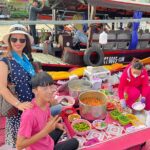
Next comes the Mekong River boat cruise. This is where the trip becomes more than a day of buildings. You pass floating houses and fish cages, and you get a real sense of how the river supports livelihoods. The cruise portion is also a reset moment: you sit, watch, and let the river do the explaining.
From there, you switch to a smaller craft for the next phase—where the vibe gets calmer and more intimate.
You can also read our reviews of more tours and experiences in Ho Chi Minh City


Ben Tre coconut canals: small boat rowing under palm shade
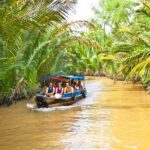
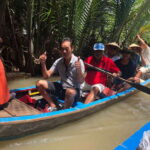
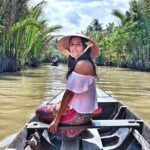
In Ben Tre, you take a hand-rowing boat through narrow canals lined with coconuts. This is the “quiet Mekong” segment. You glide through shaded water channels where villages and gardens feel close to the river edge.
The biggest advantage here is scale. You’re not just traveling along a wide river; you’re moving through the canal network that makes the Delta feel like a patchwork of waterways. If you love slower travel and close views, this is often the moment you’ll remember most.
Coconut candy workshop and samples you can actually taste
After landing on a coconut island in Ben Tre, you visit a traditional coconut candy workshop. You’ll see the handmade production process and get to enjoy freshly made samples. It’s not just a stop—it’s a taste-based way to understand how coconuts become a local specialty.
If you’re the type who always wants the food story behind the food, you’ll like this part. If you’re not into demos, just treat it like a snack break with a cultural angle.
Unicorn Island, Đờn ca tài tử, and fruit tasting
Then you head to Unicorn Island by motor cart, where you enjoy traditional Southern Vietnamese folk music (Đờn ca tài tử) while tasting seasonal tropical fruits. This is one of those cultural stops that can be hit-or-miss depending on your taste for performances, but it’s usually a fun change from sightseeing.
The fruit tasting also helps you pace the day. You go from boat time to workshop time to music and snacks, which keeps the itinerary from feeling one-note.
Bee-keeping farm, honey tea, and a typical Mekong Delta house
The day continues with a bee-keeping farm, natural honey tea, and a look at a typical Mekong Delta house. These stops are less about famous sights and more about daily life. They’re built for understanding how people make and use what the river region produces.
If you like nature and practical agriculture topics, you’ll find this section soothing rather than rushed.
Vietnamese cooking class: one of the most useful souvenirs
You’ll also have a Vietnamese cooking class, where you learn to prepare a local dish with guidance from local hosts. This is a high-value inclusion because it turns the day into something you can repeat at home.
I like tours that teach you a skill, not just a photo. Cooking classes give you a memory with an afterlife.
Lunch in a garden setting, then downtime before Chau Doc
Lunch is included, and it’s served around midday in a garden setting. After lunch, there’s time to relax, stroll around the village, or ride a bicycle through quieter countryside paths.
Then comes the transfer: you return by boat to My Tho, and later you drive about four hours to Chau Doc by private car (no guide on that car ride). This part can feel long if you’re hungry for more boat time, but it sets you up for the next day’s fast crossing.
Overnight in Chau Doc: the river town that anchors the trip
You stay in a 3-star hotel in Chau Doc for the night, with free time in the evening to eat on your own. This overnight matters because it avoids the stress of attempting a same-day border crossing from deeper in the Delta.
If you want a smoother Day 2, this is the smart choice.
Day 2: fast boat from Chau Doc to Phnom Penh with border help
Early breakfast and boarding
Breakfast comes in the morning, then you transfer to the boat station. You board a fast boat around 7:00 AM.
Early mornings are part of river travel when borders and schedules matter. Wear shoes you can move in easily and keep water and sunscreen handy.
Crossing into Cambodia and arriving around midday
You ride along the Mekong River, cross the border into Cambodia, and continue toward Phnom Penh. The trip is timed so you typically arrive around 12:30 PM, and then the tour ends.
A big plus of this format is that the border crossing is handled as part of the package. In past runs, English support from guides has helped make the process feel less chaotic, including on the boat portion with crew support.
If you’re nervous about paperwork and transitions, that built-in assistance is a real comfort.
Guides and organization: when it goes right
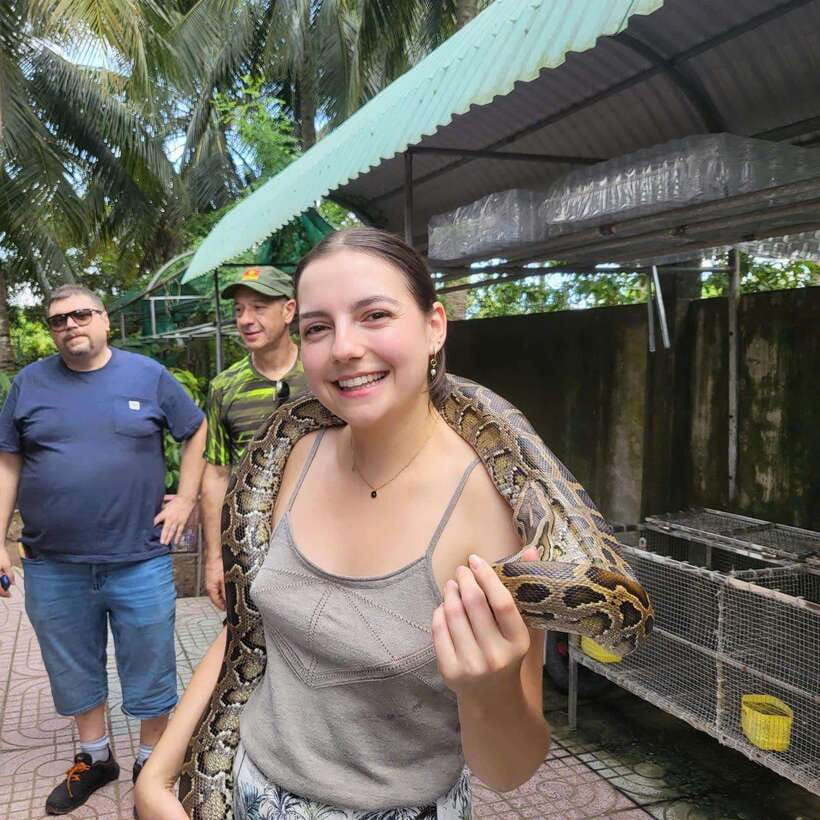
The strongest praise in the experience set is about how smoothly it feels when the guide clicks with the group. Names that come up include Quoc on the Mekong Delta day and Diu on the boat/border leg. I also saw references to Ry and Duy Quoc, which suggests different guide assignments depending on the date.
When the guide is strong, you get two things:
- Clear explanations, so you understand why each stop exists
- Fast problem-solving when schedules shift between stops
That’s also why communication from the company tends to matter. If the plan has a changing moment—like extra waiting time—your day feels less stressful when someone is on top of it.
Timing reality check: what to watch for before you book
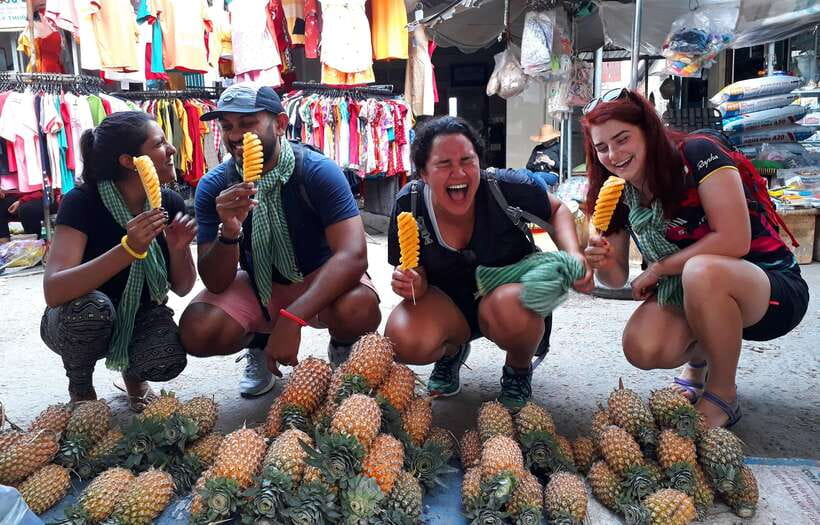
This route is packed, and a few things can affect your experience:
1) The day can run temple-heavy. If your mental picture is constant floating-market time, you might end up spending more time at pagodas and structured stops than you expected.
2) Transit legs add up. Day 1 includes boat cruising, short rides, and a lengthy drive toward Chau Doc. Even when everything is “on time,” the rhythm can feel stop-and-go.
3) Boat travel means you should be prepared. The tour specifically isn’t suitable for non-swimmers or people prone to seasickness. If you’re unsure, take it seriously. A fast boat crossing isn’t the place to test your comfort.
If you go in with the right mindset—structured day, cultural variety, and real river scenes—you’ll likely enjoy it.
Value for money: $228 and what you actually get
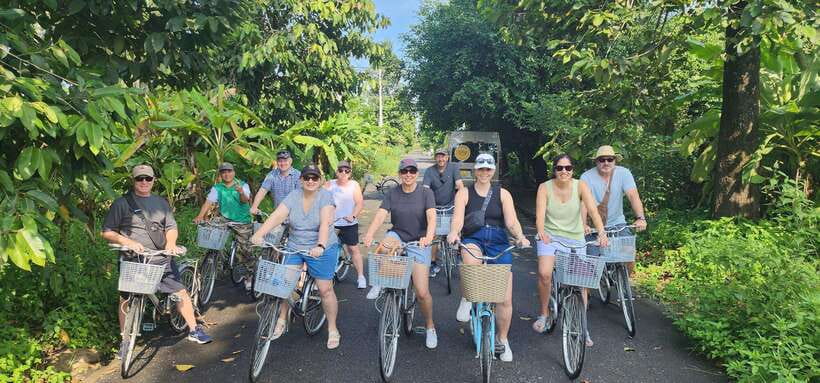
At around $228 per person for 2 days, the price isn’t just paying for a boat ride. You’re paying for bundled logistics:
- Multiple transportation modes (bus/van, boats, bicycle time, and a private car transfer)
- An English-speaking guide
- Tickets for listed attractions
- Overnight accommodation in Chau Doc (3-star)
- One breakfast and one lunch
- Water bottles included
Separately, those parts can add up fast, especially when you factor in border coordination. The standout value is the route itself: you’re traveling from southern Vietnam into Phnom Penh without having to self-plan the river-to-border-to-Cambodia handoff.
The one cost you should budget for is the Cambodia visa, listed as $40 and not included. Also plan for your own drinks and personal expenses during meals.
What to pack and how to make the day easier
Bring what keeps you comfortable outdoors and on boats:
- Passport
- Comfortable shoes
- Hat, sunscreen
- Camera
- Water
- Insect repellent
Also note the trip rules: no smoking, no littering, and plastic bottles aren’t allowed. Alcoholic drinks aren’t allowed in the vehicle, so don’t plan on stocking up for the rides.
If you’re sensitive to sun and insects, this will feel like common-sense prep, not “nice to have.”
Who this tour suits best
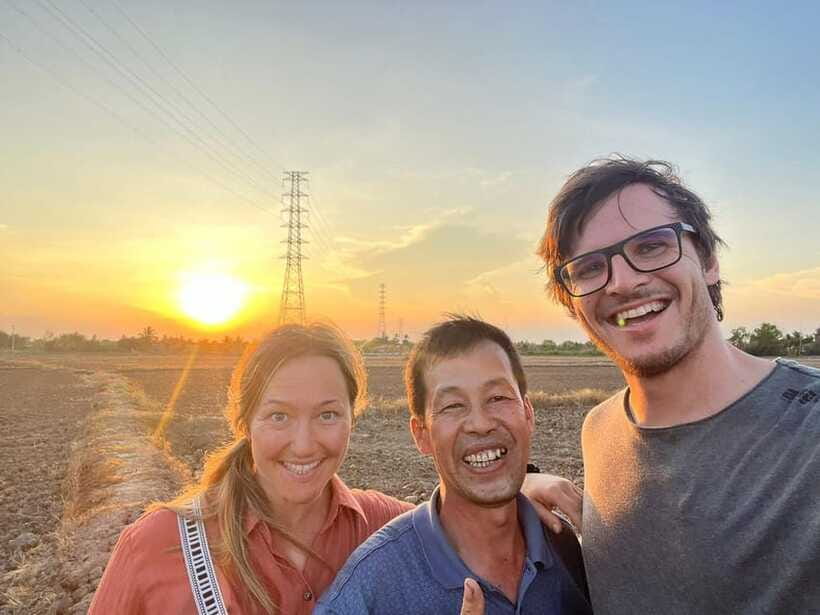
This is a good fit if you:
- Want a real Mekong Delta experience and not just a city stop
- Enjoy variety—temple, canals, food, and hands-on cooking
- Like guided structure and prefer help with the Vietnam–Cambodia transition
- Can handle an early start on Day 2 and some time in transit
It’s not ideal if you:
- Need wheelchair access
- Can’t swim
- Get seasick easily
- Want a slow, unstructured day with lots of unscheduled wandering
Should you book this Mekong-to-Phnom Penh boat trip?
If your goal is to travel from Ho Chi Minh City to Phnom Penh while experiencing the Mekong Delta’s boat life along the way, this is a strong option. The Ben Tre canal rowing, the coconut candy tastings, and the cooking class are practical, memorable inclusions. The Day 2 format also makes the border portion feel less like a hassle.
Before you book, do two reality checks:
1) If you’re specifically obsessed with floating markets, make sure your expectations match a day that also includes pagodas and multiple structured stops.
2) If you’re prone to motion sickness, treat the boat portion seriously and reconsider.
FAQ
What route does this tour cover?
It runs from Ho Chi Minh City to Phnom Penh over 2 days, with stops in the Mekong Delta (My Tho and Ben Tre), an overnight in Chau Doc, and a fast boat crossing into Cambodia.
How long is the tour?
The duration is 2 days.
Are meals included?
Yes. It includes 1 breakfast and 1 lunch.
Where do you stay overnight?
You stay overnight in Chau Doc in a 3-star hotel.
Do I need a Cambodia visa?
Cambodia visa fees are not included. The price listed is $40.
Is this tour suitable for everyone?
It is not suitable for wheelchair users, non-swimmers, or people prone to seasickness.