REVIEW · HO CHI MINH CITY
Cai Rang Floating Market & Mekong Delta 2-Day Tour from HCM City
Book on Viator →Operated by Viet Nam Adventure Tours JSC · Bookable on Viator
Morning canals beat street traffic.
This 2-day Mekong Delta ride swaps Ho Chi Minh City for boat life and early market scenes, with Cai Rang Floating Market as the headline. I love that everything is handled for you: transfers, boats, a 3-star hotel night, and meals are all included. I also like the mix of hands-on food stops (coconut candy, rice paper, and bánh xèo-style cooking). One caution: Day 2 starts very early, and if timing is off, the market can feel quieter than the photos.
My favorite part is how this works for first-timers. You get a fast, clear “southern Vietnam” snapshot without having to plan canals, checkpoints, and meals. Just keep an eye on the pace and shopping pressure, which can depend a lot on your guide.
Key highlights and what they mean for you
- Cai Rang Floating Market, early: Plan for first-light timing, not postcard midday chaos.
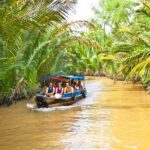
- Boats + small-craft canals: You’ll spend real time on the water, not just beside it.
- Food-making moments: Coconut products and bánh xèo-style lunch turn sightseeing into something you can taste.
- A guided food-and-culture route: Stops like Vinh Trang Pagoda and Ben Tre add context to everyday Mekong life.
- Hotel included for one night: This is not just a day trip, and that extra night helps the schedule.
- Guide quality swings experience: Names like Bac, Lucky, and Joe often get strong praise, so it’s worth paying attention.
In This Review
- Why this Mekong Delta tour feels different from Ho Chi Minh City
- Price and value: what $61.92 really buys you
- Getting started: pickup, meeting point, and the early-day reality
- Day 1: My Tho and Vinh Trang Pagoda set the tone
- Ben Tre: the Land of Coconut and the craft behind sweet snacks
- Overnight in Can Tho: good base, but plan your dinner
- Day 2: Cai Rang Floating Market at first light (and what “busy” really means)
- Day 2 activities after the market: bikes and bánh xèo-style lunch
- Back in Ho Chi Minh City: a local market break before you’re done
- Guides and group vibe: names to look out for
- Shopping pressure and tips: how to handle it without ruining your mood
- What the hotel, meals, and “vegan available” means in practice
- Packing and timing tips that actually help
- Should you book this Cai Rang and Mekong Delta tour?
- FAQ
- How early do I need to wake for Cai Rang Floating Market?
- What’s included in the tour price?
- Are meals available for vegetarians or vegans?
- Where is hotel pickup and where is the meeting point?
- What hotel will I stay in?
- Is there a single supplement for solo travelers?
Why this Mekong Delta tour feels different from Ho Chi Minh City
Ho Chi Minh City is fast. The sidewalks are loud. The streets have energy.
The Mekong Delta is the opposite. You trade scooters for boats and canals. Instead of traffic jams, you get slow-moving water and wide-open fields you can actually see. One night in Can Tho also changes the feel. You’re not rushing back the same day, so the schedule has room to breathe.
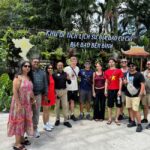
The tour is built for a “starter trip” mindset. You get the big signature sights (hello, Cai Rang) plus food and daily-life stops that explain what you’re seeing instead of treating it like a photo op.
And you’ll likely notice something important: the floating market isn’t staged for tourists. It’s a working wholesale hub. That’s great for authenticity, but it also means your experience depends on your exact arrival time.
Price and value: what $61.92 really buys you
At about $61.92 per person, this can be a strong deal for three reasons.
First, you’re not just paying for transport. Your price includes an English-speaking guide, boat trips, and meals across the two days (breakfast plus two lunches, with breakfast at the hotel too).
Second, the price includes an overnight stay in a listed 3-star hotel in Can Tho (either Van Phat Riverside Hotel or Senior Hotel Can Tho). In practice, that one night is the “make it worth it” part. A one-night base can easily cost more than the difference between this and a basic day tour.
Third, you get hotel pickup and drop-off in central District 1. You don’t have to coordinate private cars for multiple segments.
So where’s the catch? Your biggest value is also your biggest trade-off: the tour includes a set route and timed stops. If you’re the type who wants hours of free roaming, you’ll have less control than on a DIY day. You’ll also be in a group of up to 20 people, which means you move when everyone moves.
You can also read our reviews of more city tours in Ho Chi Minh City
Getting started: pickup, meeting point, and the early-day reality
Start time is listed as 7:45 am, with pickup aimed at hotels in District 1 (not Dakao and TanDinh). Your meeting point is at 123 Lý Tự Trọng, Phường Bến Thành, Quận 1.
This matters for two reasons.
One: you’re traveling out of the city, so being prompt is everything.
Two: Day 2 is even earlier than you think. While Cai Rang is scheduled around 6:00 am, some departures run with even earlier meeting times (people have reported meeting around 4:30 am in the hotel lobby).
My practical advice: set a “Vietnam early” mindset. Bring a small bottle of water. Wear shoes you don’t mind getting a bit dusty. And if you’re picky about schedules, be ready for minor timing shifts.
Day 1: My Tho and Vinh Trang Pagoda set the tone
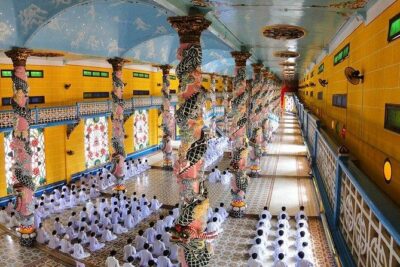
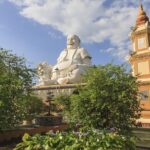
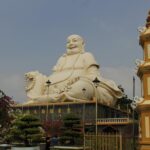
The first big stop is Vinh Trang Pagoda in the My Tho area. It’s scheduled for about two hours, and the admission ticket is marked as free.
Why this is a good opening:
- It gives you a calm, cultural anchor before you switch to boats and river work life.
- You get a sense of the region’s spiritual side right away, instead of only seeing markets and factories.
What you should watch for:
- The pagoda time can feel “tour-paced,” which is common on two-day programs. If you love lingering, arrive with patience and use the two hours well: look slowly at key areas, then let your guide point out the details you might otherwise miss.
After the pagoda, the route heads toward Ben Tre (the coconut country).
Ben Tre: the Land of Coconut and the craft behind sweet snacks
Ben Tre is where the tour earns its “food you can actually understand” reputation.
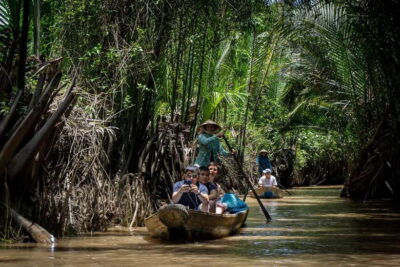
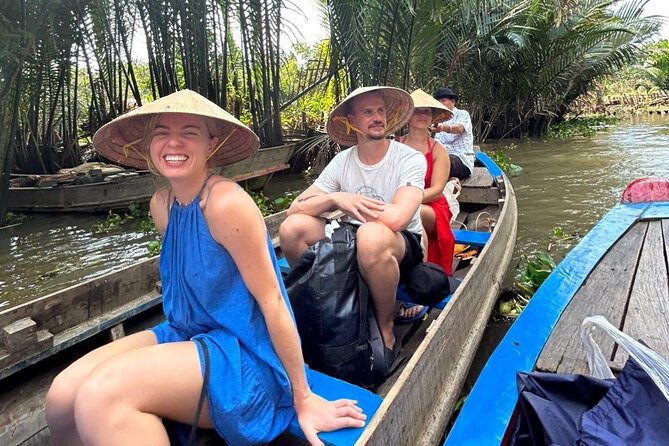
You’ll travel by boat into the Ben Tre province area (often described as the Land of Coconut). From there, the schedule focuses on coconut-related production and snacks, including how items like coconut candy and rice paper are made.
This is one of the stops that works best for real learning, not just watching. You get to see how ingredients become products, and you get the context for why Mekong life revolves around these crops.
Two practical considerations:
- Coconut stops usually come with shopping opportunities. That’s not automatically bad. It’s how many of these places survive. Just know you can say no without ruining the mood.
- If you’re sensitive to sales pressure, choose your “buy moments.” For example, buy one edible souvenir you’ll actually eat later, not ten things you’ll never open.
This is also where many groups notice the guide’s style the most. Guides like Bac, Joe, and Lucky get praised for staying upbeat while explaining culture and food. Other guides can push harder on the shopping side, so your attitude matters.
Overnight in Can Tho: good base, but plan your dinner
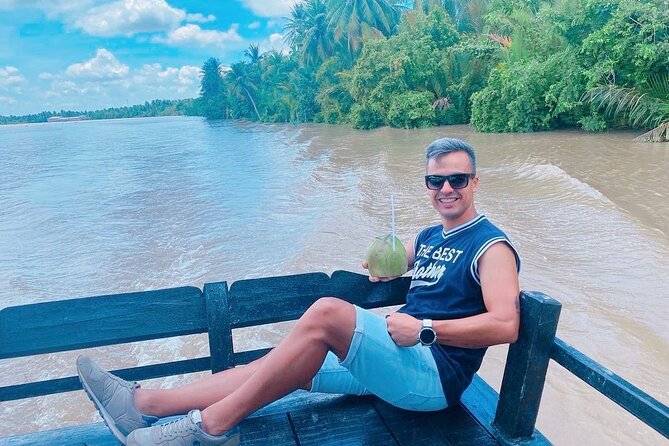
You stay one night in a listed 3-star hotel in Can Tho: either Van Phat Riverside Hotel or Senior Hotel Can Tho.
Here’s the value angle: you’re not just sleeping. You’re positioning yourself for a very early Day 2. That’s why this tour isn’t just a day trip.
But you should plan dinner smart.
One review experience highlighted that the hotel area can be about 5 km from the town/city center with limited options nearby. Another pointed out the hotel felt a bit dated, while still noting the breakfast rooftop setup as a nice touch.
My suggestion: use your guide if you have one who’s good with food picks. Ask where to eat within walking distance. If you’re staying farther out, don’t wait until you’re hungry and tired to start searching.
You can also read our reviews of more shopping tours in Ho Chi Minh City

Day 2: Cai Rang Floating Market at first light (and what “busy” really means)
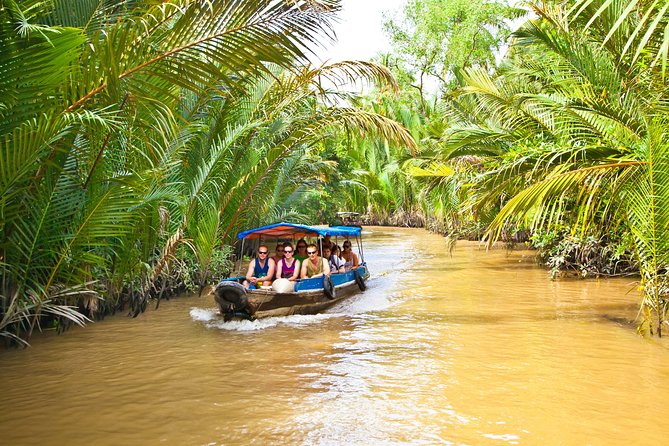
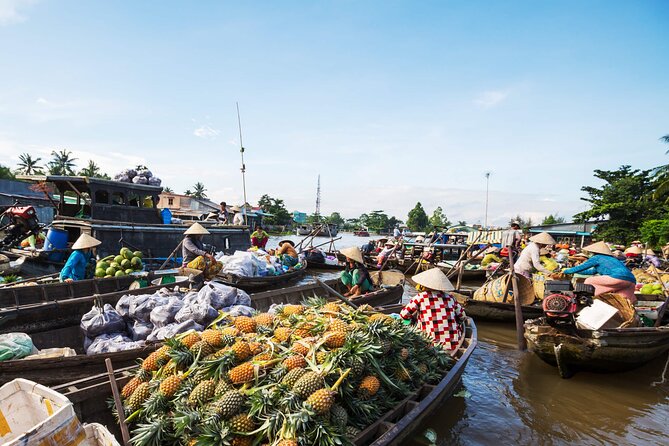
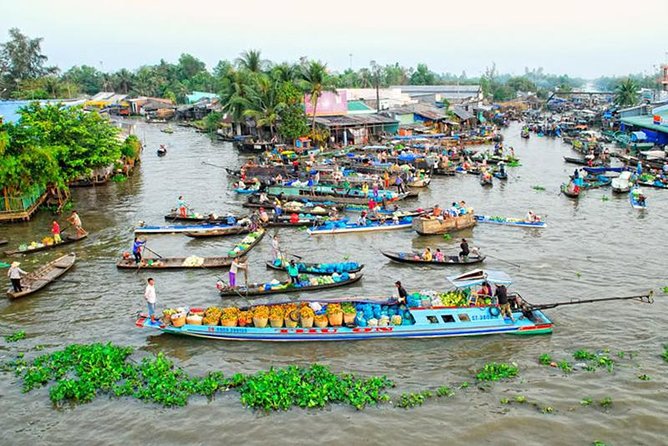
Cai Rang Floating Market is the headline. It’s also the part where expectations can break if you’re assuming a movie version of the market.
The tour description schedules Cai Rang in the early morning around 6:00 am, because that’s when it’s most active.
In real life, two things can affect what you see:
- Your exact arrival time (some groups meet even earlier, like 4:30 am).
- The fact that Cai Rang is primarily a working wholesale market. It’s not always a chaotic scene packed with tourist-style boat vendors.
So what can you expect?
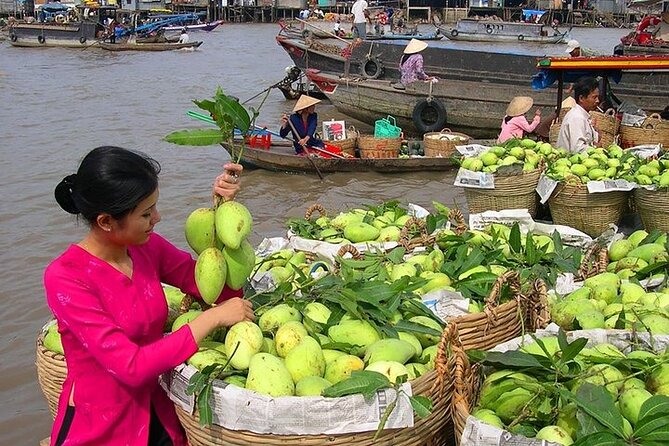
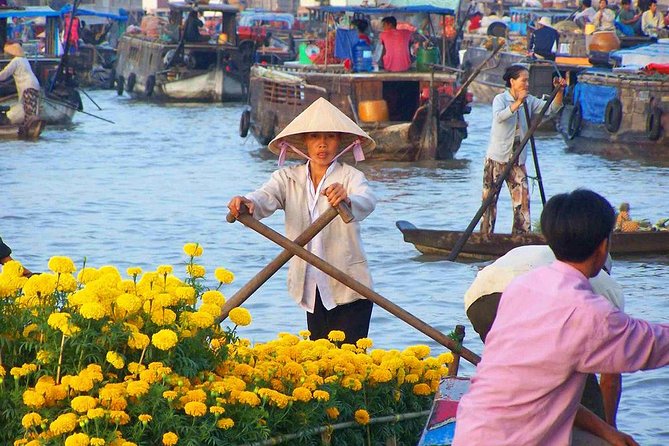
- Boats selling fruits and vegetables.
- Narrow water lanes where you can spot activity and trading behavior from the water.
- A guided explanation of how the market functions and why locals trade when they do.
What if it feels quiet?
If you arrive later than the most active window, the market can look sparse. Some experiences report that the “hustle and bustle” isn’t there at the time you reach the docks, or you mainly get approached by boats offering you fruit and snacks.
Here’s how to protect your experience:
- Treat the first hour like the main event. Don’t linger too long on snacks if you want to see activity.
- If your guide gives you timing choices, lean toward the earlier option.
- Keep your mind on wholesale work: even if there are fewer boats than the photos, you can still learn a lot about trade patterns.
Day 2 activities after the market: bikes and bánh xèo-style lunch
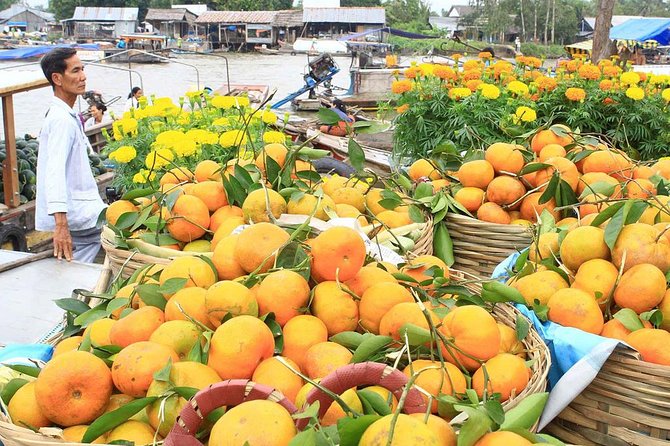
After Cai Rang, the tour moves into a more hands-on, local-food rhythm.
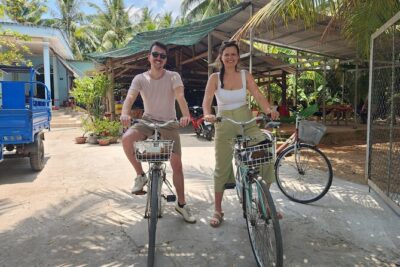
You may get a bike ride through villages, plus time around local markets. Some schedules include seeing more fish/meat market activity (the market scene you see can be very different from the floating market itself).
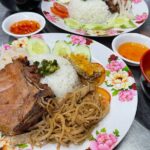
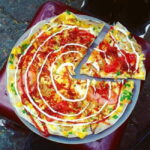
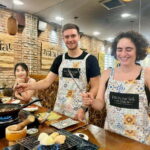
Lunch is a highlight: you can expect a bánh xèo / pancake-making style meal where you actively participate rather than just watching. It’s a fun change of pace after early mornings and boat time.
Timing note: some people describe Day 2 as more compact than they expected, especially once the tour shifts to lunch and the return toward Ho Chi Minh City. If you’re hoping to slow down and savor, plan to keep this as an “activity day,” not a free exploration day.
Back in Ho Chi Minh City: a local market break before you’re done
Once you’re back, the tour includes time for a local market in Ho Chi Minh City, often framed as a short stop with fresh produce, spices, and vegetables on colorful stalls.
This works well as a “wrap.” You end the trip with a familiar urban market scene right after river life, so you can compare how food moves from canal trade to street stalls.
It’s also a good moment to pick up edible gifts if you don’t want souvenirs.
Guides and group vibe: names to look out for
A tour like this rises and falls on the guide. You can feel the difference fast: pacing, humor, explanations, and how smoothly things run.
From strong experiences, a few names stand out:
- Bac: praised for being funny, caring, and moving the group smoothly while explaining Mekong food and culture.
- Joe: liked for humor and clear explanations of Vietnamese food, history, and culture.
- Lucky: described as enthusiastic and making the day feel well worth the effort.
- Simon: credited with making sure everything ran smoothly.
- Phuc and Van: highlighted for attentiveness and solid knowledge of the area.
You might also meet guides such as Alex or Binh on some departures. One group experience praised proactive communication when timing was messy, while another had complaints about rushed pickup and waiting.
The takeaway is simple: if your guide is warm and organized, you’ll enjoy even the shopping-heavy parts. If your guide is overly pushy or impatient, you’ll feel it.
Shopping pressure and tips: how to handle it without ruining your mood
Boat tours and craft stops in the Mekong often include opportunities to buy. That’s normal. What’s not always fun is the tone.
From the experiences shared here, you may run into:
- Guidance that encourages asking the guide for help before buying, which can feel like babysitting if you want independence.
- Pressure tied to “don’t buy without asking” rules.
- Rowers or vendors who expect tips for boat handling.
My balanced approach:
- Decide in advance if you want to buy. If yes, pick one or two items you truly want.
- If no, be firm and kind: no is a complete sentence.
- Carry small cash for tipping, especially for boat rowers and any short services that feel personal.
Also, if your guide’s humor leans into uncomfortable topics, you can gently steer it back. Your comfort comes first.
What the hotel, meals, and “vegan available” means in practice
Meals are included: breakfast plus two lunches, and breakfast is at the hotel on Day 2.
A practical win: the tour notes vegan food is available, which is not something every Mekong tour bothers to state clearly. If you need it, mention it during booking so it’s planned.
Meals tied to coconut and local production can be excellent, but plan for the reality of tour food: it can be good and still feel “set menu.” If you’re very picky, ask your guide where to grab a backup snack nearby in the evening.
Packing and timing tips that actually help
Keep this simple. You’re doing boats, docks, and early mornings.
Bring:
- Lightweight layers (early mornings can feel cool; sun can hit hard later)
- Water bottle
- Cash for snacks and any tipping situations
- Non-slip shoes for docks and uneven ground
- A small power bank (your phone will eat battery fast with photos and maps)
Timing:
- For Cai Rang, treat the earliest possible call time as the best call time.
- Day 1 is more relaxed than Day 2, so use that first day to get your sea legs, even if you’re only on short boat segments.
And one more thing: if you hate being rushed, tell your guide early that you want a bit more breathing time at major stops.
Should you book this Cai Rang and Mekong Delta tour?
Book it if you want a first-timer Mekong Delta overview with real river time, included meals, and one night in Can Tho. It’s also a good option if you like structured days and want someone else to handle transport and timing.
Skip it (or choose carefully) if you want maximum freedom, long unscheduled hours, or a floating market experience that matches the most dramatic tourist photos. Cai Rang can look quieter depending on exact timing, and the tour can include shopping stops where your guide’s style matters a lot.
If you do book, my advice is to go in prepared for early morning reality, keep your expectations tied to authenticity, and bring a small budget for small extras like tips and snack buys.
FAQ
How early do I need to wake for Cai Rang Floating Market?
The tour is scheduled to start Cai Rang Floating Market around 6:00 am. Some groups have been collected even earlier (reports include meeting around 4:30 am), so be ready for a very early start.
What’s included in the tour price?
Meals included are breakfast and two lunches, plus an English-speaking guide, air-conditioned transportation, all boat trips, and one night at a 3-star hotel in Can Tho. Hotel pickup and drop-off are included for central District 1.
Are meals available for vegetarians or vegans?
Yes. The tour notes vegan food is available.
Where is hotel pickup and where is the meeting point?
Pickup is for central District 1 hotels (not Dakao & Tan Dinh). The listed meeting point is 123 Lý Tự Trọng, Phường Bến Thành, Quận 1, and the activity ends back at this meeting point.
What hotel will I stay in?
The tour lists two possible 3-star options in Can Tho: Van Phat Riverside Hotel or Senior Hotel Can Tho.
Is there a single supplement for solo travelers?
Yes. A single supplement applies for the odd guest (number 3, 5, 7, or 9) to request a single room.