REVIEW · HO CHI MINH CITY
Saigon: City Highlights & Unseen Tour|Opt: Female Riders
Book on GetYourGuide →Operated by VIETNAM STREET FOODS TOUR · Bookable on GetYourGuide
Saigon feels like it’s moving at scooter speed. This 4-hour Ho Chi Minh City ride threads together big stories and everyday scenes, from the Thich Quang Duc monument to Chinatown’s Thien Hau pagoda and a 19th-century church. I especially like the contrast: color and smells at the Hoa Thi Ky flower market, then real brick-and-balcony life at the old apartment blocks. The possible drawback is simple—this is motorbike touring, so if you get motion or traffic stress easily, you’ll want to think hard before you sit behind a driver.
What I like even more is that you don’t just “see places.” You get a practiced route, English-speaking guides, and a proper food stop (grilled pork vermicelli with spring rolls or beef noodle soup). At about $24 per person for a half-day with helmet, raincoat, drinks, and a meal, it’s strong value—especially if you’re short on time. One more consideration: you can’t bring oversize luggage, so pack light.
In This Review
- Key reasons this Saigon scooter highlight ride works
- Scooters, districts, and why this route beats walking
- Thich Quang Duc monument: learning the story behind a landmark
- Hoa Thi Ky Flower Market: color you can smell and photograph
- Nguyen Thien Thuat apartments: everyday Saigon, not a staged postcard
- Chợ Campuchia (Cambodian Market): spices, snacks, and cross-cultural flavor
- District 5’s Thien Hau pagoda (built 1760): Chinatown heritage in motion
- The first church in Chinatown (1865): how Saigon held many faiths
- Food stop: grilled pork vermicelli or beef noodle soup
- Safety and gear on a motorbike in Ho Chi Minh City
- Female rider option and the Ao Dai request detail
- Price: $24 for four hours, gear, drinks, and a meal
- Who should book this Saigon scooter highlights ride
- Should you book this tour or not?
- FAQ
- How long is the tour?
- Where does the pickup happen?
- Is there an English-speaking guide?
- What food is included?
- What are the main stops on the route?
- Is the tour on a motorbike?
- Do I need to request a female Ao Dai rider?
- What safety gear is provided?
- What luggage is allowed?
- What’s the cancellation policy?
Key reasons this Saigon scooter highlight ride works
- Thich Quang Duc monument: a powerful 1963 protest story tied to a landmark stop
- Hoa Thi Ky Flower Market: the largest Saigon flower market, made for photos and quick browsing
- Nguyen Thien Thuat apartments: old, lived-in buildings that show daily Saigon life without a script
- Chợ Campuchia (Cambodian Market): a smaller market with Vietnamese–Cambodian snacks and spice culture
- Thien Hau pagoda (1760): Chinatown’s oldest temple stop with Chinese heritage context
- First Chinatown church (1865): a French Mission-era church tied to the area’s mixed past
Scooters, districts, and why this route beats walking
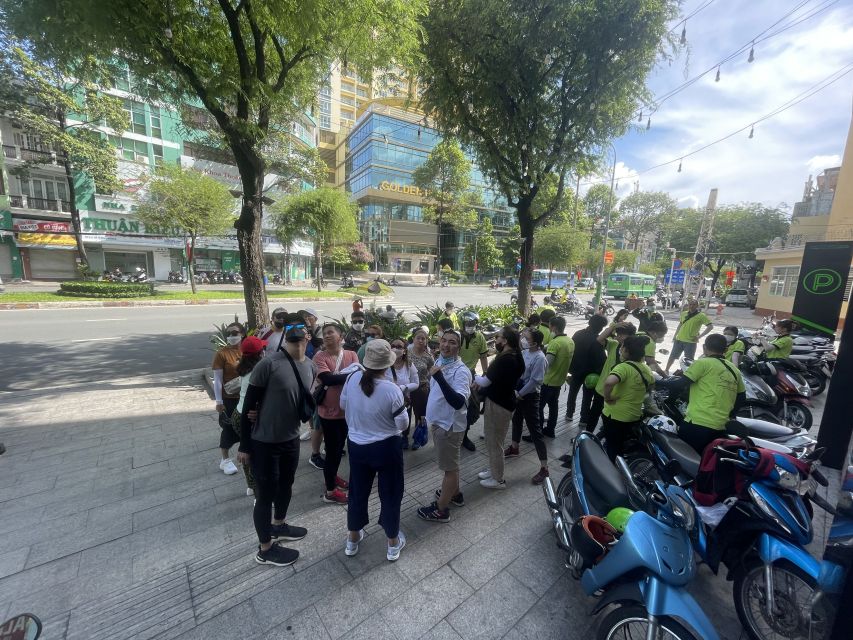
Saigon is one of those cities where time gets eaten by traffic lights, long crosswalk waits, and the sheer effort of covering multiple districts on foot. This tour solves that by using motorbikes, so you can cover several neighborhoods in a single half day without feeling like you’re speed-walking through heat.
You’ll have pickup and drop-off in District 1, 3, and 4 (with some exclusions), plus a guide who keeps the pace moving while still letting you pause for photos at key moments. The tour is private, and the guiding language is English, which matters because you’re not just looking at buildings—you’re getting the “why” behind them.
And the “value math” is easy here: you’re paying for 4 hours of transportation plus gear (an open-faced helmet and raincoat if needed), two drinks, and one meal. If you’re planning to separately pay for a food stop and a city transfer, the $24 price starts looking less like a bargain and more like a practical deal.
You can also read our reviews of more city tours in Ho Chi Minh City

Thich Quang Duc monument: learning the story behind a landmark
The ride begins (or passes) the Thich Quang Duc monument, a stop that isn’t about shopping or sightseeing. It’s about context. Your guide explains the story of Thích Quảng Đức, the Buddhist monk who self-immolated in 1963 as an act of protest. Even if you’ve heard the name before, this kind of stop helps you connect the event to place and memory in modern Saigon.
Why this matters for you: Saigon’s streets can feel like they’re all present-day motion. A monument stop slows that down just enough to give you a deeper timeline of what people here have lived through. It also frames the rest of your route, because later stops in Chinatown and around older religious sites feel less random once you understand how protest, religion, and public space have shaped the city.
Practical note: this is a thoughtful stop, so don’t rush it. If you’re the type who likes to absorb, this is one moment where going quiet for a few minutes pays off.
Hoa Thi Ky Flower Market: color you can smell and photograph
Then you hit Hoa Thi Ky Flower Market, described as the biggest flower market in Saigon. This is one of those places where the city seems to shrink into a flower village—rows of roses, orchids, lilies, and vendors calling out in a rhythm you can feel.
I like this stop because it’s sensory without being complicated. You’re not trying to figure out where to stand. You walk, look, smell, and take photos while the market does what markets do. If you want a small souvenir, you can even grab a mini bouquet to brighten the rest of your ride—simple, visual, and locally sourced.
A small caution: markets can get busy and crowded, so keep your helmet and belongings handled carefully. The guide’s job is to keep you moving safely, but your job is to stay aware—especially if you’re stopping for photos near sellers and carts.
Nguyen Thien Thuat apartments: everyday Saigon, not a staged postcard
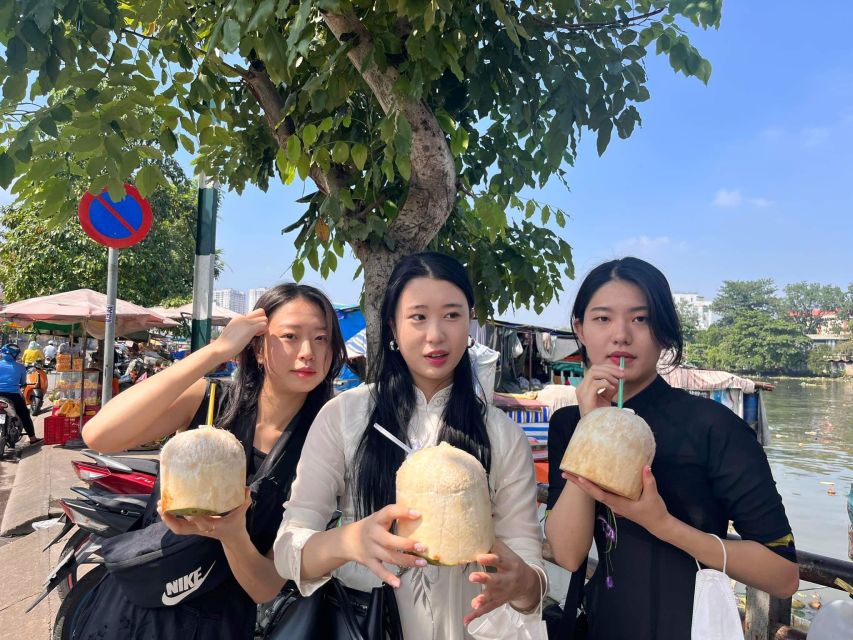
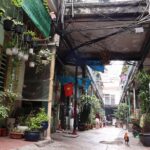
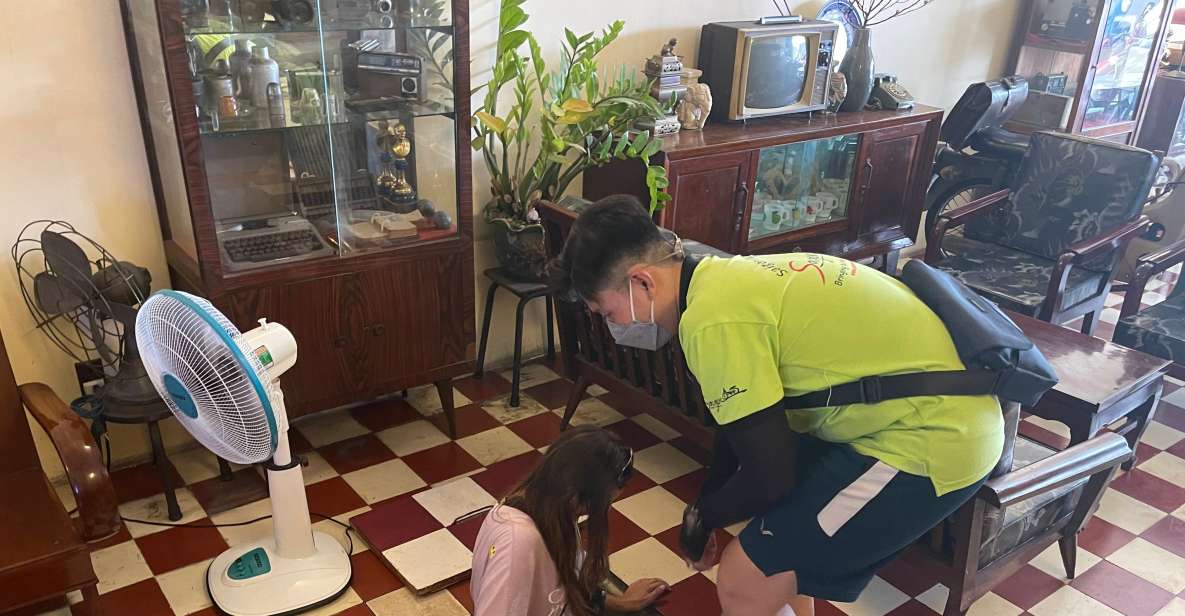
Next come the Nguyen Thien Thuat apartments. These blocks are old and lived-in, and that’s the point. Instead of visiting a “heritage building” where everything is restored and quiet, you’re looking at ordinary life: balconies, doorways, and the kind of residential density that makes Saigon feel unmistakably real.
Why I think this stop is worth it: many city tours only show you what’s impressive. This adds what’s normal. You start to understand how Saigon residents actually occupy the city—vertically, close together, and with daily life right on the street’s edge.
Downside to consider: because it’s a lived-in neighborhood view, be respectful. Don’t block entrances or act like you’re filming a movie set.
Chợ Campuchia (Cambodian Market): spices, snacks, and cross-cultural flavor
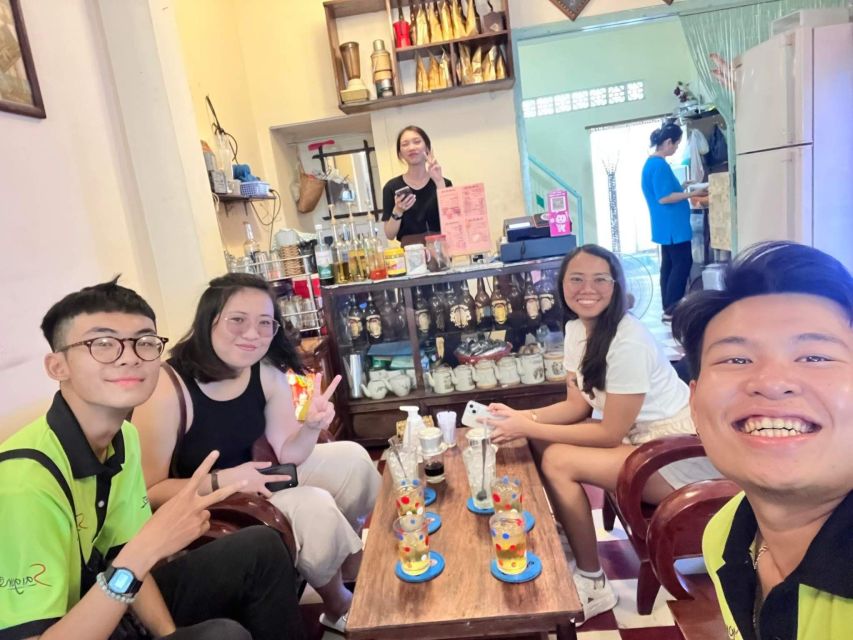
From there you continue into District 5 for the Cambodian Market (Chợ Campuchia). This is the kind of stop that feels smaller than the major attractions, but that’s exactly why it works. You get a mix of Vietnamese and Cambodian culture—snacks, spices, and sights you might not bump into on the usual checklist.
What you’ll likely do here is slow down and browse. Markets like this are great for light tasting and curiosity shopping, not for formal sit-down meals. If you’re the type who likes to connect through food and small purchases, this will land well.
Consideration: expect lots of movement and close quarters. Keep your phone secured, and trust your guide to help you navigate calmly.
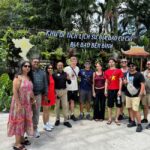
District 5’s Thien Hau pagoda (built 1760): Chinatown heritage in motion
Now the route turns toward religious heritage in Chinatown with the Thien Hau Temple, built in 1760. This is the kind of stop that makes the area’s identity make sense. Thien Hau is associated with Chinese heritage and community life, and being able to place it in time (1760) gives you a better sense of how long Chinatown has existed as more than a tourist label.
I love temples like this on a motorbike tour because you arrive from streets, not from an entrance gate. You see how religious life sits next to daily living—small details, incense moments, and the feeling that this isn’t just history. It’s still part of how people navigate their community.
Potential drawback: if you’re hoping for a long museum-style explanation, you may find the pacing more “stop-and-learn” than “lecture.” Still, that’s usually the right format when you’ve got multiple districts to cover.
The first church in Chinatown (1865): how Saigon held many faiths
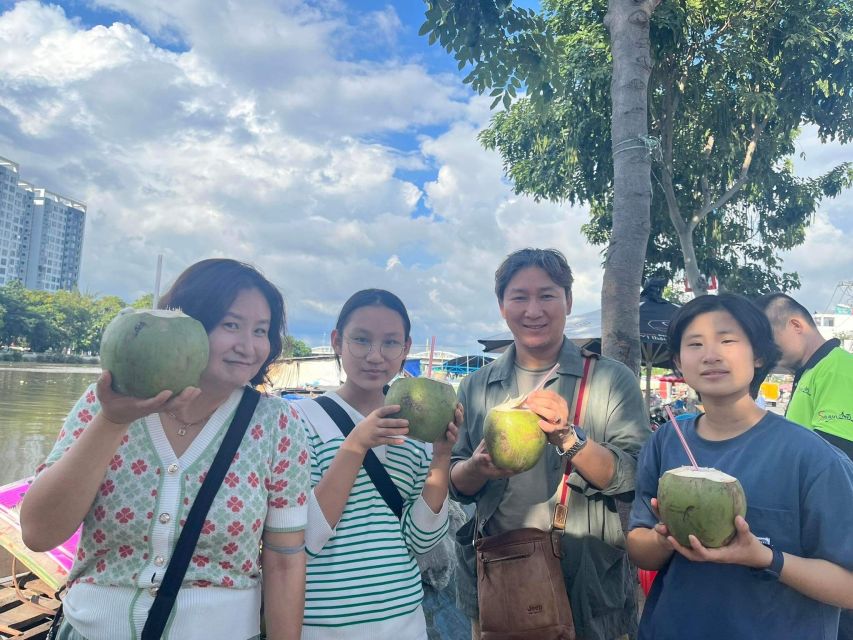
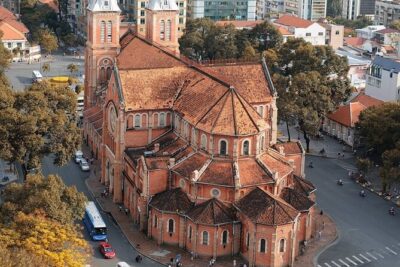
The last major historical stop is the oldest church in Ho Chi Minh City’s Chinatown area, built in 1865 by Father Phillippe, a priest of the Paris Missionaries Association of the Diocese of Canton. This is where Saigon’s religious diversity shows up in architecture and dates, not just in general talk.
Why it’s meaningful for you: it’s a reminder that cities aren’t one-story places. Saigon’s story is layers—Buddhist protest memory, Chinese temple heritage, and French Mission-era church history in the same wider urban world.
Practical note: for religious sites, dress and behavior matter. Keep it respectful and follow your guide’s cues.
Food stop: grilled pork vermicelli or beef noodle soup
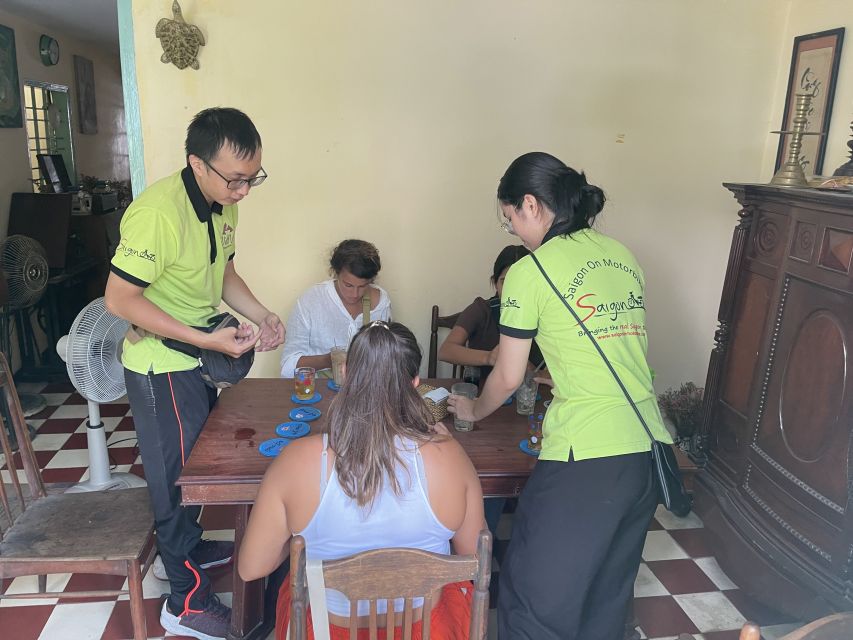
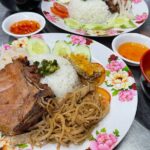
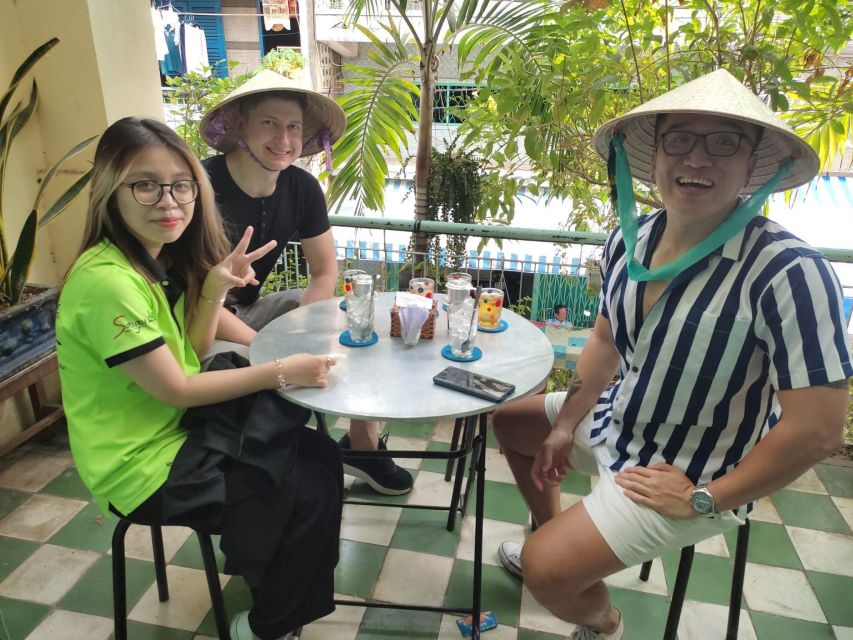
This tour finishes with a local noodle meal and includes two drinks plus the meal itself. The options highlighted are grilled pork vermicelli with spring rolls or beef noodle soup (pho-style). That choice is practical: both options are widely loved, filling, and easy to eat without needing fancy cutlery.
I like this part because it’s not a “performance meal.” You’re not eating in an isolated show kitchen. You’re eating as part of the route, with the day’s sights still fresh, and you get a sense of what people actually reach for during a normal outing.
If you have dietary needs, your best move is to communicate clearly to your guide during the tour. The data you provided shows at least one case where a vegetarian option was arranged by request, which suggests the guides do respond when they can.
Safety and gear on a motorbike in Ho Chi Minh City
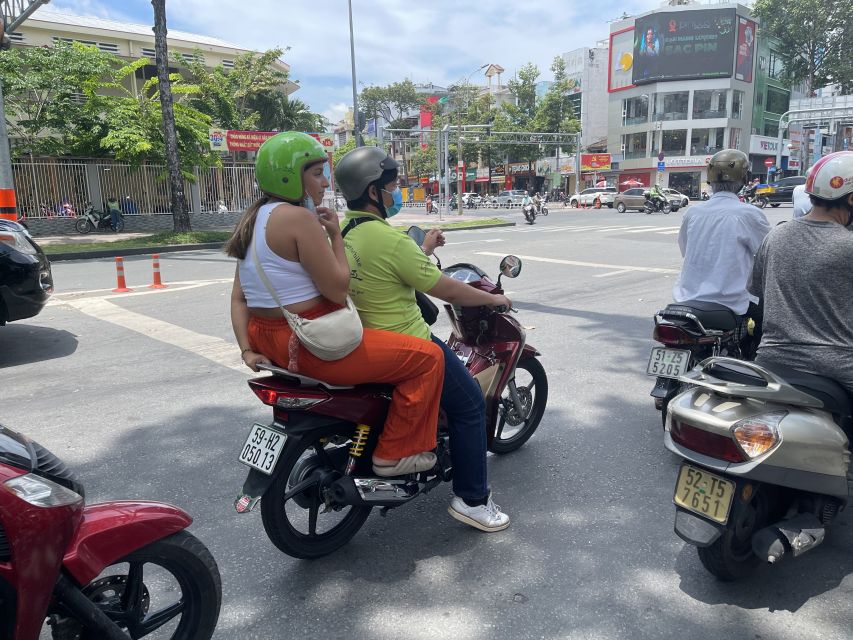
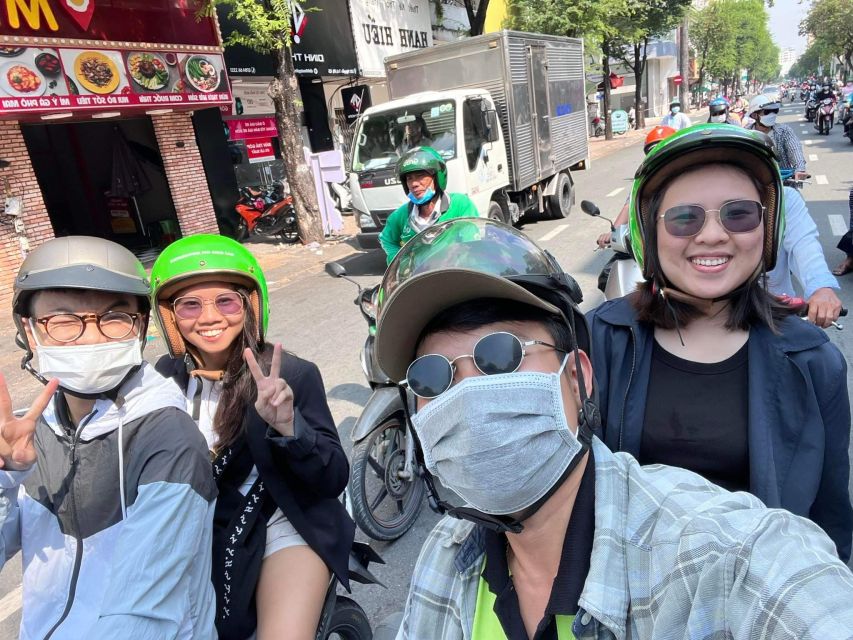
This is the section people worry about, and it’s right to worry. You get a high-quality open-faced helmet and a raincoat if needed. You also get accident insurance, which is a relief when you’re trying to balance excitement with responsibility.
Also, transport quality is rated very highly—96% of reviewers gave the transport a perfect score. While ratings aren’t a substitute for good driving, they do suggest consistent performance and care.
My practical advice: when the guide hands you the helmet, make sure it fits snugly and sits right. Then sit balanced and hold on where the driver expects you to hold. The guides here are used to English-speaking riders on the back of their bikes, so if you’re unsure, ask right away.
Female rider option and the Ao Dai request detail
This tour is offered with an option for female riders, and it’s run with friendly English-speaking guides. There’s also a specific Ao Dai rider request rule: if you want female Ao Dai riders, you need to request it at least 6 hours in advance. If you request within 6 hours or on crowded days, the rider assignment can be random (male or female).
If you care about this detail, plan ahead. It’s one of those “small logistics” things that can decide how well the tour matches your comfort level and expectations.
Price: $24 for four hours, gear, drinks, and a meal
Let’s talk value without pretending all tours are the same. At $24 per person for 4 hours, you’re getting:
- motorbike tour time with pickup and drop-off
- helmet and raincoat if needed
- two kinds of drink
- one meal (noodles)
- accident insurance
- an English-speaking guide
That’s a bundle. If you’d otherwise spend money on transport plus a meal plus a guide, the price starts making sense as a practical way to use a half-day well.
What could reduce value for you: if you already know you’ll dislike scooters, or if you want long indoor stops and deep museum time. This tour is built for street-level scenes, short focused stops, and a steady ride rhythm.
Who should book this Saigon scooter highlights ride
Book it if you want:
- a fast way to see multiple districts
- a route that includes religion, markets, and everyday buildings
- an English-speaking guide who can connect history to what you’re actually seeing
- a noodle lunch that feels like part of the day, not a detour
Skip it or consider an alternative if:
- motorbikes make you uncomfortable
- you need slow-paced, quiet sightseeing with lots of time standing in one place
- you’re carrying oversize luggage (it’s not allowed)
One more match note: this is a good option for first-time Saigon visitors who want a guided “sense of the city” without committing to a full-day plan.
Should you book this tour or not?
If you’re in Ho Chi Minh City for a short window and you want more than a photo checklist, I’d book this. The best reason is the mix: monument story, flower market senses, old apartment texture, Chinatown temple heritage, and a proper noodle stop—all in a manageable 4 hours.
Only pass if scooters genuinely make you anxious or if you’d rather spend your time in one museum area instead of moving district to district. Otherwise, it’s one of the more practical ways to understand Saigon quickly, while still leaving room for a few personal detours after the tour.
FAQ
How long is the tour?
It’s a 4-hour motorbike tour.
Where does the pickup happen?
Pickup is included from District 1, District 3, and District 4, with some exclusions.
Is there an English-speaking guide?
Yes, the live tour guide speaks English.
What food is included?
You’ll get 2 kinds of drinks and 1 meal, with noodle options such as grilled pork vermicelli with spring rolls or beef noodle soup.
What are the main stops on the route?
The tour includes the Thich Quang Duc monument, Hoa Thi Ky Flower Market, Nguyen Thien Thuat Apartments, Chợ Campuchia (Cambodian Market), Thien Hau Temple (built 1760), and the first church in Chinatown (built 1865).
Is the tour on a motorbike?
Yes. It’s a 4-hour tour on a motorbike.
Do I need to request a female Ao Dai rider?
If you want a female Ao Dai rider, you must request it at least 6 hours in advance. If you request within 6 hours or on crowded days, riders may be randomly assigned.
What safety gear is provided?
You’ll receive a high-quality open-faced helmet and a raincoat if needed, plus accident insurance.
What luggage is allowed?
Oversize luggage is not allowed.
What’s the cancellation policy?
Free cancellation is available up to 24 hours in advance for a full refund.