REVIEW · HO CHI MINH CITY
Ho Chi Minh City Sightseeing Panoramic Cycling Tour By Cyclo
Book on GetYourGuide →Operated by Vietnam Package Tours · Bookable on GetYourGuide
Pedal-powered history in Saigon traffic. A private panoramic cyclo tour threads together big sights and real street scenes, with hotel pickup and an English-speaking guide.
I love the way the War Museum turns Vietnam’s history into vivid, hard-to-ignore exhibits. I also like seeing the French colonial core from street level—Independence Palace, City Hall, Opera House—then steering toward quieter local life in Chinatown.
One drawback to plan for: if you pick a 1–2–3 hour tour, you may not have time to enter buildings, and the War Museum can be unavailable if you book after 3:00 PM.
In This Review
- Key Highlights You’ll Feel on This Tour
- How Panoramic Cyclo Touring Changes the Ho Chi Minh City Experience
- War Museum: Vietnam’s Story in Exhibits, Not Soundbites
- Independence Palace, City Hall, and the French Colonial Center
- Nguyễn Huế Walking Street: Easy Stroll Time and Street-Scene Focus
- Burning Monk Monument and the Weapon Bunker: Respectful, Clear Context
- Chinatown Route: Chinese Pagoda, Market Energy, and Local Corners
- Riding the City: Traffic Skills, Pace, and Comfort Tips
- Price and Value: Why About $24 Can Make Sense
- Choosing 1, 2, 3, or 4 Hours: What Actually Changes
- Who This Cyclo Tour Fits Best (and Who Should Skip It)
- Should You Book This Panoramic Cyclo Tour?
- FAQ
- How long is the Ho Chi Minh City panoramic cyclo tour?
- Is this tour private?
- Does the tour include hotel pickup and drop-off?
- Do I get entry tickets to buildings?
- Which language is the guide?
- Is the War Museum always available?
- Is a night tour available?
- What’s the main rule during the tour?
- Is the tour suitable for wheelchair users?
- FAQ
- Can I cancel for free?
- Do I have to pay immediately?
Key Highlights You’ll Feel on This Tour
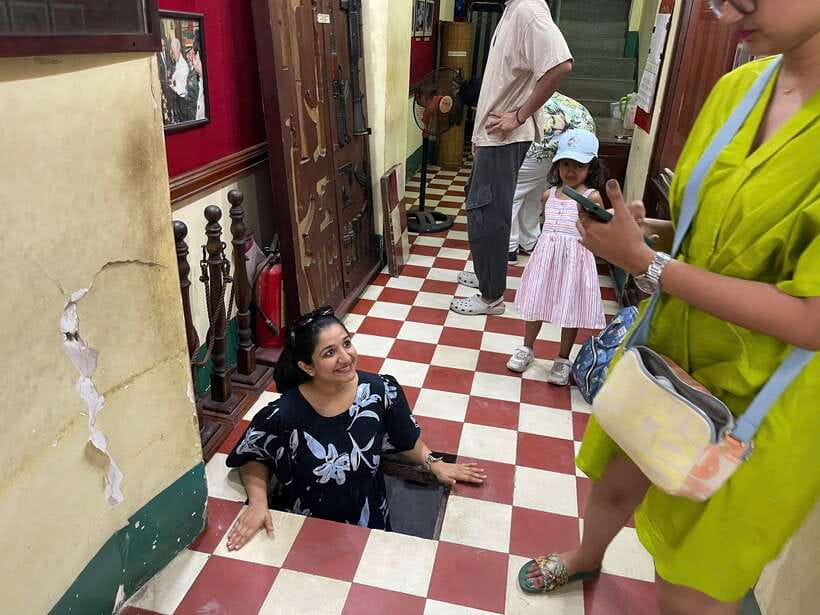
- War Museum exhibits that explain Vietnam’s past in powerful, practical context
- French colonial landmarks like Independence Palace and City Hall from ground level
- Nguyễn Huế Walking Street with shops, fountains, and easy people-watching
- Burning Monk Monument for a respectful stop tied to civil protest
- Chinatown + Chinese Pagoda paired with a local-market feel
- Night options that can shift toward Bùi Viện Walking Street for evening energy
How Panoramic Cyclo Touring Changes the Ho Chi Minh City Experience
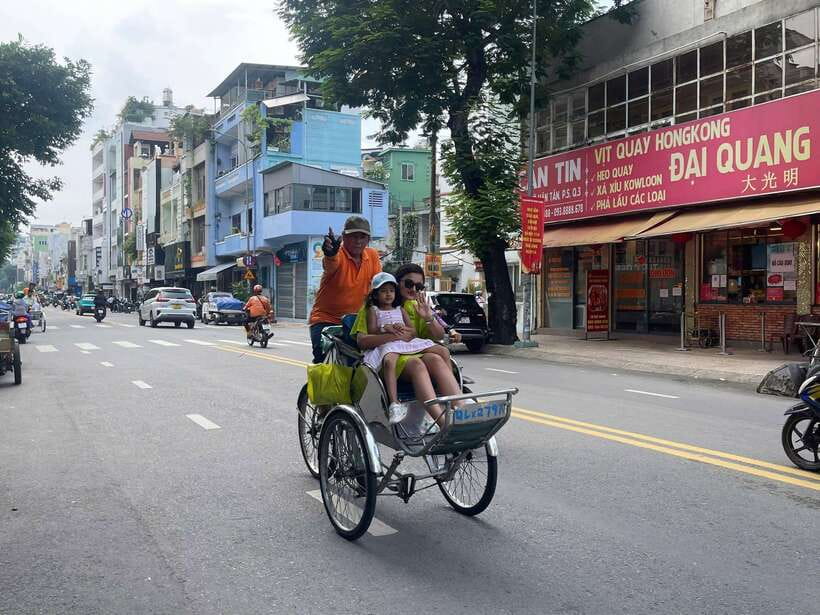
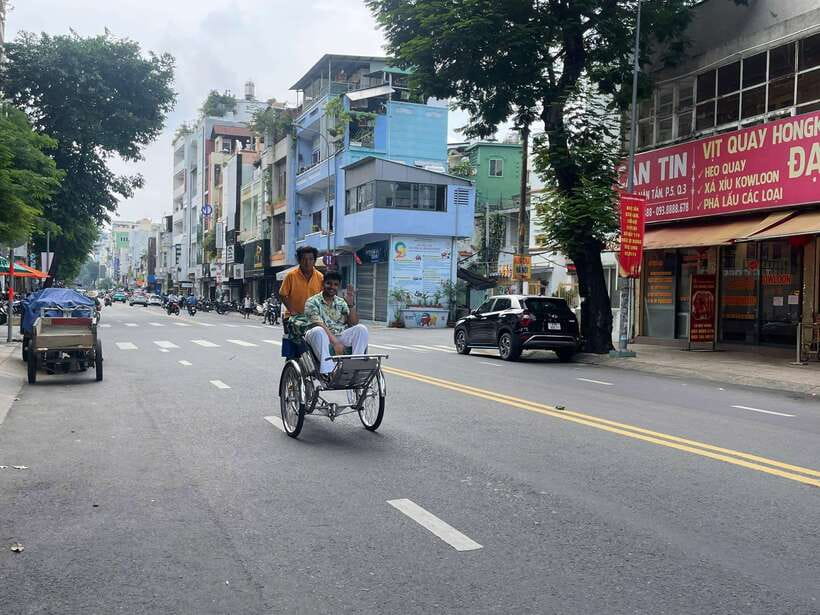
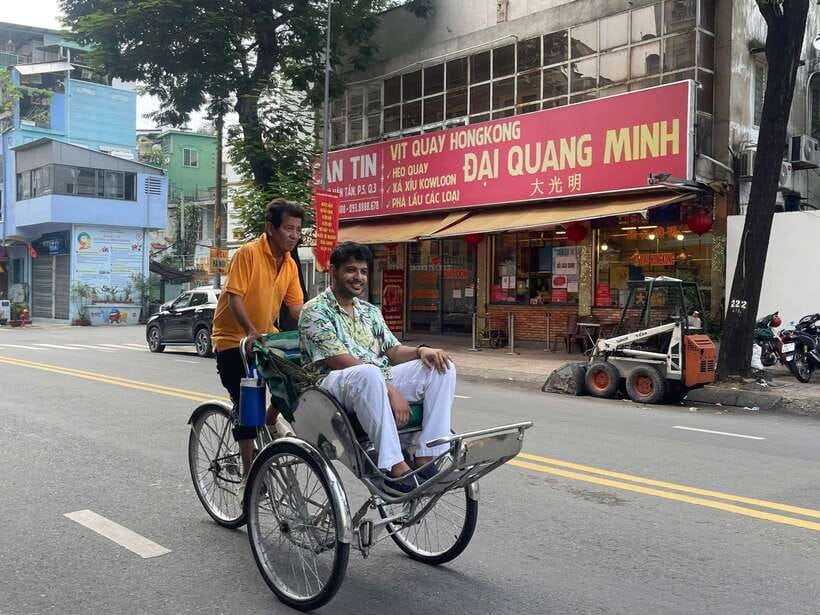
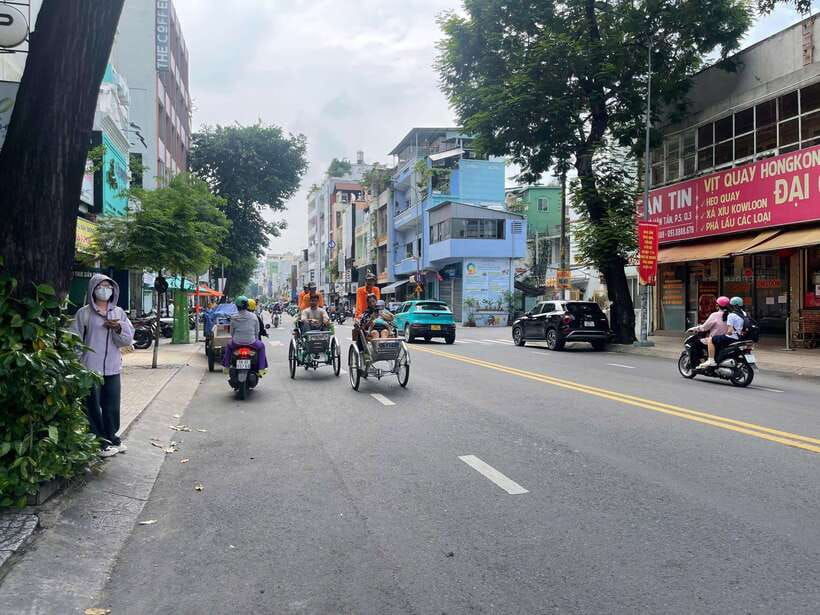
This isn’t a sit-and-stare city bus tour. On a cyclo, you move through Ho Chi Minh City with your eyes open. You’ll get that front-row view of street life, scooters slipping by, storefront rhythms, and the little sight lines you’d never notice from a larger vehicle.
The “panoramic” part matters. Even when traffic gets busy, the ride keeps you oriented. Instead of juggling maps on your phone, you’re passively exploring while your guide points out what’s worth a second look. If you’re short on time, it’s a smart way to get your bearings fast without feeling like you’re speed-running everything.
Because it’s private, you can usually shape the pacing. Some guides also take photos or videos along the way, so you end up with more than just memories in your head.
You can also read our reviews of more cycling tours in Ho Chi Minh City


War Museum: Vietnam’s Story in Exhibits, Not Soundbites
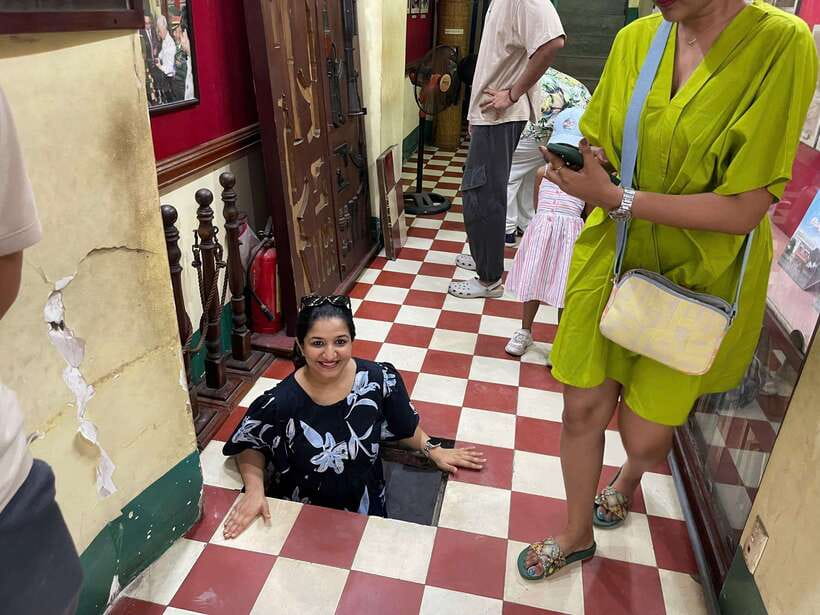
The War Museum stop is the one that people remember. It’s not just a landmark on a route; it’s a chance to understand Vietnam’s history through strong, detailed exhibits. If you’ve seen photos online, you’ll recognize themes—but here, the context hits harder and makes the city’s modern layout feel more meaningful.
What I’d expect you to appreciate is how the tour frames the museum within the day. You’re not dropping into a random building and hoping you connect the dots. You’re riding in the city, seeing nearby symbolism, then stepping into a place where the history is explained through artifacts, documents, and visual material.
Practical note: for shorter tours, you might not have time to fully go through everything. And if your booking is after 3:00 PM, the museum may not be available. So if history is your main goal, plan your time early.
Independence Palace, City Hall, and the French Colonial Center
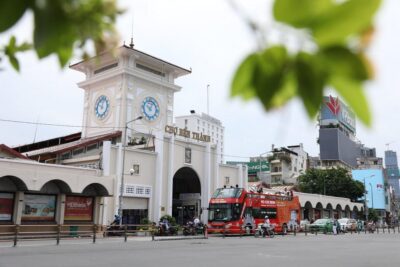
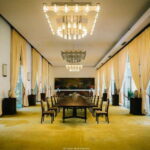
After the museum, you’ll move into the architectural contrast that makes Ho Chi Minh City such a fascinating place to walk (and ride). The big French colonial landmarks—Independence Palace and City Hall—sit in a part of town that feels designed for grand statements. From the road, you can see those facades clearly, and from the cyclo you get the scale without needing to pack your day with long walks.
You’ll also see other central icons included in the route, like the Opera House and the Saigon Post Office. Even if you don’t go inside (or you don’t have time for it), spotting these buildings helps you understand how the city’s identity layers over time: colonial planning in one direction, local life and modern Vietnam in the next.
If you’re photographing, this is where the cyclo angle helps. You often get a better street-level perspective than you would from a sidewalk crowd, and you’re less likely to lose the building to traffic haze or scaffolding because you’re moving along with it.
Nguyễn Huế Walking Street: Easy Stroll Time and Street-Scene Focus
A highlight for many people is time around Nguyễn Huế Walking Street. This is the kind of place where the city shifts from monument to everyday spectacle: shops, people passing by, and fountains that add a splash of motion to your photos.
What makes this stop useful is the way it breaks up the day. After history and heavy architecture, you get a calmer rhythm where you can slow down and just look. If you like buying a small snack, grabbing bottled water, or watching how people use the sidewalks, this is a good moment to do it.
It’s also a helpful “mid-tour reset.” You’re getting fresh air and casual city texture, not just checklist landmarks.
Burning Monk Monument and the Weapon Bunker: Respectful, Clear Context
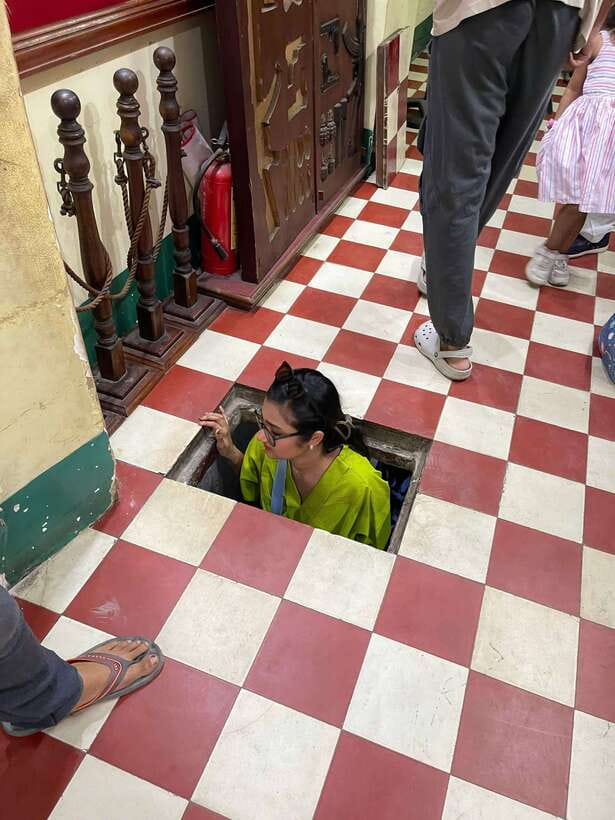
Two stops—Burning Monk Monument and the Weapon Bunker—shift the tour into deeper emotional territory. The Burning Monk Monument is a tribute connected to a monk’s courageous protest. The Weapon Bunker adds another layer by focusing on wartime survival and strategy.
If you’re the type who wants context rather than just sightseeing, these are strong anchors. They connect history to tangible places, and they help you see why the city carries memory in public spaces.
One thing to be aware of: emotional stops like these can take longer than you expect. People sometimes rush through photos and miss the guided explanation. Give yourself time to listen, even if you think you know the story already.
You can also read our reviews of more city tours in Ho Chi Minh City




Chinatown Route: Chinese Pagoda, Market Energy, and Local Corners
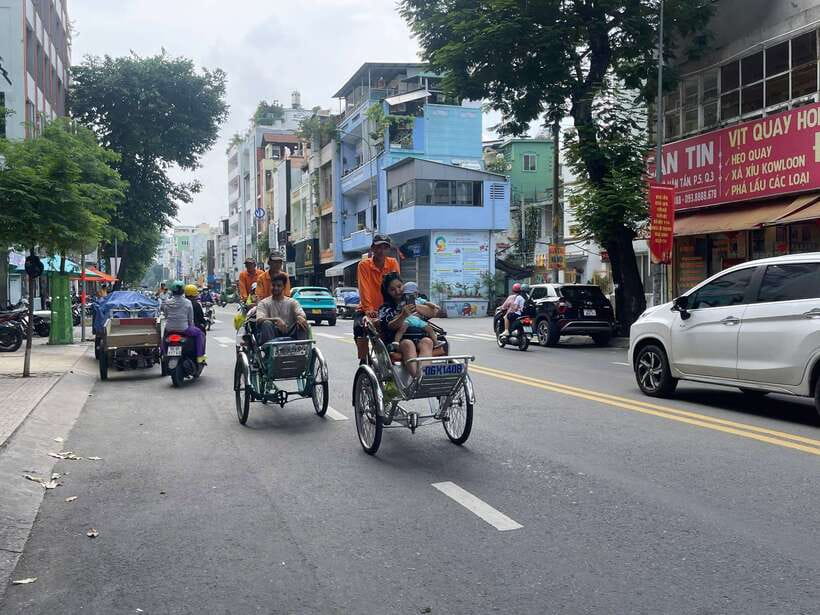
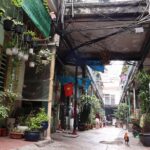
The Chinatown portion is one of the most practical parts of the day because it shows the city as a place where people live and trade. You’ll pass the Chinese Pagoda and spend time around a local market feel, plus you’ll ride through neighborhood sections where the vibe changes again.
This is where you’ll likely appreciate the cyclo setup most. Chinatown can be walkable, but you still end up crossing busy lanes and dodging scooter flow. On a cyclo, you can keep moving while still seeing what you’d want to notice on foot: storefront details, religious iconography, and the flow of people who know where they’re going.
If you want a quick sense of what the market life feels like without committing to a long shopping hunt, this portion does exactly that.
Riding the City: Traffic Skills, Pace, and Comfort Tips
Ho Chi Minh City traffic is part of the experience here—because you’re not avoiding it, you’re riding through it. That’s thrilling for some people and stressful for others, so here’s how to think about it.
- You’ll likely feel more secure when you treat the cyclo as a guided ride, not a DIY adventure. Your guide is there to keep things organized.
- The tour includes a cyclo and rider, so you’re not paying extra for transportation that you still have to plan.
- Some guides may follow the route with extra support (you might see them on another vehicle), which can help when streets get complicated.
Comfort-wise, wear breathable clothes and bring sunglasses if you’re sensitive to sun. If you’re sensitive to strong visuals, the museum and bunker stops can be intense—pace yourself.
And a quick rule: no smoking is allowed during the tour.
Price and Value: Why About $24 Can Make Sense
At about $24 per person, this tour is priced like a value-focused way to hit several major sights without spending your entire day in transit. The key is what’s included.
You get:
- An English-speaking tour guide
- Pickup and drop-off at your hotel
- A private cyclo (cyclo and rider)
- In the 4-hour option, ticket entrance is included
- A holiday surcharge is excluded, if that applies to your travel date
Here’s how to judge value for your specific trip. If you only plan to do one or two sights on your own, you might spend the rest of the day figuring out routes. If you’re doing a “highlights day,” this becomes cheaper than paying admission and transportation repeatedly—plus you’re saving mental energy.
The biggest price-to-value improvement is choosing the right duration. If you pick 1–2–3 hours, you’ll likely spend more time riding and seeing exteriors than doing multiple interior visits. If you pick the 4-hour option, you’re set up better for ticketed stops.
Choosing 1, 2, 3, or 4 Hours: What Actually Changes
The itinerary can shift depending on your selected duration and on weather and timing. Still, the practical difference is clear:
- 1–2–3 hours: You may not have enough time to enter buildings. Expect more exterior landmarks and shorter transitions between sights.
- 4 hours: Ticket entrance is included, so you’re more likely to be able to access key indoor stops.
There’s also a timing constraint to keep in mind. If you book after 3:00 PM, the War Museum may be unavailable. If history is your priority, aim to schedule earlier.
If you’re doing a night tour, you can get evening energy and possible itinerary adjustments toward Bùi Viện Walking Street. Night gives you different light on the streets, and it’s a different side of the city than daytime architecture-hunting.
Who This Cyclo Tour Fits Best (and Who Should Skip It)
This tour is a great fit if:
- You’re in Ho Chi Minh City for a short stay and want top highlights quickly
- You want both big landmarks and real neighborhood scenes (not just monuments)
- You like guided context, especially for Vietnam’s history
It’s less ideal if:
- You need wheelchair access. This tour is not suitable for wheelchair users.
- You’re expecting a long, slow, deep-immersion museum day. Short durations can limit building entry.
Also, if you hate traffic noise or stress easily, the city riding component may feel like a challenge. For most people, it’s manageable because you have a guide running the show.
Should You Book This Panoramic Cyclo Tour?
If you want an efficient, guided way to see Ho Chi Minh City’s major icons plus Chinatown—and you care about understanding history beyond a photo—this is an easy yes. The strongest selling points are the museum-based context and the combination of colonial landmarks with everyday street life.
Book it with smart expectations:
- Pick 4 hours if you want a better chance at entering buildings and not just viewing from the curb.
- Schedule before 3:00 PM if the War Museum is a must.
- Consider a night option if you want Bùi Viện Walking Street energy and different city lighting.
You’ll leave with a clearer mental map of Saigon, plus a sense of how the city’s modern look connects to what happened here.
FAQ
How long is the Ho Chi Minh City panoramic cyclo tour?
The tour runs for 1 to 4 hours, depending on the option you choose.
Is this tour private?
Yes. It’s listed as a private tour.
Does the tour include hotel pickup and drop-off?
Yes. Pickup and drop-off at your hotel are included.
Do I get entry tickets to buildings?
For the 4-hour option, ticket entrance is included. For shorter options, you might not have enough time to enter buildings.
Which language is the guide?
The tour includes an English-speaking tour guide.
Is the War Museum always available?
Not always. If you book after 3:00 PM, the museum may be unavailable.
Is a night tour available?
Yes. For a night tour, you can enjoy Bùi Viện Walking Street, and the itinerary may adjust for night views.
What’s the main rule during the tour?
Smoking is not allowed.
Is the tour suitable for wheelchair users?
No. It is not suitable for wheelchair users.
FAQ
Can I cancel for free?
Yes. You can cancel up to 24 hours in advance for a full refund.
Do I have to pay immediately?
No. You can reserve now & pay later to keep your plans flexible.