REVIEW · HO CHI MINH CITY
Mekong Delta 2-Day Tour: Floating Markets & Cultural Exploration
Book on Viator →Operated by TNK Travel · Bookable on Viator
Morning coffee and floating markets feel worlds apart. This 2-day Mekong Delta tour is a practical way to see river life without getting lost, and I especially like the Cai Rang floating market morning timing plus the hands-on food moments like the cooking class in Tan Phong. The tour also keeps the group small, so your English-speaking guide can actually explain what you’re seeing instead of just herding people from stop to stop.
One thing to think about: pickup can be tricky depending on where your hotel is. Some locations in District 1 are workable, but traffic rules can block certain streets, and there can be extra pickup charges if you’re outside District 1. Also, even with a good itinerary, parts of the day can feel a bit scheduled.
In This Review
- Key things I’d focus on before you go
- Entering the Mekong from Ho Chi Minh City: what this tour actually solves
- Day 1 in Cai Be and Tan Phong: riverside commerce and slower village rhythms
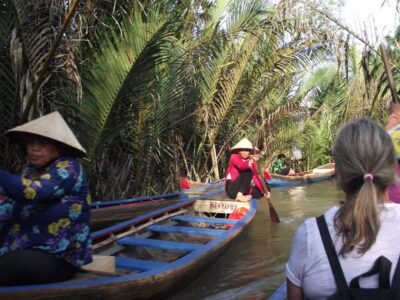
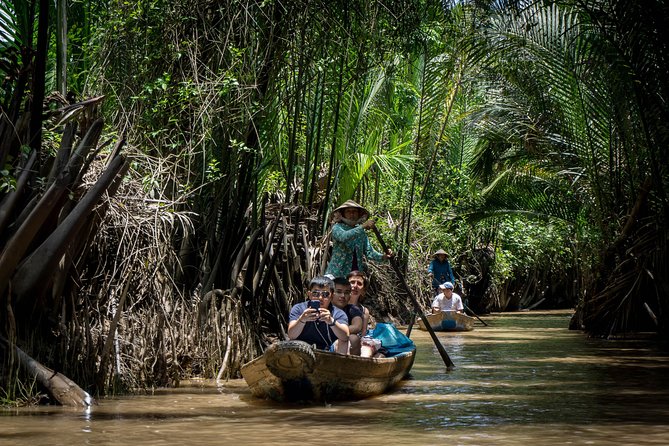
- Cai Be and a Tien River boat ride you can actually enjoy
- Nhà cổ Ông Kiệt: an antique house that explains architecture and family wealth
- Tan Phong sweets and rice popcorn: tasting what locals snack on
- Quiet canals, then bicycle time through fruit-and-rice countryside
- Lunch plus a hands-on cooking class: make it, then eat it
- Evening transfer and Can Tho hotel check-in
- Day 2’s Cai Rang floating market: the best time, plus noodles and a Khmer temple
- Cai Rang by boat: watching vendors and their sample poles
- A noodle factory stop that makes Vietnam’s pantry make sense
- Munir Ansay Pagoda: Khmer artistry in a delta setting
- Cồn Sơn: eco-minded crafts, a cake-making workshop, and orchard fruit tasting
- Price and what you’re really buying for $119
- Guides and group size: the small-group feel (and why it matters)
- How to make this tour feel like your trip, not a schedule
- Who should book this Mekong Delta 2-day tour?
- Should you book it?
- FAQ
- What time is the pickup and where is the meeting point?
- Do I get an overnight hotel included?
- What meals and activities are included in the price?
- How big is the group?
- Will pickup work if my hotel is outside District 1?
- Is the tour suitable for everyone?
- What if I need to cancel, or the tour is stopped due to weather?
Key things I’d focus on before you go
- Cai Rang works best early: you see the market when boats are active and before the day gets too loud.
- You get village context, not just photos: antiques, family-run food stops, and orchard time help connect the dots.
- A real cooking class: you make spring rolls and rice paper, then eat what you helped prepare.
- Con Sơn adds crafts plus fruit tasting: cake-making workshop and seasonal fruit orchard visits are part of the flow.
- Small group scale (but confirm yours): the tour is described as capped at 15, while the activity info lists a maximum of 25—check your booking confirmation.
Entering the Mekong from Ho Chi Minh City: what this tour actually solves
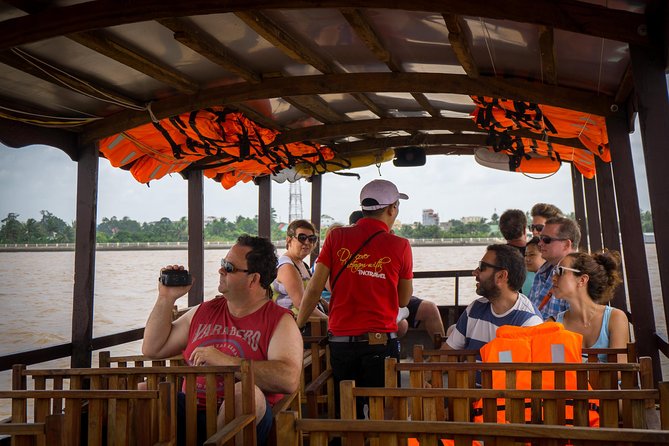
Ho Chi Minh City is fast, loud, and very not-Mekong Delta. This tour fixes the main problem most first-timers have: getting out there and knowing what to look for once you arrive. With an air-conditioned vehicle, an English-speaking guide, and boat rides built into the schedule, you spend your time watching canals and rivers instead of figuring out transport between scattered rural stops.
The value here isn’t just that you’ll be on the water. It’s that you’ll be guided through why the delta towns function the way they do—merchant life, orchards, food production, and the mix of Vietnamese and Khmer culture you see in places like Munir Ansay Pagoda.
And yes, the floating markets are the headline. The tour also quietly tells you the truth: traditional floating-market life has changed. The program frames this as part of cultural preservation, with time to observe what’s still going on along the waterways.
You can also read our reviews of more tours and experiences in Ho Chi Minh City
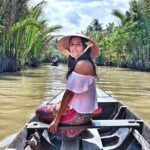

Day 1 in Cai Be and Tan Phong: riverside commerce and slower village rhythms
Cai Be and a Tien River boat ride you can actually enjoy
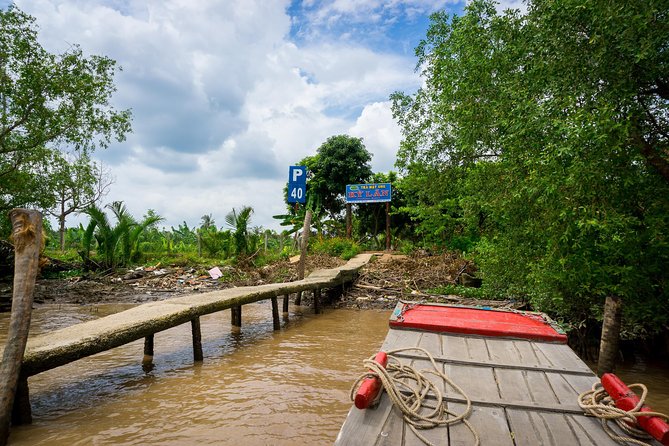
The day starts with a morning pickup from the meeting point in District 1 (112 Đ. Trần Hưng Đạo). Then you head toward Cai Be, where you’ll get aboard for a boat journey on the Tien River.
The big takeaway from this part is how the delta economy looks from the water. The tour notes that the old wholesale floating-market bustle has softened with modernization, but river trading and contemporary boat life are still there. What you add to that is the visual layer: fruit orchards lining the riverbanks, plus the general rhythm of daily life along the canals.
If you like travel that isn’t only photo stops, this boat time helps you settle in. It gives you a “moving viewpoint,” and you can watch the shoreline change as the boat glides.
Nhà cổ Ông Kiệt: an antique house that explains architecture and family wealth
Next comes Nhà cổ Ông Kiệt, an antique house visit that’s explicitly tied to delta architecture. You’ll see how woodwork and design reflect flooding patterns and the tropical climate—plus how styles blend Vietnamese, Chinese, and French colonial influences.
This is one of those stops that feels small on the calendar but big in meaning. It’s not just pretty rooms. The way the house is organized around courtyards and how the artifacts are presented helps you understand merchant-family prosperity and how people adapted to living with water.
The admission here is listed as included, so you don’t need to worry about extra entry fees for this specific site.
Tan Phong sweets and rice popcorn: tasting what locals snack on
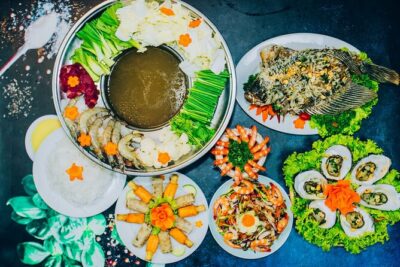
Tan Phong adds a food-focused rhythm. You’ll visit a family-run confectionery where coconut sweets and rice popcorn are made using time-tested methods. You’ll also taste local produce tied to the region—tropical fruits, honey tea, and fresh noodles are part of the overall tasting included in the tour highlights.
This stop matters because it connects the delta’s agriculture to the everyday economy. You’re not just tasting; you’re seeing hands-on production for items people keep around for family life and local selling.
Quiet canals, then bicycle time through fruit-and-rice countryside
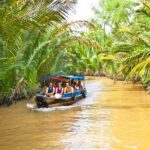
After the food, you’ll shift to a calmer pace: narrow canals, water coconut palms, and water lilies appear as you travel slowly through the area. Then you move to a bicycle journey on dirt trails around Tan Phong island.
This is one of the best moments for first-timers who want to understand the delta beyond the water view. You’ll pass rice paddies, fruit groves, and smaller villages, with time for unplanned moments—farm work, kids playing, and crafts that you’d probably miss if you only stayed on boats.
Practical note: this is where shoes and personal comfort matter. The tour isn’t marketed for people with heart problems or for guests with handicaps, and the bicycle segment is part of that reality.
Lunch plus a hands-on cooking class: make it, then eat it
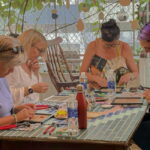
Midday includes a garden setting with tropical fruits and herbs, followed by a cooking class. You’ll learn spring roll creation and rice paper crafting, and you’ll understand how herbs and spices get blended.
This meal is included (lunch on Day 1), and the tour specifically frames the recipes as family-taught. You’ll eat what you make, which is exactly how to turn a “watching stop” into a real skill-based experience.
Evening transfer and Can Tho hotel check-in
At the end of Day 1, you return by boat to Cai Be and then travel to Can Tho City. Your hotel check-in is included, and the evening is yours. Most people use that time for a relaxed river stroll or casual dinner nearby, then turn in early for the floating market morning.
The big advantage of sleeping in Can Tho is timing. Day 2’s floating market works best when the morning is still fresh.
Day 2’s Cai Rang floating market: the best time, plus noodles and a Khmer temple
Cai Rang by boat: watching vendors and their sample poles
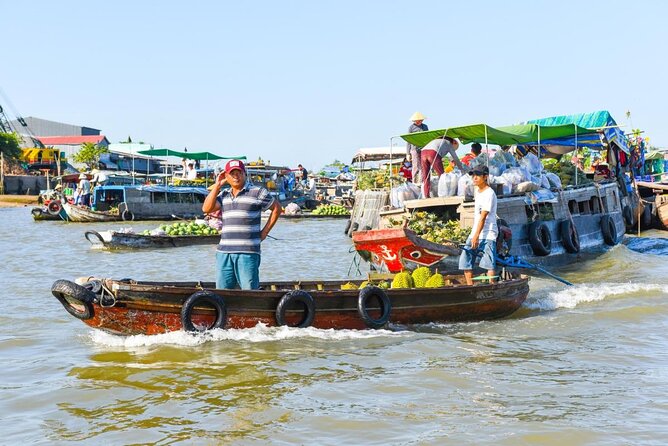
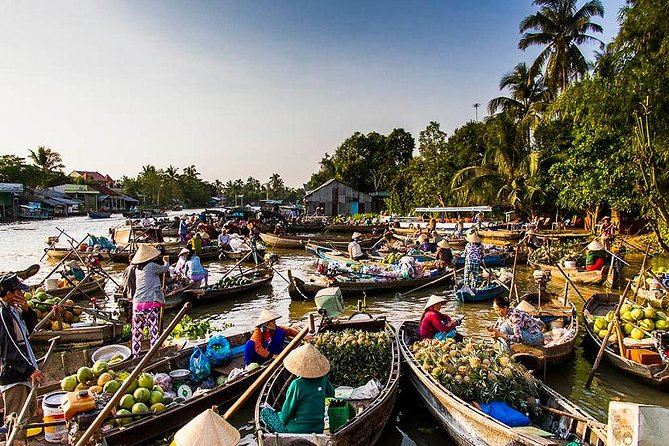
Day 2 starts with breakfast and a boat excursion along the Bassac River, aiming for Cai Rang Floating Market at a good time of day. Here’s what you’ll actually notice: vendors display goods from multiple boats, and calls plus sample poles signal what’s for sale.
This market is famous for a reason. It’s busy commerce on water, with produce and everyday items moving through the river system. If you love seeing how markets work, this is one of the most satisfying places in the delta to observe that in action.
Admission for the Cai Rang floating market stop is listed as included.
A noodle factory stop that makes Vietnam’s pantry make sense
After the market, there’s a traditional noodle factory visit where rice noodles are made using age-old methods. This isn’t a random add-on. It turns what you ate and what you saw into a production story.
Even if you don’t cook at home, this gives you a concrete sense of what goes into the staple dishes you’ll spot on menus across Vietnam.
Munir Ansay Pagoda: Khmer artistry in a delta setting
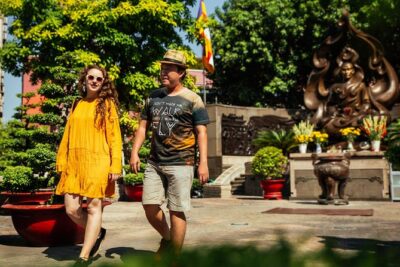
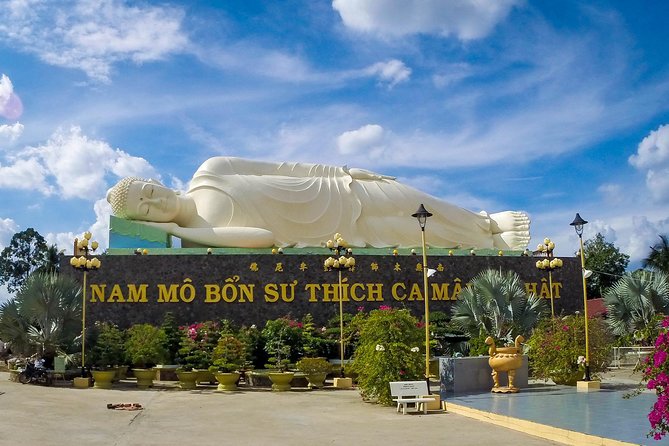
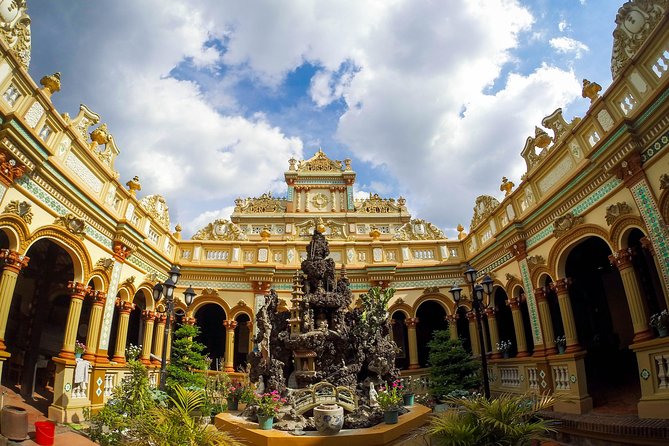
Next up is Munir Ansay Pagoda, a Khmer Buddhist temple in the Mekong Delta. You’ll see murals, columns, and carvings that tell Buddhist tales, and you’ll get context on the site’s community importance through guide explanations.
This stop adds cultural balance. It reminds you the delta isn’t only about Vietnamese river commerce. It’s also about the Khmer presence and the way religious art fits into local life.
Cồn Sơn: eco-minded crafts, a cake-making workshop, and orchard fruit tasting
The final major day segment is Con Son (Cồn Sơn). You’ll go by boat and you’ll be taken into community-led tourism with sustainable methods. The day includes:
- A crafts focus tied to family initiatives
- A workshop where you learn hands-on Mekong Delta cake-making
- An orchard visit where you may taste seasonal fruits such as durian, mangosteen, longan, and rambutan
That fruit tasting is the kind of stop that can feel touristy on other tours, but here it’s paired with the agricultural story and the craft workshop. It helps you connect how produce turns into products that families can sell.
The day ends with a transfer back to Ho Chi Minh City, returning you to the meeting point.
Price and what you’re really buying for $119
At $119 per person for two days, you’re paying for a packaged route that includes:
- Breakfast (Day 2) and lunch on two days
- Basic twin/double room share accommodation
- Air-conditioned vehicle transport
- Boat trips
- An English-speaking guide
- Mineral water
- Tickets where listed as included (like the house visit and Cai Rang market)
That’s why this tour can be good value even if you’re counting dollars. A lot of Mekong Delta experiences get expensive once you add separate transport, entry fees, and overnight stays. Here, the cost is bundled, and the guide is part of the product, not an optional extra.
The one place value can slip is pickup complexity. If your hotel needs a surcharge or is outside the practical pickup zone, the final out-of-pocket number can rise. If you’re staying in District 1 and your pickup is confirmed, the $119 tends to feel more straightforward.
Guides and group size: the small-group feel (and why it matters)
The tour’s highlight stresses a small group cap, and the activity info lists a maximum group size as well. In practice, that size affects everything: how quickly the guide can answer questions, how crowded the boat feels, and whether you get real explanations at cultural stops.
From past participant feedback, the guide quality is a standout part of the experience, with names like Slim and Tom showing up as examples of guides who know the history and communicate clearly in English. That’s exactly what you want in a place like the delta, where the difference between a fun boat ride and an actually meaningful one is usually the explanation.
How to make this tour feel like your trip, not a schedule
I’d plan for this to be active. There’s a boat-heavy itinerary, plus a bicycle segment on Day 1. That doesn’t mean it’s extreme, but it does mean you’ll want to move with the group and keep energy up.
A smart approach:
- Use the garden and orchard food moments as breaks, not just stops.
- Slow down with the houses and temples. Spend a few extra minutes reading details and asking what each feature is for.
- On the floating market day, accept that you’ll be around lots of boats and calls. That’s the point. Wear patience, not headphones.
Also, keep realistic expectations about the floating market. The tour explicitly acknowledges that traditional life has changed over time due to urbanization. If you accept that and look for how river commerce still works now, the experience lands much better.
Who should book this Mekong Delta 2-day tour?
This fits best if you:
- Want a guided introduction to the Mekong Delta without planning transport between far-flung areas
- Like food culture, especially cooking with local techniques and tasting what’s grown nearby
- Enjoy a mix of river time, cultural stops (like Munir Ansay Pagoda and the antique house), and craft workshops
- Prefer smaller groups so you can actually talk with your guide
It may be less ideal if you:
- Have mobility concerns (the tour isn’t available for handicapped guests, and it also isn’t offered for people with heart problems)
- Expect zero crowding at markets (Cai Rang is famous, and boats are part of the bustle)
- Need guaranteed hotel pickup in every District 2 or outside-of-District-1 situation without extra coordination
Should you book it?
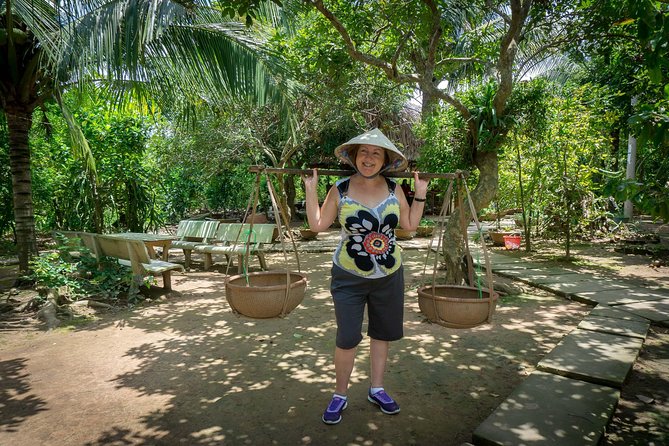
I’d book this if you want a solid first Mekong Delta visit with real variety: Cai Be river life, Tan Phong food and canals, Cai Rang at the right time, plus Khmer temple and Con Son crafts.
I’d pause before booking if your hotel pickup is uncertain or you’re outside District 1 and sensitive to extra fees or transfer complications. In that case, confirm pickup details in writing before you pay, and aim for a departure date where timing is practical for you.
Overall, for two days, this is the kind of tour that gives you more than a checklist of famous spots. You leave with a clearer sense of how delta life works—especially through food, boats, and the small cultural details you’d miss on your own.
FAQ
What time is the pickup and where is the meeting point?
Start time is 7:30am, and the meeting point is 112 Đ. Trần Hưng Đạo, Phường Phạm Ngũ Lão, Quận 1, Hồ Chí Minh, Vietnam.
Do I get an overnight hotel included?
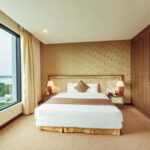
Yes. The tour includes accommodation based on twin or double/room share basic, and on Day 1 you transfer to Can Tho City for hotel check-in.
What meals and activities are included in the price?
Included meals are breakfast and lunch (listed as 2 lunches). The tour also includes boat trip(s), an English-speaking guide, air-conditioned vehicle, mineral water, and the listed admissions such as the antique house and Cai Rang floating market.
How big is the group?
The highlights say the tour is capped at 15 people, while the activity details list a maximum of 25 travelers. Check your confirmation to see the exact cap for your departure.
Will pickup work if my hotel is outside District 1?
Pickup is offered, but extra surcharge may apply for hotels outside District 1. The tour also notes traffic rules can prevent pickup at some streets in District 1, and it suggests contacting the local supplier if your hotel is in an area where pickup can’t be done.
Is the tour suitable for everyone?
The tour is not available for handicapped guests and anyone with heart problems.
What if I need to cancel, or the tour is stopped due to weather?
You can cancel for a full refund up to 24 hours before the start time. If the tour is canceled due to poor weather, you’ll be offered a different date or a full refund. The experience can also be canceled if a minimum number of travelers isn’t met, with the same options (different date or full refund).