REVIEW · HO CHI MINH CITY
HCM: 2-Day Mekong Floating Market with Cooking & Bike Ride
Book on GetYourGuide →Operated by SST Travel · Bookable on GetYourGuide
Three boats, two days, and plenty of bites. You’ll love the Cai Rang Floating Market early on the water and the hands-on pancake cooking that turns into your lunch. One thing to weigh: this is a packed schedule with lots of sitting in transit, plus you’ll be on small boats—so it’s not for you if you have back issues or aren’t comfortable in the water.
The tour is built for people who want real Southern Vietnam rhythms: canals, temple architecture, family-run food, and quick conversations with locals as the scenery changes. I also like that it’s structured but not overly fancy, so the day feels like it’s moving with the region, not around it.
In This Review
- Key takeaways before you go
- Two Days in the Mekong Delta: What the $87 Gets You
- Day 1: Ho Chi Minh City to My Tho and Ben Tre, With Vinh Trang as the Cultural Start
- Vinh Trang Pagoda: Why this temple stop matters
- Unicorn Island (Thoi Son): Coconut candy, fruit gardens, and folk music
- Rowboat ride through small canals: the calmer side of the Mekong
- Bee farm and honey tea: tastings that actually tell a story
- Overnight in Can Tho: when to plan dinner
- Day 2: Cai Rang Floating Market, Cooking Class, and a Village Bike Ride
- Early start to Cai Rang Floating Market
- A historic house stop, then cooking class time
- What the cooking class feels like in practice
- Cycling through villages: the slow-down moment after all the boats
- The Guide Can Make or Break the Experience
- Meals, Tastings, and the Real Point of the Mekong
- Who This Tour Suits Best (and Who Should Skip It)
- Small Practical Notes That Matter on the Ground
- Comfort and packing
- Rain and timing
- Smoking
- Should You Book This 2-Day Mekong Tour?
- FAQ
- Where do you get picked up and dropped off in Ho Chi Minh City?
- What day do you visit Cai Rang Floating Market?
- What attractions are included besides the floating market?
- What boat rides are included?
- What Vietnamese pancakes will I learn to cook?
- What meals and tastings are included?
- Where do you stay overnight?
- Is the tour suitable for non-swimmers?
- What should I bring for the tour?
- Is there an extra cost for solo travelers?
Key takeaways before you go
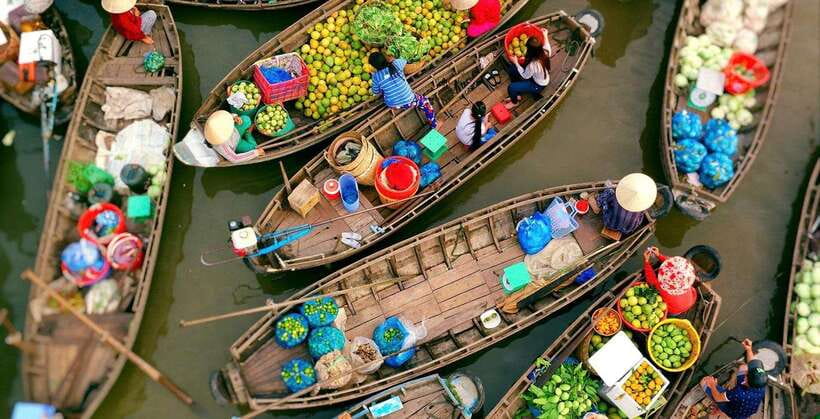
- Cai Rang on the water: a front-row view of floating produce trading and even noodle-making in action
- Vinh Trang Pagoda stop: a major cultural anchor with striking local spiritual architecture
- Unicorn Island (Thoi Son): small canals, a rowboat ride, and stop-and-snack tastings
- Cooking class you actually eat: choose between making Bánh Xèo or Bánh Khọt
- Village cycling after lunch: a gentle way to slow down and see daily life beyond the big sights
- Strong guide energy: multiple past riders named excellent guides like Ry, Stephen, Sam, Robert, and Phil
Two Days in the Mekong Delta: What the $87 Gets You
For about $87 per person, you’re not just buying tickets to a couple of sights. You’re buying time in the Mekong Delta with transport, meals, and hands-on experiences stitched together across two days.
Here’s the value equation as I see it:
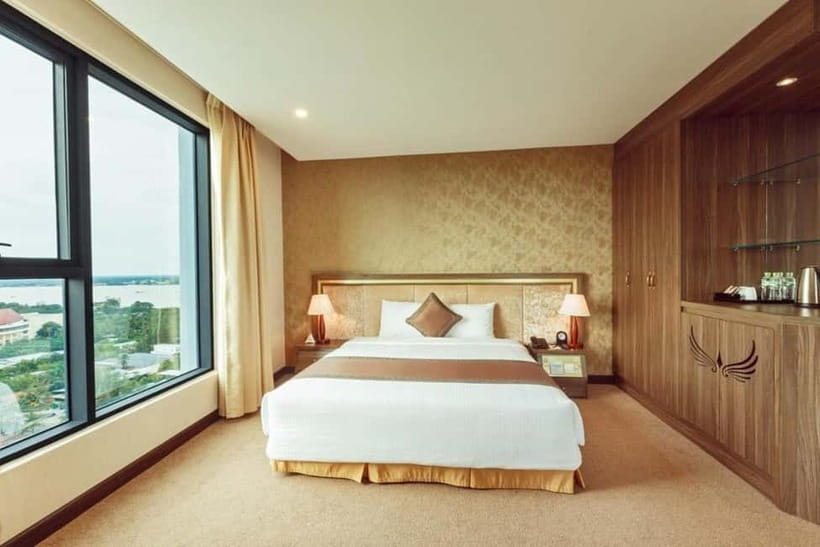
- You get a one-night hotel stay in Can Tho (so you’re not doing the whole thing as an exhausting day trip).
- You’re included for two lunches and one breakfast, plus tastings like tropical fruit, honey tea, honey wine, and coconut candy.
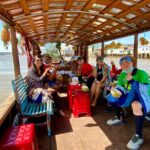
- You ride in a mix of vehicles: air-conditioned bus segments, a motorboat trip, and a sampan boat ride (the smaller craft gives you a different feel than bigger boats).
- You do something interactive: a Vietnamese pancake cooking class where you eat what you make.
You should still go in with realistic expectations. The itinerary is active, meaning there’s not much downtime. If you like slow travel and long pauses with a view, you might find the pace intense.
You can also read our reviews of more cycling tours in Ho Chi Minh City
Day 1: Ho Chi Minh City to My Tho and Ben Tre, With Vinh Trang as the Cultural Start
Day 1 starts early from Ho Chi Minh City District 1, with hotel pickup and drop-off included. The day begins with a brief rest stop, then you head toward the Mekong region.
Vinh Trang Pagoda: Why this temple stop matters
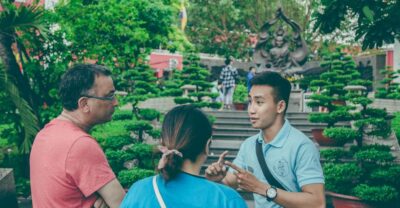
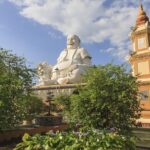
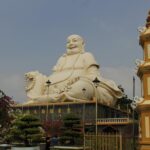
The tour includes Vinh Trang Pagoda, known for its historical significance and a style of architecture that fits the region’s spiritual heritage. Even if temples aren’t your main interest, I like this stop because it gives you context before you go out onto the water and see daily life tied to rivers and farming.
Practical note: temples mean walking and standing. Wear comfy shoes. If you’re sensitive to heat, plan for shade breaks when you can.
Unicorn Island (Thoi Son): Coconut candy, fruit gardens, and folk music
After the pagoda stop, you reach My Tho Port and board a boat to Unicorn Island (Thoi Son). This is where the tour leans into hands-on, family-run experiences.
On the island, you’ll explore lush areas tied to local crafts. There’s also a coconut candy workshop where you can taste traditional coconut candy and coconut wine. You don’t just watch; you sample. That matters in the Mekong Delta because so much of the region’s flavor is tied to what’s grown and processed nearby.
You’ll also visit tropical fruit gardens with Southern Vietnamese folk music playing in the background. I find that combination helps you switch from sightseeing mode to local rhythms.
Rowboat ride through small canals: the calmer side of the Mekong
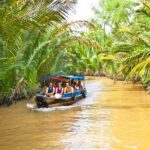
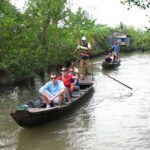
Next comes a serene part of the trip: a rowboat ride along small canals on the island. It’s quieter than bigger boat routes, and that’s the point. You’ll feel the slower pace of canal life, where the “route” isn’t a highway—it’s waterways and land edges that shift with seasons.
If you’re prone to motion discomfort, mention it to the guide early. You’ll be on boats and moving between stops.
You can also read our reviews of more shopping tours in Ho Chi Minh City
Bee farm and honey tea: tastings that actually tell a story
Another included stop is a bee farm with honey tea fresh from the farm. This is a small detail, but it’s one of the best ways to connect taste to place. Honey and fruit aren’t generic souvenirs here; they’re part of how people earn a living.
You’ll then have a traditional Vietnamese lunch at a local restaurant.
Overnight in Can Tho: when to plan dinner
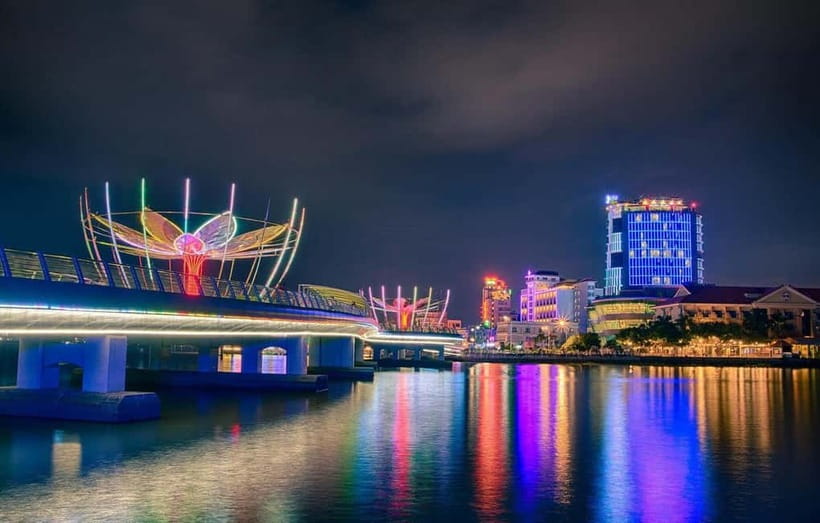
After lunch, you head to Can Tho, the cultural heart of the Mekong Delta. You check in for one night and have a free evening with dinner on your own.
One past rider pointed out that some accommodations can be a quick ride from the river/town center. That’s worth keeping in mind when you’re deciding what kind of evening you want. If you’d like easy walking access to nightlife, ask the operator or your hotel about how far you are from the main area when you arrive.
Day 2: Cai Rang Floating Market, Cooking Class, and a Village Bike Ride
Day 2 is when the trip turns into a highlight reel.
Early start to Cai Rang Floating Market
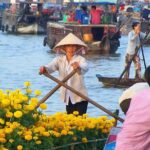
At 7:30 AM, you head out for a boat trip to Cai Rang Floating Market, one of the largest floating markets in Vietnam. This is the moment many people book for: vendors selling fresh produce from their boats, a lot of active trading, and the feel of the Mekong working in real time.
You’ll also see how traditional rice noodles are made. That’s a smart addition because it shifts you from “watching boats” to understanding how food production flows alongside river life.
Heat tip: mornings can still get warm fast. Bring a sun hat and sunscreen, and keep water handy.
A historic house stop, then cooking class time
After the floating market, you return to the hotel area for check-out and then visit a historic house. Then comes your hands-on lesson.
The tour includes a cooking class where you make Vietnamese pancakes:
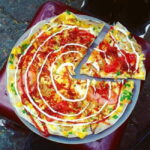
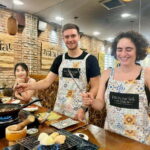
- Bánh Xèo
- or Bánh Khọt
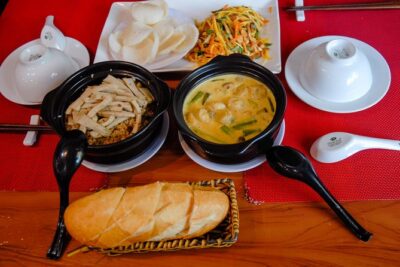
You’ll choose one option as part of the experience, and you’ll eat what you cook for lunch. This is one of the best value parts of the tour because it replaces the usual “lunch is just included” problem with a true activity you can bring home.
What the cooking class feels like in practice
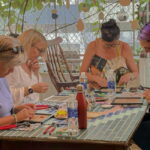
Cooking classes on tours can range from “watch and take photos” to “actually cook.” This one is built around local experts and you making the dishes, which usually means you get a better sense of texture, seasoning, and how the batter works.
Expect flavor and a bit of mess. Not too much. Just enough to feel like you did something.
Cycling through villages: the slow-down moment after all the boats
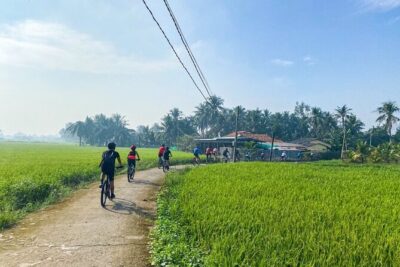
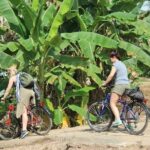
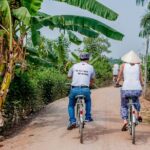
After lunch, you ride bikes through village roads. This is a nice counterbalance to the water-heavy first half of the trip.
You get to see everyday life at a human scale: houses, small lanes, and fields that you might miss if your entire day was boats and temples. It also gives you a chance to stretch your legs without committing to long hikes.
Not sure how you’ll feel? Here’s what I’d do: treat it as an easy ride, not an athletic challenge. If you’re not a cyclist, still go. The point is watching life pass, not chasing speed.
The Guide Can Make or Break the Experience
One reason this tour earns such strong feedback is the guide quality. Multiple riders specifically named standout guides such as Ry, Stephen, Sam, Robert, and Phil.
What I pay attention to with guides on day tours:
- Do they answer questions without rushing?
- Do they add local tips that help you after the tour?
- Are they helpful on boats and transfers?
The reviews you gave show that the guides are often described as organized, friendly, and genuinely good at explaining what you’re seeing. That’s not a small thing on a schedule this packed.
One more practical note: a past rider raised a safety concern about drivers using mobile phones while driving. That’s not something you can control as a passenger, but you can still keep your seat position and trust your instincts. If something feels off, tell the guide.
Meals, Tastings, and the Real Point of the Mekong
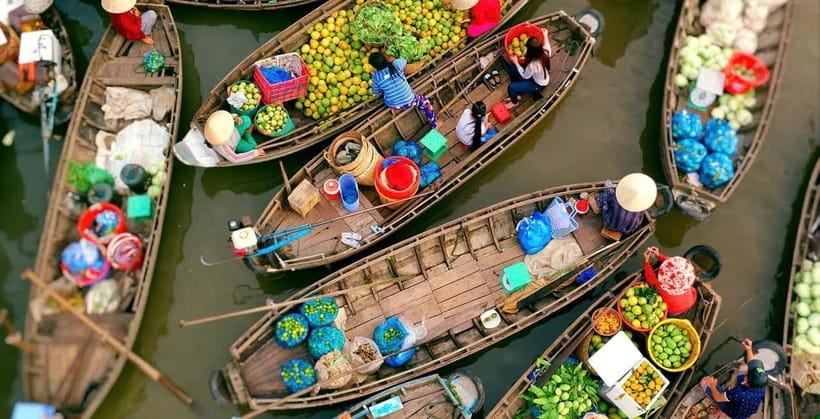
This tour is food-forward in a smart way. You’re not only eating; you’re getting tastings tied to local production:
- tropical fruit samples
- honey tea (and honey-related tastings)
- coconut candy and coconut wine
- the pancakes you make and eat
I like that the meals are spread across the day instead of being one big meal dump. It keeps energy steady for boat time and cycling.
Also, because you have dinner on your own in Can Tho, you can either eat local street food or keep it simple at a hotel restaurant. That flexibility matters when you want a little control over the ending.
Who This Tour Suits Best (and Who Should Skip It)
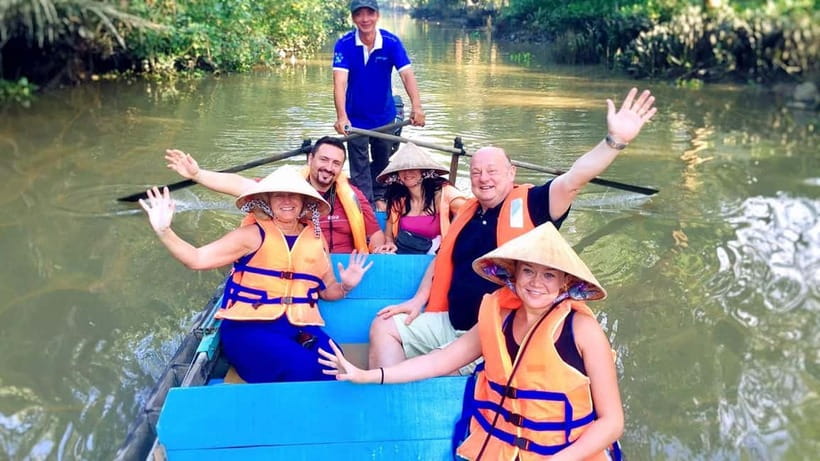
This experience is a good fit if you:
- want a taste of several Mekong highlights in a short time
- like boat travel and canal scenery
- enjoy food activities like cooking classes and tastings
- can handle a packed schedule with frequent transitions
It’s not a fit if you:
- have back problems (the tour isn’t described as gentle and there’s lots of transfer time)
- use a wheelchair
- are not comfortable with being in water (it’s not suitable for non-swimmers, and you’ll be on small boats)
Small Practical Notes That Matter on the Ground
Comfort and packing
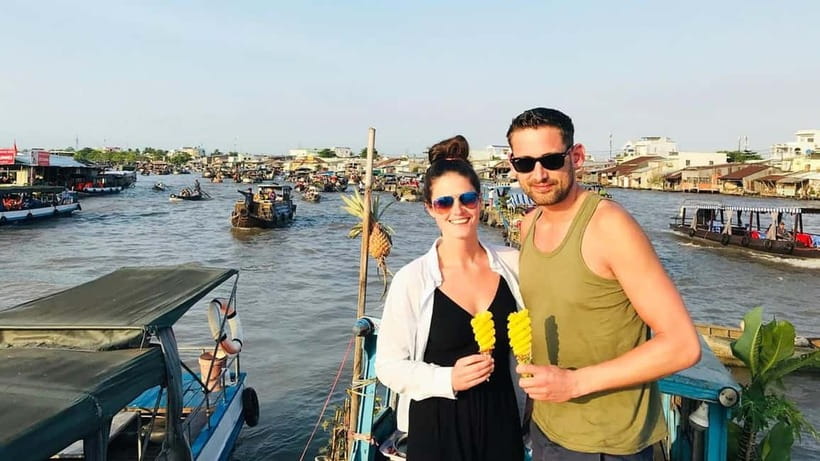
Bring comfortable shoes, a sun hat, sunscreen, water, and insect repellent. If you forget anything, it’s the repellent that can make the day feel longer, especially around gardens and water areas.
Rain and timing
There can be some rain. The tour notes that weather or availability can shift the order, but the major attractions are still included. This is one of those trips where good footwear and a light layer can save your mood.
Smoking
Smoking isn’t allowed. Simple rule, but it’s good to know.
Should You Book This 2-Day Mekong Tour?
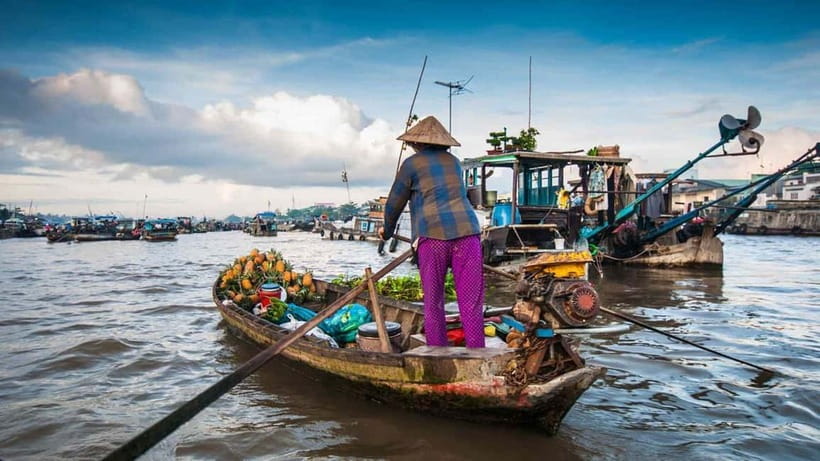
I think this tour is a strong choice if you want value plus variety: markets, pagoda culture, boat rides, hands-on cooking, and a village ride—without needing to stitch together separate transport and tours yourself.
Book it if:
- you’re excited by Cai Rang Floating Market
- you want a real Mekong cooking class experience (not just a demo)
- you like structured days but still want authentic local flavors
Consider skipping or choosing a gentler alternative if:
- you want lots of free time to wander slowly
- boats and transfers make you uneasy
- you need wheelchair access or have back pain
If you go in knowing the pace, you’ll probably love it. The best part is that you end up with more than photos. You’ll have taste memories (honey, coconut candy, fruit) and a cooking skill you can repeat later.
FAQ
Where do you get picked up and dropped off in Ho Chi Minh City?
Pickup and drop-off are included within District 1 of Ho Chi Minh City.
What day do you visit Cai Rang Floating Market?
You visit Cai Rang Floating Market on Day 2, starting with an early boat trip at 7:30 AM.
What attractions are included besides the floating market?
The tour includes Vinh Trang Pagoda, a stop on Unicorn Island (Thoi Son), and a historic house visit.
What boat rides are included?
You’ll take a motorboat trip and a sampan boat ride, plus a rowboat ride along small canals on Unicorn Island.
What Vietnamese pancakes will I learn to cook?
The cooking class is for Bánh Xèo or Bánh Khọt (you make one of these as part of the class).
What meals and tastings are included?
Included meals are 2 lunches and 1 breakfast. Tastings include tropical fruits, honey tea, honey wine, and coconut candy.
Where do you stay overnight?
You stay one night in Can Tho as part of the tour package.
Is the tour suitable for non-swimmers?
No. The tour is listed as not suitable for non-swimmers.
What should I bring for the tour?
Bring comfortable shoes, a sun hat, camera, sunscreen, water, and insect repellent.
Is there an extra cost for solo travelers?
Yes. For solo travelers, a single room fee is mandatory, and it’s detailed in the tour’s options.