REVIEW · HO CHI MINH CITY
Classic Mekong Delta & Cai Rang Floating Market Enjoy 1 Day from Ho Chi Minh
Book on Viator →Operated by Winter Spring Homestay · Bookable on Viator
A floating market before the heat hits. This Mekong Delta day trip is built around an early visit to the Cai Rang Floating Market, plus a bread-and-noodle stop and two temple breaks in Can Tho. I especially like the practical hotel pickup and round-trip transfers that keep the logistics simple, and I really appreciate that you’re fed on the water with breakfast and lunch. One thing to consider: the stated time can feel shorter on paper, but the door-to-door journey can run longer depending on timing and group routing.
The trip is a small-group format (up to 60 people), so you’re not lost in a crowd maze. Once the main activities are done (around 5 hours), you get the rest of the day free to wander Can Tho at your own pace.
In This Review
- Key highlights to watch for
- Price and logistics from Ho Chi Minh City
- Getting to the floating market: why the early start matters
- Cai Rang Floating Market: what you’ll actually do
- Sau Hoai rice noodle (or traditional bakery) factory: the food skill stop
- The second Cai Rang moment: fruit gardens and small canals
- Ong Temple and the Muniransay Khmer Buddhist Temple: a calm pause
- Ong Temple in Can Tho
- Muniransay Khmer Buddhist Temple
- Food included: breakfast, then lunch before you leave
- How good is the guide experience (and who names show up)
- When the tour time feels longer than promised
- Value check: does $105 make sense for this day?
- Tips to make the day work smoothly
- Who should book this Mekong Delta and Cai Rang day trip
- Should you book this Mekong Delta and Cai Rang day trip?
- FAQ
- FAQ
- How long is the experience?
- Do I get hotel pickup in Ho Chi Minh City?
- Is breakfast included?
- Is lunch included?
- What are the main stops on the tour?
- Are entrance tickets included?
- How big is the group?
- Is a mobile ticket used?
- What should I expect about the floating market?
- What happens if weather is bad?
- Who can participate?
Key highlights to watch for
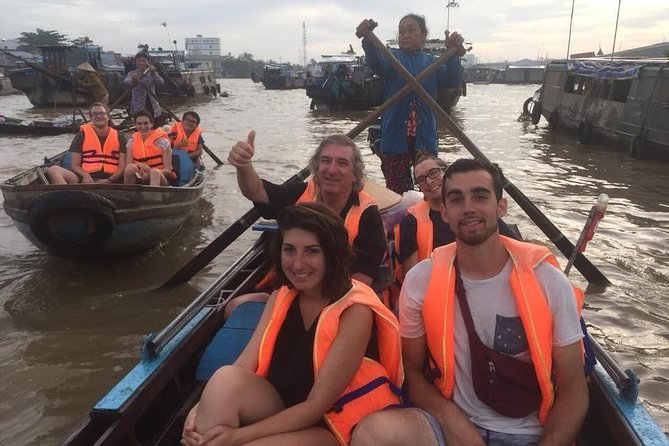
- Cai Rang early timing: Go before the boats thin out and the heat ramps up.
- Breakfast on the market: Coffee and coconuts show up as part of the morning meal.
- Sau Hoai noodle or bakery stop: You’ll see how rice noodles (or traditional bakery items) are made.
- Two different canal moments: One stop focuses on the floating market, then you circle through fruit areas and smaller waterways.
- Two temple visits with different flavors: Ong Temple (oldest in Can Tho) plus a Muniransay Khmer Buddhist Temple break.
- Included meals + admissions: Breakfast, lunch, and listed entrance tickets are free, which helps value.
Price and logistics from Ho Chi Minh City
At $105 per person, this tour sits in the “you pay to save time and hassle” category. You’re paying for a full day of transportation out of Ho Chi Minh City, guided stops in Can Tho, and two included meals. In other words: you’re not just buying a boat ride. You’re buying one smoother way to see a lot—without having to figure out boats, timetables, and local transfers.
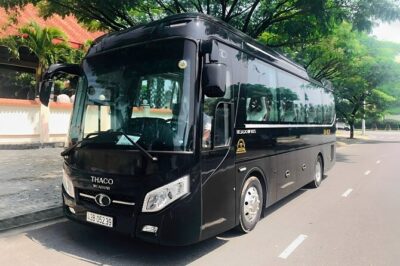
The big practical win is hotel pickup and round-trip transfers from Ho Chi Minh City. That matters on a Mekong day trip because the region is spread out, and going it alone often turns into multiple tickets, extra waiting, and more uncertainty. With a guide and transfers, you get to focus on the experience instead of the logistics.
The tour description says about 5 hours of learning, then the rest of the day is free. In real life, the drive time is the wildcard. One featured account put the road time at roughly 2 hours each way (so you should treat the trip as a full day commitment even if the “activity window” is shorter).
A couple more value notes:
- Entrance tickets for the named stops are listed as free.
- It’s a group tour with a maximum of 60 people.
- There’s a mobile ticket option, which is handy if you don’t want paper.
You can also read our reviews of more shopping tours in Ho Chi Minh City

Getting to the floating market: why the early start matters
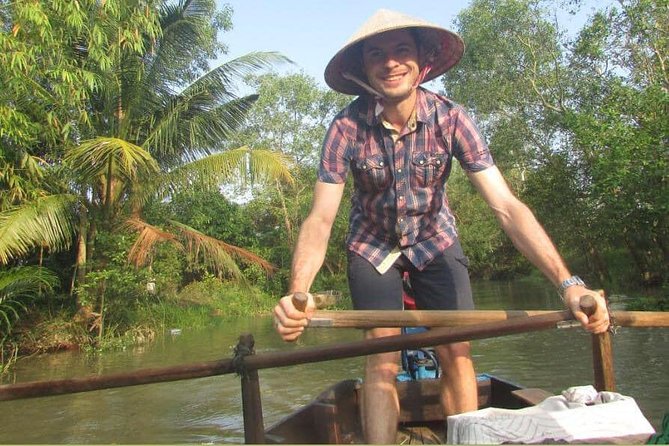
The headline here is Cai Rang Floating Market, and the timing is the whole game. You want to arrive early because early hours mean more boat activity and cooler working conditions for the people running stalls and carts on the water. Multiple guides’ styles show up in the feedback—names like Trinh and Như Ý come up when people talk about good explanations—but the market itself also rewards an early arrival.
If you’re wondering why the market can look different from one day to the next, that’s normal. Waterway traffic depends on conditions and daily rhythms. Even when the market is active, the number of boats and the pace of trade can vary. So the best strategy is simple: don’t treat Cai Rang like a fixed museum scene. Treat it like a working marketplace.
Also, plan for sun and humidity. You’ll be outdoors around boats and along waterfront areas. Light clothing, water, and a hat help. And wear shoes that you can walk in comfortably, because some segments involve moving along uneven surfaces.
Cai Rang Floating Market: what you’ll actually do
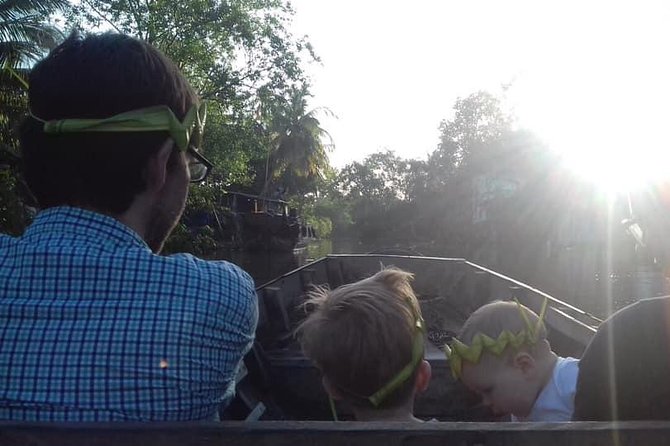
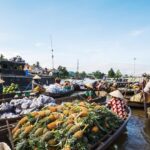
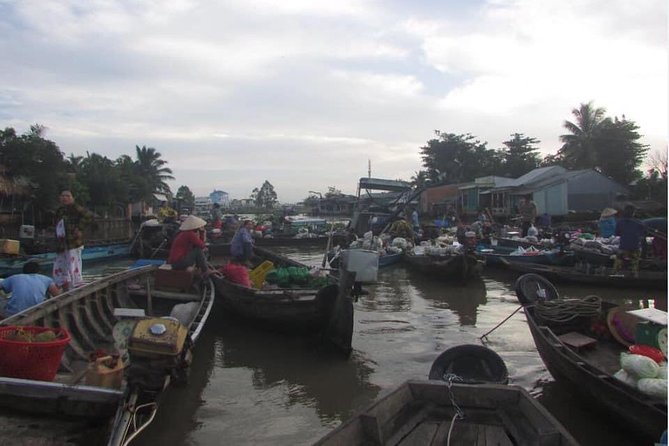
This is the stop that sets the tone for the whole day. Cai Rang is famous because it shows trade in motion—boats loaded with goods, people selling from decks, and a canal network that turns commerce into a kind of choreography.
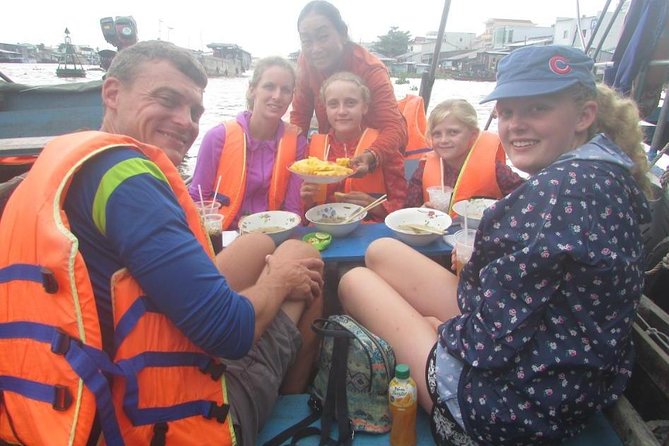
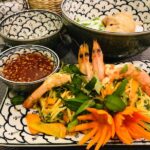
On this tour, you don’t just stroll. You’ll explore the floating market and enjoy breakfast there. That breakfast is part of the experience, not a random add-on. You’ll have coffee and items including coconuts, and the goal is to let you eat what’s locally appropriate for morning market life—when the day starts early and people are already working.
What I like about this structure is how it prevents that common problem on tours: arriving hungry, then spending time searching for food. Here, the meal is planned, and you can settle into the market without breaking the flow.
The market part also gives you an easy way to learn. Your guide can point out what you’re seeing—how boats arrange goods, how vendors interact, and why some transactions look quick while others take a bit longer. Some guides are more talkative than others; with local names like Trinh and Như Ý showing up in feedback, there’s a good chance you’ll get clearer context than you’d get on a self-guided wander.
One consideration: the floating market’s “scale” can change. If you’re expecting a massive, nonstop wall of boats, manage expectations. On quieter days you may see fewer boats, and the experience shifts toward the boats that are running and the canals they move through.
Sau Hoai rice noodle (or traditional bakery) factory: the food skill stop
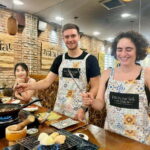
After the water, you switch gears to food production. This part focuses on Sau Hoai’s rice noodle factory and may also include a traditional bakery factory stop, depending on what’s running that day. Either way, you’re stepping into a more behind-the-scenes view: how a staple food goes from raw ingredients to something you can recognize in a bowl later.
Why this stop is worth your time: in Vietnam, noodles and baked goods are everyday food. Seeing the process gives you a better sense of what you’re eating when you order pho, stir-fried noodles, or snack breads later. Even if you’re not the type to watch demonstrations forever, the factory stop turns your day from “pretty sightseeing” into “understanding daily life.”
Also, this is a nice energy reset. Markets are visually intense and humid. A factory is more structured and often quicker to absorb—plus you’ll see hands at work in a way that feels real, not staged.
Drawback to keep in mind: if you’re the type who needs lots of free time for shopping or photos, you might feel this segment moves at a guided pace. The value is in learning the process, not in wandering independently.
The second Cai Rang moment: fruit gardens and small canals
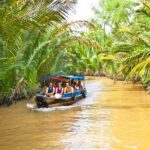
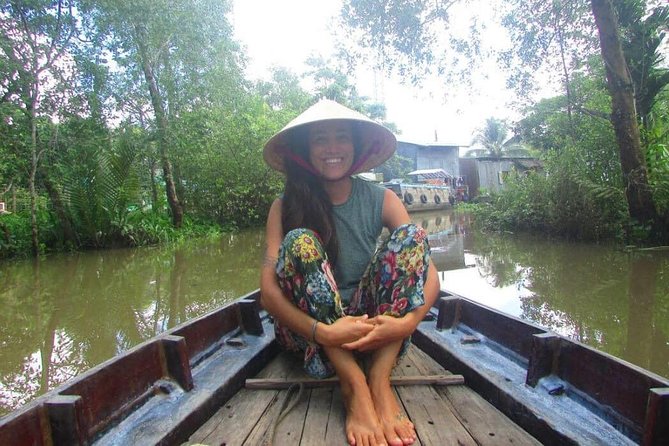
There’s a second block tied to Cai Rang, and it’s not just repeat sightseeing. You’ll visit additional fruit areas and small canals, which gives you a different angle on how the delta functions.
This is the part that helps you understand the broader delta system. The floating market is just one node in a living network. Fruit gardens and smaller waterways show another layer: how land and water connect, how goods move, and how communities work around the rhythms of canals.
The practical benefit for you is variety in scenery. Two separate canal-related segments break up the day. You don’t stay stuck in one market viewpoint the whole time.
You can also read our reviews of more tours and experiences in Ho Chi Minh City

Ong Temple and the Muniransay Khmer Buddhist Temple: a calm pause
After food and waterways, you get two short spiritual stops that also help pace your day.
Ong Temple in Can Tho
You’ll visit Ong Temple, described as the oldest pagoda in Can Tho. It’s a quick stop (around 15 minutes), but quick doesn’t mean meaningless. In a day trip packed with market visuals, a temple break is a good way to slow down your brain and reset your eyes. You can notice details in architecture and daily religious life without needing hours.
Muniransay Khmer Buddhist Temple
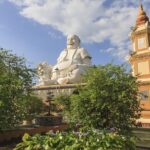
Next comes Muniransay Khmer Buddhist Temple, another shorter visit (about 15 minutes). This stop adds cultural variety: you’ll see a Khmer Buddhist temple setting, which gives the delta beyond the river-and-market postcard view.
If you’re traveling with mixed interests—someone who loves food, someone who loves photography, and someone who likes culture—these two temple visits are an easy win. They’re short enough to fit a busy day, yet distinct enough to matter.
Food included: breakfast, then lunch before you leave
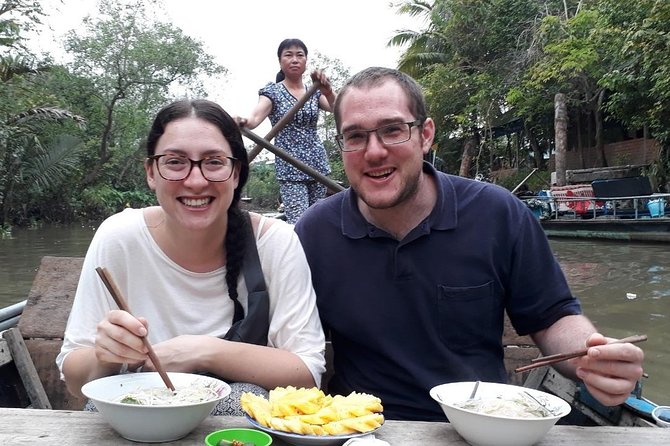
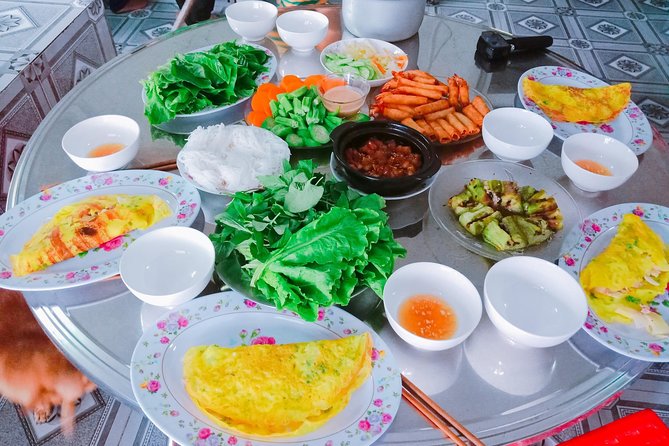
One reason this tour gets strong value for money is that it doesn’t make you hunt for meals. Breakfast is included with coffee and coconuts and more at the market. Then lunch is served before you depart.
Even though the exact menu details aren’t spelled out, the meal timing is smart:
- breakfast at the market matches the early start
- lunch is placed before the return so you don’t spend the trip back hungry
For practical planning, keep some flexibility for water and snacks outside the included meals. The market can be warm and active, and you may want extra hydration.
How good is the guide experience (and who names show up)
The guide is where a day trip can become memorable instead of merely efficient. People specifically call out local guide names like Trinh and Như Ý for clear explanations and caring service. That’s a strong sign that the best parts of the tour are often the interpretive moments—what things mean, how the market works, and why the delta runs the way it does.
That said, a day trip lives and dies on execution. A less-positive account mentioned a guide spending a lot of time looking at a phone rather than explaining, and another person noted that the floating market may have fewer boats than expected. Those are real-world considerations for any group tour.
My practical advice: if you care about storytelling, ask your guide a couple questions early. Something simple like how the market’s busiest hours shift, or what people sell most in the morning. If the guide is engaged, you’ll feel it quickly.
When the tour time feels longer than promised
The experience is advertised around 5 hours of learning time, then free time. That can be true for the “on-the-ground activities,” but the day still includes a long drive from Ho Chi Minh City.
One account described the experience as budget around 6.5 hours door to door. Another, less smooth day, stretched much longer—around 16.5 hours—because the group got merged onto another tour and communication didn’t go as clearly as it should have.
So here’s the balanced takeaway:
- If you want a true half-day feel, you may not get it because of the travel time.
- If your day is flexible, you’ll likely enjoy the flow.
- If your schedule is tight, give yourself buffer time.
If you’re prone to stress about timing, it’s worth setting expectations: this is a Mekong day trip, and those always eat into your day.
Value check: does $105 make sense for this day?
Let’s do the math in human terms. For $105, you’re getting:
- hotel pickup and round-trip transfers from Ho Chi Minh City
- guided stops across the market, a noodle/bakery factory, canals, and two temples
- breakfast at the market (including coffee and coconuts)
- lunch served before you depart
- free admission for the listed stops
- a group size capped at 60 people
If you were to piece it together yourself—transport out of the city, local transfers, a guide, and entrance fees—you’d likely spend more time and often more money. The main “cost” is that you accept a fixed schedule. But for most visitors, that’s a fair trade.
This is also why the early Cai Rang timing is such a big deal for value. Getting there early is harder to self-organize than it sounds. The tour handles the timing so you don’t lose the best market window.
Tips to make the day work smoothly
A few things can make your Mekong Delta day feel easier:
- Bring water and a hat. Boat areas get hot fast.
- Wear shoes you can walk in confidently. You may move along canal-side paths and surfaces.
- Keep your day flexible. Even if activities run about 5 hours, plan for a longer day overall.
- Ask your guide about current market conditions early, especially the number of boats and what to expect that morning.
- If you’re sensitive to poor pacing, speak up right away if you feel something is off. Good guides can adjust in real time.
Who should book this Mekong Delta and Cai Rang day trip
This tour is a great fit if you:
- want Cai Rang Floating Market without navigating transfers on your own
- like food-related stops, especially rice noodle or bakery production
- want a mix of water, local routine, and short cultural breaks in temples
- prefer group structure but still want some variety during the day
It may be less ideal if you:
- need a strictly limited time window (the full day can run long)
- expect a huge, constant-market scene with endless boats every time
- get frustrated when communication about route changes doesn’t feel clear
Should you book this Mekong Delta and Cai Rang day trip?
If your priority is seeing Cai Rang Floating Market early, eating well without hunting, and getting a guided overview of how the delta works beyond the river views, I think this is a solid choice. The price includes a lot that would cost more in time or money if you tried to stitch it together yourself.
I’d book it when your schedule has buffer time and you’re comfortable with a group-day rhythm. I’d reconsider if you have very tight timing or you’re expecting the market to look exactly the same as photos every day. In Mekong terms, you’re visiting a living working waterway—so the best approach is curiosity, not certainty.
FAQ
FAQ
How long is the experience?
The tour is listed at about 5 hours.
Do I get hotel pickup in Ho Chi Minh City?
Yes. Hotel pickup and round-trip transfers from Ho Chi Minh City are included.
Is breakfast included?
Yes. Breakfast is included, served at the market, and it includes coffee and coconuts among other items.
Is lunch included?
Yes. Lunch is served before you leave.
What are the main stops on the tour?
You’ll visit Cai Rang Floating Market, a rice noodle factory (Sau Hoai) or a traditional bakery factory, more areas around canals and fruit gardens, Ong Temple, and Muniransay Khmer Buddhist Temple.
Are entrance tickets included?
Admission tickets are listed as free for the stops included on the tour.
How big is the group?
The tour has a maximum of 60 people.
Is a mobile ticket used?
Yes, the tour offers mobile tickets.
What should I expect about the floating market?
The floating market experience is part of the tour, but the number of boats and the market’s pace can vary based on conditions that morning.
What happens if weather is bad?
This experience requires good weather. If it’s canceled due to poor weather, you’ll be offered a different date or a full refund.
Who can participate?
Most people can participate.