REVIEW · HO CHI MINH CITY
Mekong Delta 2 Days: Floating Markets & Cultural Exploration
Book on GetYourGuide →Operated by MILLENIUM TRAVEL CO.,LTD · Bookable on GetYourGuide
Rivers, fruit, and temples in just two days. I like the way you trade city traffic for sampan boat time and canal views, plus a real garden-style lunch where you get hands-on with Southern Vietnamese flavors.
I also like the mix of river life and culture: the Cai Rang floating market energy, a Khmer temple visit, and a noodle stop that shows how everyday food is made. One possible drawback: the floating market experience depends on timing and conditions, so if you expect a maxed-out wall of boats at every moment, it might not match your mental picture.
In This Review
- Key highlights worth your attention
- Mekong Delta in Two Days: What This Trip Actually Feels Like
- Starting in Ho Chi Minh City: The 07:30 Pick-Up and Getting Out Fast
- Cai Be Canals and the Old Floating Market Site: Trading Past and Present
- Family Workshops, Coconut Candy, and Vietnamese Lunch in the Garden
- Cycling Orchards and Ba Kiệt’s Ancient House: Daily Life, Not Just Sights
- Can Tho at Night: Why the Overnight Matters for River Views
- Sunrise-Style Morning on the Bassac River and Cai Rang Floating Market
- Noodles and Khmer Architecture: The Munir Ansay Pagoda Stop
- Fruit Plantations and the End-of-Trip Lunch Before Returning to HCMC
- Price, Inclusions, and What $112 Buys You
- Who This Tour Fits Best (and Who Should Skip It)
- Should You Book This Mekong Delta 2-Day Tour?
- FAQ
- Where is the meeting point for the tour?
- What time does the tour start?
- Is the tour offered in English?
- How long is the experience?
- What’s included in the price?
- Are meals included?
- What is not included?
- Is pickup from my hotel available in Ho Chi Minh City?
- What should I wear for the pagoda visit?
- Is the tour suitable for everyone?
Key highlights worth your attention
- Cai Be canals + an old wholesale trading spot: you see how the river economy works, then compare it to how trade changed over time.
- Garden cooking in Cai Be: lunch isn’t just eaten; it’s taught and prepared.
- Cycle through orchards: you get outside on the island paths, not stuck in a vehicle the whole day.
- Can Tho overnight: you don’t just sprint through—this base makes the second day feel more relaxed.
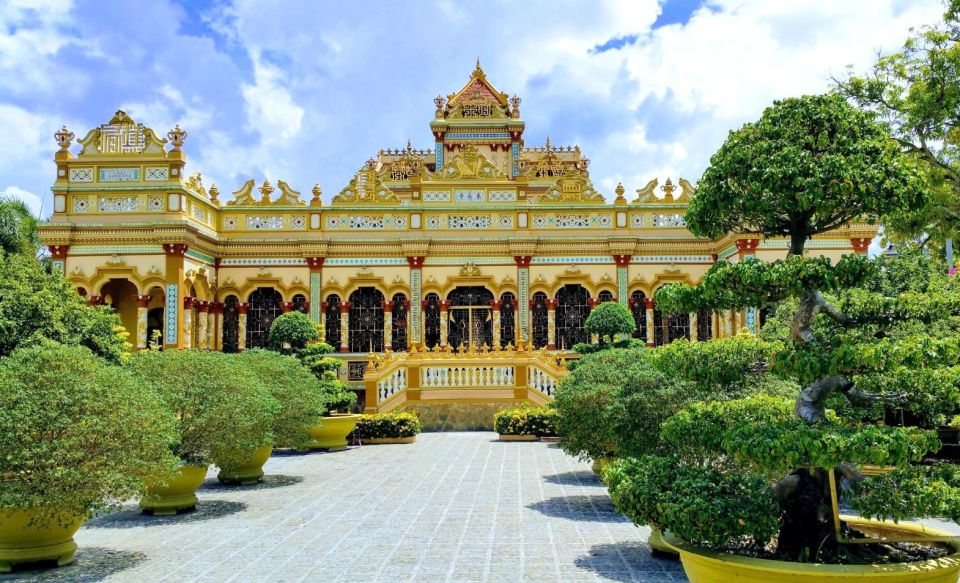
- Cai Rang floating market + Khmer pagoda: market sights plus Munir Ansay, with shoulders-and-knees-required temple respect.
Mekong Delta in Two Days: What This Trip Actually Feels Like
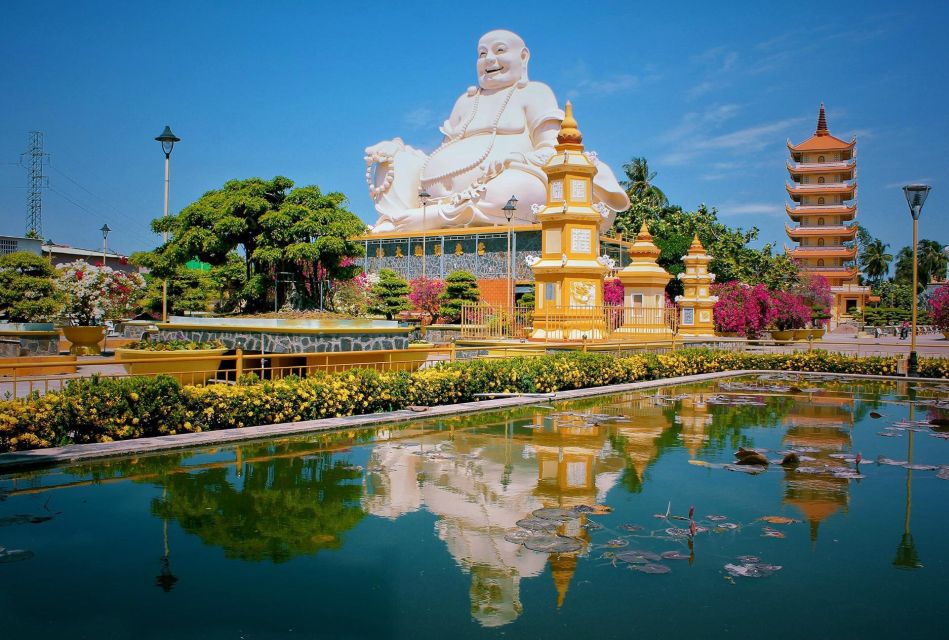
This is the kind of two-day Mekong Delta plan that feels fast, but not rushed in the same way as a day trip. The core idea is simple: you start in Ho Chi Minh City, shift to the river systems around Cai Be and Can Tho, then end with the biggest floating market stop in the region plus a pagoda and fruit.
What you’re really paying for is not just transportation. You’re paying for guided context. The itinerary includes boat rides, village walks, a noodle factory visit, and a Khmer temple stop, so you get a clearer picture of how food, religion, and daily work connect here.
The pacing is also practical. You spend meaningful chunks of time on water (canals and tributaries), then get land-based experiences (orchards, houses, workshops). That balance matters because the Mekong can feel samey if you only do boat after boat.
You can also read our reviews of more tours and experiences in Ho Chi Minh City


Starting in Ho Chi Minh City: The 07:30 Pick-Up and Getting Out Fast
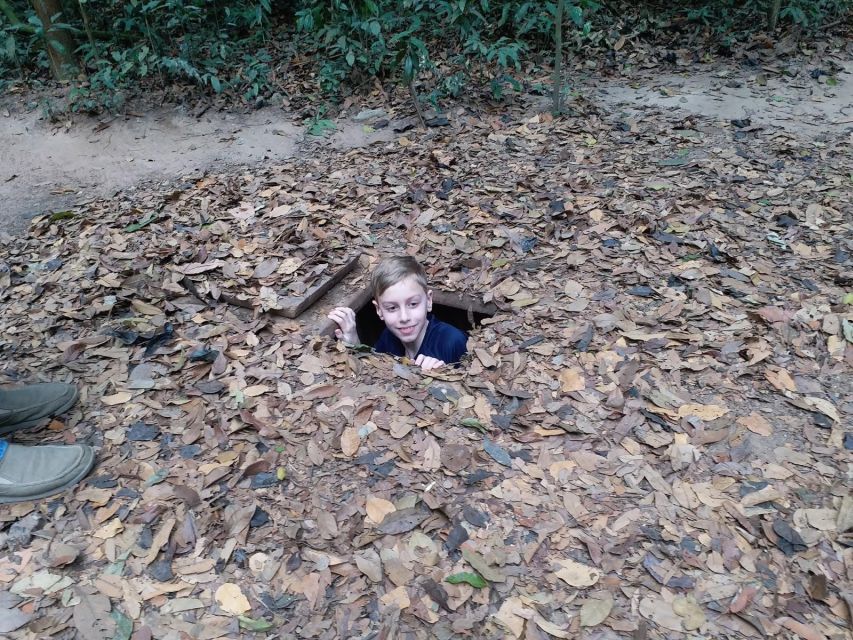
Your day begins with a meeting point at 112 Tran Hung Dao Street, Ben Thanh Ward, District 1, with a 07:30 start. You’ll want to arrive at least 10 minutes early, because the whole schedule depends on that early departure.
If you choose optional pickup (instead of meeting directly), it’s only from selected central District 1 areas—Ben Thanh Ward, Cau Ong Lanh Ward, and part of Saigon Ward. It does not cover certain streets and Tan Dinh Ward, so it’s worth checking your exact location before you expect a pickup.
Why that first morning matters: leaving early helps you arrive in the Mekong zone while you still have good daylight for canal views, orchards, and outdoor stops. It also reduces the chance that your return day gets squeezed by traffic, though traffic can still affect the final return timing.
Cai Be Canals and the Old Floating Market Site: Trading Past and Present
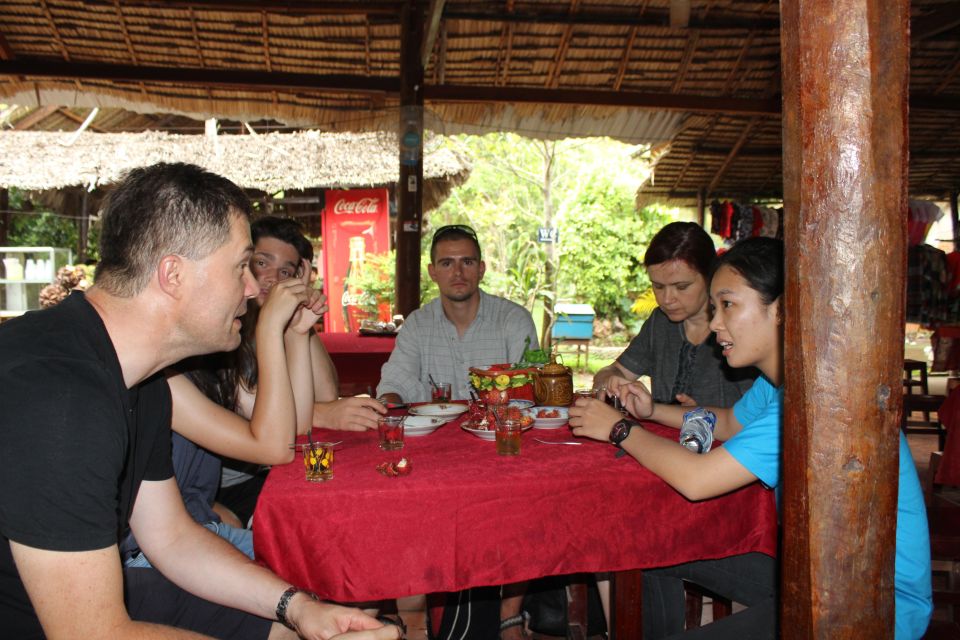
Day 1 takes you from Ho Chi Minh City to Cai Be, then straight into the river rhythm. You’ll have a boat ride to the remaining site of an old, famous wholesale floating market on the Tien River—a key stop because it frames what you’re seeing elsewhere later.
You learn how trading habits have shifted as modern society brought more terrestrial transportation and changes in agriculture. It’s a useful mental model for the whole trip. When you later see floating markets, you’re not just watching boats—you understand why they evolved and what those boats are doing in daily commerce.
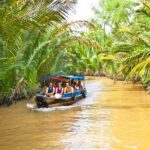
Then the plan spreads you out a bit: small villages, canal paddling, and island time around Tan Phong Island. The canal paddles are especially nice because they let you look around at close range. Instead of feeling like you’re just passing through, you get to notice details—how canals cut through orchards and how life clusters around waterways.
Practical note: bring sunglasses and a hat. You’ll be outside, and the Mekong sun can hit hard even when the air feels humid and slow.
Family Workshops, Coconut Candy, and Vietnamese Lunch in the Garden
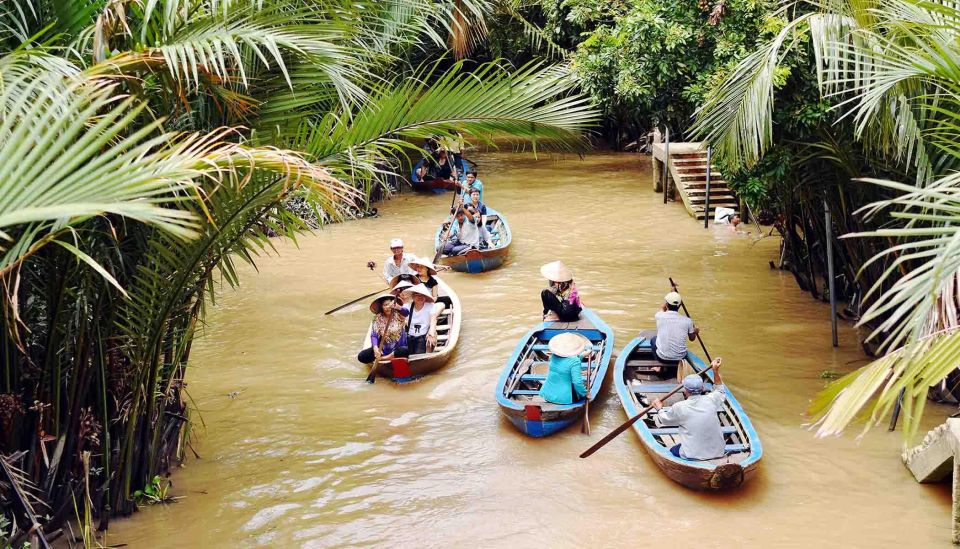
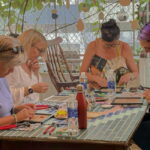
This is where the tour feels most human. In the Cai Be area, you stop for small family business experiences, including making coconut fudges and crispy rice popcorn. These aren’t huge, flashy attractions. They’re the kind of stops that help you understand how snack foods and sweets are part of daily river life.
You’ll also see the orchard economy up close. The area is described as a fruit basket of the lower Mekong, and it shows up in the foods and in the cycling and canal routes later.
Lunch is a standout because it’s prepared in the garden and includes teaching moments. You don’t just receive a plate; you participate in how Vietnamese specialties are made. That turns lunch from a break into a mini cultural lesson.
And yes, you also get fresh fruit time here. Expect tropical fruit flavors that feel obvious once you taste them—simple, direct, and seasonal.
Cycling Orchards and Ba Kiệt’s Ancient House: Daily Life, Not Just Sights
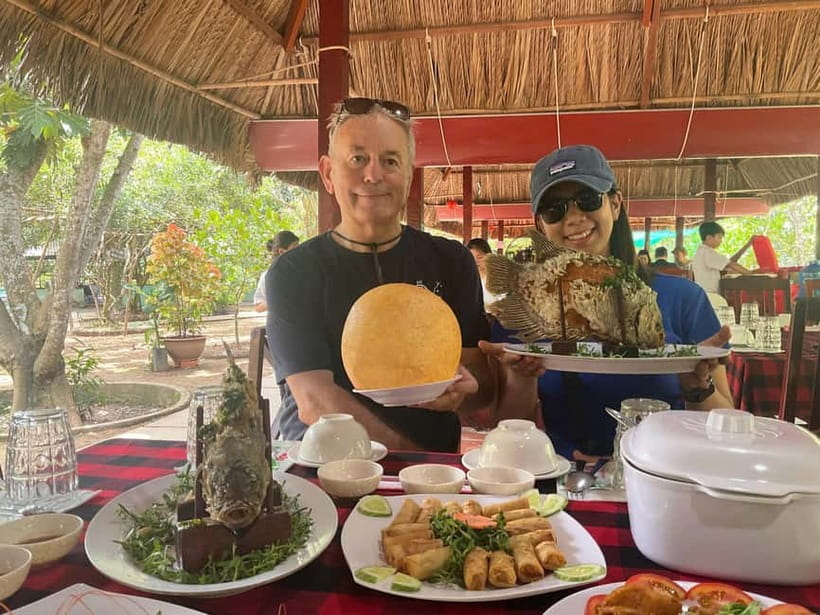
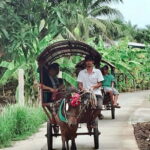
After the boat-and-canal parts, you switch to a slower, more grounded way of moving: cycling through village paths and orchards. This is one of the best “pace changers” on the itinerary. On a bike, you notice changes in terrain and density—where people farm, where gardens sit near homes, and how practical daily routes are.
You also visit Ba Kiệt’s ancient house. The goal here isn’t to treat it like a museum piece behind glass. It’s framed as a way to learn about village life—how heritage, family spaces, and community living worked in this part of the Delta.
A few other details add texture: you meet local islanders to learn more about daily life, and you spend time in areas where Southern Vietnamese folk music becomes part of the atmosphere. It’s not just background audio. It helps set the tempo of what you’re seeing.
Who this part suits best: if you enjoy gentle activity (not extreme biking), and if you like small communities more than big-ticket landmarks, you’ll feel at home here.
Can Tho at Night: Why the Overnight Matters for River Views
You transfer to Can Tho and sleep there overnight. That matters more than it sounds.
A lot of Mekong tours try to cover too much in one day, which can make the market portion feel like a quick photo stop. Staying overnight helps you avoid that feeling and gives the second day a more settled rhythm.
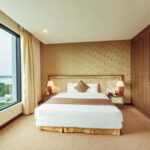
Your included accommodation is a twin/double shared room. If you use the optional pickup package, it also includes round-trip pickup/drop-off from select central areas and accommodation at a 3-star hotel in Can Tho.
From what’s clearly emphasized in the experience feedback, people value the Can Tho stay as a real reset after the longer first day of boats, village walking, and outdoor food prep. After day 1, you’ll appreciate having a proper place to freshen up before the market day.
Sunrise-Style Morning on the Bassac River and Cai Rang Floating Market
Day 2 starts with breakfast at the hotel, then you head out by boat again—this time to explore tributaries around the Bassac River. These quieter waterways are a nice contrast to the most famous market moment.
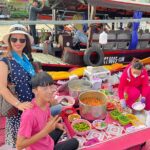
Then you go to Cai Rang Floating Market, described as the most vibrant floating market in the region. In practice, this stop is about variety: boats, sellers, goods, and the visual language of how commerce looks when everything is water-based.
There’s a small practical point here: market impressions can vary depending on timing and conditions. You might get a dramatic view, or you might see it at a more functional, quieter moment. Either way, the guided context helps you understand what you’re looking at instead of just scanning for photos.
Noodles and Khmer Architecture: The Munir Ansay Pagoda Stop
After the floating market segment, your day turns toward food production and temple culture.
You visit a noodle factory on foot, which is one of those underrated stops that makes the entire food story click. It connects the earlier orchard and food-making moments to what’s served later—so you understand that meals here aren’t random. They’re supported by local craft and routines.
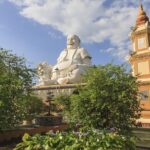
Next up is Munir Ansay Pagoda, a Khmer temple. This is an important cultural contrast inside Vietnam’s Mekong region. Khmer religious architecture and symbolism stand apart from what you typically see in many other Vietnamese temple visits.
Dress matters. You must cover shoulders and knees to visit. If you show up in shorts and a tank top, you’ll either have to rent/borrow something on-site (not guaranteed) or skip the temple respect part. Plan ahead.
Fruit Plantations and the End-of-Trip Lunch Before Returning to HCMC
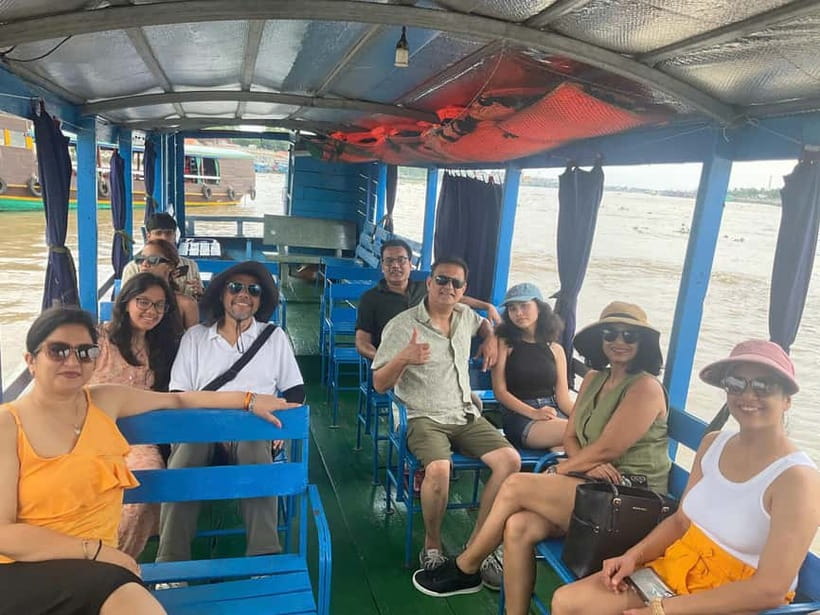
Later in day 2, you go by boat to a fruit plantation for seasonal fruit. This stop works best when you treat it like a sampling and learning moment. Instead of searching for one perfect fruit, look for the seasonal choices and how fruit is grown and harvested in this region.
Then lunch brings the trip to a comfortable close before you return to Ho Chi Minh City.
Your return time depends on traffic conditions, and the local operator isn’t responsible for delays. That’s normal for a busy route back to the city. If you have a late-night flight, build slack in your schedule.
Price, Inclusions, and What $112 Buys You
At $112 per person for a 2-day experience, the main value comes from what’s included, not just the headline price.
Your package includes:
- transportation and sightseeing as per the program
- boat trips on the Mekong Delta
- a guide in English
- entrance fees
- meals: 1 breakfast and 2 lunches
- one night accommodation in a shared twin/double room
So you’re not paying separately for boats, entry fees, or most meals. For a region where transport can be the biggest cost, that bundling helps.
What’s not included:
- personal expenses
- travel insurance
- tip
If you’re trying to keep costs predictable, this kind of all-in package is usually a good fit. If you’re the type who doesn’t eat included meals (or prefers to add extra activities), the value can tilt less in your favor.
Who This Tour Fits Best (and Who Should Skip It)
This tour is built for people who enjoy a mix of water time and light to moderate activity: canal paddles, village paths, a cycle through orchards, and several guided stops with short walks.
It is not suitable for:
- pregnant women
- people with mobility impairments
- people with heart problems
- wheelchair users
Even beyond medical limits, it’s also a day with sun, humidity, and outdoor time, so pack for comfort.
Language is English with a live guide, and the overall tone is very much about getting close to daily life—workshops, homes, food, and market scenes. If you want purely scenic cruising with zero cultural stops, you might find it too structured.
One more tip about the guide experience: strong, friendly teaching is part of what stands out in feedback, with guide names like Lilly, Peter, and Yudi showing up. A good guide makes the river feel readable, not random.
Should You Book This Mekong Delta 2-Day Tour?
Yes, if you want a structured but varied look at the Mekong Delta—canals and boats, orchards and cycling, family food-making, an old floating trading site, and a real temple visit—without needing to plan logistics yourself.
Maybe skip or reconsider if you:
- need maximum flexibility to linger in one place
- strongly expect an ultra-crowded, boat-stacked market at every second (market energy can vary)
- are sensitive to food surprises, since the included meals can land differently for different tastes
If you’re a first-time Mekong visitor, this is the kind of trip that helps you understand what you’re seeing. And if you’ve already visited Vietnam’s bigger cities, this gives you something genuinely different: river life as the main character, not a side quest.
FAQ
Where is the meeting point for the tour?
The meeting point is at 112 Tran Hung Dao Street, Ben Thanh Ward, District 1, Ho Chi Minh City.
What time does the tour start?
Pickup/meet time is 07:30 AM. The guidance is to arrive at least 10 minutes early.
Is the tour offered in English?
Yes. The tour includes a live guide in English.
How long is the experience?
It runs for 2 days.
What’s included in the price?
The included items are transportation and sightseeing, boat trips, a guide, entrance fees, meals (1 breakfast and 2 lunches), and accommodation for one night in a shared twin/double room.
Are meals included?
Yes. You get 1 breakfast and 2 lunches, as indicated in the program.
What is not included?
The tour does not include personal expenses, travel insurance, and tips.
Is pickup from my hotel available in Ho Chi Minh City?
Pickup is optional and includes areas in central District 1, specifically Ben Thanh Ward, Cau Ong Lanh Ward, and part of Saigon Ward. It does not include pick-up/drop-off from Nguyen Binh Khiem Street, Nguyen Huu Canh Street, and Tan Dinh Ward.
What should I wear for the pagoda visit?
You should cover your shoulders and knees when visiting the Khmer pagoda.
Is the tour suitable for everyone?
No. It is not suitable for pregnant women, people with mobility impairments, people with heart problems, or wheelchair users.