REVIEW · HO CHI MINH CITY
Private Sunset Photography Tour – Travel through history and time
Book on Viator →Operated by Saigon Photography Tours · Bookable on Viator
A two-hour-long sunset can teach you a lot. This private sunset photography tour is built for storytelling, not just pretty shots, with street-photography guidance and a route that moves from a landmark tower to older lanes and then into an underground scene. I like the way the pace stays human: you’re out in the city, but you also get coached on what to look for and how to frame it.
Private also means you’re not lost in a crowd, and the group tends to learn fast. One possible consideration: the experience requires good weather and involves some walking (and at least one underground stop), so bring comfortable shoes.
In This Review
- Key highlights you’ll feel during the 3.5 hours
- Sunset timing at 2:30 pm: the light and the mood line up
- Bitexco Financial Tower: starting with a photogenic anchor
- Mong Bridge lanes: older Saigon living inside the city
- Cong Vien 23 Thang 9: an underground neighborhood for characters and contrast
- How Adrien’s mentoring changes your photos (even if you’re brand new)
- What you’ll actually practice on the street
- Gear and comfort: the small choices that keep your photos sharp
- Price and value: $89 for private coaching that pays off
- Who should book this sunset photo walk
- A practical flow you can picture before you go
- Should you book this sunset photography tour?
- FAQ
- How long is the private sunset photography tour?
- What time does the tour start in Ho Chi Minh City?
- Is hotel pickup included?
- Is this a shared group tour?
- Do I need to be an experienced photographer?
- Are entrance tickets included for the stops?
- What happens if the weather is poor?
Key highlights you’ll feel during the 3.5 hours
- Street-story coaching: you’ll get settings and scene ideas, plus feedback that helps your photos say something
- Private format: only your group participates, so you can ask questions as you go
- Photo-focused route: Bitexco Financial Tower → Mong Bridge lanes → an underground neighborhood in Cong Vien 23 Thang 9
- Local access: the route leans into everyday spaces that feel like real Saigon, not a checklist
- Beginner-friendly: the guide offers personalized guidance for both first-timers and more experienced shooters
Sunset timing at 2:30 pm: the light and the mood line up
This tour starts at 2:30 pm, which is smart in Ho Chi Minh City. You’re out before the sky fully changes, so you get time to test your camera settings and composition before the light gets dramatic. The goal isn’t only a sunset glow. It’s also the in-between hour when shops, sidewalks, and small alleys start to look more cinematic.
Your route also gives you contrast. You’ll begin at a high, visible landmark area, then move into narrow lanes where shadows and reflections do the heavy lifting, and finally drop into a different kind of environment. That mix helps you practice more than one photographic approach in one sitting: clean compositions outdoors, then more character-driven frames indoors or underground.
And because this is a private experience, you can slow down for the parts you care about most. If you’re new, that extra patience matters. If you’re advanced, it keeps you from feeling rushed.
You can also read our reviews of more private tours in Ho Chi Minh City



Bitexco Financial Tower: starting with a photogenic anchor
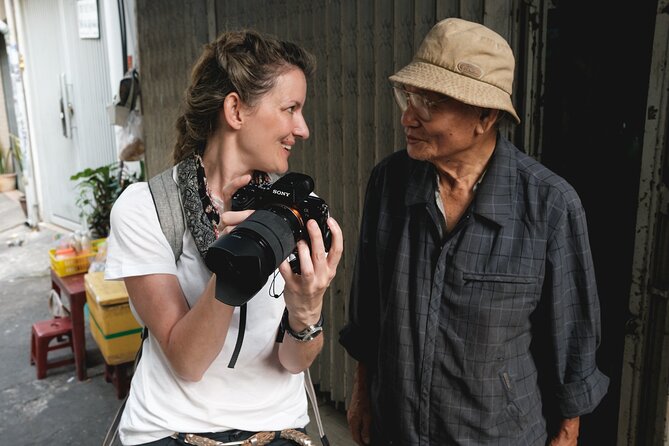
You’ll be picked up from your hotel and taken to the Bitexco Financial Tower area first. The value of starting here is simple: it gives you a strong visual reference point right away. You can orient your eye to scale, geometry, and skyline context before you move into smaller streets.
This first stop also sets the technical tone. You’ll talk through the program and cover camera settings—the kind you can actually use on the next street turn, not just theory. The tour’s theme is storytelling, so you’ll also learn how to think about framing people, places, and moments in a way that communicates.
What I like about this setup is that it treats the camera like a tool for seeing. It’s not only about what to shoot. It’s about how to decide what matters.
A practical drawback: tower areas can be busy in the late afternoon. Even with a private group, you’ll want to be mindful when positioning for shots, especially if you’re shooting people or using a tripod-like setup.
Mong Bridge lanes: older Saigon living inside the city
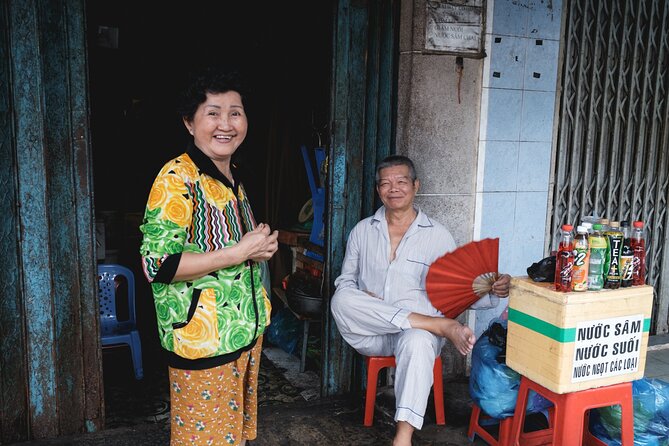
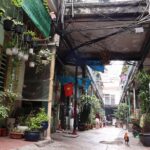
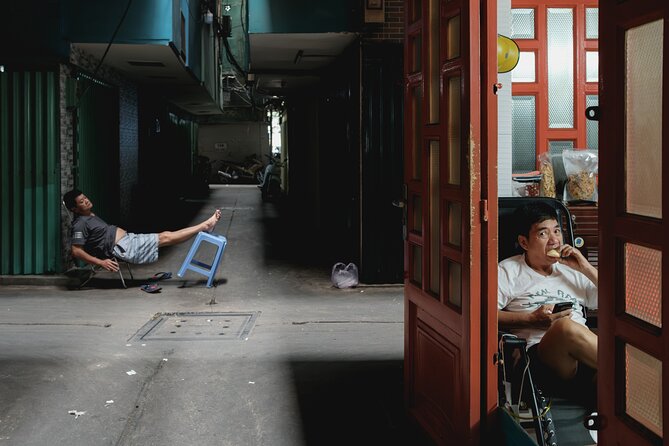
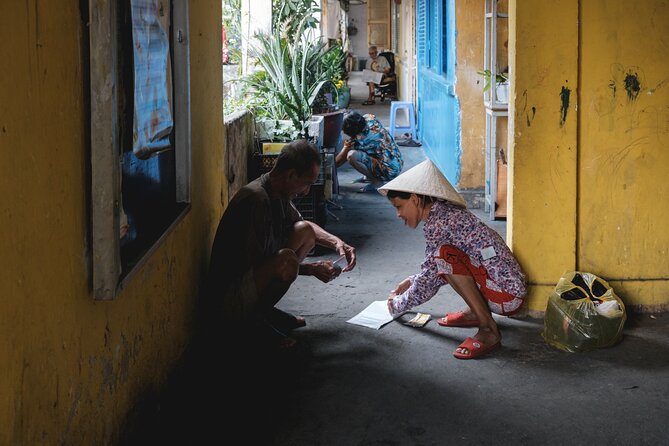
Your second stop is Mong Bridge, and the focus shifts hard toward street life. Expect small streets and alleyways, a maze of everyday passages where older Saigon still shows through even while the city grows around it.
This is where the coaching becomes especially useful. In lane photography, small choices make big differences:
- where you stand changes the story
- where someone walks changes the frame
- what you include at the edges changes whether the photo feels like a moment or just a scene
The tour uses this area to help you practice noticing. You’re not just searching for a single photo spot—you’re training your eye to build a sequence. The “maze” description matters because it encourages you to keep moving and to keep trying. Often, the best frame is one turn later.
One more thing: lanes give you strong shadow lines and layered depth, which can make sunset light look more dramatic than the wide-open city spaces. If you’re planning to shoot in manual, this is also a great place to test settings without overthinking it.
Cong Vien 23 Thang 9: an underground neighborhood for characters and contrast
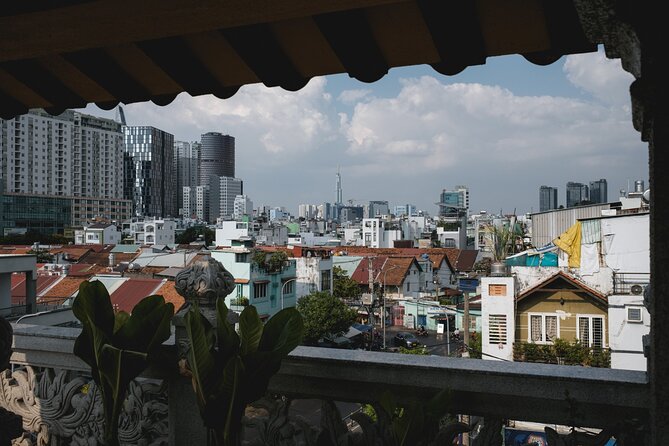
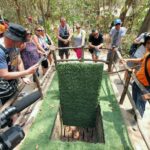
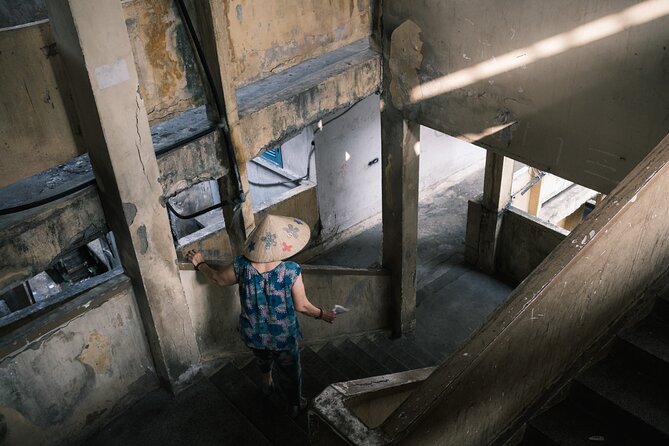
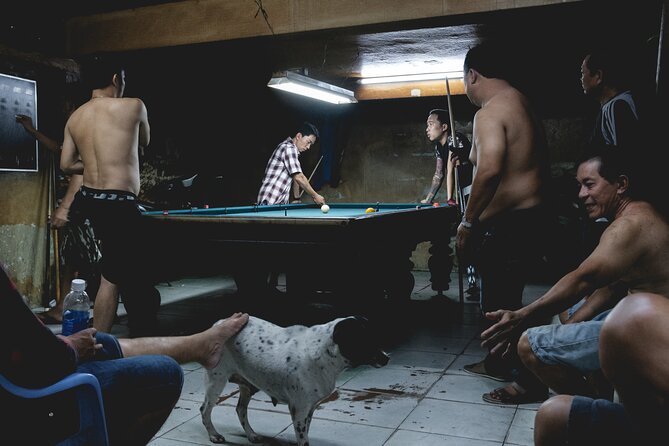
The third stop is Cong Vien 23 Thang 9, and the tour heads into an underground neighborhood filled with interesting scenes and characters. This is a big part of what makes the route feel like more than a normal photo walk: you’re switching environments on purpose.
Underground shooting changes your exposure decisions fast. Light levels drop. Color balance can shift. Backgrounds can feel busy. That’s why the earlier setup with settings and composition coaching pays off now. You’ll likely need to rely on your camera decisions and your ability to keep the frame clean.
This stop also supports the tour’s core idea: tell stories of real Saigon and real people. Underground areas often feel more candid because the environment naturally reduces the “tourist gaze” effect. If you like street photography that feels lived-in, this part is where you’re likely to come alive—figuratively and with your camera.
A consideration here is physical comfort. Even though the tour only requires moderate physical fitness, underground spaces can mean more uneven walking and stairs. Wear shoes you trust.
How Adrien’s mentoring changes your photos (even if you’re brand new)
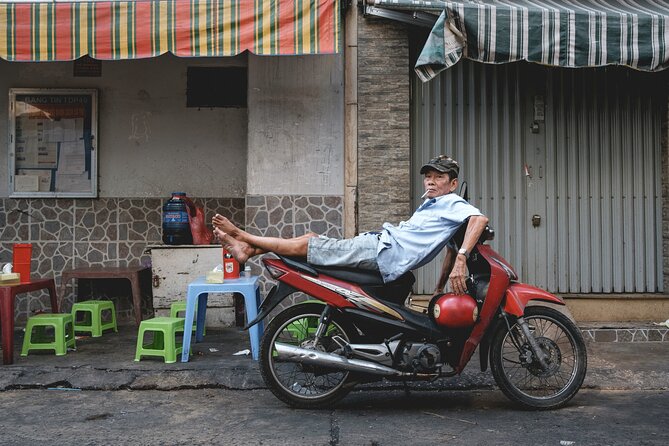
Across the experience, the guiding thread is mentorship. The guide is Adrien, and his approach is friendly and practical: you’ll get tips fast, then you’ll apply them immediately. One of the best coaching moves is that he doesn’t just say what to shoot. He explains how he’d approach a scene—so you can copy the thinking, not just the settings.
You should also expect hands-on guidance during the walk:
- camera settings taught in the moment
- composition advice tied to what’s in front of you
- feedback on your images as you go (not only at the end)
That last part matters more than people think. When someone reviews your shots and points out why one frame works and another doesn’t, you learn faster than by trial and error.
Even if you’re a beginner, this is built around the idea that you can leave with better images. The tour is explicitly framed for both beginners and more advanced photographers, which usually means the guide adjusts the level rather than assuming everyone is at the same starting point.
If you’re advanced, you can still benefit. You’ll likely sharpen your storytelling choices—like how to include context without losing focus or how to use light and shadow to shape mood.
You can also read our reviews of more historical tours in Ho Chi Minh City






What you’ll actually practice on the street
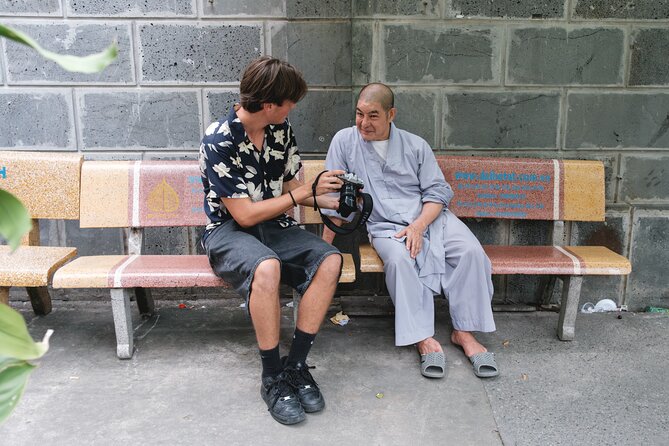
A sunset tour can easily turn into a random shuffle in the hope of good light. This one is different because you practice a set of photo skills tied to where you are.
Here are the skills the route naturally reinforces:
Storytelling over sightseeing
You’ll focus on scenes that show daily life, not only landmark views. That’s the difference between a photo that looks nice and a photo that reads like a short story.
Framing in layers
The transition from tower area to lanes to underground scenes forces you to handle foreground, midground, and background. You’ll get lots of opportunities to practice depth.
Timing your exposure to the light shift
Start before the sunset peak, then keep shooting as conditions change. That helps you learn how your settings behave during real transitions.
Working with people without making it awkward
In street photography, the best photos often include people. The tour’s approach encourages you to feel natural while shooting—so you’re less likely to freeze up or feel intrusive.
If you bring your own curiosity, you’ll probably leave with a stronger “shooting habit” than you had when you arrived.
Gear and comfort: the small choices that keep your photos sharp
This tour is three and a half hours long, and it’s private. That usually means you don’t have to fight for space, but you do need to move. Plan for a few stretches of walking through small streets and then time underground.
Here’s what helps most:
- comfortable shoes for uneven areas and stairs
- a camera you know how to operate (don’t bring a brand-new setup and hope for miracles)
- your full battery and memory space
- a way to check your settings quickly between shots
If you want to maximize results, keep your gear simple. When you carry too much, you spend more time managing equipment than watching light and faces.
Also, since this experience depends on good weather, it’s smart to think about what you’ll do if the sky changes unexpectedly. If weather is poor, you’ll be offered another date or a full refund. That’s a practical safety net, but you still should pack a rain plan just in case.
Price and value: $89 for private coaching that pays off
At $89 per person, this tour sits in the “worth it if you care about photos” category. The big reason is that you’re not just buying a route. You’re buying a mentor who helps you turn what you see into frames that work.
Here’s the value breakdown in plain terms:
- You get hotel pickup, which reduces friction and keeps your afternoon on schedule
- You get a private experience, so you can ask questions and adjust pacing
- The tour includes entrance tickets at two stops (and the first stop is free), which keeps the day from turning into surprise costs
- You get feedback and settings help, which can improve your photos even on your next days in the city
One more point: this tour is typically booked about 61 days in advance on average. That’s often a sign of demand, especially for photography experiences where guides with good local street instincts are hard to replace. If your travel window is fixed, it’s smart to reserve early so you’re not gambling.
Who should book this sunset photo walk
This tour fits best if you want a guided way to shoot Saigon streets, not just a random walk with a camera.
You’ll especially like it if:
- you’re new to street photography and want personal feedback
- you want to learn settings and composition in real scenes
- you like the idea of combining a landmark start with older lanes and then an underground environment
- you prefer an experience that’s private so you can ask questions without feeling rushed
It may not be ideal if you want a long sitting-and-waiting style photo trip where you stay in one location for hours. This route moves, and the best results come from staying curious and responsive.
A practical flow you can picture before you go
Think of the afternoon like three phases:
1) Warm-up at the tower
You set your camera thinking, get a sense of the “story angle,” then head out with a plan.
2) Old Saigon at Mong Bridge
You practice seeing layers, using alleys for depth, and capturing people and movement as part of the scene.
3) Underground characters at Cong Vien 23 Thang 9
You shift to low-light style thinking and keep your framing intentional even when the environment gets busy.
This structure is what makes the tour feel productive. You’re not wandering; you’re training.
Should you book this sunset photography tour?
If you care about leaving Saigon with photos that feel like stories, I’d book it. The biggest strengths are the private format, the street-photography mentoring, and the route choice that forces you to work in very different environments—tower views, lane life, and underground scenes.
Book it if you:
- want practical coaching, not generic photo tips
- enjoy street photography and want a guide who can show you how to approach real scenes
- like the idea of a 2:30 pm start that builds into sunset light
Skip it if:
- you dislike walking or need a very low-movement plan
- you only want one landmark photo location and nothing else
- the weather in your travel window is uncertain and you’d rather avoid any schedule changes
If you’re open to learning in the field, this is the kind of tour that can change how you photograph the city tomorrow, not just how you remember it today.
FAQ
How long is the private sunset photography tour?
It runs for about 3 hours 30 minutes.
What time does the tour start in Ho Chi Minh City?
The start time is 2:30 pm.
Is hotel pickup included?
Yes, pickup from your hotel is offered.
Is this a shared group tour?
No. It’s a private tour/activity, and only your group participates.
Do I need to be an experienced photographer?
No. The tour is designed for both beginners and more advanced photographers, with personalized guidance and feedback.
Are entrance tickets included for the stops?
Yes. Entrance is free at the first stop, and admissions are included for the second and third stops.
What happens if the weather is poor?
The experience requires good weather. If it’s canceled due to poor weather, you’ll be offered a different date or a full refund.