REVIEW · HO CHI MINH CITY
Ho Chi Minh: Southern Vietnam 4-Day Authentic Mekong Farm Trip
Book on Viator →Operated by Vietnam To Travel · Bookable on Viator
Four days later, Mekong felt real. This trip trades Ho Chi Minh noise for kayaking lanes, bike rides through working rice country, and homestay nights where you see how food actually gets made. I especially love the hands-on rhythm—cooking with locals and trying farm activities instead of just watching. One drawback to plan for: it is a full, fast schedule with early starts and lots of time on boats and in vehicles.
What makes it work is the human pace. Guides like Chow and Pablo are what turn a busy itinerary into something personal, with good English, lots of Q&A time, and a calm attitude even when the day is moving.
If you want comfort-only sightseeing, you might feel like it’s too active. But if you like nature, photos, and getting close to daily life in southern Vietnam, this is the kind of trip you’ll remember for the right reasons.
In This Review
- Key highlights worth planning around
- From Ho Chi Minh City to Cu Chi Tunnels: a fast start with real contrast
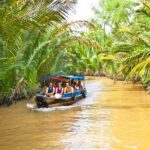
- Long An Province: rice fields, Xom Trau Pagoda, and kayaking into real canals
- Ca Mau in the morning light: market coffee, sunrise cycling (or orchards), then mangroves
- Nam Can’s farms and food: shrimp, markets, cooking lunch, then fishing and clams
- Soc Trang Province and clay-pagoda culture: a calmer finish before heading back
- Why this feels authentic: it’s the rhythm, not just the checklist
- Comfort and packing: the small things that make water days easy
- Price and value: is $719 a good deal for a private delta experience?
- Who should book this Mekong farm trip, and who should skip it
- Should you book this tour?
- FAQ
- How long is the trip?
- Where does the tour start?
- Is this a private tour?
- What activities are included?
- Does the tour accommodate dietary restrictions?
- Which provinces and key places are visited?
- Does weather affect the tour?
- What is the cancellation window?
Key highlights worth planning around
- Chow and Pablo’s hands-on style: friendly, English-forward guiding, and they actually listen to questions
- Cu Chi Tunnels as a sharp opener: history early, then you slide south into river country
- Kayaking in narrow canals, not just big water: more contact with daily life, more photo angles
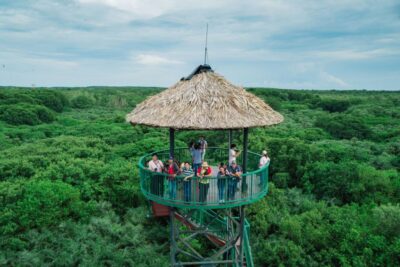
- Ca Mau’s mangrove focus: sunrise cycling or orchard time, then kayaking and a sunset motorboat ride
- Nam Can farm-to-plate moments: aquaculture, market time, cooking lunch, then fishing and clamming/oyster hunting
- Private group format: only your group participates, so the schedule can feel more flexible
From Ho Chi Minh City to Cu Chi Tunnels: a fast start with real contrast
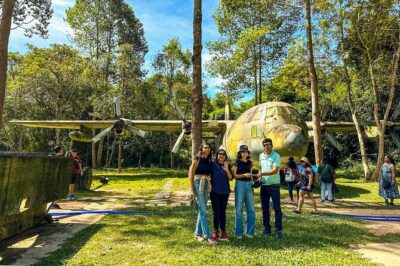
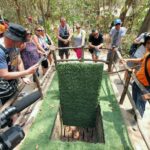
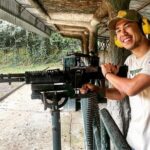
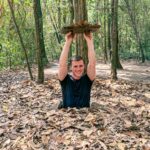
The day begins with a hotel pickup in Ho Chi Minh City, then you head to Cu Chi Tunnels early. You’ll tour the underground system used during the war—tight, humid, and very different from anything you’ll see in the delta. Even if history isn’t your first love, it helps you understand why this region’s people value land, water, and resilience so much.
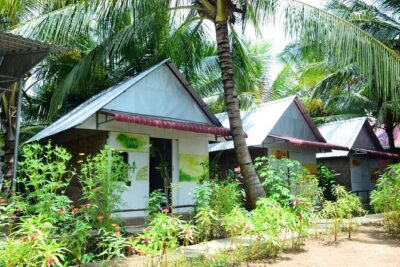
Then the trip turns toward the south. As you drive, the mood shifts from formal history stops to river-life scenery. You’ll check in at a homestay (Family Tiny Garden Homestay is the listed name) once you reach the Mekong-side area, so you’re not just passing through. That matters: you don’t just visit the delta, you get to base yourself there for a few nights.
Practical note: wear shoes you can get slightly dirty. The day includes road time plus activities later, and you’ll want something grippy and comfortable.
You can also read our reviews of more tours and experiences in Ho Chi Minh City
Long An Province: rice fields, Xom Trau Pagoda, and kayaking into real canals
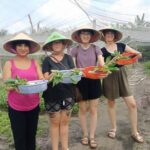
Afternoon activities in Long An Province are where this tour becomes more than sightseeing. You start with a cooking class, which sets the tone for the whole program: you learn flavors and technique through the local routine, not through a staged demo. If you enjoy eating, this is a big win because you’ll taste what you helped make later in the day’s flow.
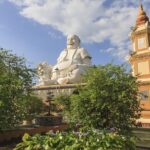
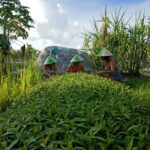
After cooking, you cycle through rice fields. It’s not just a scenic bike ride; it’s a look at how farmers move through daily work landscapes. You’ll also visit Xom Trau Pagoda, giving you a cultural stop that feels tied to the local environment rather than disconnected from it.
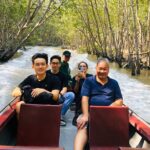
Then comes underground time again. You’ll visit an underground relic in the area, which adds continuity from Cu Chi without turning the day into a history marathon. After that, you’ll paddle: kayaking through narrow canals. This is one of the most valuable parts for photographers and nature lovers because you see the waterway the way locals move through it—close to the banks, under trees, and with small sights you’d never notice from a bus window.
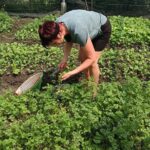
The day finishes with hands-on farm moments like rice transplanting and fish catching. This is where the “authentic” part shows up. You’re not just learning names of things; you’re physically joining the activity for a short time, learning from the rhythm and the people running the work.
Consideration: kayaking and farm activities can mean getting wet or muddy. Plan for that and you’ll have a better time.
Ca Mau in the morning light: market coffee, sunrise cycling (or orchards), then mangroves
Day two leans hard into early-day energy. You’ll start around 6:00 AM with sunrise cycling or an orchard visit, depending on what the day offers. Either way, you’re out before crowds and before the heat fully settles in—ideal for photos and a calmer feel.
Breakfast and coffee come with a local market stop. This is one of those moments that feels small but sticks with you, because markets show you what people buy and eat, not just what tourists photograph. You’ll taste your way through the morning routine and then get ready for the water.
By 8:00 AM, you’re back on the water for kayaking. Then you depart around 9:30 AM for Ca Mau, with lunch en route. Ca Mau is all about water-connected life, and it’s the kind of place where mangroves change the entire feel of the horizon.
Late afternoon brings a motorboat trip timed for sunset on Tam Giang. This is a classic Mekong payoff: low light, long reflections, and that quiet stretch where you stop thinking about the schedule and start watching the sky. It’s also a great moment to slow down, especially after a full morning.
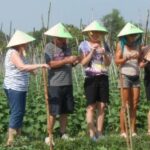
Tip: bring sun protection and a hat. You’ll be outside for long windows.
Nam Can’s farms and food: shrimp, markets, cooking lunch, then fishing and clams
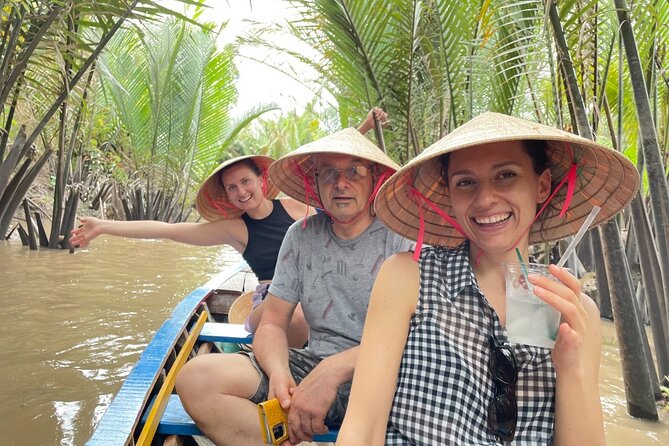
Day three shifts from mangroves into a more farm-and-food centered day in Nam Can. In the morning, you’ll begin with breakfast, then motorboat exploration through mangrove canals. The boat portion helps you cover ground without exhausting you too early, and it gives you a different perspective than paddling alone.
Next you’ll visit shrimp and aquaculture farms. This is practical context for what you’ll eat and why the Mekong economy runs on water-based farming. Then there’s a market visit, which links the farm work to the ingredients people actually handle and buy.
You’ll cook lunch with locals. This is the second time in the program you get a hands-on meal—so the skills and flavors you learned earlier with the cooking class become more meaningful now. You’ll also understand a bit more about daily choices: what’s available, what’s affordable, and what tastes best in the local routine.
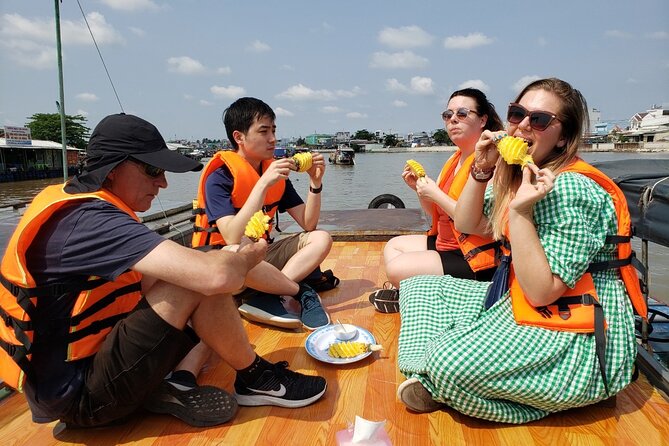
In the afternoon, the activities get more playful and physical. You’ll try fishing and swimming to find clams or oysters, then end with a BBQ dinner. That combination—work, water time, and a shared meal—is a big reason this trip gets such strong satisfaction. You’re not just passing through; you’re participating in how food moves from water to table.
Consideration: swimming isn’t for everyone. If you’re uncomfortable in natural water, you can still enjoy plenty of the day, but you should go in knowing there’s an active water component.
Soc Trang Province and clay-pagoda culture: a calmer finish before heading back
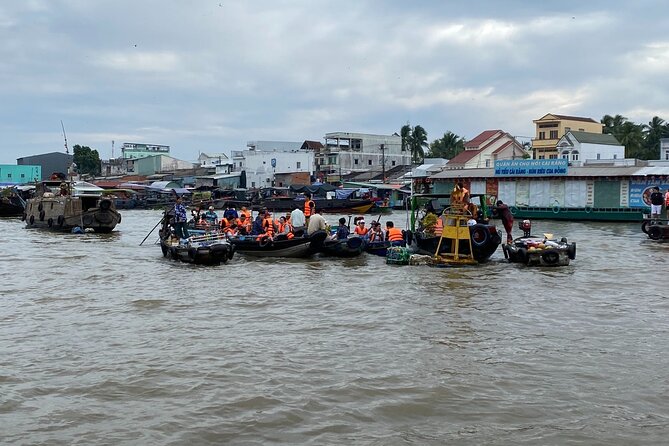
Day four is a lighter “wrap-up” compared to the prior two water-heavy days, though you’ll still be moving. You’ll travel via motorboat to the bus, then head into Soc Trang Province. This is where the trip adds a different kind of understanding: religious and cultural stops that round out the nature focus.
You’ll visit Tac Say Cathedral (Father Diep’s Church) and the Clay Pagoda. Those stops are brief compared with the paddling and farms, but they matter because they show how communities structure life beyond agriculture—spiritual places that are part of the region’s identity.
Lunch comes around midday, then you drive back to Ho Chi Minh City. Arrival is around 5:30 PM, so you’re not stuck overnight out in the delta. It’s a clean, practical ending: you get the full experience, then you can sleep in your own city bed that night.
Pro tip: if you’re sensitive to long rides, plan a quiet evening back in Ho Chi Minh. Day four still includes travel time after several intense mornings.
You can also read our reviews of more tours and experiences in Ho Chi Minh City


Why this feels authentic: it’s the rhythm, not just the checklist
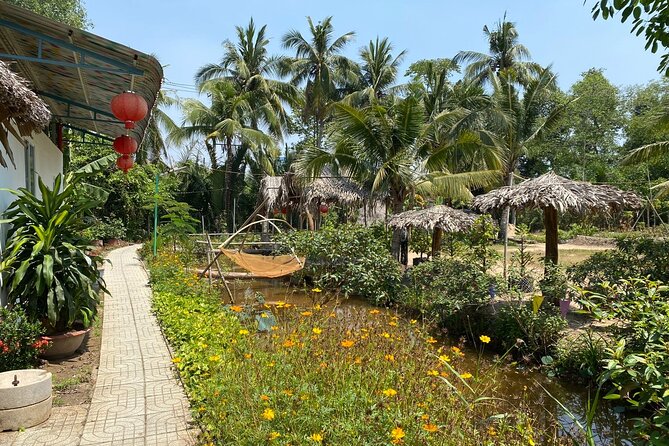
A lot of Mekong tours promise authentic. This one earns that feeling through the daily rhythm. You bike through working areas, you paddle into narrow canals, you spend time around markets, and you do small “try-it” versions of farm work. Even the history stops fit that pattern: they contextualize the region, then the day returns to lived water and daily effort.
The strongest repeated strength is the guiding. I like a guide who can answer questions without rushing you, and the guides here are described as energetic, polite, and very willing to explain. Chow and Pablo show up again and again in the experience story, with good English and a group-first attitude. That makes a difference when you’re in environments where people may not speak your language. You don’t just follow instructions; you understand why something matters.
Another plus is the variety without feeling chaotic. You get action (cycling, kayaking, fishing), culture (pagodas and cathedral), and food (cooking class and cooking lunch with locals, plus BBQ dinner). It’s not a single theme stretched for four days. It’s a mix designed to keep your interest and your energy balanced.
And yes, you’re also out in nature. The mangrove areas and water time are exactly what you came for. If you’re a photo person, you’ll love the low-angle views from the water and the “close to people” bank-level angles.
Comfort and packing: the small things that make water days easy
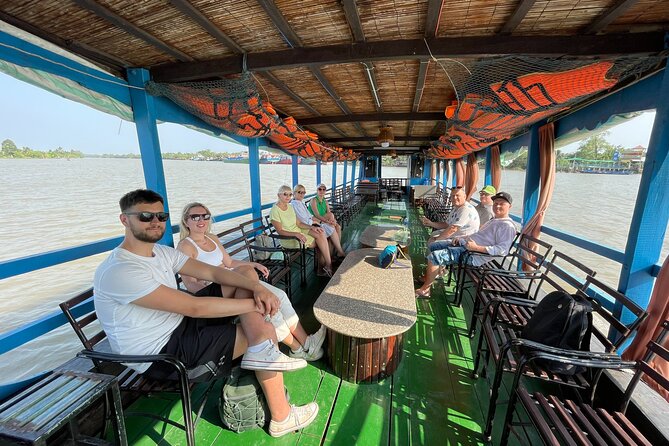
This is not a “stay pristine the whole time” kind of trip. You’ll be in and around water, and some activities may mean mud or wet clothes. Still, comfort is handled in a practical way.
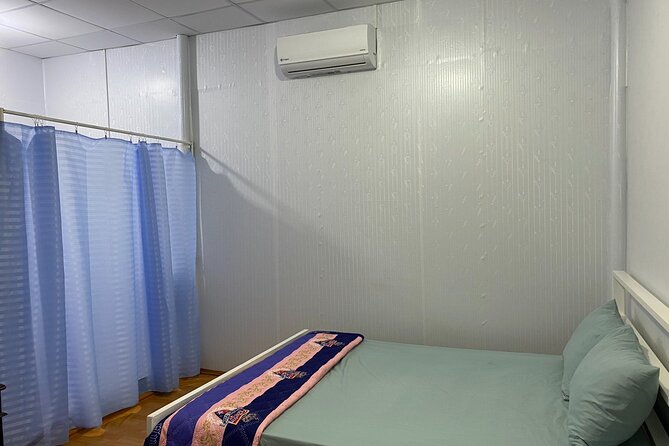
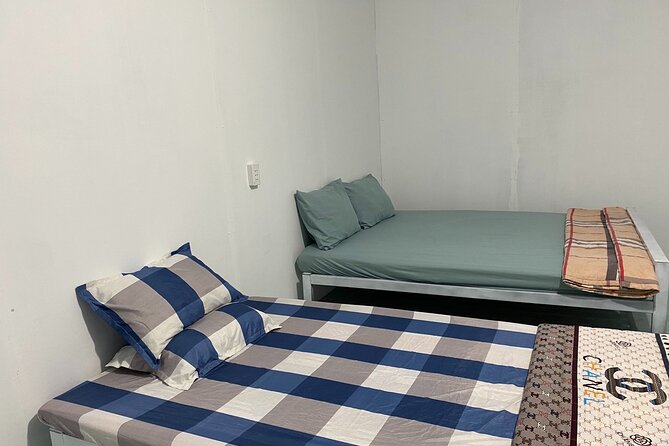
Homestay basics include mosquito nets, which helps a lot at night. That’s a quiet comfort win you don’t want to overlook. Also, because you’ll be in A/C driving at points (A/C vehicles are listed), you’ll have breaks from heat between outdoor sessions.
For packing, I’d keep it simple:
- quick-dry clothes and a spare top
- water-friendly sandals or shoes you can wet
- sunscreen and a hat
- a small dry bag or zip bags for phone and wallet
- bug spray (you’ll thank yourself)
Pace advice: treat each day like a workout plus a day out. If you try to do it like a museum tour, you’ll feel rushed. If you accept the rhythm, you’ll relax into it fast.
Price and value: is $719 a good deal for a private delta experience?
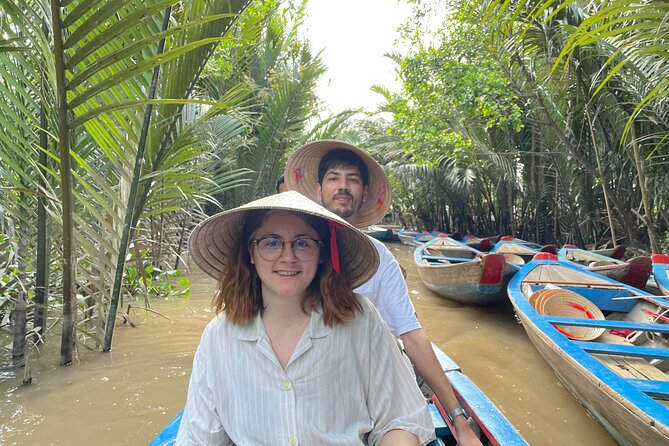
At $719 per person for about 4 days, this sits in the mid-to-higher range. But it isn’t charging like a simple “drive-by Mekong” tour. You’re paying for real time: multiple provinces, boat and kayak activities, market stops, and several hands-on food-and-farm moments. You’re also getting a pickup from Ho Chi Minh City and a private format where only your group participates.
When I look at value here, I think about three things:
- Time and access: you’re spending focused hours in the river areas, not just touching the surface.
- Experience density: kayaking, cycling, cooking, fishing, and market time all happen within a short trip window.
- Guide attention: private touring usually means less waiting and more tailored explanations.
If you’re traveling as a couple or small group and you care about authenticity, it can be a smart use of budget. If you’re traveling solo on a tight schedule and only want a short taste, cheaper group Mekong day trips might feel more cost-effective.
One more detail that signals value: the tour notes admissions as free in parts (the tour info lists admission tickets as free). Even without knowing every included site, it’s usually a sign you’re not getting nickel-and-dimed constantly during the program.
Who should book this Mekong farm trip, and who should skip it
This trip is a great match for you if you:
- love photos and want viewpoints from water-level angles
- enjoy eating and want to cook with locals, not just try one dish
- like nature plus a little physical activity
- want to get out of Ho Chi Minh City and into working rural life for several days
You might want to choose something else if you:
- want a slow, low-activity vacation
- are not comfortable with kayaking, cycling, and swimming opportunities
- prefer luxury accommodations and downtime built into each afternoon
The good news is that “most travelers can participate” is part of the tour description. Still, the activities are real, so be honest with yourself about your comfort level.
Should you book this tour?
Yes, if you want a Mekong Delta experience with hands-on farm moments, serious water time, and guiding that helps you understand what you’re seeing. This is the kind of trip where the memories come from doing: paddling narrow canals, cooking with people, and stepping into everyday food work.
Before you book, think about two things. First, you’ll need stamina for early starts and active days. Second, this experience requires good weather, so flexibility helps.
If that sounds like your idea of a good trip, go for it. If you want a relaxed, mostly sitting-and-staring program, you’ll likely feel more satisfied elsewhere.
FAQ
How long is the trip?
It’s listed as about 4 days.
Where does the tour start?
The tour starts in Ho Chi Minh City, with pickup offered from your hotel.
Is this a private tour?
Yes. Only your group participates.
What activities are included?
You can expect kayaking, cycling, cooking with locals, market visits, fishing, and a motorboat sunset trip. You’ll also visit cultural and historical sites like Cu Chi Tunnels, pagodas, and churches.
Does the tour accommodate dietary restrictions?
Yes. You can request options like vegetarian, vegan, and gluten-free when booking.
Which provinces and key places are visited?
You’ll visit Cu Chi Tunnels, Long An Province, Ca Mau (including a sunset ride on Tam Giang), Nam Can (including aquaculture areas and fishing/clams/oysters activities), and Soc Trang Province (including Tac Say Cathedral and the Clay Pagoda).
Does weather affect the tour?
Yes. The experience requires good weather. If it’s canceled due to poor weather, you’ll be offered a different date or a full refund.
What is the cancellation window?
Free cancellation is available if you cancel at least 24 hours before the experience’s start time for a full refund.