REVIEW · HO CHI MINH CITY
Exploring organic farm & Vietnamese Culinary with Master chef
Book on Viator →Operated by Chef Tan Cooking Class · Bookable on Viator
Farms and food in one smooth morning. This day trip pairs organic farm harvesting with a Vietnamese cooking class using Yin–Yang balance, taught by Chef Alice (and sometimes Chef Linh) under Chef Tan Cooking Class. I like the fact you’re not just watching—you’re picking ingredients and cooking the meal you’ll eat.
The best part is how practical it feels: you leave with recipes, a certificate, and souvenirs you made with your own hands. One heads-up: the day is packed from a 7:30am hotel pickup until around 3:30pm, so it’s not ideal if you hate early starts.
In This Review
- Key highlights you’ll care about
- From hotel pickup to organic farm: what the timing feels like
- Organic farm first: harvesting ingredients you can actually taste
- The farm-to-kitchen jump: Yin–Yang cooking and why it’s different
- What you should expect in practice
- Rice paper making: a skill that feels simple once you see it
- Cashew nuts and cashew nut candy: hands-on souvenirs with real staying power
- Why this part is worth your time
- Chef Alice and Chef Linh: teaching style that makes you feel capable
- Lunch you cook: food you actually understand
- Price and value: is $110 worth a full day in HCMC?
- What to bring and how to get the most out of the hands-on parts
- Who this experience fits best
- Should you book the Chef Tan organic farm and culinary day?
- FAQ
- What time does the tour pick you up in Ho Chi Minh City?
- How long is the experience?
- What’s included in the price?
- Is hotel pickup included?
- How many people are in the group?
- Can I cancel and get a full refund?
Key highlights you’ll care about
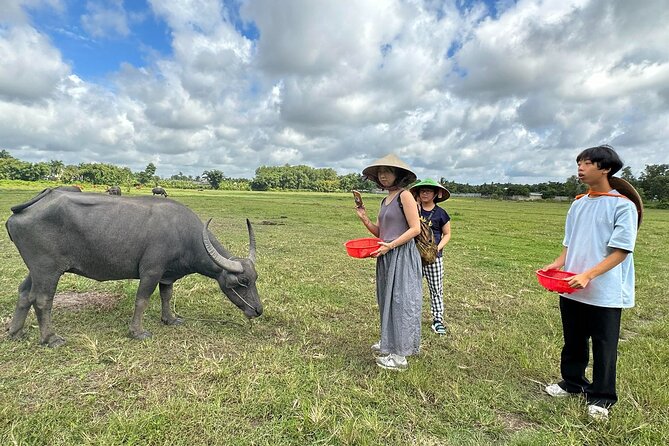
- Harvest your own vegetables, herbs, and mushrooms right on the organic farm
- Yin–Yang cooking lessons that focus on balance, not heavy guesswork
- Rice paper and cashew candy are hands-on, not just demonstrations
- Lunch is included and comes from what you cook
- Small group size (max 15) helps the class stay personal
- Recipes, a certificate, and packaged cashew products give you real take-home value
From hotel pickup to organic farm: what the timing feels like
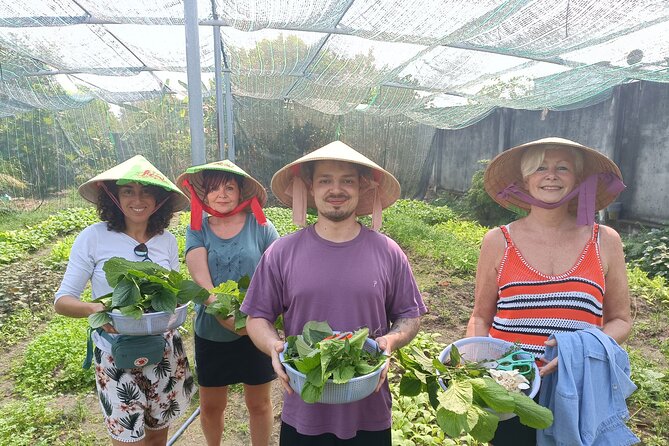
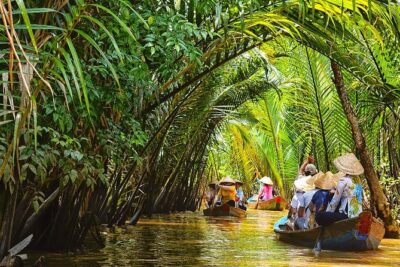
This is a full-day activity, built to move you out of central Ho Chi Minh City and into farm country without stress. Pickup starts at 7:30am, and you arrive at the organic farm around 8:45am. Expect a steady rhythm after that: farm time in the morning, kitchen time late morning through early afternoon, and then back to your hotel around 3:30pm.
If you like tours that feel organized, this one does. You get an air-conditioned vehicle, and the schedule is tight enough that you don’t waste half the day figuring things out. If you prefer a slow morning with no alarms, you’ll feel the early start. But once you’re at the farm, the pace makes sense because harvest windows don’t wait.
Also, you’re not just visiting scenery. The morning is built around doing. That changes the whole vibe—from sightseeing to getting your hands in the work.
You can also read our reviews of more tours and experiences in Ho Chi Minh City
Organic farm first: harvesting ingredients you can actually taste
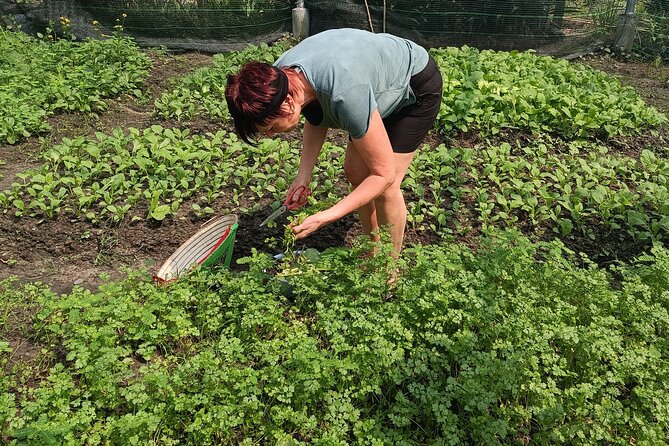
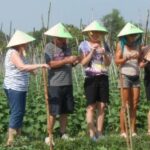
On arrival, the farm experience is grounded in “learn by doing.” You walk through areas that help you understand what makes produce truly organic and why different plants matter in everyday Vietnamese cooking.
Then you start harvesting your own ingredients. Depending on what’s growing, that can include vegetables, herbs, and even mushrooms. Some class sessions specifically mention oyster mushrooms as part of the herb-and-vegetable mix, and that kind of inclusion matters. Oyster mushrooms bring a different texture and flavor than leafy greens, so you’re not just collecting the usual salad suspects.
What I like about this setup is that it turns your cooking class into something real. When you pick the ingredients yourself, you start noticing their scent and texture. You pay attention to what’s tender, what’s fragrant, and what holds up better in a hot pan. That awareness follows you into the kitchen.
The farm teaching also includes care for animals like cows, buffalo, fish, and prawns, along with how those systems connect to food production. Even if you don’t remember every detail, it gives you a bigger picture of where ingredients come from and why the farm emphasizes healthy growing methods.
The farm-to-kitchen jump: Yin–Yang cooking and why it’s different
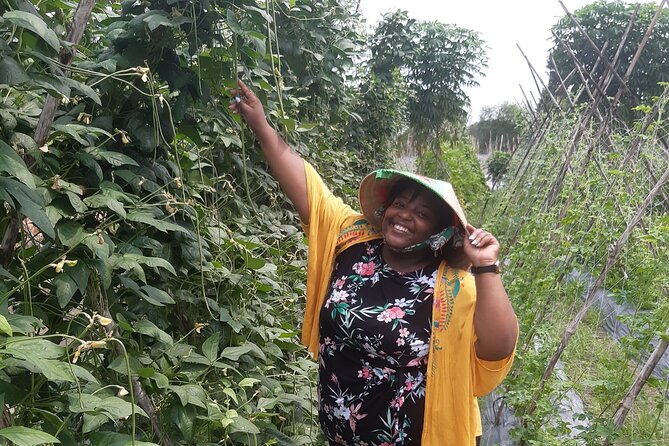
After harvesting, you shift to the cooking portion with a focus on Yin–Yang ideas. The goal isn’t mysticism for the sake of it. It’s a practical framework for balance—how to make food feel healthy and delicious without leaning only on heavy seasoning or chasing one flavor at all costs.
You’ll learn the “why” behind balance, then apply it right away. This is the part that tends to get the highest praise because it’s structured and hands-on. You’re making dishes using ingredients you collected, so you can test the balance principles as you cook.
This cooking style is also taught in a way that makes it easier to repeat later. Some classes highlight that it’s designed to be learnable and easy to understand, with clear step-by-step guidance. You’re not stuck translating a long lesson; you’re moving through cooking tasks.
What you should expect in practice
- You’ll cook the multi-dish meal yourself, guided by the chef
- You’ll focus on how ingredients work together in balance
- You’ll finish by eating the food you made
I like that the framework is transferable. Even if you don’t cook Vietnamese food at home often, Yin–Yang thinking is a way to keep meals balanced—especially helpful if you usually default to salt and heat.
Rice paper making: a skill that feels simple once you see it
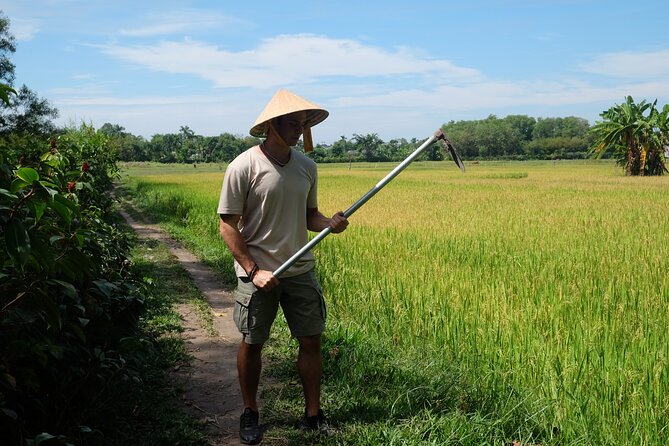
One of the standout add-ons is learning the process to make rice paper. This matters because rice paper can be one of those things you assume is complicated or store-bought forever. Having the process explained and demonstrated, then practiced, makes it feel doable.
You also end up using that homemade rice paper in the cashew candy step later. That creates a neat “chain reaction” of skills: you learn one process, then directly apply it to the next activity.
Even if your first batch isn’t Instagram-perfect, you’ll understand how thickness and handling affect results. That’s the kind of learning you can carry back home.
Cashew nuts and cashew nut candy: hands-on souvenirs with real staying power
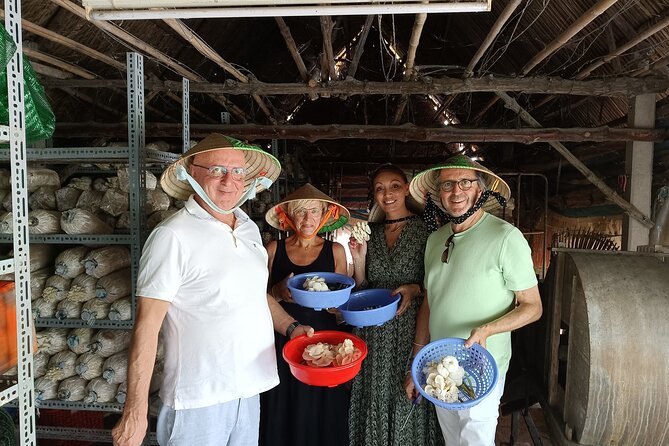
Vietnam is a major cashew exporter, and this day makes that fact feel less like trivia and more like production. You get instruction on cashew nut processing, and then you make cashew nut candy with rice paper—using rice paper you already learned to prepare.
You don’t just take candy in a bag. You package and bring back cashew products that come from your own labor. That’s a difference you can feel in the value. It’s not just a souvenir; it’s a story you can tell at a dinner table.
Brunch also ties into this theme. Your meal includes fresh fruits, cashew nuts, and cashew nut candy, so you get to taste the results of the process in the same day.
Why this part is worth your time
If you like cooking classes, you might assume the farm is the only “special” piece. But the cashew sequence gives you a second reason to remember the day: you learn an ingredient story and a snack-making skill.
And if you’re shopping for gifts, this is practical. Packaged cashew products are easier to share and carry than many fresh foods.
Chef Alice and Chef Linh: teaching style that makes you feel capable
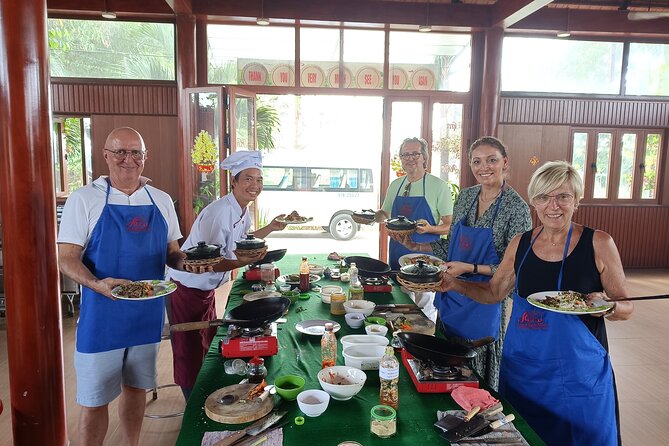
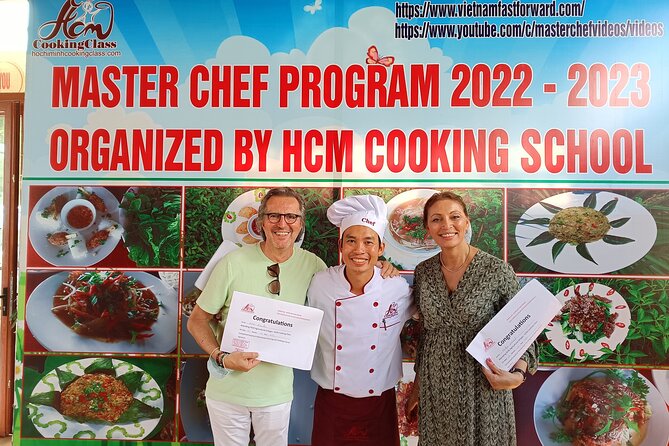
The experience is associated with Chef Tan Cooking Class, but the day’s energy comes from the chefs themselves. Chef Alice is specifically praised for being a guide, coach, and chef all in one—bubbly and clear. Chef Linh also appears in other sessions and is noted as joyful and professional.
What I take from that pattern is simple: the teaching seems designed for non-experts. The class isn’t about flexing kitchen knowledge. It’s about getting you moving through tasks with confidence.
In a few sessions, you may start with small touches like tasting something light (like jasmine tea) and a quick introduction before you head into harvesting. There’s also mention of Vietnamese-style hats during the hands-on phase, which might sound silly until you realize it sets the tone. You end up feeling like you’re part of the work, not just standing near it.
If you get nervous around cooking, this is the kind of class that tends to work because the steps are guided and the end result is shared and eaten.
Lunch you cook: food you actually understand
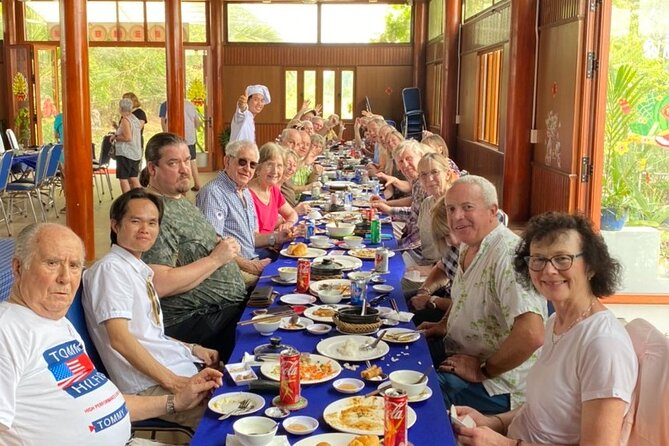
Lunch is included, and it’s the food you cook. That’s a big deal for value and enjoyment. Many cooking classes have a separate restaurant lunch, which means your “learning” meal is just a taste at the end. Here, the main meal connects directly to the cooking session.
You also get a brunch component with fruits and cashew items. So you’re not hungry while you’re learning, which keeps energy up when the day moves fast.
Portions and exact dish count aren’t listed in detail, but some sessions describe learning multiple dishes, including a set of about four dishes. So you’ll likely leave with both a full meal and enough variety to remember what you made.
Price and value: is $110 worth a full day in HCMC?
At $110 for about 8 hours, this is not a budget street-food stroll. It’s a priced activity, and you should judge it on what’s included.
Here’s the value case that holds up from the details you get:
- Hotel pickup and air-conditioned transport
- Organic farm harvesting experience
- Hands-on cooking with ingredients provided
- Lunch and brunch (fruits, cashew nuts, cashew nut candy)
- Rice paper and cashew candy making
- Certificate, recipes, and souvenirs
When cooking classes include ingredients and meals, the price starts to make sense fast. Add the farm harvesting and take-home cashew products and you’re not just paying for a kitchen room—you’re paying for the whole chain.
The main reason $110 can still feel like a stretch is time and effort. This is an active day. If you want a relaxed evening class, you might prefer something shorter. But if you want a farm-to-table experience with skills you can repeat, the cost starts to look fair.
What to bring and how to get the most out of the hands-on parts
The tour provides the basics like ingredients and transport, so you can pack light. Still, I’d plan for farm work and cooking work.
Bring:
- Comfortable shoes you don’t mind getting a little dirty
- Sun protection if you burn easily
- A small towel or wipes for after hands-on harvesting
- Your reusable water bottle (you’ll likely want it on a warm day)
In the kitchen, listen closely when the chef explains balance and timing. The Yin–Yang approach works best when you don’t treat it like random theory. Think of it as a way to decide how much to cook, how to pair ingredients, and how to aim for harmony rather than maximum salt or heat.
Who this experience fits best
This tour is a great fit if:
- you want authentic Vietnamese food learning, not just eating
- you like farm experiences where you actually participate
- you want practical skills like rice paper and cashew candy
- you enjoy small-group days (max 15)
It’s also ideal if you’re traveling with friends or family who like to do things together. The class structure and shared meal make it social without being chaotic.
If you strongly dislike hands-on work or you’re short on time and can’t handle an early start, you might find the schedule demanding.
Should you book the Chef Tan organic farm and culinary day?
If you’re looking for one memorable “Vietnam day” that blends agriculture, cooking skills, and take-home gifts, this is a solid booking choice. The biggest wins are the hands-on farm harvesting, the Yin–Yang cooking framework that helps you cook with intention, and the fact you make rice paper and cashew nut candy yourself.
If you’re the type who enjoys learning by doing and you’re okay with an early pickup, I’d say go for it. If you prefer a slower pace or you’re not interested in cooking tasks, you might want to spend your day elsewhere in Ho Chi Minh City.
FAQ
What time does the tour pick you up in Ho Chi Minh City?
Pickup starts at 7:30am from your hotel. You arrive at the organic farm around 8:45am.
How long is the experience?
It runs for about 8 hours and typically ends around 3:30pm back at your hotel.
What’s included in the price?
The price includes an air-conditioned vehicle, lunch (all the food you cook), brunch with fresh fruits and cashew items, all ingredients for cooking, and certificate, recipes, and souvenirs.
Is hotel pickup included?
Yes. The tour offers pickup and returns you to your hotel at the end of the day.
How many people are in the group?
The experience has a maximum of 15 travelers.
Can I cancel and get a full refund?
Yes. There is free cancellation, and you can cancel up to 24 hours in advance for a full refund.