REVIEW · HO CHI MINH CITY
Full-Day Farming & Cooking class at Agricultural Village
Book on GetYourGuide →Operated by Westen Asian Travel Service Company · Bookable on GetYourGuide
Cu Chi is only a short ride from Ho Chi Minh City, yet it feels worlds away from traffic and tall buildings. This full-day farming and cooking class takes you into working agricultural land, then turns that fresh harvest into the meal you eat. You’ll feed livestock, wander through garden plots, and learn how Vietnamese families grow and use ingredients that end up on the dinner table.
Two things I really like: you start with hands-on picking (using a bamboo basket and scissors), and you cook with guidance focused on making meals taste good without being heavy. One thing to consider: the day is scheduled tightly, and some people have reported uneven time spent on the cooking portion, so it’s worth confirming your start time and what dishes you’ll be making when you book.
In This Review
- What You’ll Remember Most
- Key Points at a Glance
- Getting From Ho Chi Minh City to Cu Chi’s Agricultural Villages
- Cattle, Vegetable Beds, and the Farming Life You Can Actually See
- Traditional Hat, Bamboo Basket, and Picking Your Ingredients
- The Cooking Class: Turning Farm Picks Into Healthy Vietnamese Dishes
- Lunch, Surprise Dessert, Certificate, and Recipes to Bring Home
- Price, Included Extras, and Whether $70 Is Fair
- Who This Cu Chi Farming and Cooking Class Fits Best
- Practical Tips Before You Go
- Should You Book This Full-Day Farming and Cooking Class in Cu Chi?
- FAQ
- How long is the farming and cooking class?
- How much does it cost?
- Do they pick you up in Ho Chi Minh City?
- What’s included in the tour?
- What language is the tour guide?
- Is it suitable for people with mobility needs?
- What should I bring, and are there any restrictions?
What You’ll Remember Most
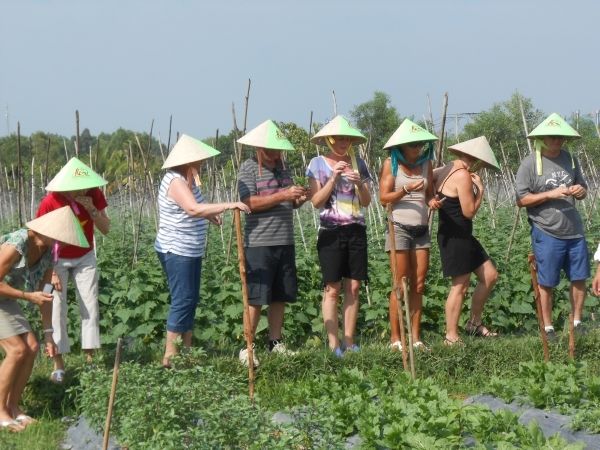
The afternoon tastes better because you made it with ingredients you saw growing. The morning walk isn’t just a photo stop—it includes practical farming details like how mushrooms are cultivated, plus the role of herbs in everyday health and cooking.
The group stays small (up to 15), so it’s easier to ask questions and get your hands on ingredients instead of just watching from the sidelines. Still, it’s an active day outdoors, so go in prepared for heat, bugs, and uneven ground.
Key Points at a Glance
- Farm-to-cooking workflow: pick ingredients, then cook them the same day
- Small group size: limited to 15 participants for more hands-on time
- Healthy Vietnamese focus: herb and produce-based cooking techniques
- Cu Chi agriculture highlights: cattle fields, gardens, mushrooms, fruits, and herbs
- You eat what you make: lunch includes the dishes you prepared plus a surprise dessert
You can also read our reviews of more cooking classes in Ho Chi Minh City
Getting From Ho Chi Minh City to Cu Chi’s Agricultural Villages
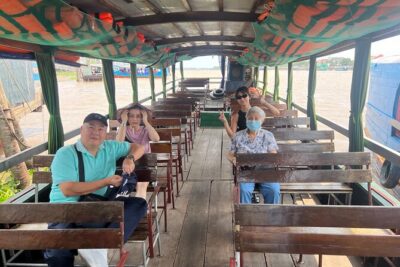
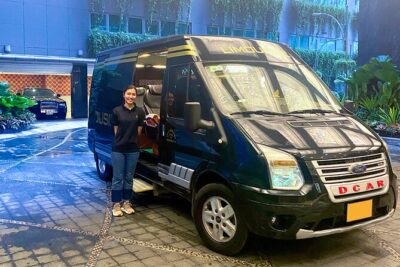
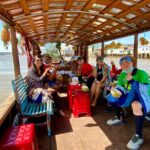
This is a full-day experience that starts early, leaving Ho Chi Minh City for the Cu Chi area. The farm zone is about 35 kilometers out, so the ride matters: it sets your pace. You’ll get hotel pickup from any hotel in Ho Chi Minh City, which keeps the morning low-stress. You also get transportation included, so you won’t waste the day figuring out routes.
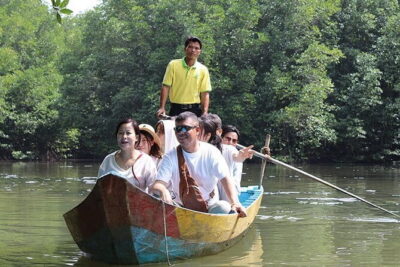
Once you’re out near Cu Chi, the atmosphere changes fast. You’re in cattle country and garden country—less “tourist farm,” more working land. That’s the value here. You’re not just tasting Vietnamese food; you’re learning where it comes from and how people maintain agricultural traditions that have been passed down for generations.
If you’re sensitive to early starts, plan for that. This tour is structured as a single day, and the best parts are front-loaded in the morning—before heat and before the harvest chores slow down.
Cattle, Vegetable Beds, and the Farming Life You Can Actually See
Cu Chi has a reputation for cattle, and you’ll see that right away. Expect herds grazing or moving through the fields, plus explanations about how locals keep agricultural traditions alive. This is one of those experiences where you’ll notice how much Vietnamese food culture is tied to routine—feeding animals, tending plants, and using what’s available seasonally.
Then the tour shifts into the garden world:
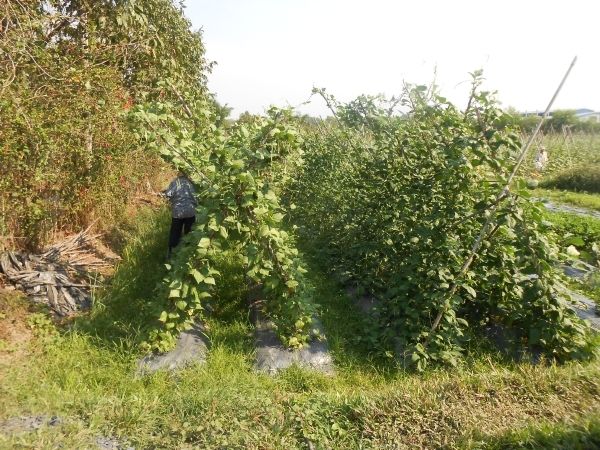
- vegetable gardens you can walk through and observe
- areas where mushrooms, fruits, and herbs are grown
- lessons about mushroom cultivation methods
That mushroom part is especially interesting because it’s more than a single “look at the mushrooms” stop. You learn how mushrooms are cultivated, which helps you understand why certain ingredients show up in Vietnamese cooking beyond just “because they’re local.”
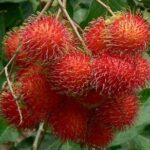
You may also encounter unusual fruit varieties. The point isn’t just novelty—it’s learning how locals treat fruit and plant ingredients as normal everyday food, not a special event.
Traditional Hat, Bamboo Basket, and Picking Your Ingredients
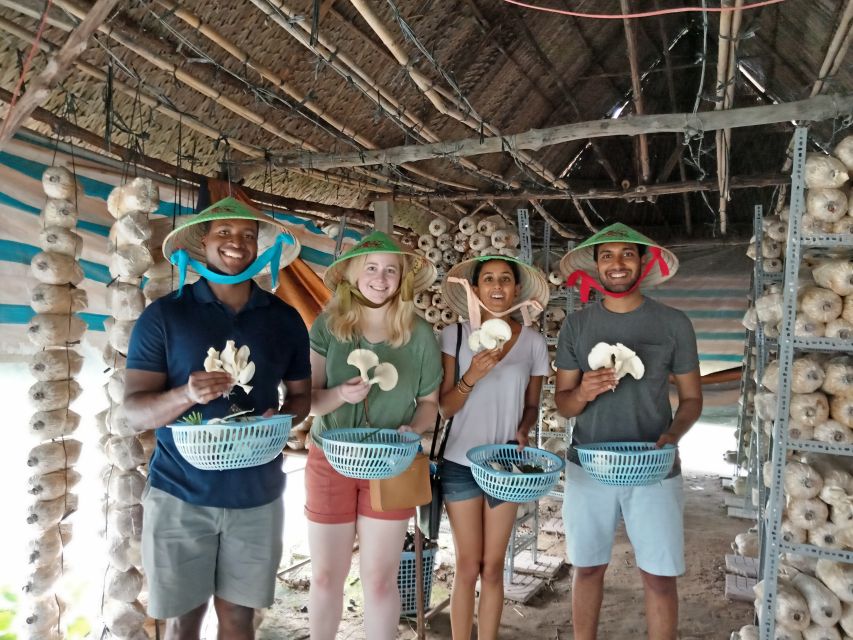
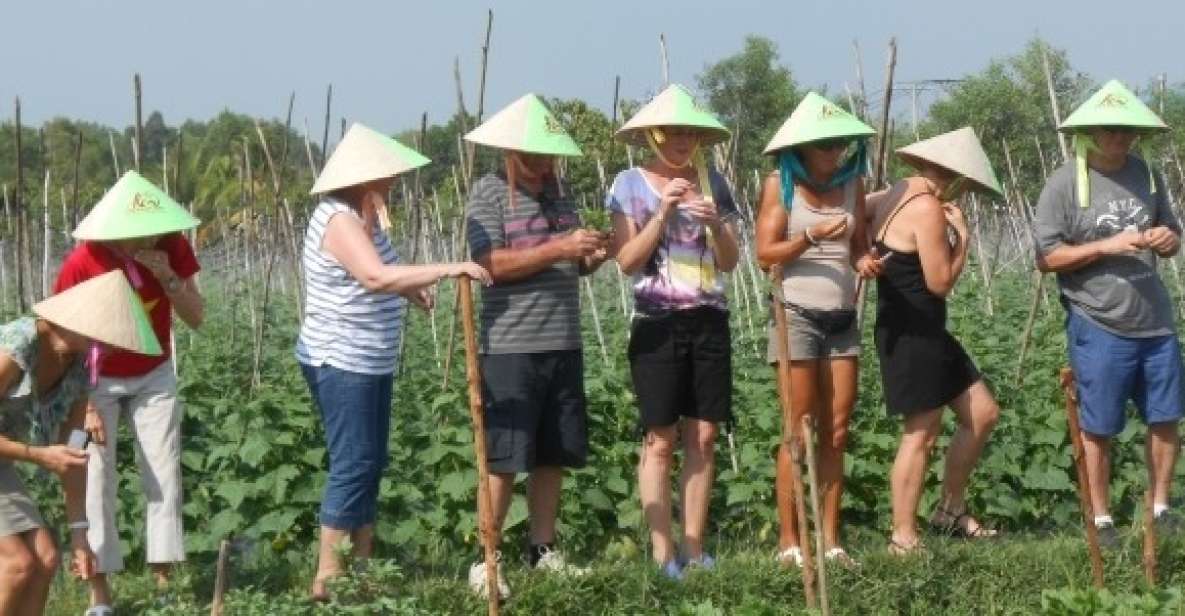
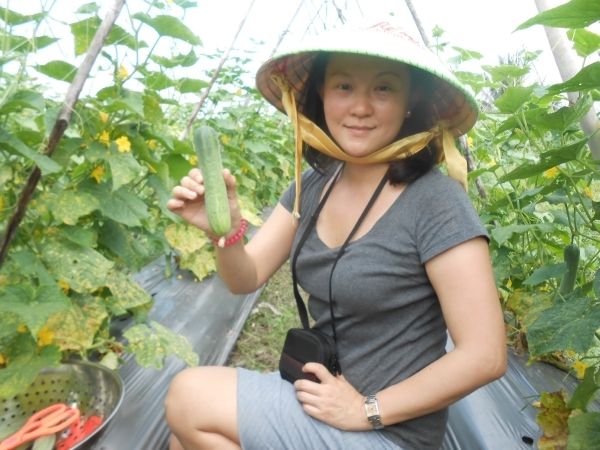
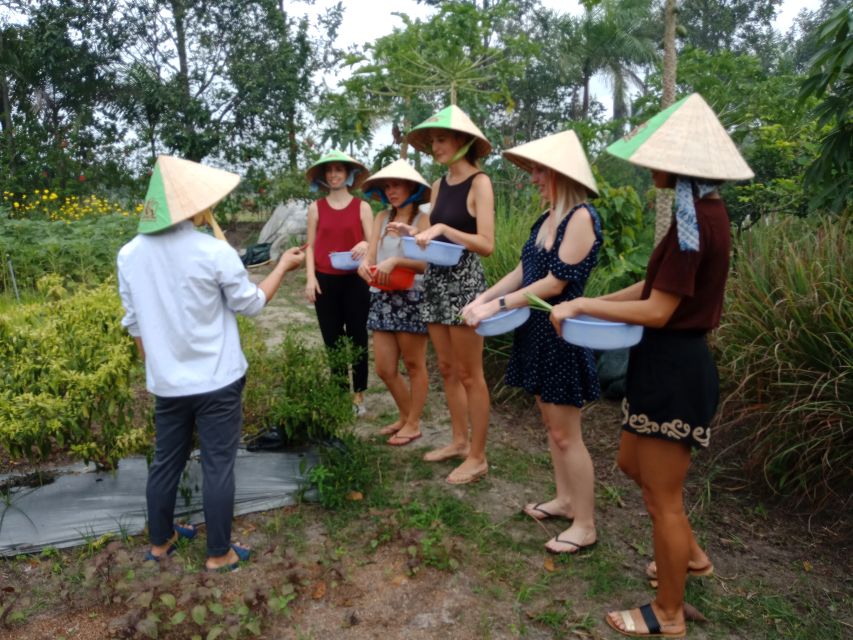
After the farm walk, you’ll get kitted for harvesting. You’ll put on a traditional Vietnamese hat, grab a bamboo basket, and use scissors to collect the ingredients you’ll cook later. This is one of the most satisfying segments of the day because it’s tactile and specific: you’re choosing vegetables, mushrooms, fruits, and herbs that become your class ingredients.
This part matters for two reasons.
First, it changes how you eat afterward. When you’ve picked an herb or watched it growing, it stops being “just a garnish.” You start to notice texture and aroma, and you’re more likely to replicate the balance at home.
Second, it keeps the cooking class grounded. The ingredients aren’t generic. You’re using what’s grown there that day, which supports the tour’s theme of healthy, organic produce.
Practical tip: wear comfortable shoes and expect dirt and uneven surfaces. Even if you’re not doing heavy farm labor, your feet will do more work than you think.
The Cooking Class: Turning Farm Picks Into Healthy Vietnamese Dishes
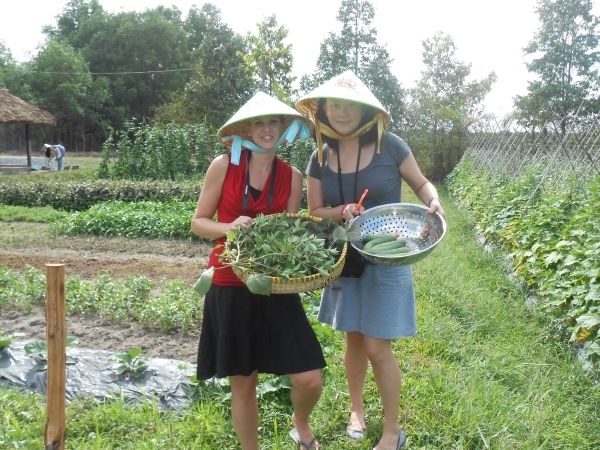
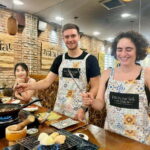
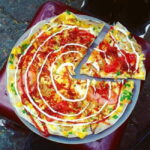
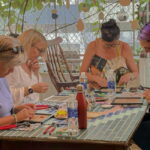
Next comes the heart of the day: the cooking class in a restaurant setting. This is where the tour’s “learn how to cook healthy meals” promise becomes real. You’ll learn regional cooking techniques under a professional chef, and you’ll prepare Vietnamese dishes using the fresh ingredients you picked earlier.
The tone is hands-on. You’re not just tasting while someone else cooks. You’ll follow steps, learn methods, and get tips designed for making food both flavorful and lighter. The herbs are a big part of that. You’ll see why the tour places so much emphasis on the herb fields—herbs are used for health and for building flavor naturally, not just for color.
You’ll also likely discuss the idea of seasonal produce and how local farming supports everyday eating habits. That’s not a lecture; it’s baked into the class format. You see an ingredient on the farm and then you handle it in the kitchen. It’s much easier to remember techniques when you can connect them to a living plant you saw earlier.
One consideration: the day is built around multiple activities. If you’re hoping to maximize the number of dishes you make, it’s worth confirming during booking how the cooking segment is structured for your group size and timing. Some people have mentioned feeling they didn’t get as long a cooking window as they expected, even while the rest of the group stayed longer.
You can also read our reviews of more tours and experiences in Ho Chi Minh City


Lunch, Surprise Dessert, Certificate, and Recipes to Bring Home
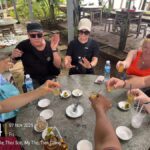
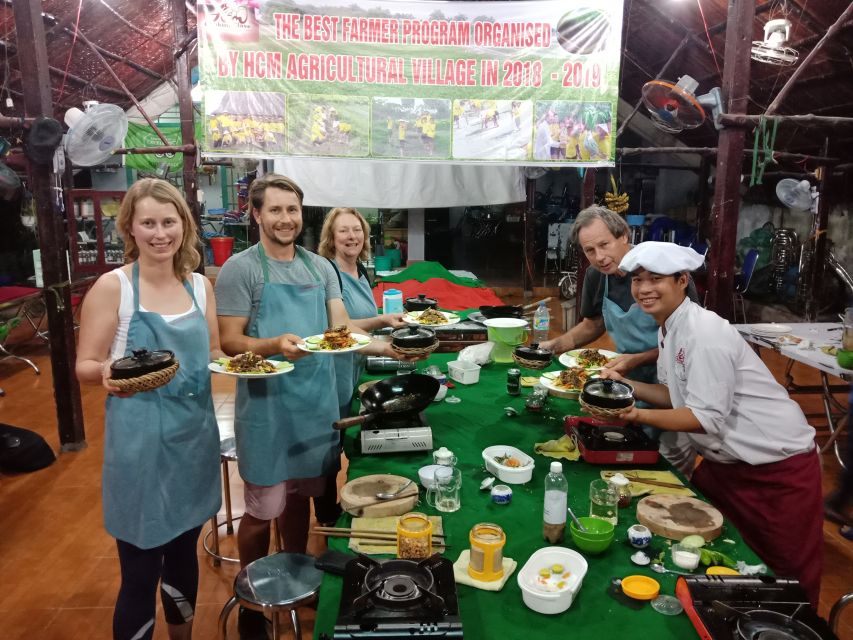
After cooking, you eat your work—lunch includes the dishes you prepared. This is a genuine morale boost. Most cooking classes end with a meal, but here it feels more earned because your ingredients came from the morning harvest.
Lunch also includes iced tea, plus napkins. Then comes a surprise dessert. It’s included, and that small twist keeps the experience from feeling purely instructional.
At the end, you receive a certificate, recipes, and souvenirs. This is one of those details that seems minor until you’re back home trying to recreate what you liked. The recipes can help you remember ingredient choices and the basic approach for healthy cooking.
Souvenirs also matter if you’re traveling with friends or family who like small, meaningful keepsakes. You’re not leaving with a generic postcard—you’re leaving with something tied to the day’s activities.
Price, Included Extras, and Whether $70 Is Fair
At $70 per person, this is not an impulse add-on, but it also isn’t overpriced for what you get if you compare it to cooking experiences that only cover a short class and tasting. Here, the price is built around a full day: pickup and transportation from Ho Chi Minh City, a guided experience, farming activities, the cooking class itself, drinks, lunch, plus desserts, certificate, recipes, and souvenirs.
What makes the value feel real is the breadth:
- you get the farm component (cattle fields, gardens, mushroom cultivation, herbs)
- you get the harvesting component (hat, basket, scissors, ingredient picking)
- you get the kitchen component (chef-led regional techniques)
- you get the payoff component (eating what you made)
If you’re someone who likes cooking but also wants context—where ingredients come from and why they’re used—this price starts to make sense. You’re paying for a full storyline, not just a cooking session.
If you’re already comfortable with Vietnamese cooking and mostly want a quick lesson, you might find this tour feels long. But for most people, the “start on the farm, end at lunch” format is exactly what makes it worthwhile.
Who This Cu Chi Farming and Cooking Class Fits Best
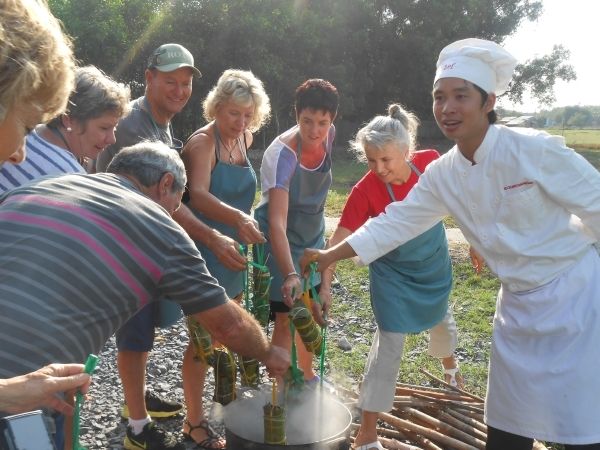
This experience is a great fit if you:
- enjoy food-focused travel where you learn by doing
- want a calmer, more authentic view of Vietnamese rural life near Cu Chi
- like learning about herbs and produce-based healthy cooking
- prefer small groups (up to 15) so you can ask questions and participate
It’s also a solid option for travelers who feel museum fatigue. Instead of walking through rooms, you’re moving through fields and then into a kitchen that uses what you saw earlier.
It may not be ideal if you hate outdoor walking in the morning heat or you’re expecting a purely relaxed, sightseeing-style day. There’s real activity here—picking, walking, cooking—so bring energy.
Practical Tips Before You Go
A few things can make or break a day like this.
Bring:
- comfortable shoes
- sunglasses
- a camera (if you like to document the farm-to-kitchen flow)
Also consider:
- insect repellent if you think you’ll need it (this is specifically recommended)
- let the team know about special food requirements ahead of time
Not allowed: pets.
One more practical note: the tour includes skip the ticket line, and you’ll have a live Vietnamese and English guide. That’s helpful because you’ll likely want explanations while you’re walking through the farm and while you’re cooking.
Should You Book This Full-Day Farming and Cooking Class in Cu Chi?
I’d book it if you want an experience with momentum: farm walk, harvest, cooking, lunch. It’s the kind of day that makes Vietnamese food feel personal because you’re not just learning recipes—you’re learning ingredient choices and techniques tied to living land.
I’d pause and ask questions before booking if you’re extremely time-sensitive about cooking time or you’re concerned about getting equal attention during the class. The tour is small, but scheduling can still affect how long each person cooks. A quick message when you reserve can help you understand what dishes you’ll be making during your specific session.
Overall, the price feels fair for a full-day, farm-to-table style activity with lunch, desserts, and take-home recipes.
FAQ
How long is the farming and cooking class?
It runs for 1 day. Start times vary, so you’ll need to check availability to see the exact schedule.
How much does it cost?
The price is listed at $70 per person.
Do they pick you up in Ho Chi Minh City?
Yes. Pickup is included from any hotel in Ho Chi Minh City.
What’s included in the tour?
Included items are transportation, a guide, the cooking class, activities, iced tea, napkin, and lunch.
What language is the tour guide?
The live guide speaks Vietnamese and English.
Is it suitable for people with mobility needs?
The tour is wheelchair accessible.
What should I bring, and are there any restrictions?
Bring comfortable shoes, sunglasses, and a camera. Insect repellent is recommended if you need protection. Pets are not allowed.
If you want, tell me your travel month and whether you prefer more cooking time or more farm walking, and I’ll suggest how to plan the day around heat and comfort.