REVIEW · HO CHI MINH CITY
Ho Chi Minh: A comfortable safe trip to Phan Thiet by Train
Book on GetYourGuide →Operated by Ping Ping Mui Ne Travel · Bookable on GetYourGuide
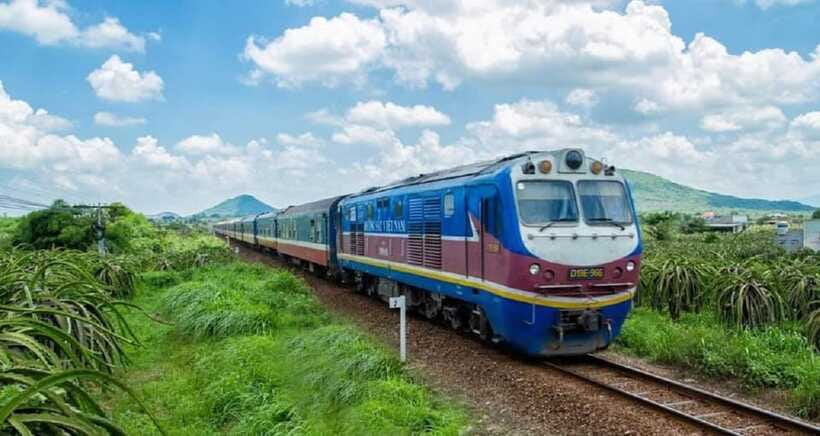
Train days beat road stress fast. This one links Ho Chi Minh City to Phan Thiet in a calm, A/C ride with scenery you can actually enjoy and the easy chance to chat. I especially like how luggage doesn’t become a problem and how the train feels comfortable and safe compared with frantic road travel. One thing to keep in mind: it’s likely slower than a tourist bus, so plan for the slower pace.
You also get a straightforward trip rhythm—roughly morning outbound and early afternoon return—plus an easy taxi connection from Phan Thiet Railway Station to the Mui Ne/Ham Tien resort strip. If you’re prone to motion sickness, do yourself a favor and bring prevention. Otherwise, the ride is the point.
In This Review
- Quick, useful highlights
- A Safer, Comfier Way to Reach Phan Thiet by Train
- From Saigon Railway Station to Your A/C Car: What the Start Feels Like
- On Board for 5 Hours: Scenery, Space, and Friendly Conversation
- Your Comfort Choice: Seats, Recline, and Sleeper Cabins (If Available)
- Phan Thiet Railway Station to Mui Ne/Ham Tien: The 15–20 km Taxi Ride
- Price and Value: Why This $24 Train Beat Feels Fair
- What to Pack (Cash and Motion-Sickness Help) and What Not to Bring
- Who This Train Ride Fits Best (and Who Might Prefer Something Else)
- Should You Book This Train to Phan Thiet?
- FAQ
- What time does the train usually leave Ho Chi Minh City for Phan Thiet?
- How long is the trip from Ho Chi Minh City to Phan Thiet?
- What time does the return train leave Phan Thiet?
- Is A/C included on the train?
- Is water provided?
- How far is Phan Thiet Railway Station from Mui Ne and Ham Tien?
- Can I take large luggage?
- What should I bring?
- Are pets or alcohol allowed?
- FAQ
- Are meals included with the train ticket?
- Where are the departure and arrival stations located?
- Can children under 6 ride for free?
- Do I need to register my passport details?
- Is the train ride safe?
Quick, useful highlights
- Daily departures around 06:30 AM from Saigon, arriving about five hours later
- A/C carriages plus water included, so you’re not scrambling onboard
- Seats facing each other make it easy to talk (or at least share games)
- You can bring bigger luggage without the same weight headaches as flying
- Phan Thiet Station is 15–20 km from Mui Ne/Ham Tien, with lots of taxis ready
- You can move around and choose to recline more comfortably than many bus rides
A Safer, Comfier Way to Reach Phan Thiet by Train
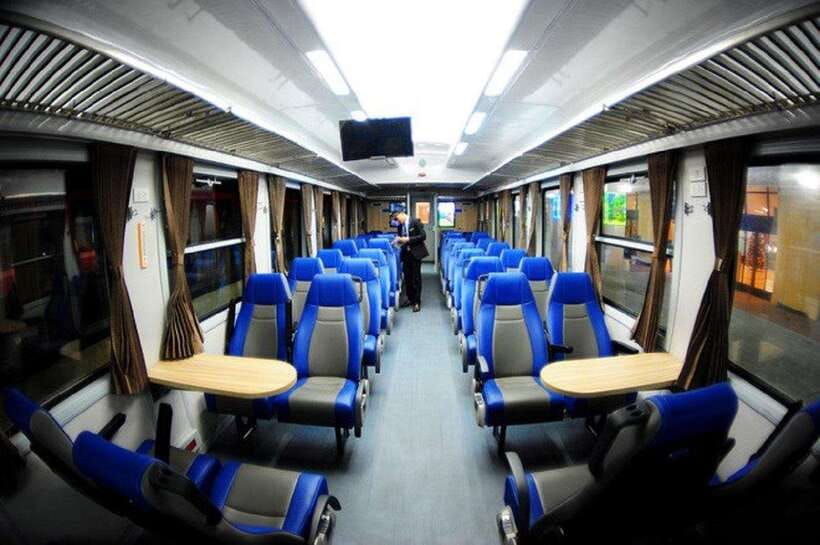
If you want the beach-town gateway of Mui Ne without the chaos of crazy driving, this train is a smart middle path. The ride is built for comfort: A/C in the carriages, a basic level of onboard care with water included, and enough space to relax instead of bracing yourself the whole way.
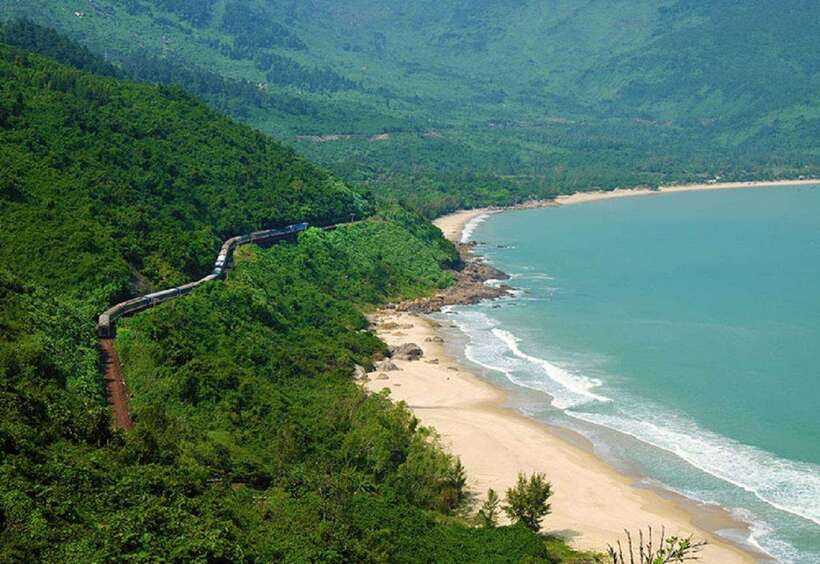
I like that the journey isn’t just transport. You get the best kind of travel bonus: the views rolling past your window while you settle into a slower tempo. And because it’s not a tiny airline seat world, you can actually feel human—chat with friends, make a new one, or just lie back and watch the scenery slide by.
The main trade-off is simple: trains may be slower than tourist buses. If you measure vacations in minutes only, you might prefer road. If you measure vacations in calm, this makes a lot of sense.
You can also read our reviews of more tours and experiences in Ho Chi Minh City.



From Saigon Railway Station to Your A/C Car: What the Start Feels Like

The departure point is Saigon Railway Station in District 3. It’s about 3 km from the center, which usually means you’re not stuck crossing the whole city just to get to a train platform. The trip starts around 06:30 AM, so you’ll likely begin with a morning routine instead of an all-day “we’ll see” schedule.
A practical tip: arrive with enough breathing room to get settled before you’re ready to board. Morning trains also tend to be easier when you’re not sprinting around with bags and cash. Since you’ll need cash on hand, I recommend you keep it accessible rather than buried deep inside a backpack.
Also, the experience runs in a steady daily rhythm. That means you can plan your Phan Thiet/Mui Ne day around a clean arrival window, and if you want a return later, the outbound-return timing is predictable: leave Phan Thiet around 01:10 PM for the return trip.
On Board for 5 Hours: Scenery, Space, and Friendly Conversation
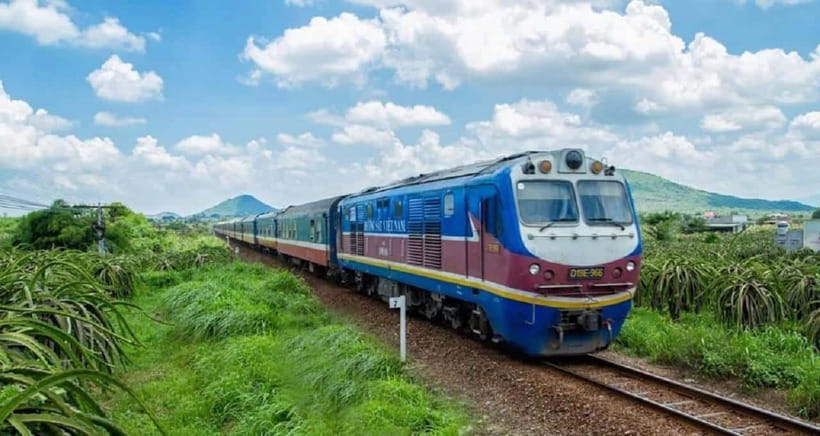
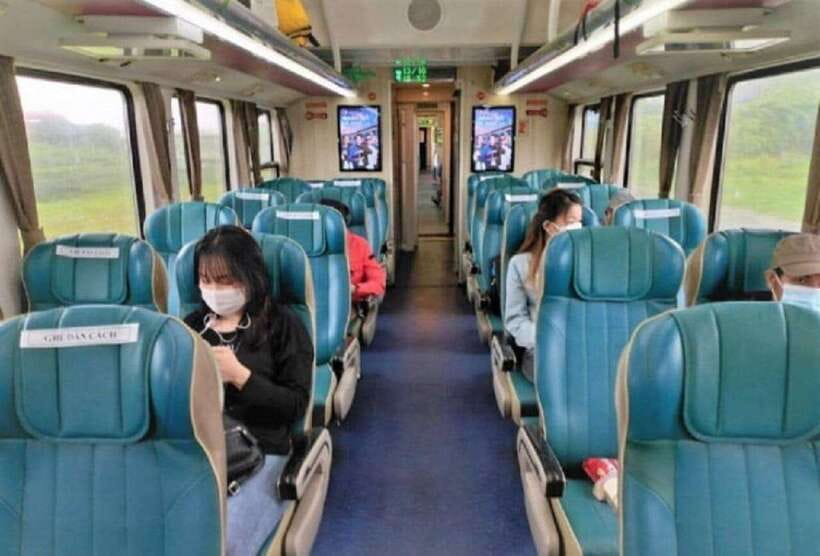
This ride works because the train is built for people, not just seats. The carriages are A/C, which matters in Vietnam’s heat. You also get water included, so you’re not paying onboard just to stay comfortable.
What makes this feel different from bus travel is how your body gets a break. You can stand up and walk around whenever you want. That simple freedom is underrated—especially if you’ve been on motorbikes or long van rides before this.
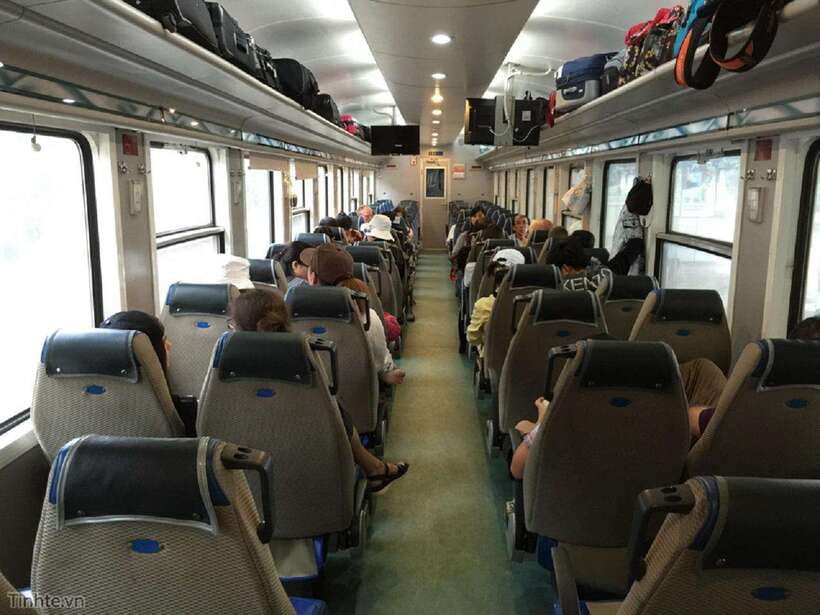
Then there’s the social side. Seats often face each other, and that layout creates natural conversation. If you’re traveling with friends, it’s easy to talk without everyone disappearing into headphones. If you’re traveling solo, it’s one of the easiest ways to meet people without forcing it. You can also pass time with games and chatting, which makes a 4–5 hour transit feel less like waiting and more like part of the trip.
And yes, the scenery matters. From altitude on planes, you miss a lot of what’s happening in the valleys and near the roads. On a train, you get closer, slower views—enough to keep your attention without draining it.
Your Comfort Choice: Seats, Recline, and Sleeper Cabins (If Available)
The standard plan is a comfortable A/C carriage for a roughly five-hour ride. If you like to stay settled, you can recline and stretch out more than you would in many day buses. And because you can move around, you don’t feel trapped in one position.
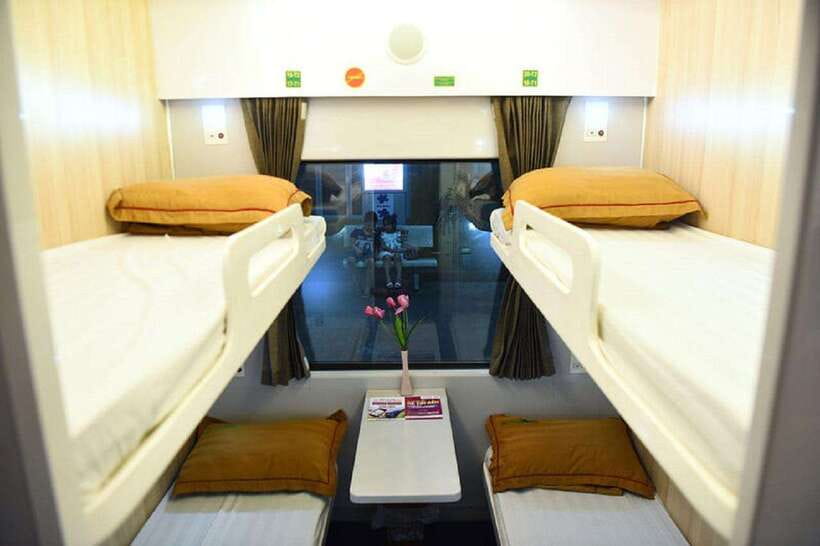
For longer trips or if you prefer a more “travel like a grown-up” approach, you might be able to book a sleeper cabin. The idea is simple: a bed style setup can make the journey feel easier on your body. The data says sleeper cabins are an option for long journeys, so if you’re the type who sleeps well in transport, it’s worth checking when you reserve.
If you’re sensitive to motion, remember: prevention helps. Bring your motion-sickness support rather than hoping you’ll power through.
Phan Thiet Railway Station to Mui Ne/Ham Tien: The 15–20 km Taxi Ride
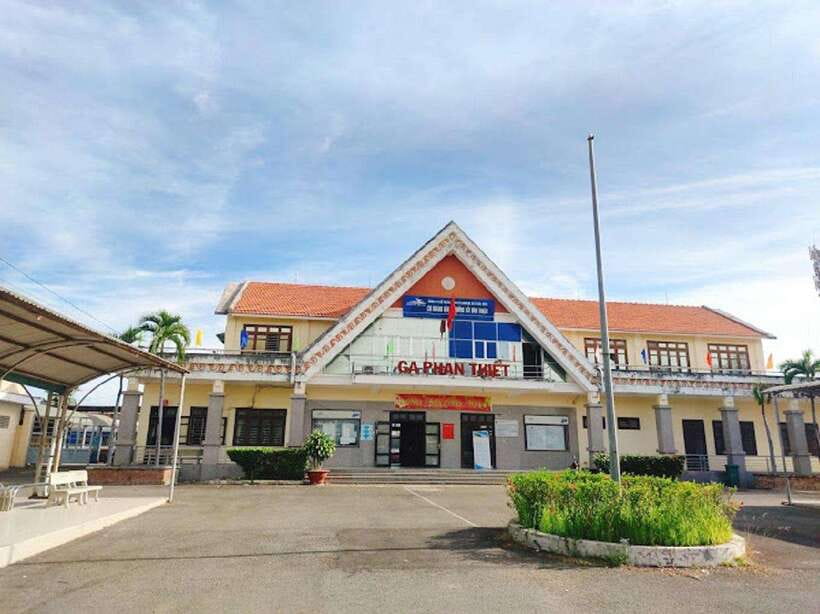
Arriving is straightforward. Phan Thiet Railway Station sits about 15–20 km from the start of the Ham Tien/Mui Ne resort strip. That’s not walking distance, so you’ll plan on transport.
Good news: taxis are abundant. This is the kind of arrival setup that keeps stress low. You get dropped at a clear point (the station), then you select a taxi and head into the resort area where you’re staying.
What to consider: since you’re traveling by train, you’re arriving from the direction of the station, not directly at your hotel. So build in a little time cushion for the transfer and settling in. The train itself is roughly a morning arrival, which usually aligns well with hotel check-in, but every place handles timing differently.



Price and Value: Why This $24 Train Beat Feels Fair
At about $24 per person for a 4-hour listed duration, this train can be great value—especially for what’s included. You’re paying for A/C, water, and a safer, calmer travel experience than the road option that often comes with honking and risky driving patterns.
Here’s the value math that matters: the “cheap” options aren’t really cheap if they force you to endure discomfort, arrive stressed, or lose time fighting traffic. This train is priced like a budget transfer, but it behaves more like a comfortable ride.
Also, think about luggage. Flights often punish you for bringing what you need. On train, luggage size isn’t a major issue, and some trains even allow bulky bags. If you’re traveling with gifts, beach gear, or just normal life items (instead of a tiny carry-on fantasy), that alone can make the train feel like the practical choice.
Is it the fastest? Possibly not. But if you care about arriving rested and not fried, the time trade-off can be worth it.
What to Pack (Cash and Motion-Sickness Help) and What Not to Bring
This trip is easy if you keep it simple. Based on the info you’ll want:
- Cash (bring it; don’t assume everything is card-friendly)
- Motion sickness prevention if you’re even slightly prone to nausea in transit
What not to bring:
- Pets
- Alcohol and drugs
That last one is mainly about compliance, but it also helps keep the carriage atmosphere calmer. You’ll appreciate that especially if you’re hoping for a more relaxed ride.
One more “small but important” detail: you’ll need to provide your full name and passport number for booking registration. For children under 6, the rules are also clear: they’re free if sharing a seat with an adult. If you want a separate seat, then a ticket is required. That’s useful to know early so you don’t miscalculate total cost for family travel.
Who This Train Ride Fits Best (and Who Might Prefer Something Else)
This is a strong match for you if you want:
- a comfortable, safe way to get from Ho Chi Minh City to Phan Thiet
- scenic sightseeing without the stress of traffic
- an easy social vibe—chatting with friends or meeting people
- minimal hassle with baggage (especially when you’ve got more than a small bag)
It’s also good for travelers who dislike the “locked-in” feeling of some transportation. Since you can walk around and recline, it’s kinder to your body than modes where you spend the whole time clenched.
Who might prefer something else? If you’re chasing the fastest possible travel time, road options can beat the train. Also, if you need a tight schedule down to the minute and don’t want any buffer for the station-to-resort transfer, you’ll want to plan carefully. The train is predictable, but not instantly door-to-door.
Should You Book This Train to Phan Thiet?
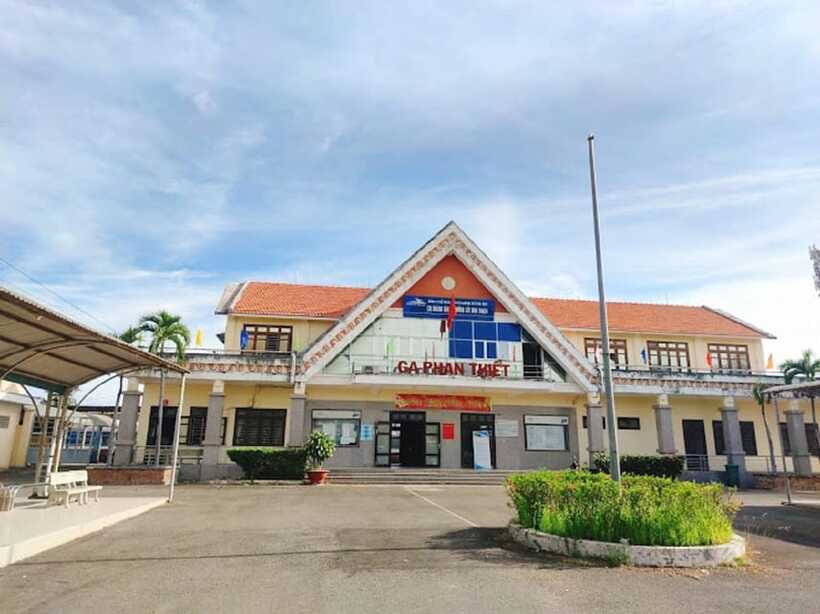
Yes, you should book this if you want a low-stress, comfortable ride that turns travel time into part of the experience—not a punishment before the beach. For the money, you get A/C, water, a generally calm setup, and scenery that’s hard to match with the usual road chaos.
I’d skip it only if your top priority is speed over comfort, or if you’re not okay with the station-to-resort transfer (about 15–20 km by taxi). Otherwise, this is a smart, practical way to get to Mui Ne/Ham Tien while keeping your head clear and your day on track.
FAQ
What time does the train usually leave Ho Chi Minh City for Phan Thiet?
It leaves around 06:30 AM and takes about five hours to arrive.
How long is the trip from Ho Chi Minh City to Phan Thiet?
The ride is listed as about 4 hours, and the schedule described as roughly five hours from departure to arrival. Either way, plan for an extended morning/early afternoon transit.
What time does the return train leave Phan Thiet?
The return departs around 01:10 PM.
Is A/C included on the train?
Yes. A/C carriages are included.
Is water provided?
Yes. Water is included.
How far is Phan Thiet Railway Station from Mui Ne and Ham Tien?
It’s about 15–20 km from the beginning of the Ham Tien/Mui Ne resort strip.
Can I take large luggage?
Yes. Luggage size is not an issue, and some trains may allow bulky bags.
What should I bring?
Bring cash and motion sickness prevention.
Are pets or alcohol allowed?
No. Pets are not allowed, and alcohol and drugs are not allowed.
FAQ
Are meals included with the train ticket?
No. Meals are not included.
Where are the departure and arrival stations located?
Departure is at Saigon Railway Station in Ho Chi Minh City (District 3). Arrival is at Phan Thiet Railway Station.
Can children under 6 ride for free?
Yes, if the child is under 6, sharing a seat with an adult. A separate seat requires a ticket.
Do I need to register my passport details?
Yes. You’ll need to provide your full name and passport number for booking registration.
Is the train ride safe?
The information provided says the train is very safe, and it’s generally positioned as a calmer alternative to road travel.