REVIEW · HO CHI MINH CITY
Ho Chi Minh City Private Tour With A Local Expert
Book on Viator →Operated by TOUR WITH XUAN · Bookable on Viator
Saigon moves fast, but your day stays organized. This private, flexible tour is built around daily life and local history, from Chinatown’s temple calm to the War Remnants Museum, then straight into the city’s markets and flower streets. I like that it’s designed to help you understand the city, not just check boxes, and I especially like the no-shopping approach that keeps you with the people and the neighborhoods.
One thing to consider: you’re in the real Saigon flow, so expect traffic and plenty of walking through crowded market alleys. If you’re sensitive to hustle, bring comfortable shoes and a slow mindset—you’ll get more out of the experience that way.
In This Review
- What Really Makes This Tour Worth It
- A Day That Explains Saigon, Piece by Piece
- Entering Chinatown at Ba Thien Hau Temple
- War Remnants Museum: Where the City’s Story Turns Heavy
- Saigon Central Post Office and Dong Khoi Area: A Beautiful Break
- Ban Co Market: Local Wet Market Life in District 3
- Ho Thi Ky Flower Market: Color With Purpose
- Binh Tay Market: Wholesale Edges of Saigon
- Private and Flexible: How Your Guide Shapes the Day
- Price and Value: What $140 Really Buys
- Included Stops vs. What You’ll Pay Later
- Getting the Most Out of Markets (Without Overdoing It)
- Who This Tour Fits Best
- Should You Book This Ho Chi Minh City Local Tour?
- FAQ
- How long is the Ho Chi Minh City private tour?
- What stops are included in the itinerary?
- Is this tour private?
- Is pickup included, and where does the tour start?
- What’s included in the price?
- Is lunch included?
What Really Makes This Tour Worth It
- Local-first routing: You’re guided through everyday places like markets, not staged photo stops.
- A strong English guide: Xuan is repeatedly praised for clear, confident English and solid on-the-ground context.
- Good for mixed ages: One review notes the tour worked smoothly for a group ranging from 5 to 71.
- Comfort during the day: Air-conditioned vehicle plus bottled water help you handle the heat and schedule.
- No shopping pressure: The day avoids shopping detours and tourist traps.
- Real city contrast: You move from spiritual space to wartime reflection to street-level commerce.
A Day That Explains Saigon, Piece by Piece
I love tours that help you read a city. This one does that by bouncing between religious life, history, and the places where people actually buy food and flowers. The stops are short enough to keep energy up, but still long enough to notice what makes each area different.
Because it’s private, the experience is less about rushing in and out and more about pacing yourself. You can ask questions, take a moment when the street feels overwhelming, and spend a bit more time where you’re curious. That matters in Ho Chi Minh City, where the traffic and noise can otherwise steamroll your attention.
You can also read our reviews of more city tours in Ho Chi Minh City


Entering Chinatown at Ba Thien Hau Temple

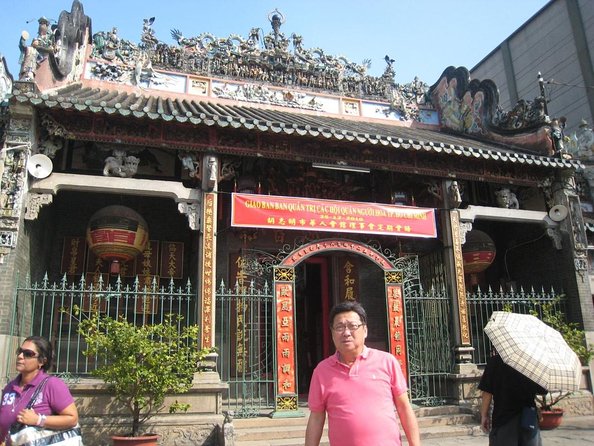
Your day starts at Ba Thien Hau Temple in Chinatown. It’s a calm landing zone—exactly the kind of stop that helps you slow down before the city gets louder. The visit is about 30 minutes, and the admission ticket is free.
This temple stop works well because it shows you Saigon’s layered cultural identity right away. You’re not just seeing buildings; you’re seeing how faith lives in the middle of a neighborhood with its own daily rhythms. If you’re the type who likes to understand a place through how people gather, this is a strong first step.
What to watch: Chinatown areas can feel visually dense. If you’re uncomfortable in crowds, keep your pace light and give yourself space to observe instead of trying to take in everything at once.
War Remnants Museum: Where the City’s Story Turns Heavy
Next is the War Remnants Museum—a 1-hour stop with admission included. This is the part of the day that shifts tone quickly. It’s not meant to be casual, so I suggest you go in mentally prepared to sit with hard material.
The value here isn’t just seeing exhibits—it’s having a guide help connect what you see to the broader Vietnamese story and local memory. A museum like this can blur together if you go without context, but with a local expert you’re more likely to understand what you’re looking at and why it matters to the present.
Practical tip: if you’re traveling with kids or anyone who gets overwhelmed, you can use the guide’s framing to pick the most meaningful sections for your group. The tour is private for a reason—your day can flex.
Saigon Central Post Office and Dong Khoi Area: A Beautiful Break
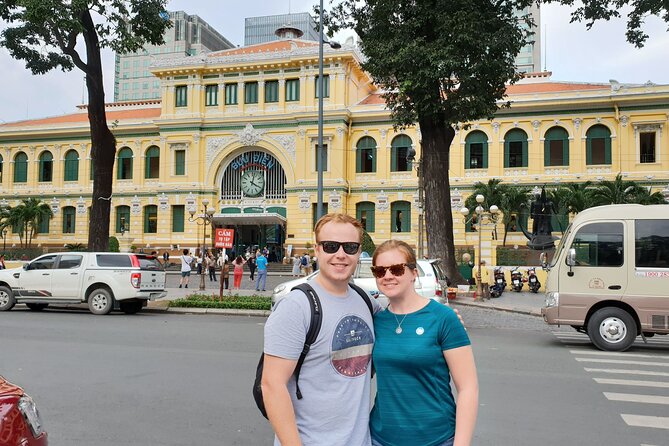
After the museum, you head to the Saigon Central Post Office near the Dong Khoi area. This stop lasts about 30 minutes, and admission is free. It’s a classic sight, but the real payoff is the surrounding context—how this part of town fits into the city’s pace.
The guide-style approach here is what makes it more than a photo break. You get a walking feel for the neighborhood rather than treating it like a standalone landmark. If you’re trying to understand Saigon’s evolution—how historic spaces operate in a modern city—this stop helps connect the dots.
What to watch: the post office area is often busy. If you want quieter time, keep an eye on how the crowd ebbs as you walk the route with your guide.
Ban Co Market: Local Wet Market Life in District 3
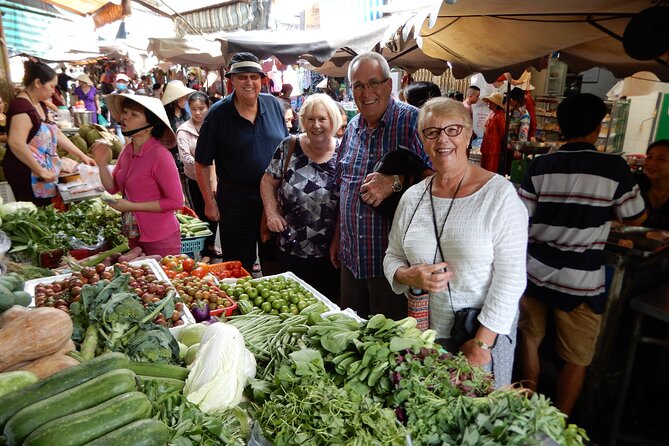
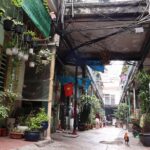
The tour then moves into Ban Co Market—a 30-minute stop in the alleys of District 3. Admission is free, and this is where you start to feel the city through commerce that never really stops.
Markets are where you learn the everyday language of a place: what’s fresh, what people prefer, what’s used often, and how shoppers move. You’ll get closer to that real rhythm here than you would in most “see it from the sidewalk” tourist experiences.
Possible drawback: wet markets can be intense—smells, sounds, and close contact in tight spaces. The upside is authenticity. If you’re food-curious, this is a great moment to ask questions rather than just look.
You can also read our reviews of more private tours in Ho Chi Minh City






Ho Thi Ky Flower Market: Color With Purpose
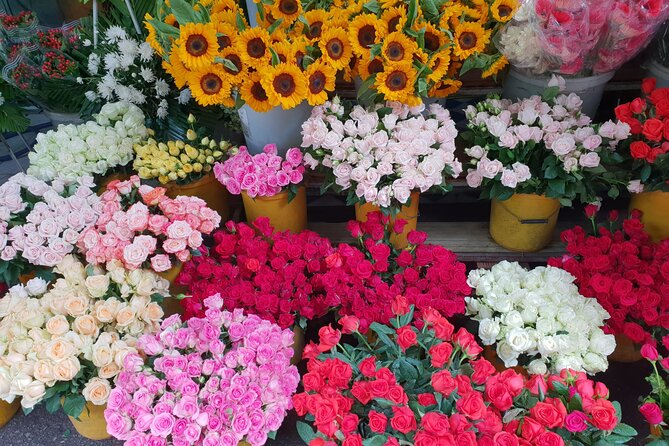
From food to flowers, you walk through Ho Thi Ky Flower Market for 30 minutes. Admission is free. This stop is lighter in tone but still meaningful, because flowers here aren’t just decoration—they’re part of daily life, celebrations, and local habits.
I like this stop because it gives you a different kind of conversation with the city. You see friendly street interactions, you notice how people talk with vendors, and you get a sense of how livelihood works in a place like this.
Practical tip: flowers can be delicate in the heat. If you’re tempted to buy, keep timing in mind so you’re not stuck carrying something that won’t last.
Binh Tay Market: Wholesale Edges of Saigon
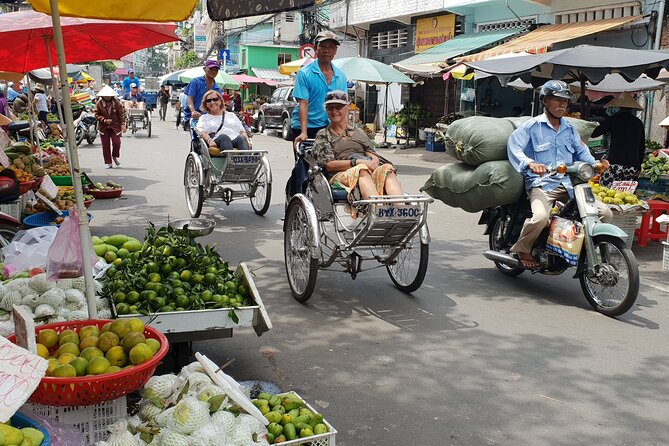
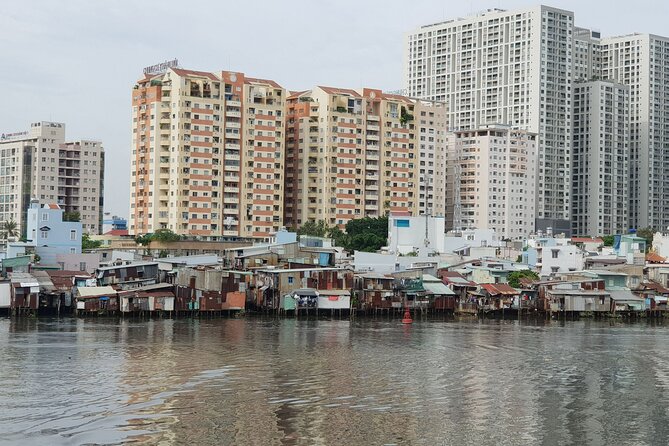
Your final market stop is Binh Tay Market, one of the city’s larger wholesale markets. You’ll spend about 30 minutes here, and admission is not included. This is a “working market” feeling—more wholesale supply energy than small souvenir browsing.
The payoff is variety: you’ll see stalls selling things like silk, spices, and herbs. Even if you don’t plan to shop, this is one of the best places to understand how goods move through the city. It also gives you a strong sensory finish to the day.
What to watch: because it’s wholesale and busy, it can feel crowded and slightly chaotic. That’s part of the point. If you prefer calmer spaces, tell your guide you want a slower route, and they can steer your walk through the busiest lanes.
Private and Flexible: How Your Guide Shapes the Day
The biggest difference with a private tour is control. Instead of one rigid timeline, you’re with a guide who can adjust based on your group’s interests and pace. The tour is designed so it’s mainly you and your family on the route, which makes it easier to ask questions without feeling like you’re interrupting a large group.
One detail from past guests stood out to me: Xuan and the driver Mr. Tuan received praise for delivering a smooth day, with a clean, new vehicle and an English-speaking guide who’s genuinely engaged. Another review specifically highlights that Xuan handled a wide age range well, from a 5-year-old to a 71-year-old, without the schedule feeling stretched or awkward.
So what does that mean for you? If you want a calm, explain-it-to-me style of day—this is your kind of tour. If you want a strict checklist with no conversation, you might still like it, but you’ll get the most value by asking questions.
Price and Value: What $140 Really Buys
This tour costs $140 per person for about 6 hours. At first glance, it’s not “cheap,” but it’s private, air-conditioned, and built around multiple paid/organized stops where entry fees are either included or free. Bottled water, transportation, and all fees and taxes are included.
Here’s the value math that matters: you’re paying for someone to translate the city into a storyline—markets become more than places to browse, and landmarks become more than photo ops. A tour like this is especially worth it if you don’t want to spend hours planning, chasing opening hours, or bouncing between neighborhoods with confusing directions.
Also, the day avoids shopping and tourist traps. That can save you time and money, because you’re not being guided into places where the “buy” is the main event.
Included Stops vs. What You’ll Pay Later
Most of the main experiences are covered in the core structure of the day: War Remnants Museum is included, and several stops have free admission. Binh Tay Market is the one market where admission is listed as not included, and lunch is not included.
So plan your food around breaks rather than expecting a lunch stop in the schedule. If you’re hungry midway, you’ll want to ask your guide what’s nearby and appropriate for your group.
Getting the Most Out of Markets (Without Overdoing It)
Ho Chi Minh City markets can be overwhelming fast. My rule for experiences like this: aim to observe first, then ask one or two questions, then decide if you want to buy. That keeps the day enjoyable instead of exhausting.
This tour’s short market windows—around 30 minutes each—are a smart design choice. You get variety without being stuck in one place too long. If you love shopping, you’ll likely wish for more time. If you prefer learning, you’ll be happy with the pacing.
And because the tour is private, you can tell the guide what you want to prioritize:
- more conversation about daily life
- less time in the densest alleys
- more time at specific stalls or sections
Who This Tour Fits Best
You’ll probably enjoy this tour if you:
- want a local-expert perspective instead of a standard sightseeing route
- like markets, street life, and neighborhoods that feel lived-in
- want flexibility and a paced day over a frantic one
- are traveling with family members who need a tour that doesn’t demand adult-only stamina
It’s also a great fit if you’re history-minded. One hour at the War Remnants Museum is substantial enough to matter, especially with context from a licensed guide.
Should You Book This Ho Chi Minh City Local Tour?
I’d book it if your goal is to understand Saigon’s day-to-day life and culture, not just collect landmarks. The combination of a temple start, a wartime museum stop, a central city walk, and then markets that show how people actually shop makes this feel like a real snapshot of the city.
Skip it only if you hate museums, dislike crowded market spaces, or you want a tour built around long sightseeing and major attractions. This is a “real city” day. If that sounds like what you want, it’s strong value and a very workable 6-hour plan.
FAQ
How long is the Ho Chi Minh City private tour?
It’s about 6 hours.
What stops are included in the itinerary?
You’ll visit Ba Thien Hau Temple, the War Remnants Museum, Saigon Central Post Office (Dong Khoi area), Ban Co Market, Ho Thi Ky Flower Market, and Binh Tay Market.
Is this tour private?
Yes. It’s private, so only your group participates.
Is pickup included, and where does the tour start?
Pickup is offered, and the tour starts at Rex Hotel, 141 Nguyễn Huệ, Bến Nghé, Quận 1. It ends back at the meeting point.
What’s included in the price?
The tour includes an air-conditioned vehicle, bottled water, all fees and taxes, and the admission ticket for the War Remnants Museum. Other stops may have free admission, while Binh Tay Market admission is not included.
Is lunch included?
No. Lunch and personal expenses are not included.