REVIEW · HO CHI MINH CITY
HCMC: Cu Chi Tunnels & Rice Paper Village Small Group Tour
Book on GetYourGuide →Operated by HANA TOURIST VIP · Bookable on GetYourGuide
Underground Vietnam starts with a hotel pickup. This HCMC small-group day trip pairs the Cu Chi Ben Duoc Tunnels with a traditional rice paper workshop, plus a real countryside lunch.
I really like that you go to Ben Duoc, the quieter side of the Cu Chi network, so the day feels less like a conveyor belt. I also like the rice paper village stop, where you make bánh tráng yourself and get to eat something fresh right after.
One thing to consider: the day starts early and the tunnel experience isn’t the kind you can treat gently. If you have back or heart issues, or if you’re sensitive to insects, you’ll want to think twice before signing up.
In This Review
- Key highlights worth your attention
- From HCMC hotel lobby to Cu Chi countryside: how the day flows
- Cu Chi Ben Duoc Tunnels: quieter, guided, and very hands-on
- What you’ll see underground: relics, traps, bunkers, and the memorial
- Lunch in the countryside: when a meal actually improves the tour
- Rice paper village workshop: making bánh tráng, not just watching it
- Price, group size, and who this fits best
- Practical tips: what to bring and what to expect on the ground
- Should you book the HCMC Cu Chi Tunnels & Rice Paper Village tour?
- FAQ
- How long is the Cu Chi Tunnels & Rice Paper Village small group tour?
- Where are the pickup and drop-off locations in Ho Chi Minh City?
- Is lunch included, and are there vegetarian options?
- Do I have time to walk inside the Cu Chi tunnels?
- What’s included in the rice paper village experience?
- Is the tour wheelchair accessible?
Key highlights worth your attention
- Ben Duoc tunnels instead of the busiest zone, with a calmer vibe and easier pacing
- Option for a short walk inside safe tunnel sections during the guided tour
- Local Southern Vietnamese lunch at a countryside restaurant, with vegetarian options on request
- Rice paper workshop that turns you from spectator into maker, not just observer
- Small group capped at 10 people, which keeps the day more personal
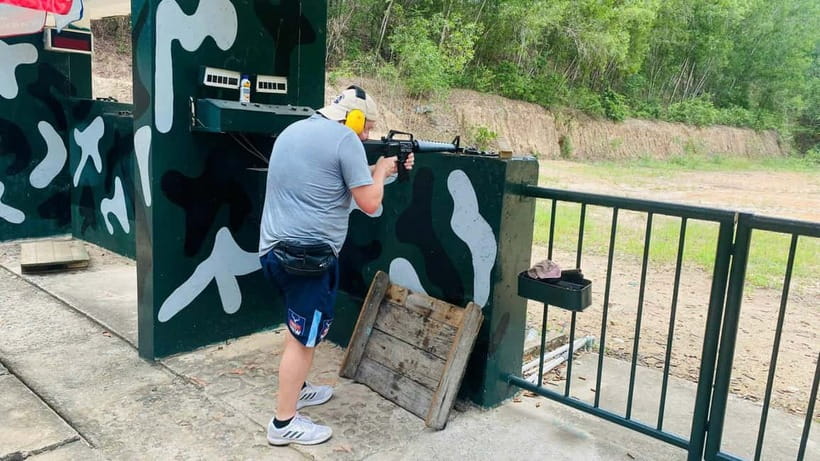
- Time allocated for a shooting range stop during the Cu Chi section
From HCMC hotel lobby to Cu Chi countryside: how the day flows
This tour is built around one simple rhythm: leave Ho Chi Minh City early, do two main activities in the Củ Chi area, then cruise back with a relaxed end to the day. Pickup runs between 7:30 and 8:00 AM from District 1, 3, and 4, and the van ride to the countryside is about 105 minutes.
That drive matters. You’re leaving traffic and noise behind, and you get time to reset before you hit the emotional weight of the tunnels. Your guide also uses the ride to explain context about war history and rural life, so the first stop doesn’t feel like random sightseeing.
The van and pickup order are optimized by route and timing. Practically, this means you should be ready in the hotel lobby on time. You’ll also be contacted via WhatsApp if needed, which is useful in Vietnam where meeting instructions can change quickly.
If you’re the type who hates rushing, this schedule is fairly doable because the day has built-in breaks: a full guided tunnel block, lunch, then a workshop, then the return trip without extra add-ons.
You can also read our reviews of more tours and experiences in Ho Chi Minh City.

Cu Chi Ben Duoc Tunnels: quieter, guided, and very hands-on
The main attraction is the historic Cu Chi Ben Duoc Tunnels on the deluxe small-group tour. Ben Duoc is often less crowded than other parts of the tunnel network, and that changes the whole feel. Instead of fighting crowds, you can actually focus on what the guide is pointing out.
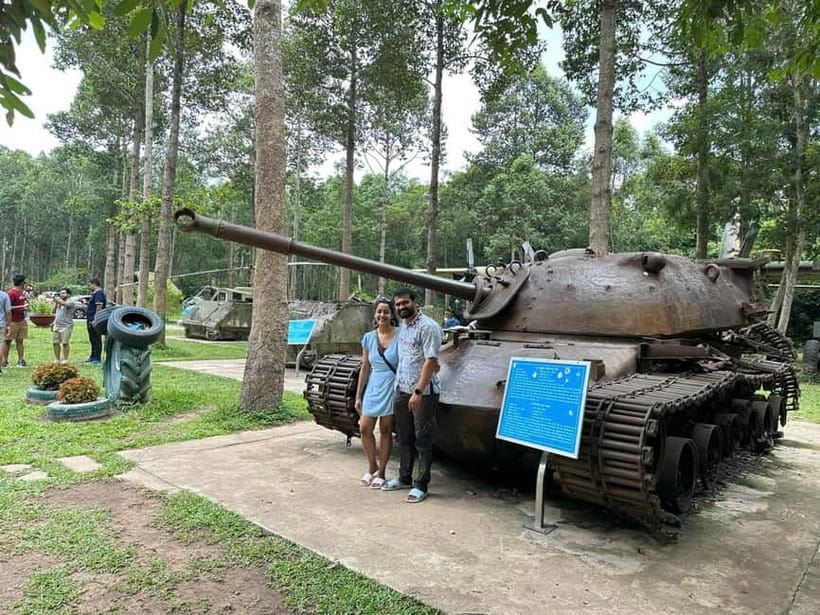
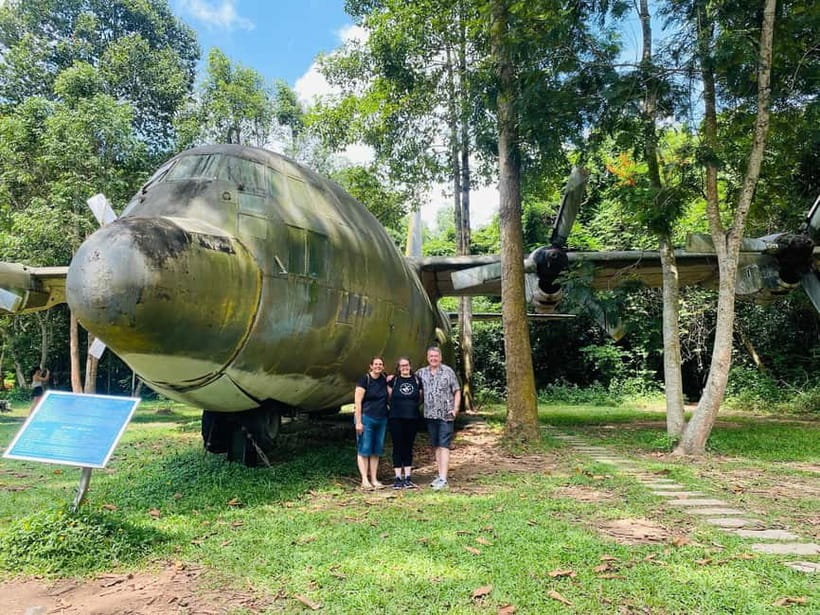
At around 10:00 AM, you arrive and start learning about how Vietnamese soldiers and civilians lived, fought, and survived underground. The tour includes stops at wartime relics and underground-style features such as traps, hidden bunkers, and command centers. It’s not just a walk-through; it’s a guided explanation of how the underground system worked as a survival strategy.
There’s also a memorial temple for fallen soldiers. That moment hits differently than the more technical parts of the visit. It gives you a place to pause and reflect before you move on to more practical details and demonstrations.
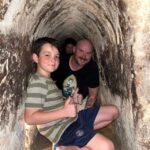
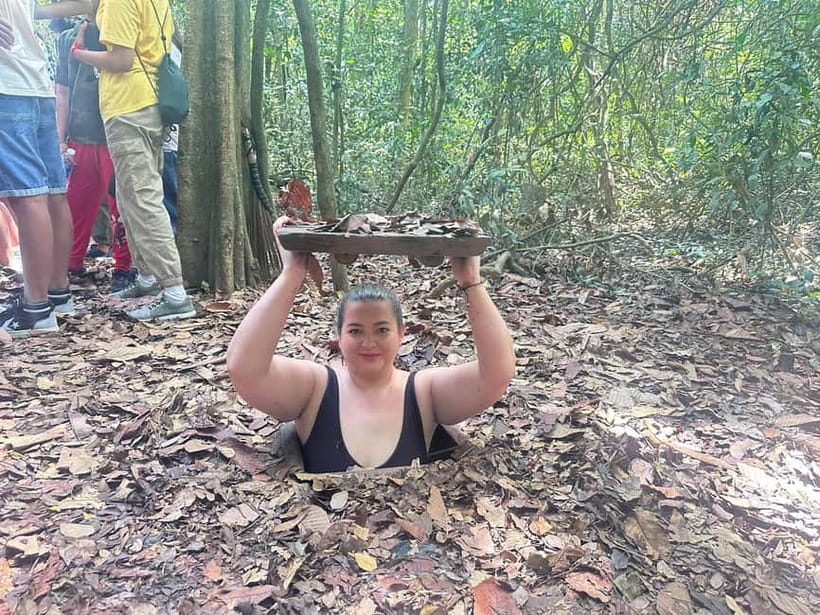
One nice detail: you’ll get a short walk through safe tunnel sections (optional). That’s the moment where the story becomes physical. The tunnel walk can be tight and confined by nature, even when it’s labeled safe, so go at the pace of the group and don’t force yourself past comfort.
If you’re hoping for a highly theatrical experience, this isn’t that kind of day. It’s more grounded: learn, look closely, then take in the memorial and the underground layout.
What you’ll see underground: relics, traps, bunkers, and the memorial
The Cu Chi portion is structured so you don’t just hear facts. You see elements that explain those facts. Expect guided commentary around the underground living and movement system, plus visible wartime relics.
Here’s what makes the Ben Duoc focus worth your time:
- Wartime relics help you connect descriptions to real objects.
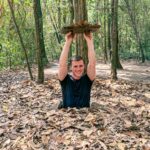
- Traps and hidden bunkers show how protection was built into the terrain, not added later.
- Command centers make it clearer that this wasn’t only hiding. People coordinated and directed operations from underground.
Then there’s the memorial temple honoring fallen soldiers. For me, that’s the emotional anchor of the visit, because everything else can start to feel like an information show if you don’t give yourself that pause.
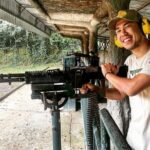
Also, remember the tour includes a shooting range stop within the Cu Chi area (time allocated is about 1.5 hours). The listing doesn’t spell out details like safety equipment or whether it’s optional, so treat it as something you should ask about directly when you arrive. If you’d rather skip it, you can usually talk to the guide about how the schedule can flex, but don’t assume it will be fully customizable.
This is one of those days where photos are useful, but not the main goal. Your best souvenir will be understanding what you just walked through.
Lunch in the countryside: when a meal actually improves the tour
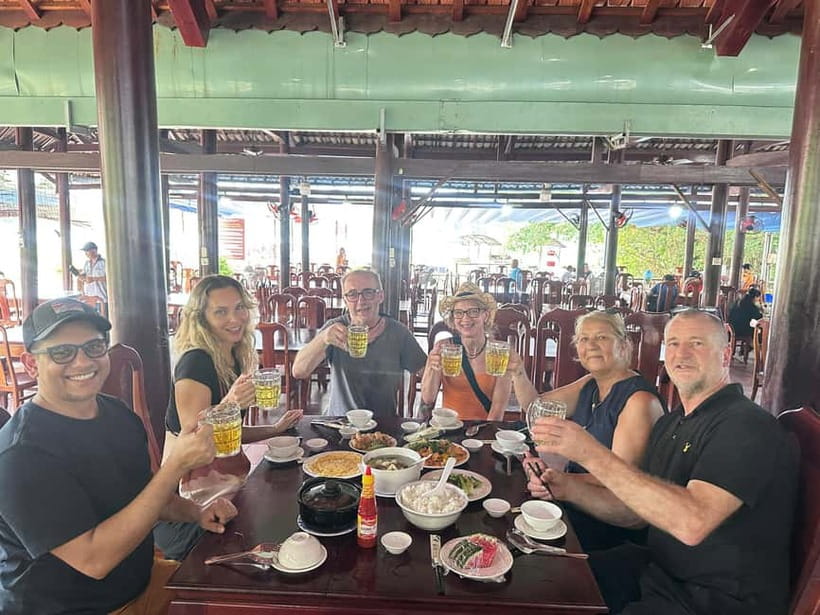
Around 12:00 PM, you stop for a Vietnamese lunch at a countryside restaurant. The food is described as traditional Southern Vietnamese dishes, and there are vegetarian options available upon request.
A local lunch like this does two things for your day:
- It breaks up the mental intensity of Cu Chi with something normal and human.
- It helps you avoid the common tourist trap of eating convenience food that doesn’t taste like Vietnam.
Also, having the meal included means you won’t spend part of your limited day negotiating prices or hunting for somewhere open. Bottled water is included too, which saves time and hassle.
What to keep in mind: wear something comfortable for eating, and don’t plan to do anything strenuous afterward. You’ve got the workshop next, and you’ll probably want a clean-enough outfit for handling rice paper materials.
Rice paper village workshop: making bánh tráng, not just watching it
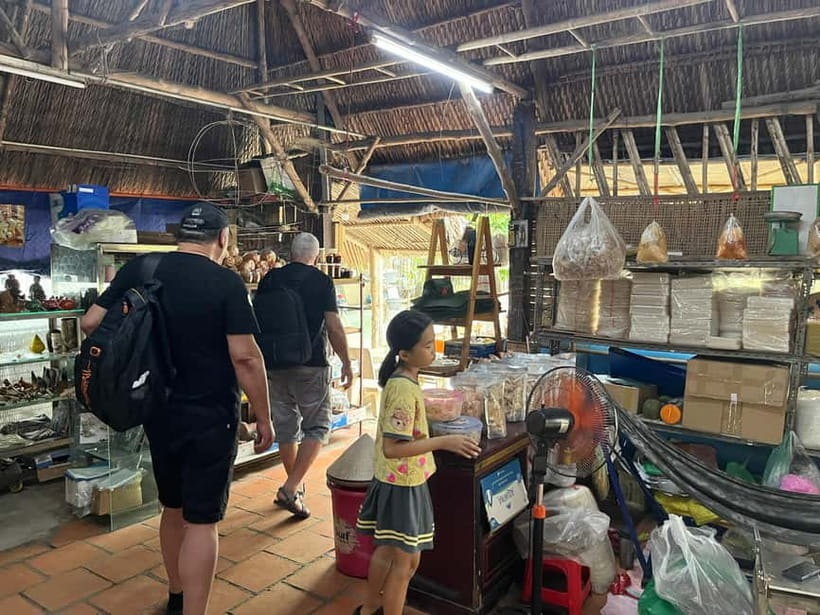
After lunch, you head to the traditional rice paper village. This is scheduled for about 1:30 PM, on the way back toward Ho Chi Minh City.
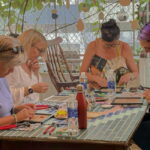
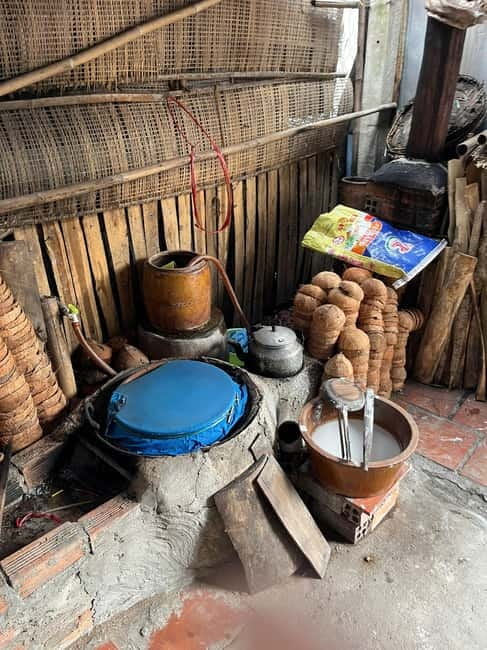
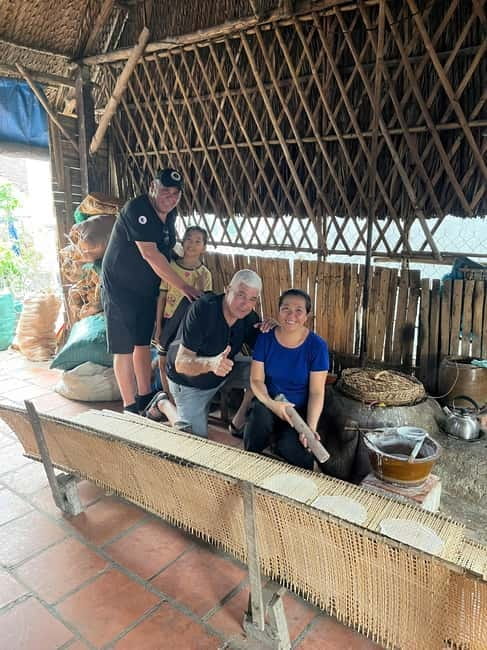
You’re visiting a family-run place where locals produce bánh tráng, the essential ingredient for Vietnamese spring rolls. This stop is valuable because it’s not just a demo. You learn the traditional process from rice batter to drying mats, and then you get hands-on.
The workshop portion is short—about 30 minutes—but it’s structured:
- you learn the process,
- you test your skills making rice paper,
- and you get to enjoy a fresh sample.
Even if you’ve eaten spring rolls your whole life, you’ll probably notice how different rice paper feels once you understand how it’s made. The drying stage and thinness are everything, and that’s what turns it from food into craft.
There’s also time to support local artisans. You’ll have the option to purchase handmade snacks, which is a great use of that “cash” tip in the packing list.
This is the part of the day that feels lighter. It gives your brain a break from the heavy content earlier in the tour.
Price, group size, and who this fits best
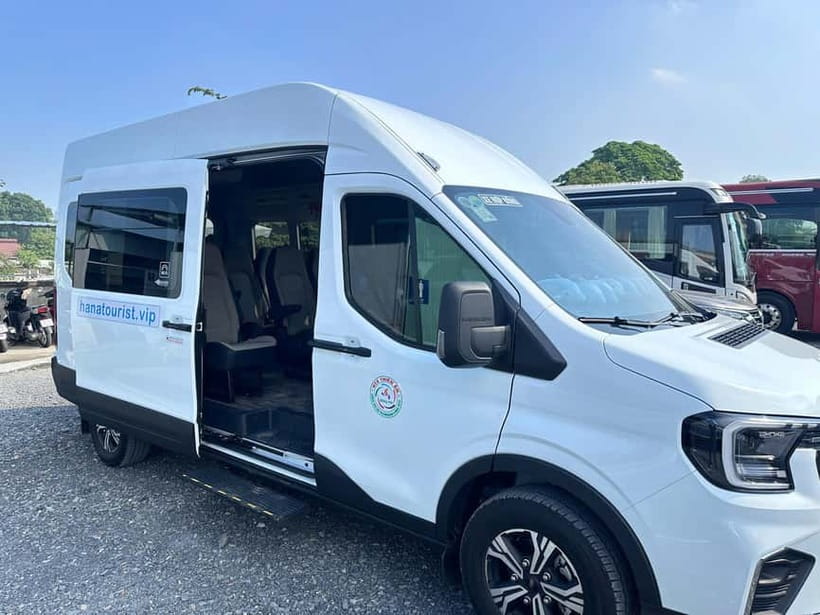
The price is $21 per person for a 7–9 hour day trip, including hotel pickup and drop-off (District 1, 3, 4), an English-speaking guide, entrance fees, local lunch, the rice paper workshop, and bottled water.
For Ho Chi Minh City, that’s strong value when you consider the logistics alone. Getting out to Củ Chi takes time, and entrance fees plus a workshop aren’t usually cheap. The key “value factor” here is that the tour packages multiple parts of the day under one guide, instead of you having to coordinate transport and tickets.
Small-group design also helps. The group is capped at 10 participants, which matters in two ways:
- You get better attention from the guide.
- The day feels less rushed and less awkward than larger bus-style tours.
This tour is a good fit if you want:
- a guided introduction to Cu Chi without spending hours planning,
- hands-on Vietnamese food culture at the rice paper village,
- and a day that balances heavy and lighter experiences.
It’s not a great fit if you:
- have back problems or heart problems,
- have an insect allergy,
- or hate early starts plus confined spaces (the tunnels are tunnel-shaped).
Practical tips: what to bring and what to expect on the ground
You’ll get the most out of this tour if you pack like it’s both cultural and practical.
Bring:
- Comfortable clothes that can take heat and don’t mind getting a bit dirty
- Insect repellent (this is explicitly recommended)
- Cash (for snacks or small purchases at the rice paper village)
- A camera (you’ll have plenty of guided stops where photos make sense)
Also plan for the fact that the day is mostly out of the city. Lightweight layers can help you handle changing indoor/outdoor temps as you move between the van, tunnel areas, and meal stops.
Wear closed-toe shoes if you can. Even when the tunnels are described as safe, surfaces can be uneven, and you’ll be glad you can walk confidently.
If you want to bring your phone or camera, keep them secure. Between tunnel areas and hands-on workshop time, you don’t want to be scrambling for items or worrying about dropping gear.
Should you book the HCMC Cu Chi Tunnels & Rice Paper Village tour?
I’d book this tour if you want a full-day experience that’s practical and structured: Ben Duoc tunnels, a local lunch, and a rice paper workshop with real participation. The small-group size and hotel pickup make it easy, and the $21 price feels fair for the amount included.
I’d think twice if the tunnel walk option (even safe sections) would be uncomfortable for your body, or if insects are a known problem for you. The day is also front-loaded with an early start, so if mornings crush your spirit, plan accordingly.
If you want a day that connects Vietnam’s history to everyday food craft, this one delivers. It’s not perfect for everyone, but for the right traveler, it’s a solid, efficient way to see two very different sides of rural South Vietnam in one go.
FAQ
How long is the Cu Chi Tunnels & Rice Paper Village small group tour?
The tour runs about 7 to 9 hours, starting with pickup in the morning and returning to your hotel later in the afternoon.
Where are the pickup and drop-off locations in Ho Chi Minh City?
Pickup and drop-off are available for hotels in District 1, District 3, and District 4. If your hotel isn’t in the pickup zone, you’ll be given an alternative meeting point.
Is lunch included, and are there vegetarian options?
Yes. Lunch at a local restaurant is included, and vegetarian options are available upon request.
Do I have time to walk inside the Cu Chi tunnels?
There’s an optional short walk through safe sections of the tunnels as part of the guided tour.
What’s included in the rice paper village experience?
You’ll visit the traditional rice paper village and take part in a rice paper workshop, where you learn the process and test your skills making rice paper, with a fresh sample to try.
Is the tour wheelchair accessible?
The tour is listed as wheelchair accessible. However, people with back problems or heart problems are noted as not suitable, so it’s worth considering how the tunnel areas may affect your comfort.