REVIEW · HO CHI MINH CITY
Mekong Delta Homestay Explore Nature 2-Day Family Tiny Garden
Book on Viator →Operated by Vietnam To Travel · Bookable on Viator
Mekong mornings feel like real life. I like the chance to learn how fruit grows firsthand with a garden-focused host setup, and I also like the practical nature time: bicycle rides plus kayaking instead of a long list of photo stops. One thing to consider is the schedule is early—especially on day 2—so plan for a real alarm clock.
This is built around meeting local households and spending time together, including an hour-long conversation with disadvantaged children. The tour keeps it manageable with a maximum of 12 travelers, and you get an air-conditioned vehicle and an A/C room, which matters after a day on the water and in the sun.
In This Review
- Key things to know before you go
- Why this Ben Luc homestay feels more local than a quick outing
- Getting to Ben Luc: pickup timing and how the ride shapes the day
- Garden lessons and fruit tasting you can actually use
- Kayaking through the maze of waterways (and what to expect physically)
- Day 2 at 5:30am: the sunrise bike ride over rice fields
- Local market, coffee, and breakfast: the rhythm without the rush
- Meals in a homestay setting: what’s included and how the food feels
- The 1-hour conversation with disadvantaged children: the human core
- Price and value: is $72 per person a fair deal?
- Who this tour suits best (and who might want a different pace)
- Small-group feel: why a max of 12 matters
- Should you book Mekong Delta Homestay Explore Nature 2-Day Family Tiny Garden?
- FAQ
- How long is the Mekong Delta homestay experience?
- How much does the tour cost?
- Is pickup from Ho Chi Minh City included?
- What’s included in the price?
- What happens early on day 2?
- Do you go kayaking?
- What fruits are part of the experience?
- Is there time to talk with local children?
- Can dietary restrictions be accommodated?
- How many people are in the group?
Key things to know before you go
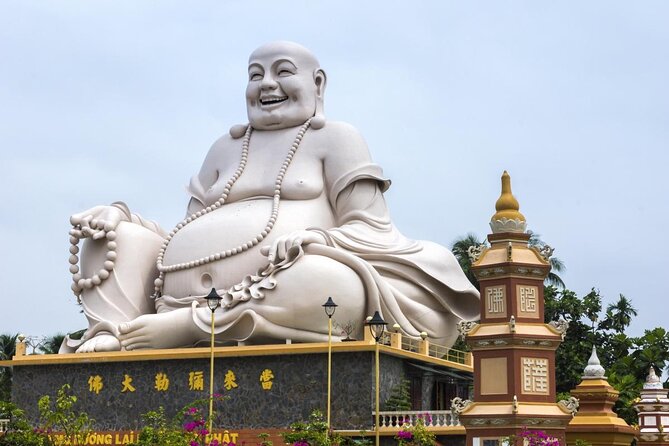
- Ben Luc-based countryside time: You head out from Ho Chi Minh City and settle near Ben Luc for a full change of pace.
- Sunrise bike ride at about 5:30am: Early start, calmer rice fields, and a quieter rhythm.
- Fruit tasting tied to growing lessons: Dragon fruit, grapefruit, guava, and seasonal mango come with simple farming context.
- Kayaking through maze-like waterways: Water time is part of the plan, not an optional extra.
- Dinner, breakfast, and lunches included: Fewer meals to plan means better value for a short trip.
- A 1-hour conversation with local children: This is the most human part of the itinerary.
Why this Ben Luc homestay feels more local than a quick outing
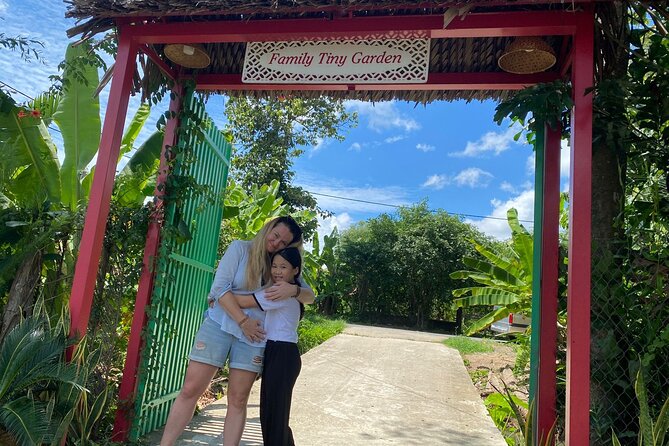
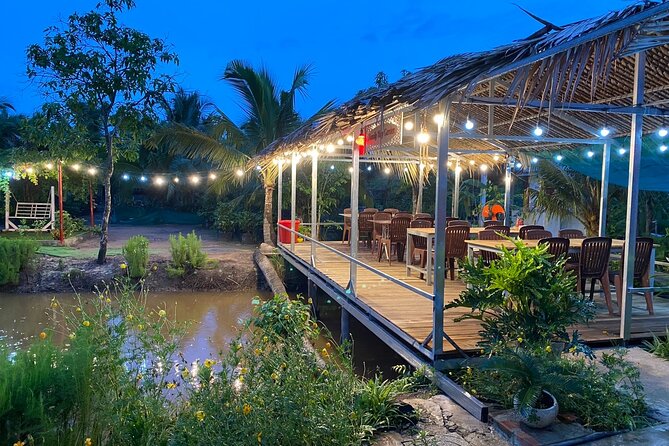
If you want the Mekong Delta as people actually experience it, this type of homestay structure is a good fit. You’re not just passing through. You’re in a home setting where you can talk, ask questions, and watch daily life happen—gardens, meals, and countryside routines.
The biggest strength here is the mix of nature + conversation. The program explicitly includes time talking with disadvantaged children for about an hour. That can be the most memorable part, but it’s also the part where you should go in with a calm mindset: listen more than you perform, and be respectful with whatever language or questions you have.
A nice bonus for comfort is that you’re not doing this as a sweaty backpacking sprint. You get an air-conditioned vehicle for transfers, and there’s also A/C in your room. That doesn’t turn it into a resort stay—it just helps you recharge so you can actually enjoy the next activity.
You can also read our reviews of more tours and experiences in Ho Chi Minh City
Getting to Ben Luc: pickup timing and how the ride shapes the day
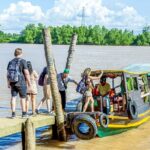
Your day starts with pickup from the center of Ho Chi Minh City (hotel pickup). The schedule calls for pickup around 7:40–8:00am. That’s early enough to get going without turning the morning into a half-day waiting game.
From a planning point of view, this timing is practical. The Mekong Delta countryside needs travel time, and you’ll want daylight once you arrive so the activities feel connected rather than chopped up.
Your official meeting point is listed at 67 Thủ Khoa Huân, Phường Bến Thành, Quận 1. The tour ends back at the meeting point. So you’re not left figuring out how to get home after a long day out in the countryside, which is a real quality-of-life win.
Garden lessons and fruit tasting you can actually use
One of the most enjoyable parts is the fruit focus. You’ll taste specialty fruits such as dragon fruit, grapefruit, guava, and mango (seasonal). The key detail isn’t only the tasting—it’s that the guide explains the process of growing and caring for natural fruits.
That means you’re likely to come away with practical ideas, not just a list of flavors. You’ll understand how fruit fits into the garden routine, how care affects what you pick, and why season matters (especially for mango). Even if you don’t remember every term, you’ll leave with a better sense of how local households think about food as a system: garden care, harvest timing, and meals that follow.
This is also where the small-group size helps. With fewer people, you get more chance for questions—like what grows best at that time of year or what a garden caretaker watches for.
Kayaking through the maze of waterways (and what to expect physically)
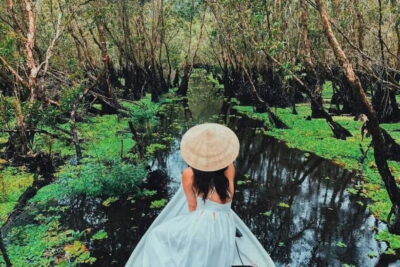
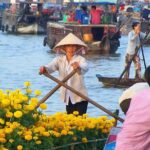
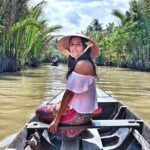
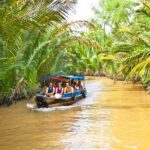
Kayaking is included as a kayaking adventure through a maze of waterways. In other words, you’re not just doing one straight channel for photos. You’ll be moving through interconnected water paths where you can feel the Delta’s network.
Practically, this means two things for your body:
- You’ll likely get more sun than you expect, even if the water looks cool.
- You may feel a bit of arm and core effort depending on how the route is paced.
I’d plan like it’s a real activity, not a sit-and-drift experience. Bring sunglasses you don’t mind getting splashed, wear clothes that dry fast, and protect your skin before you’re out there.
The value angle is strong. In many Mekong tours, water time is either short or costs extra. Here, kayaking is part of the package, alongside meals, A/C transport, and lodging.
Day 2 at 5:30am: the sunrise bike ride over rice fields
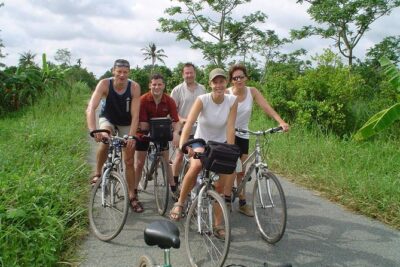
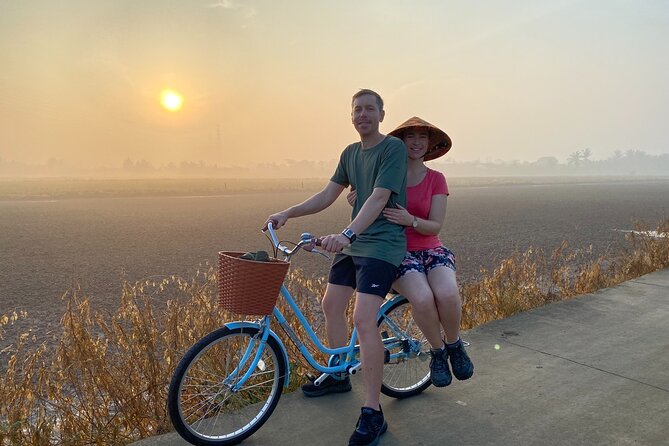
Day 2 has a standout early start: around 5:30am, visitors get up to ride bicycles and watch the sunrise over the rice fields. Then you explore the countryside, visit a local market, and enjoy coffee plus breakfast.
This is the sort of timing that makes the entire trip feel different from a day tour. Sunrise hours are calmer, and the rice fields look and feel more like living farmland than scenery. You also avoid the mid-morning crush that can happen on more standard sightseeing routes.
The bike part is included via use of bicycle, which means you’re not hunting for rentals or coordinating transport. For most people, the biggest challenge is simply that early wake-up. If you like mornings and quiet countryside, you’ll love it. If mornings drain you fast, try to get decent sleep the night before so you don’t hate the alarm.
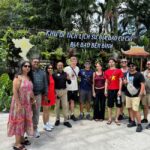
Local market, coffee, and breakfast: the rhythm without the rush
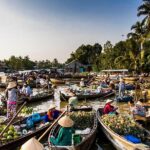
After the sunrise ride, the program includes a visit to a local market, coffee, and breakfast. This is a smart sequence: you’re already outside in the countryside mindset, then you see how daily buying and selling fits into real schedules.
Markets in this region are not just about souvenirs. They’re where food systems show themselves. You’ll get a sense of what people are using right now and what’s seasonal, which ties neatly back to the fruit tasting earlier in the stay.
Coffee also feels less like an arranged café moment and more like a pause that matches the pace of the day. It’s an easy way to balance active time with something warm and familiar.
Meals in a homestay setting: what’s included and how the food feels
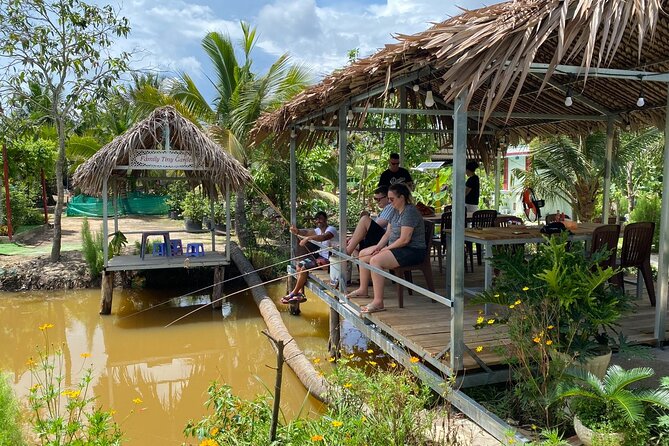
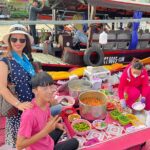
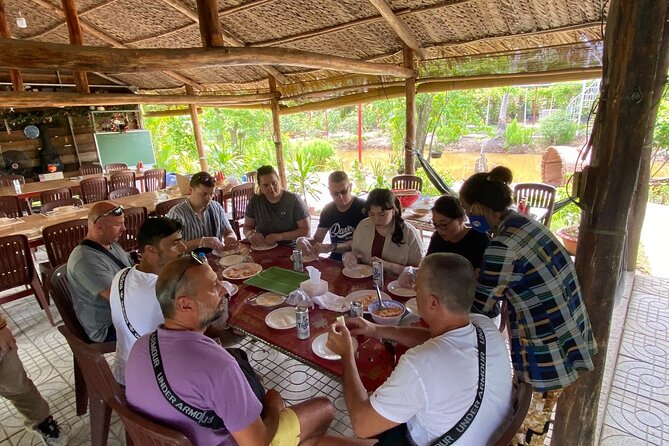
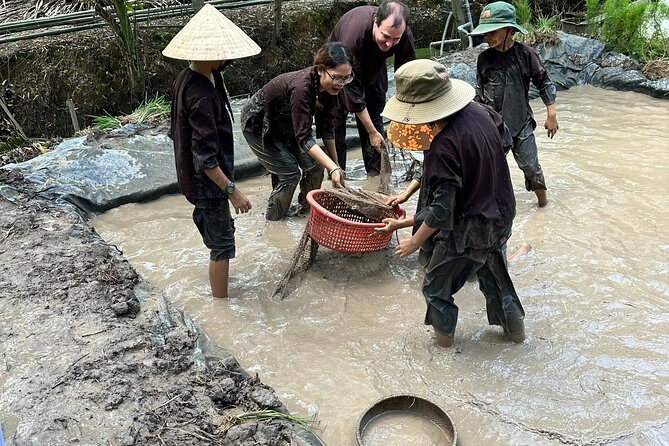
You’ll get dinner, breakfast, and lunches (listed as Lunch (2)). That’s important because a 2-day plan can fall apart quickly if you have to hunt for meals twice a day.
The food theme is traditional meals prepared with fresh ingredients. The program also suggests hands-on options like cooking, fishing, or rice planting. Those are the kinds of activities that make meals more meaningful. Instead of just eating, you’re seeing how preparation connects to local work and local ingredients.
A practical perk: the tour notes you can request dietary restrictions such as vegetarian, vegan, and gluten-free when booking. That doesn’t guarantee every ingredient everywhere is possible, but it does mean the organizers are prepared to think about it in advance, which is how you want it.
One small tip: because you’re eating within a local schedule, be open-minded. If you go in thinking everything will taste exactly like your home cooking, you’ll miss the fun of learning what’s normal there.
The 1-hour conversation with disadvantaged children: the human core
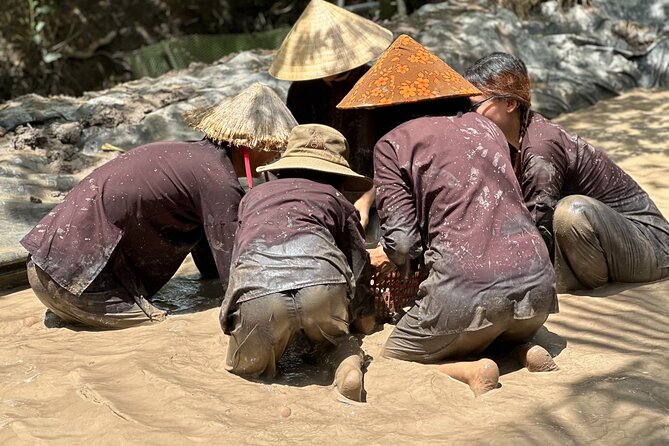
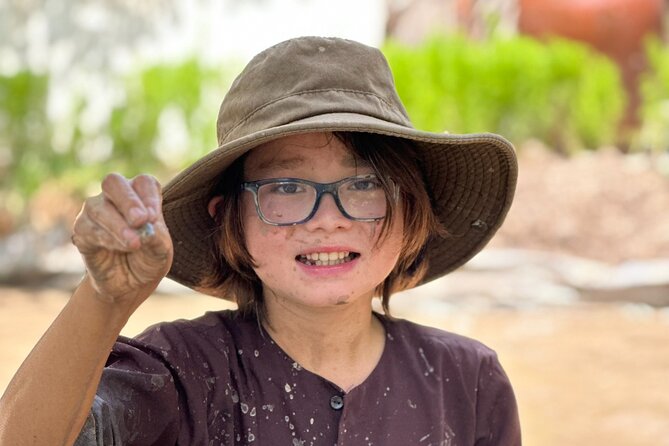
The program includes spending about an hour talking with disadvantaged children in the local area. This is the kind of activity that can either feel awkward or feel genuinely rewarding, depending on how you approach it.
Here’s what I’d do:
- Treat it like a conversation, not a performance.
- Ask simple questions if you can, but mostly be present and listen.
- Keep it respectful and avoid anything that feels like pity.
If you’re bringing kids of your own, it can also be a strong moment for them to learn that communities have needs and friendships beyond the tourist bubble. If you’re an adult traveling solo, it can still be meaningful—your role is just to be steady and kind.
This part tends to be what people remember long after the kayaking photo. It’s also the part that makes the tour feel like it has a purpose beyond entertainment.
Price and value: is $72 per person a fair deal?
At $72 per person for about a 2-day experience, the value is mostly about what’s included versus what most people would pay on their own.
Here’s what you’re getting in the base price:
- Pickup and transfers via an air-conditioned vehicle
- Lodging with room A/C
- Dinner and breakfast, plus Lunch (2)
- Bicycle use
- Kayaking adventure through the waterways
- A guide who explains fruit growing and daily-life context
- A small group cap of up to 12 travelers
- A package of activities that includes local market time and the child conversation
Then there are the usual things that are not spelled out as extra charges in the provided details. The tour notes admissions are free (it lists admission ticket free), and your core activities are included rather than itemized.
What you should budget separately for is anything not mentioned—extra services, personal shopping, and whatever snacks you buy on your own outside the included meals. The listing’s terms say other services not mentioned aren’t included.
Also, there’s good news for risk management: the tour is weather-dependent and cancellation is offered if poor weather causes cancellation. And if you change plans, cancellation is free up to 24 hours in advance for a full refund.
Overall, this is strong value for a short Mekong Delta stay because it bundles transport, lodging comfort (A/C), multiple meals, and paid-feeling activities like kayaking and bike time.
Who this tour suits best (and who might want a different pace)
This is a good match if you want:
- Nature time without needing to plan transport and rentals
- A more human, household-based experience rather than only big-ticket landmarks
- A couple of early starts in exchange for better atmosphere
- Time to talk and learn, not just take pictures
It’s also a fair fit for families, and the title leans that way. The “family tiny garden” theme suggests a more gentle pace, and the included food and A/C help keep things comfortable.
Who might think twice:
- If you dislike early mornings, the day 2 5:30am bike sunrise can be a deal-breaker.
- If you want a mostly indoor or fully cushioned experience, the outdoors parts (sunrise riding and kayaking waterways) are not optional.
The tour also says most travelers can participate. Still, use common sense with any water activity and biking, especially if you have mobility or stamina limits.
Small-group feel: why a max of 12 matters
A maximum of 12 travelers changes the trip in real ways. You’re more likely to get:
- Time for questions while fruit growing and daily routines are explained
- A more comfortable group atmosphere on bicycles and in quieter countryside stops
- Less waiting around for the whole group to catch up
This matters most during conversation-heavy moments—like the hour with local children. In a small group, you can stay more attentive and less performative.
It’s also easier for the guide to adjust pacing if someone needs a slow-down.
Should you book Mekong Delta Homestay Explore Nature 2-Day Family Tiny Garden?
I’d book it if you want a short Mekong Delta trip that feels practical, not staged. The combination of fruit tasting with growing lessons, kayaking through the waterways, and the sunrise bike ride is a strong trio for nature lovers. Add in the homestay meal setup, A/C comfort, and the human conversation piece, and you get a package that’s more than just moving from stop to stop.
Book it with a few smart expectations:
- Plan for an early start on day 2.
- Bring basic sun protection and quick-dry clothing for water and biking.
- If you have dietary needs, mention them when booking so the meals match your requirements.
- Choose your date with the weather in mind. Since it’s weather-dependent, a stable forecast can make the difference.
If your travel style leans toward real conversations, countryside routines, and hands-on nature moments, this is a very solid choice for your Mekong Delta time.
FAQ
How long is the Mekong Delta homestay experience?
It runs for about 2 days.
How much does the tour cost?
It costs $72.00 per person.
Is pickup from Ho Chi Minh City included?
Yes. Pickup is offered from a hotel in the center of Ho Chi Minh City, and the tour starts at 67 Thủ Khoa Huân in District 1.
What’s included in the price?
Dinner, breakfast, lunch (2), an air-conditioned vehicle, room A/C, use of a bicycle, and a kayaking adventure are all included.
What happens early on day 2?
On day 2, visitors get up early around 5:30am to ride bicycles and watch the sunrise over the rice fields, then they explore the countryside and visit a local market.
Do you go kayaking?
Yes. A kayaking adventure through a maze of waterways is included.
What fruits are part of the experience?
You can taste dragon fruit, grapefruit, guava, and mango, with mango listed as seasonal.
Is there time to talk with local children?
Yes. The program includes about one hour talking with disadvantaged children in the local area.
Can dietary restrictions be accommodated?
Yes. The tour notes you can request dietary restrictions such as vegetarian, vegan, and gluten-free when booking.
How many people are in the group?
The maximum group size is 12 travelers.