REVIEW · HO CHI MINH CITY
FULL Day – CAI RANG FLOATING MARKET, COOKING CLASS AND EXPLORE THE COUNTRYSIDE
Book on Viator →Operated by Winter Spring Homestay · Bookable on Viator
Three a.m. is the start of a story. This full-day Mekong Delta run is built around Cai Rang floating market mornings and ends with hands-on cooking at a real countryside home, not a staged restaurant. I especially like the way the day mixes food you taste on-site with food you make yourself, plus the relaxed downtime built in on the property. One trade-off: the 3:00 a.m. pickup is early, and the whole thing runs about 10 hours.
What makes it feel different is the home-first approach. The hosts describe it as a natural, family-style day: parents and a sister prepare lunch and teach you, then you head out to rice fields and a seasonal fruit garden where you can pick by yourself. In standout notes, guides such as Trieu Trinh and Kieu Trinh are specifically praised for making local connections feel personal.
By late afternoon, you’re back around 3–4 p.m., with a full plate of experiences and calmer countryside time built into the schedule. Still, plan for a long day and bring the right energy for early mornings—this is not a slow start tour.
In This Review
- Key highlights to know before you go
- That 3:00 a.m. pickup: the secret to seeing Cai Rang right
- Mekong breakfast and the Cai Rang floating market rhythm
- Rice noodle factory, traditional bakery mill, and canal-time breaks
- Muoi Cuong cocoa orchard: seeing where chocolate starts
- Market shopping first, then cooking class at a family home
- Bánh xèo and spring rolls: what you’ll make and why it matters
- Hammock rest, fruit picking, and rice fields before you head back
- Price, timing, and group size: is $119 good value?
- Who should book this Mekong day trip?
- Should you book this tour or pass?
- FAQ
- What time is the pickup from Ho Chi Minh City?
- How long does the tour last?
- Where does the tour go?
- Is pickup offered?
- Does the tour include a cooking class and lunch?
- What dishes do you cook during the class?
- Is there a limit on group size?
- What should I know about tickets?
- What is the cancellation policy?
- How far in advance is this commonly booked?
Key highlights to know before you go
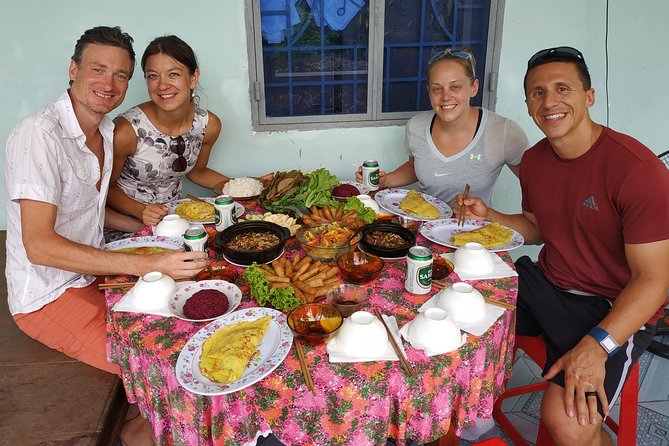
- Cai Rang Floating Market at early hours with a Mekong breakfast that sets the tone for the day
- Rice noodle factory / traditional bakery mill stop to see how rice-based staples get made
- Muoi Cuong cocoa orchard visit en route, adding a totally different flavor story
- Market shopping for your cooking class before you cook and eat lunch with a family
- Hammock nap time plus countryside walking for rice fields and seasonal fruit picking
That 3:00 a.m. pickup: the secret to seeing Cai Rang right
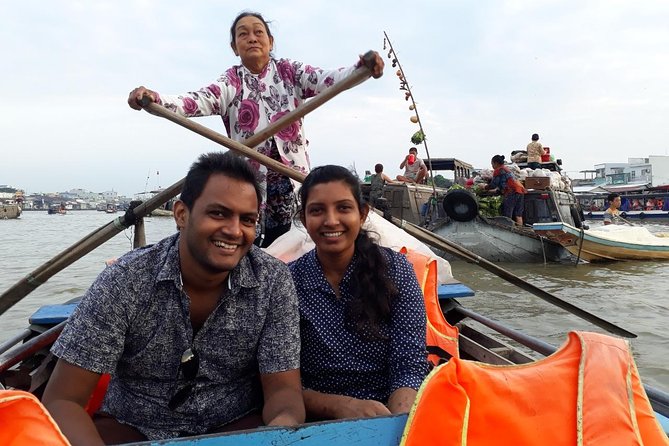
If you book this, you’re signing up for an early wake-up. The pickup from Ho Chi Minh City happens at 3:00 a.m., and that shapes the entire experience. You’ll reach the Mekong-area activities early enough to catch the floating market energy before the day gets too busy and the light gets flatter.
I like this approach because it turns Cai Rang from a quick sightseeing stop into a morning you actually understand. You’re not just looking at boats—you’re there for the trading rhythm that makes the floating market what it is.
The drawback is obvious: if you hate mornings, this will feel like the hardest part. Bring a light layer for the early hours, and don’t plan to squeeze in anything else later that day.
You can also read our reviews of more shopping tours in Ho Chi Minh City

Mekong breakfast and the Cai Rang floating market rhythm
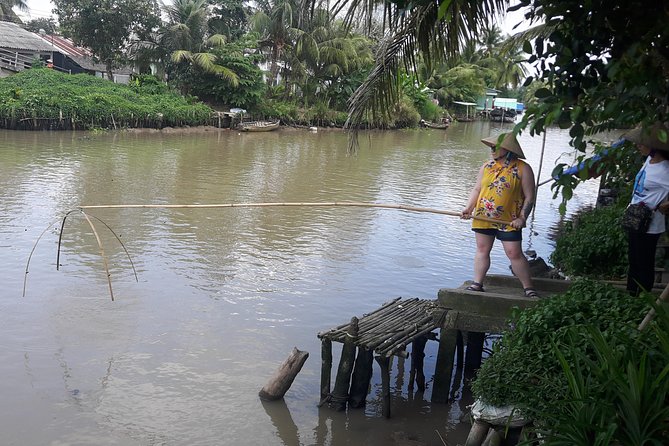
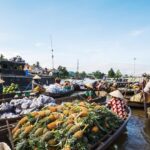
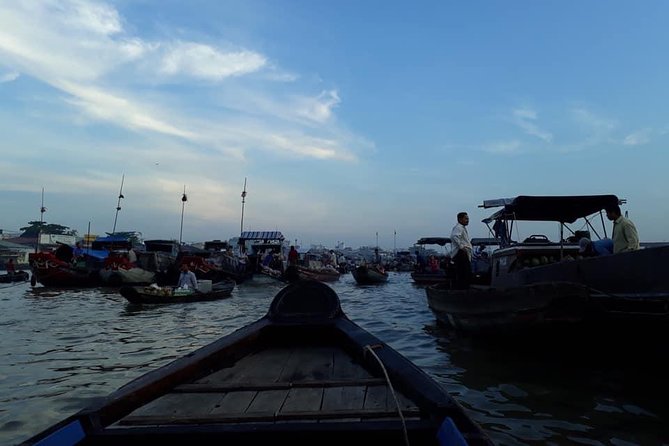
Your first big moment is Cai Rang Floating Market. You’ll arrive early and enjoy breakfast in the Mekong, which is a smart move for two reasons. First, you’re fueling up before the day turns active. Second, eating here (instead of waiting until later) gives you a stronger sense of place.
In general, floating markets are busiest when water traffic is steady and people are still working their way through early deliveries. On a tour like this, you’ll be present during that window, so you can watch how sellers move goods and how the whole canal area feels alive.
When you’re exploring, keep your expectations simple. You’re going for clarity, not luxury. That means:
- Look closely at what’s being sold from the boats and around the docks.
- Ask questions about everyday foods and local products when your guide offers context.
- Take photos, but also keep a little time with your senses on.
One extra plus: the day is run by locals, and your guide’s personal network can make the stops feel less transactional. In notes connected to the tour, guides like Trieu Trinh and Kieu Trinh are praised for bringing those connections into view, not just reciting facts.
Rice noodle factory, traditional bakery mill, and canal-time breaks
Before the day turns fully into hands-on food time, there’s a practical stop at a rice noodle factory / traditional bakery mill. This is one of those experiences that’s easy to skip if you only care about big landmarks. Don’t skip it. Seeing production close up helps you understand why Mekong Delta dishes taste the way they do.
Rice-based foods are everywhere in southern Vietnam, and this kind of stop gives you a baseline for what’s behind the menu. You also get a chance to see everyday milling or processing methods—things that usually happen “behind the scenes” when you only eat out.
The tour also includes a small-canal moment. That matters because it breaks up the day and changes the pace. You get movement through water-linked areas, which helps Cai Rang and the countryside feel connected instead of like separate boxes on a checklist.
Practical tip: wear something comfortable for standing and walking. Even if time is structured, there’s usually some shifting between viewing spots.
Muoi Cuong cocoa orchard: seeing where chocolate starts
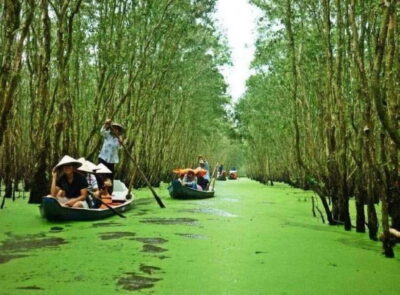
Then comes Muoi Cuong Cocoa Farm, also described as a cacao orchard visit. This adds variety to the day because it connects your food story to a different crop.
Cocoa isn’t a “quick bite” ingredient the way rice noodles are. It has a bigger journey from orchard to processing, and the whole point here is to show you the beginning of that chain. You’re not just hearing about chocolate—you’re stepping into a place where the raw ingredient begins.
This stop also adds a useful contrast after the markets. Morning floating life is one kind of Vietnam. A farm/growing environment is another. That contrast is part of why this day feels full without feeling random.
If you care about agriculture, enjoy this portion slowly. Look around, take in the setting, and let your guide explain what they can. If you’re the type who asks a lot of questions, this is a good moment to do it.
Market shopping first, then cooking class at a family home
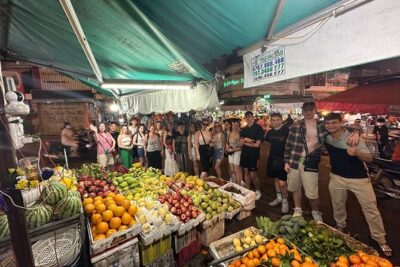
One of the smartest ways to do a cooking class is to start with shopping. Here, you go to a traditional market to buy materials for your cooking class. That’s not a throwaway add-on. It changes what you cook because you’re choosing ingredients with guidance, and you understand how local foods are assembled.
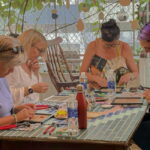
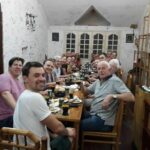
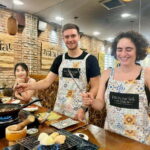
Once you’ve shopped, you head to the family home in the countryside for the class and lunch. The hosts set expectations clearly: this is not run like a big professional cooking show. Instead, parents and family members guide you naturally through the steps. That matters because you’re cooking in a home environment, so the class feels like learning a real skill, not just following instructions for a ticketed activity.
In practical terms, expect:
- A warm, family-centered rhythm rather than a tightly choreographed performance.
- Time to eat what you make, because lunch is part of the same experience.
And yes, you’ll have a schedule—but the vibe is meant to be calm.
You can also read our reviews of more tours and experiences in Ho Chi Minh City

Bánh xèo and spring rolls: what you’ll make and why it matters
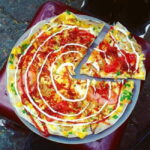
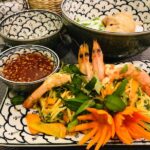
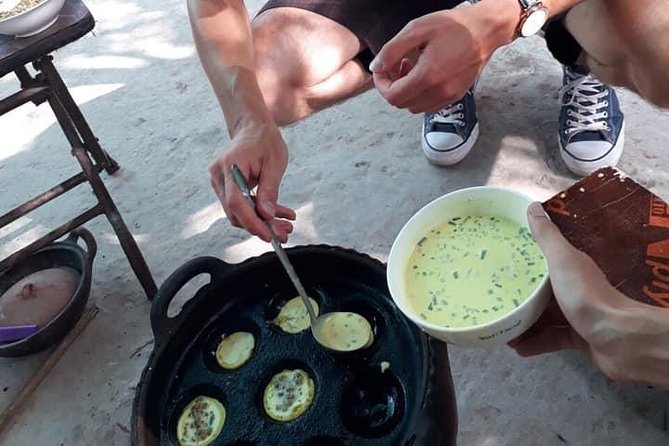
You’ll learn to cook traditional dishes as part of the class. The specific dishes mentioned include bánh xèo and spring rolls. Those two choices are great for a hands-on day because they represent different cooking techniques—one centered on batter and sizzling texture, the other focused on wrapping and assembly.
Here’s why this matters for you, not just your stomach:
- You’ll likely understand how ingredients come together in local proportions and methods.
- You’ll taste lunch knowing you helped create it.
- You’ll get a repeatable memory. Later, you can recreate the dish flow at home more easily than if you just watched cooking on a screen.
I also like that the class sits inside a full countryside meal. It’s not only about cooking. It’s about sitting down and eating what the household prepares, which makes the food feel less like an activity and more like hospitality.
If you’re worried you won’t remember everything, relax. The value here is learning the sequence and picking up the core ideas. You don’t need to become a chef by day’s end.
Hammock rest, fruit picking, and rice fields before you head back
After lunch, you get a break: hammock nap time and downtime at the countryside home. This is one of my favorite parts of the day. It’s rare for Mekong tours to build in a true rest window, but here it’s part of the flow. It also helps you absorb what you just learned—cooking, eating, and seeing farm stops can be mentally tiring.
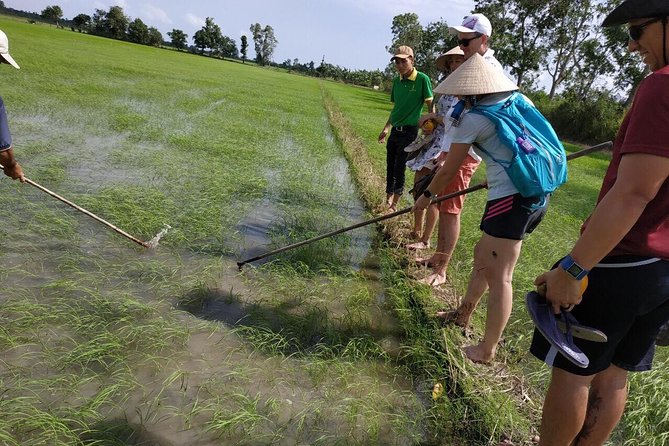
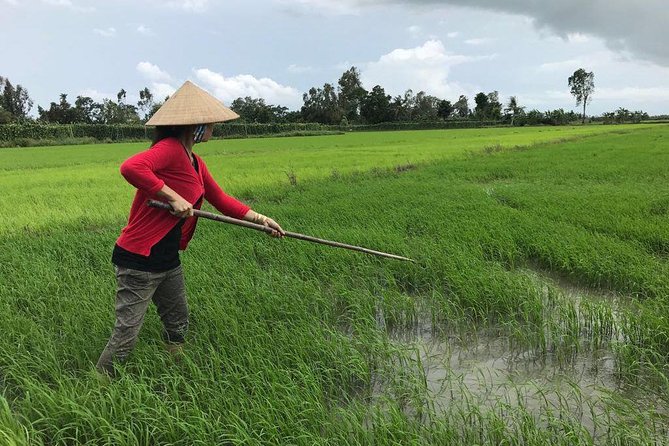
Then comes the countryside wandering. You’ll go around rural areas to experience day-to-day life, including visits to a seasonal fruit garden and rice fields. You can pick fruit by yourself and then enjoy it. That’s a small action, but it’s meaningful because it shifts you from “tourist who looks” to “visitor who participates.”
Why it works: you’re not only moving through places, you’re seeing how people grow and harvest what ends up on plates later in the day. That connection ties together the rice noodle stop, the market shopping, and lunch.
Practical tip: bring water, wear shoes you can walk in, and expect muddy or uneven ground in agricultural areas. You’ll be glad you didn’t plan this in flip-flops.
Price, timing, and group size: is $119 good value?
The price is $119 per person, and it’s worth judging it as a bundle. You’re paying for a full-day package that includes:
- early pickup from Ho Chi Minh City
- Cai Rang Floating Market time plus Mekong breakfast
- stops at rice noodle production and a cacao orchard
- a market visit for cooking ingredients
- a cooking class plus lunch at a family home
- countryside relaxation and activities like hammocks, fruit picking, and rice field time
- a return back around 3–4 p.m.
On paper, that might sound like a lot. In practice, the value comes from variety plus meals. You’re not just seeing one attraction. You’re eating, cooking, and moving through multiple food-linked environments. That’s why the day can justify itself even though it’s an early-morning long haul.
Group size is capped at 60 travelers, which can help with access and pacing compared to massive tours. You also get a mobile ticket, and pickup is offered.
The main “cost” isn’t money. It’s time and energy. If you can’t handle a very early start, look at other options in Vietnam. If you’re game for a long day with real food moments, this price can feel fair.
Who should book this Mekong day trip?
This is a strong fit if you want:
- a food-centered Mekong Delta day (markets, cacao, noodles, cooking)
- an experience that feels family-run and natural, not overly staged
- hands-on time like a cooking class and fruit picking
- a route that connects floating market life to countryside agriculture
It’s also a good match for couples and small groups who like to ask questions and enjoy meal-focused travel. If you’re traveling with kids, it could work, but the 3:00 a.m. start is the obvious challenge.
If you hate early mornings and prefer slow, late-day itineraries, you’ll probably find the timing stressful. For those travelers, you may be better with a less intense half-day or a later departure option.
Should you book this tour or pass?
I’d book it if you want a Mekong Delta day that’s about more than photos. The combination of Cai Rang, rice/noodle production, Muoi Cuong cocoa, market shopping, cooking bánh xèo and spring rolls, plus lunch and countryside relaxation is a lot of genuine food learning for one ticket.
I’d think twice if you can’t do 3:00 a.m. pickups, or if you’re expecting a polished, big-company feel. This is positioned as a natural, home-style day where the family teaches you and you spend time in their countryside routine.
If you can handle an early start, this tour has a clear payoff: you’ll leave with recipes, food knowledge, and a countryside rhythm you can actually picture.
FAQ
What time is the pickup from Ho Chi Minh City?
Pickup is at 3:00 a.m.
How long does the tour last?
It runs for 10 hours (approx.) and you return around 3–4 p.m.
Where does the tour go?
You visit Cai Rang Floating Market, and you also stop at Muoi Cuong Cocoa Farm. You’ll also visit noodle production and a traditional market, then spend time at a countryside home.
Is pickup offered?
Yes, pickup is offered.
Does the tour include a cooking class and lunch?
Yes. You buy cooking materials at a traditional market, then learn cooking and have lunch at a local family home in the countryside.
What dishes do you cook during the class?
The dishes mentioned are bánh xèo and spring rolls.
Is there a limit on group size?
Yes. The tour has a maximum of 60 travelers.
What should I know about tickets?
You receive a mobile ticket.
What is the cancellation policy?
You can cancel for a full refund up to 24 hours in advance. If the tour is canceled due to poor weather, you’ll be offered a different date or a full refund.
How far in advance is this commonly booked?
On average, it’s booked 11 days in advance.