REVIEW · HO CHI MINH CITY
Ho Chi Minh City – Meditation retreat – 2 days 1 night
Book on GetYourGuide →Operated by JANGTOURS · Bookable on GetYourGuide
Quiet dawn practice beats the city noise. If you want a real taste of Buddhist life without a travel-company gloss, this short retreat at Phat Quang Pagoda is a focused mix of meditation technique practice and monastic routine. It’s based just outside Ho Chi Minh City, with a full schedule that moves from sitting practice to chanting, volunteering, and simple reading time.
I especially liked the way you’re taught the “correct method” of meditation and guided through Buddhist doctrines during the program flow. You also do meaningful work each day, from helping with practical tasks like making food (cakes/tea/tofu), painting on fabric, and even picking vegetables—so the retreat isn’t only sitting still. The small-group format with an English instructor helps you follow what’s happening.
One thing to consider: this is not set up like a comfortable, resort-style meditation class. Expect a very basic setting for meditation and sleeping, and plan for guidance that may feel light compared with a formal instructor-led workshop—plus strict rules about food and conduct.
In This Review
- Key things I’d watch for before you go
- From Ho Chi Minh City to Phat Quang Pagoda: what that 100 km feels like
- The meditation sessions: technique practice, but don’t expect a seminar
- Buddhist doctrines and practical learning you can feel in your day
- Volunteer work: the part many people underestimate
- The chanting, rituals, and evening flow: what the pagoda teaches at night
- Sleeping in the pagoda: simple, shared, and not for comfort seekers
- Day two starts at the Great Bell: early, focused, and very real
- Price and value: why $80 can be fair, or feel wrong
- Practical rules and packing: what to bring (and what to avoid)
- Who this retreat suits best (and who should skip it)
- Should you book this 2-day meditation retreat to Phat Quang Pagoda?
- FAQ
- How far is the pagoda from Ho Chi Minh City?
- What meals are included?
- Is there an English instructor?
- What kind of meditation practice does the retreat include?
- Will there be chanting and Buddhist rituals?
- What do I need to bring and wear?
- Is the retreat wheelchair accessible or suitable for altitude sickness?
Key things I’d watch for before you go
- A pagoda day built around routine: chanting, volunteer work, and early morning sessions are part of the same “practice loop.”
- Meditation with minimal frills: you should be ready for simple, quiet instructions and self-practice time.
- Volunteer work is not an add-on: you’ll help with hands-on tasks, then learn why it supports mindfulness and blessing.
- Buddhist rituals are a main event: prostration, chanting, and reading time are woven into the evening.
- Shared life with monks and nuns: you’ll understand the monastic rhythm by living alongside it.
- Travel friction matters: transport to/from the pagoda isn’t fully handled like a hotel pick-up package.
From Ho Chi Minh City to Phat Quang Pagoda: what that 100 km feels like
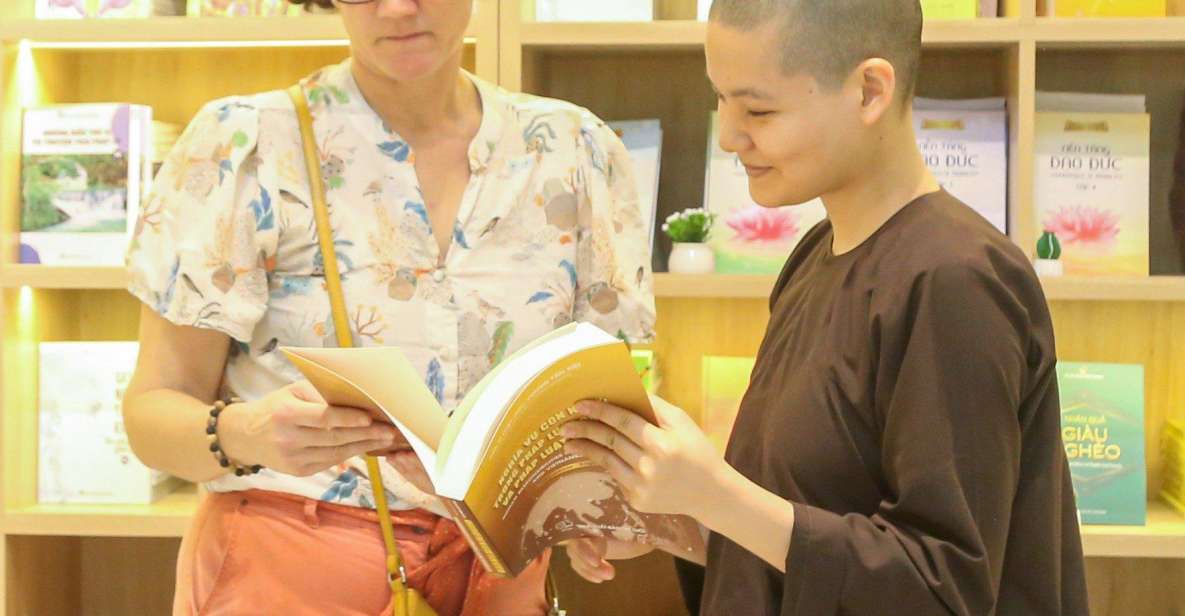
The retreat starts with getting out of Ho Chi Minh City and into a calmer spiritual setting. The pagoda sits about 100 km from the city center, and the program begins with a morning transfer that takes you out to Thien Ton Phat Quang Pagoda for the first day’s activities.
That distance matters more than you might think. When you’re away from traffic, shops, and late-night habits, the whole retreat changes tone fast. You arrive already “in the day,” not trying to squeeze spiritual time between city errands. Also, it helps you settle into a slower pace before you sit down for meditation.
One practical note: transportation from/to the pagoda is listed as not included, and there’s no pickup and drop-off guide. Still, the retreat runs with transfers as part of the schedule, so you’ll want to clarify where you meet and how you get from your base to the meeting point. Plan for some coordination on your end unless your operator spells out exact pick-up details.
You can also read our reviews of more city tours in Ho Chi Minh City

The meditation sessions: technique practice, but don’t expect a seminar
The core promise here is learning the correct technique of meditation and understanding Buddhist teachings. In practice, that means you’re not just asked to sit and wait. You get instruction aimed at mindfulness and Buddhist doctrine, then you practice within the retreat’s set rhythm.
That said, you should expect meditation time to feel more like a structured routine with space to practice than a long, step-by-step classroom session. The environment can be very simple. One person described meditation happening in a half-dark, metal basement setting, with silence and limited guidance while you sit on a mat for about an hour. Even if your experience ends up a bit different, the retreat’s design leans toward quiet discipline over comfort.
Here’s how to make the most of it:
- Go in ready to follow instructions quickly, then settle into the practice without needing constant coaching.
- Don’t treat it like a performance. Bring the right mindset: sit, breathe, observe, return. The “method” is less about special effects and more about consistency.
If you’re the type who needs heavy verbal cues every few minutes, you might get frustrated. If you can handle simple direction and then do the work, you’ll likely find the approach fits the setting.
Buddhist doctrines and practical learning you can feel in your day
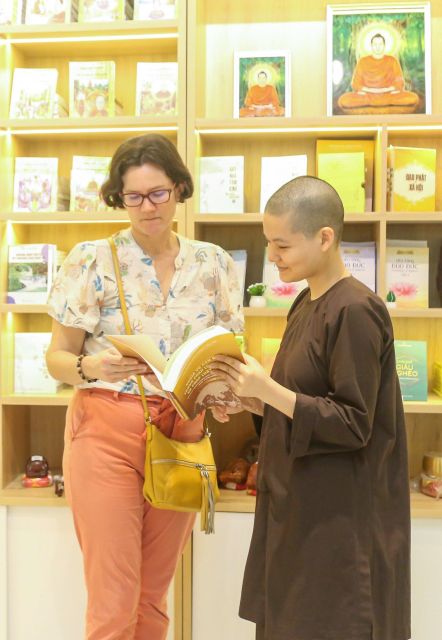
Beyond meditation, you study profound Buddhist doctrines as part of the retreat flow. The program uses repetition: sit, chant, read, then do volunteer work, then sit again.
This matters because Buddhist teachings often land best when they’re tied to behavior, not only memorized. When you’re washing dishes after dinner, helping with tofu or cakes, or painting fabric with care, you’re practicing attention in motion. It’s a quiet way to learn what mindfulness looks like when your hands are busy.
The reading time also matters. After chanting in the evening, you get time for reading books. That’s a practical bridge between abstract doctrine and daily actions. You don’t need to be a scholar to benefit, but you do need patience and willingness to accept that this retreat is about practice over explanation.
Volunteer work: the part many people underestimate
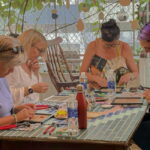
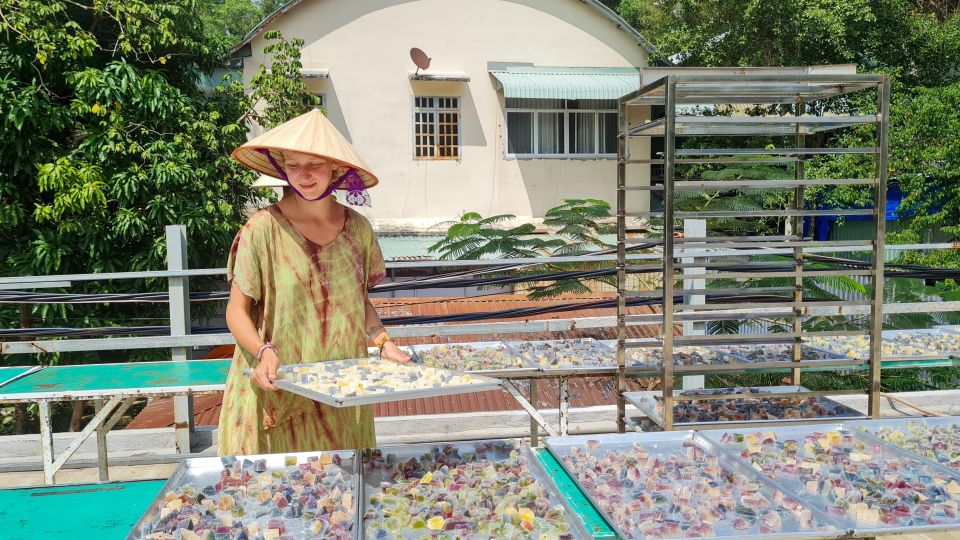
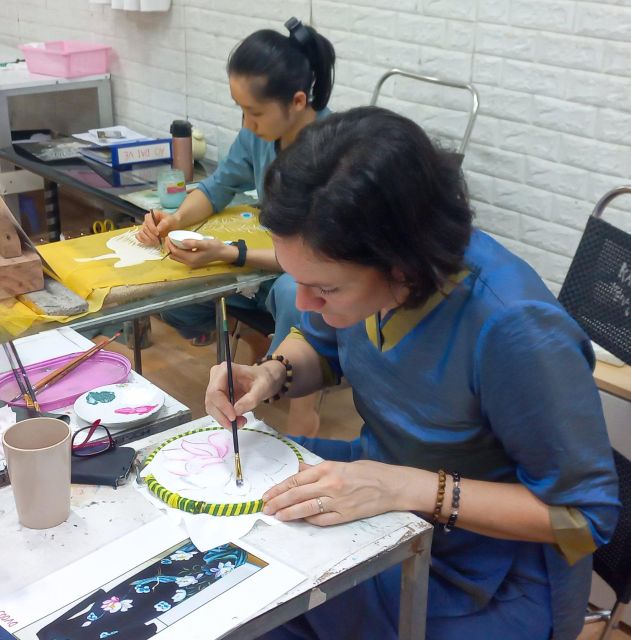
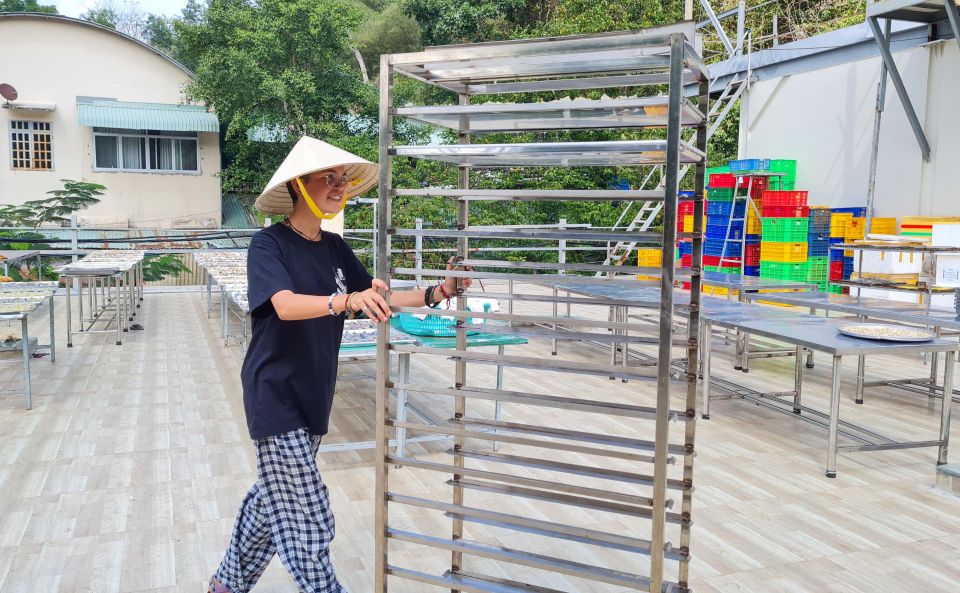
Volunteer work is a standout part of this retreat. It’s not a token photo-op. On the first day, you’ll spend time helping with practical tasks like making cakes/tea/tofu or painting on fabric. Later, you’ll wash dishes after vegetarian dinner—another real activity that keeps you grounded.
On the second day, volunteering continues, including tasks like picking vegetables and repeating the food-related routine. These hours are where the retreat often becomes more meaningful than the meditation itself. You’re learning discipline through work: show up, do the task carefully, follow directions, and stay present.
I like this model because it prevents the retreat from becoming only an internal mental exercise. If you’re trying to gain inner peace and “true happiness” through practice, the retreat essentially says: calm the mind by training your behavior too.
The chanting, rituals, and evening flow: what the pagoda teaches at night
Evening in the pagoda isn’t just winding down. It’s practice time.
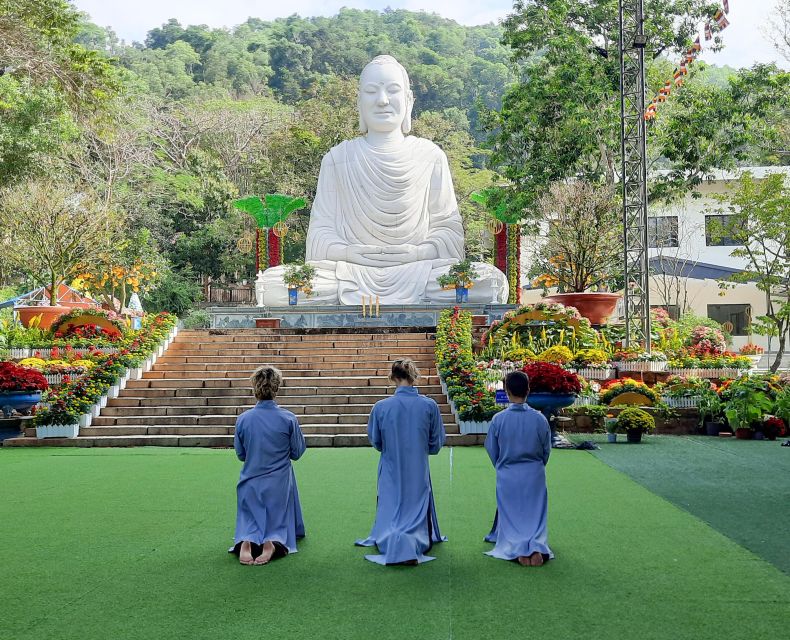
After vegetarian dinner and dishwashing, the schedule includes chanting (about 18:30–19:00). Then you move into reading time (around 19:00–19:50). After that comes a “wholesome seed” segment (listed around 20:00–21:30), which includes prostration to Buddha, followed by meditation before sleep.
That sequence can surprise you if you’re expecting a typical “meditation retreat” that’s mostly sit-and-breathe. Here, ritual has weight. Chanting and prostration aren’t decorations; they’re part of how the community trains attention and reverence.
One more thing: the food routine is part of that discipline. The program runs full board vegetarian meals, and one person noted they were continuously offered food even after declining, then told off for not finishing. That’s not necessarily guaranteed everywhere, but it tells you how strict the culture can feel around meal etiquette. If you have dietary needs or dislike wasting food, handle it carefully and respectfully.
You can also read our reviews of more evening experiences in Ho Chi Minh City




Sleeping in the pagoda: simple, shared, and not for comfort seekers
Accommodation is in the pagoda itself, with full board vegetarian meals included. This is a big value point, but it also sets expectations.
Sleeping is communal. One person described sleeping in a communal room on something resembling thick yoga mats. Another theme from the experience is that some spaces are very basic, including for meditation. So pack for simplicity, not comfort. You’ll likely sleep fine if you’re used to hostels and quiet routine, but if you need privacy or temperature control, this can feel like a downgrade.
Also, consider this: the retreat is short—just 2 days and 1 night. You don’t have time to recover from a rough first night. If you’re sensitive to sleep disruption, plan ahead.
Day two starts at the Great Bell: early, focused, and very real
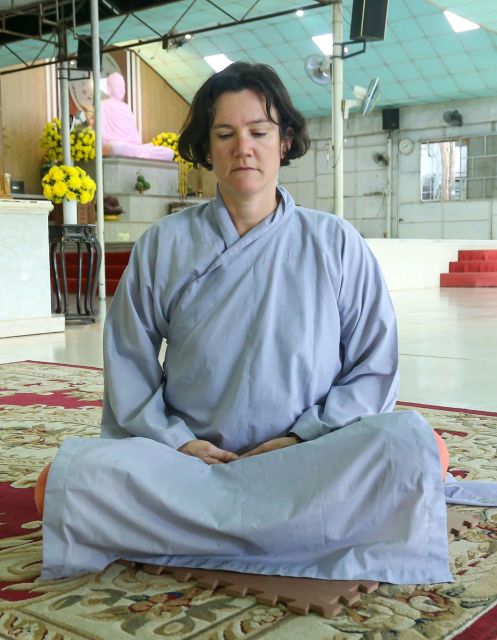
Day two begins before sunrise. The retreat schedule includes a Great Bell window for meditation and chanting (around 4:00–6:00). That early start can be intense, but it’s also one of the most authentic aspects of a monastic-style day. The point isn’t sleep; it’s attention.
Right after that, there’s qigong and martial art practice (around 6:10–6:50). This is a practical addition. Qigong isn’t just a wellness trend here—it functions as a moving form of awareness, helping you carry mindfulness into the body.
After breakfast (around 7:00–7:20), you volunteer again from about 7:30–10:30, then you’re back to the city area for lunch and return around noon to early afternoon.
If you’re on the fence about committing to the early start, here’s my honest advice: if you treat the retreat like a real experience, you’ll appreciate why it begins when most people are still asleep. If you only want meditation while half-awake, it might feel draining.
Price and value: why $80 can be fair, or feel wrong
The price is listed at $80 per person for 2 days / 1 night. That’s a very reasonable number for a full-board spiritual retreat if you’re getting what you came for: guided meditation technique, Buddhist doctrine exposure, ritual practice, and hands-on volunteering—plus accommodation and entrance fees are included.
Where value can feel shaky is if you expected a more instruction-heavy retreat or a more “retreat-y” environment. One person said the stay itself was free and questioned why they paid for the retreat, and another felt meditation lacked guidance and happened in a basic setting. Based on that, you should make sure your expectations match this style: structured routine, not luxury.
So how do you decide if it’s worth it for you?
- Worth it if you want: monastic rhythm + chanting + volunteering + basic accommodations + a short commitment.
- Maybe not worth it if you need: frequent coaching, a comfortable meditation room, or a more private setup.
Practical rules and packing: what to bring (and what to avoid)
The retreat has clear expectations for dress and conduct. Bring a long-sleeved shirt and long pants. This is about respect in a religious setting and helps you stay comfortable during early morning practice.
Alcohol and drugs are not allowed. Fireworks are also not allowed. If you’re imagining a laid-back “wellness retreat,” adjust your mental model now: this is practice with boundaries.
Also, since the retreat is in an English-instructor format, you can rely on communication, but the retreat atmosphere still isn’t a casual class. You’ll do better if you follow instructions fast and don’t ask to redesign the schedule.
Who this retreat suits best (and who should skip it)
This retreat is a strong fit if you:
- Want to experience Buddhist rituals in a hands-on way, not only as sightseeing.
- Like structured daily routine: meditation, chanting, reading, then volunteer work.
- Are curious about monastic life and want to live alongside monks and nuns for a full cycle.
It may be a poor fit if you:
- Want lots of step-by-step meditation coaching in a bright, comfortable room.
- Need private accommodation or quiet sleep without communal arrangements.
- Are expecting a luxury retreat feel or flexible timing.
Also note: it’s listed as not suitable for wheelchair users and not suitable for people with altitude sickness. So keep physical needs in mind before you book.
Should you book this 2-day meditation retreat to Phat Quang Pagoda?
I’d book it if you want a short, disciplined snapshot of Buddhist practice—especially if volunteering, chanting, and ritual matter to you. The value comes from full board vegetarian meals, pagoda accommodation, entrance fees, and a schedule that trains attention through daily action, not just meditation.
I would hesitate if you’re mainly chasing a guided meditation workshop experience with comfort and lots of verbal coaching. This retreat leans toward silent practice and a very basic setup. If that’s your goal, you’ll likely feel satisfied. If you need comfort and continuous instruction, you may leave feeling underwhelmed.
FAQ
How far is the pagoda from Ho Chi Minh City?
The pagoda is about 100 km from Ho Chi Minh City center.
What meals are included?
Full board vegetarian food is included, with vegetarian lunch and dinner on the first day and breakfast and lunch on the second day.
Is there an English instructor?
Yes. The instructor is listed as English.
What kind of meditation practice does the retreat include?
You’ll do mindfulness meditation, with sessions scheduled in the afternoon on day one and around the Great Bell period early on day two, plus additional meditation time after the evening program.
Will there be chanting and Buddhist rituals?
Yes. The schedule includes chanting in the evening, and it also includes prostration to Buddha as part of the wholesome seed segment.
What do I need to bring and wear?
Bring a long-sleeved shirt and long pants.
Is the retreat wheelchair accessible or suitable for altitude sickness?
It’s listed as not suitable for wheelchair users and not suitable for people with altitude sickness.