REVIEW · HO CHI MINH CITY
Ho Chi Minh: Can Gio Mangrove and Monkey Island
Book on GetYourGuide →Operated by CÔNG TY TNHH SAIGON TRAVEL LOUNGE · Bookable on GetYourGuide
Jungle monkeys and wartime relics in one day. The Can Gio mangrove day trip pairs big wildlife energy with real wartime stops, so you get laughs and context without feeling like you’re rushing.
I especially like the feeding setup on Monkey Island: you’re given monkey food and clear guidance, and it makes the up-close moments feel controlled.
One watch-out: the pickup can run later than scheduled because of the tide, and the resort beach may be under renovation depending on the day.
In This Review
- Quick takeaways before you go
- Getting to Can Gio from Ho Chi Minh City: timing and ride comfort
- Monkey Island in the mangroves: feeding monkeys without chaos
- Crocodile conservation area: American War-era history meets local conservation
- Heading into the jungle for the Sac guerrilla camp
- Lunch: Vietnamese comfort food that gets high marks
- Can Gio fish market: real local rhythm, not just staged shopping
- Can Gio Resort downtime: pool time, beach timing, and what’s realistic
- Price and value: what $44 really buys you
- What to bring (and what to leave behind)
- Who this tour suits best (and who should skip it)
- Should you book Can Gio Mangrove and Monkey Island?
- FAQ
- How long is the Can Gio Mangrove and Monkey Island tour?
- What is included in the $44 price?
- Is crocodile fishing included?
- Where do hotel pickups happen?
- What should I bring for the day?
- Is swimming or beach time guaranteed?
- Are there any age or health limits?
Quick takeaways before you go
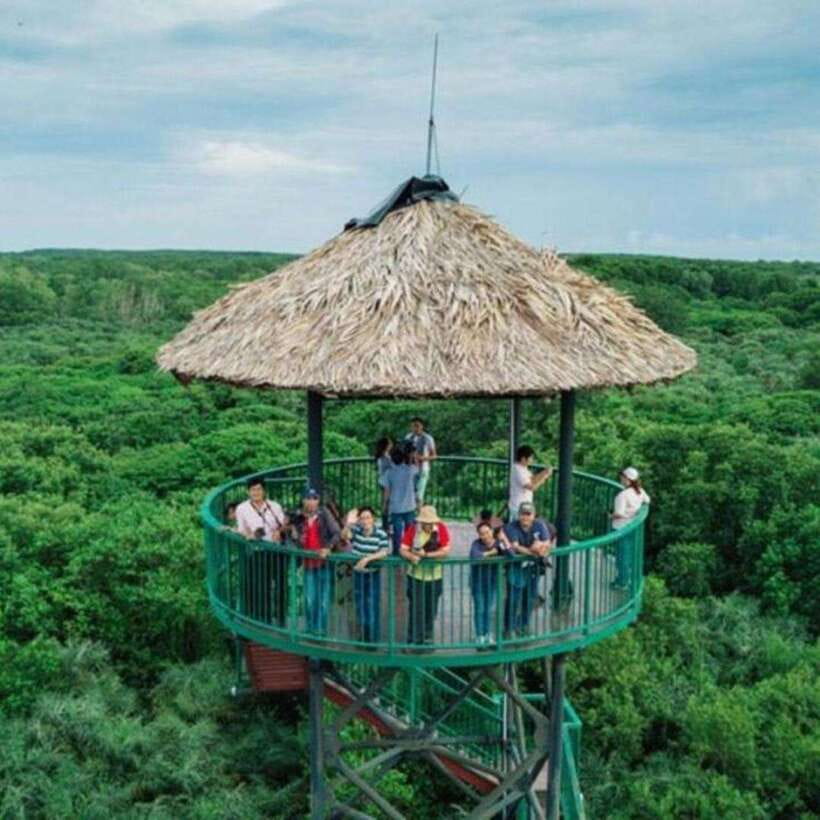
- Monkey Island feeding rules: listen closely and keep items secured; monkeys can get curious fast.
- Crocodiles with war connections: you visit a crocodile conservation area tied to the American War era.
- Sac guerrilla camp in the jungle: the day shifts from animals to history with a meaningful guided walk.
- A lunch that actually hits: Vietnamese-style lunch is repeatedly described as a highlight.
- Fish market energy in Can Gio: the market stop adds everyday local life beyond the tourist sights.
- Resort downtime, optional swim: pool time is usually the safer bet than beach plans.
Getting to Can Gio from Ho Chi Minh City: timing and ride comfort
This is a full day that starts with a hotel pickup in central Ho Chi Minh City districts (including District 1, 3, 4, and 7 options). If your hotel sits outside the listed areas, there’s an extra 150,000 VND charge, so it’s worth confirming pick-up logistics early.
You’ll ride in an air-conditioned vehicle, then transfer by boat. One practical note: the pickup can be later than scheduled due to the late tide, but the itinerary itself stays the same. That means you shouldn’t panic if you’re waiting a bit longer at the start. Think of it as Vietnam’s geography setting the pace.
The day feels well paced on paper—about 1 hour for Monkey Island, time for lunch, and an hour or so built around Can Gio. In real life, it still works because the big “set pieces” (monkeys, crocodiles, Sac camp, market) are spaced out with breaks. Also, you’ll have enough downtime to reset your legs before you board again.
You can also read our reviews of more tours and experiences in Ho Chi Minh City.
Monkey Island in the mangroves: feeding monkeys without chaos
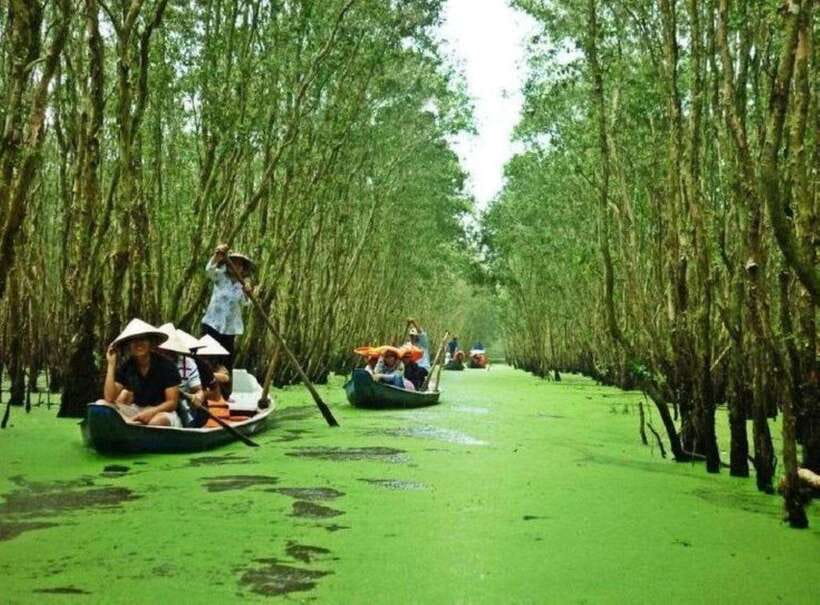
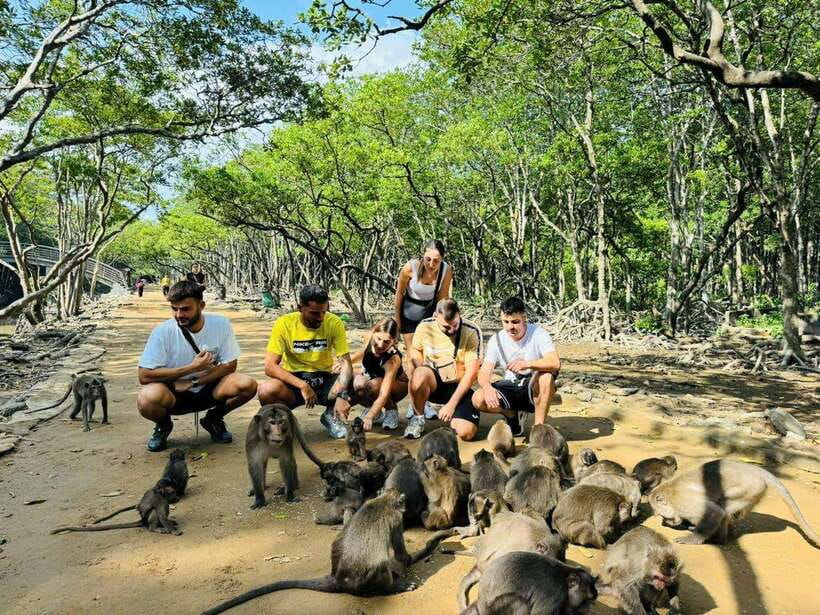
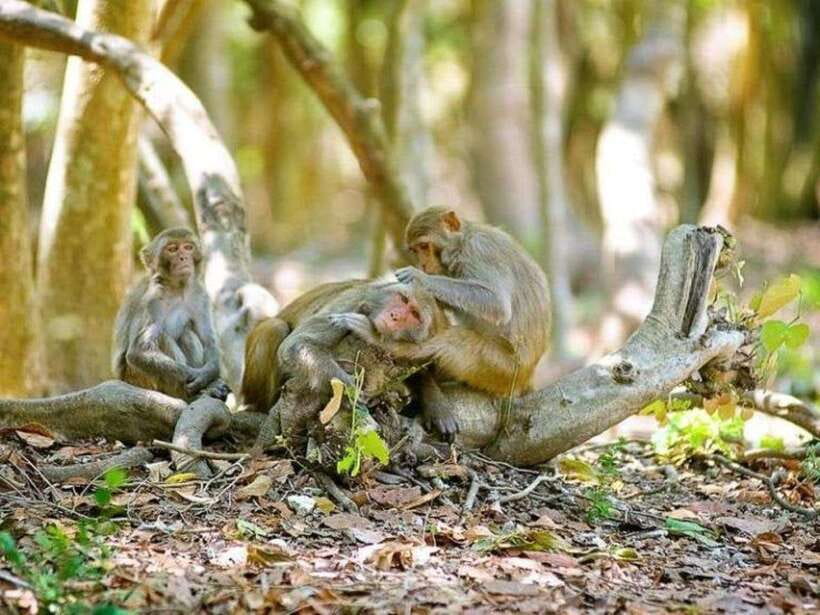
Monkey Island (Can Gio’s mangrove area) is the star of the show, and it’s easy to see why. You arrive, and the monkeys are already active—swinging and calling from the trees. If you like animal interactions, this is the part that delivers the most “wow” per minute.
What makes it work is the guidance. A guide named Tibiet shows up in reviews as especially good at managing the feeding session and advising where to stand and when to give certain monkeys space. Even if you don’t get the same guide, the pattern is similar: you’ll be told how close you should get, and how to handle the monkey food safely.
Here’s the key: monkeys can be gentle, but they’re still monkeys. Follow the rules like your phone depends on it. Practical tips that really matter:
- Wear comfortable shoes and keep your hands free.
- Avoid bringing things monkeys can grab—bags and backpacks are a bad idea if you can’t secure them.
- If you’re wearing sunglasses or a hat, expect attention. Some people have had their glasses taken quickly before the guide intervened.
One more detail from actual on-the-ground experience: don’t try to outsmart the session with extra personal items. Keep your stuff tucked away, and focus on what the guide is showing you. The payoff is better photos and less stress—plus more time enjoying the mangrove setting instead of managing surprises.
Crocodile conservation area: American War-era history meets local conservation
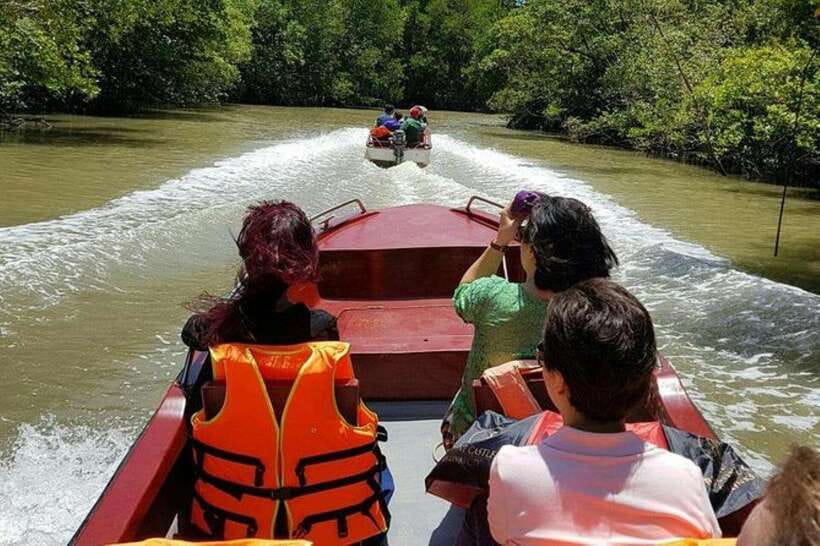
After Monkey Island, you head to the crocodile conservation area, with a short walk that sets the tone: this isn’t just sightseeing, it’s tied to Vietnam’s past and local conservation efforts.
The crocodiles here connect to the American War era. That’s the kind of detail that changes how you view the place. You’re looking at animals, yes—but you’re also hearing a story about how communities responded to wartime realities and what’s been protected since.
There’s also an optional thrill activity called crocodile fishing. The catch is simple: availability depends on the day. If it’s offered when you arrive, you can decide on the spot whether it’s worth the extra effort and fee. If it isn’t offered, don’t let it derail your mood. The sanctuary visit and the jungle-to-history shift still make the stop valuable.
As with the rest of the day, timing is guided. You’ll move on quickly from the conservation area by speedboat toward the jungle site. So you’re not stuck lingering in one place if the day runs warm or busy. That keeps the overall energy up and helps you avoid getting “tour fatigue.”
Heading into the jungle for the Sac guerrilla camp
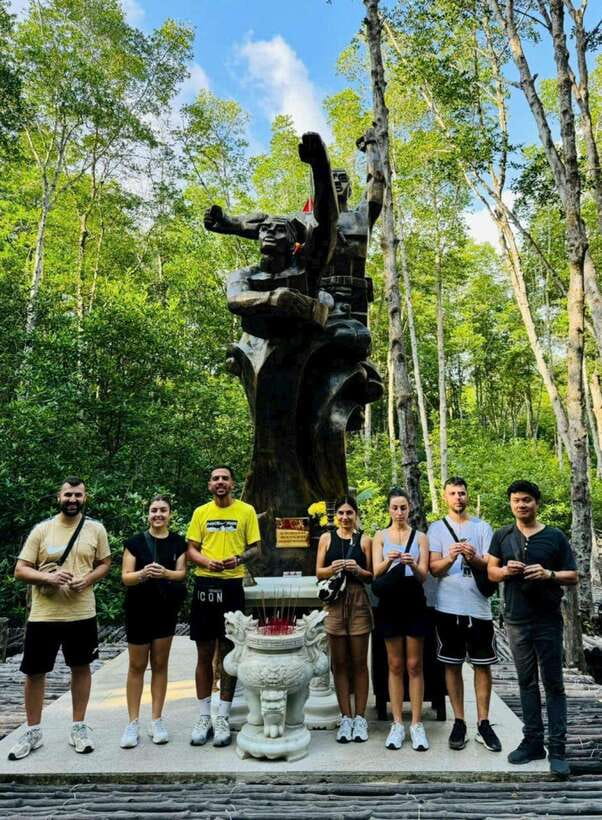
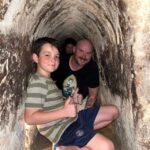
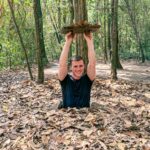
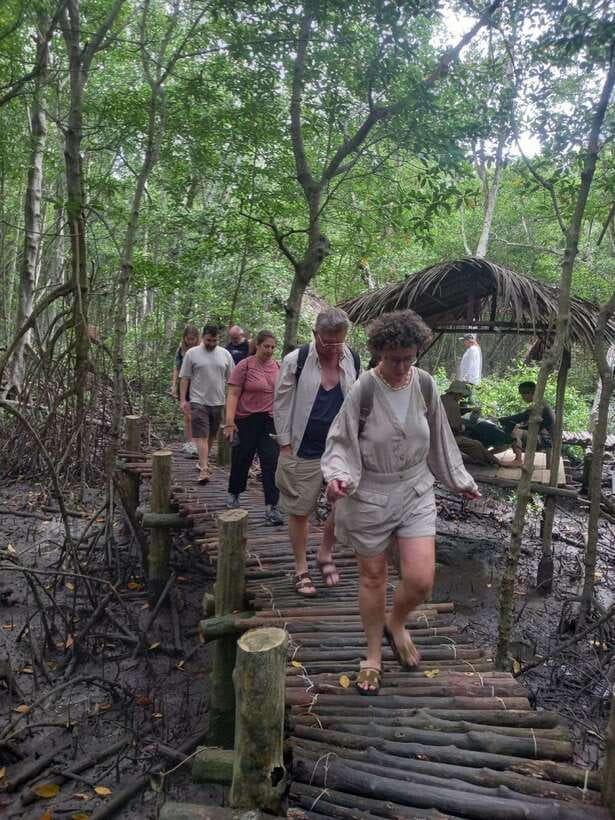
Then the day turns sharply from wildlife to history with a motorboat transfer into thick bush for the Sac guerrilla camp. This is one of those stops where the setting matters as much as the information. You’re walking through greenery and narrow paths while a guide explains what this place meant during the war.
The Sac base is described as a historically significant monument, and the visit is meant to give you a dramatic perspective on the struggles experienced by both troops and civilians. That phrasing matters because it frames the camp as more than a battlefield snapshot. It’s a reminder that war reshaped ordinary lives, not just strategy on a map.
You’ll also hear context about how people moved, hid, and survived under pressure. Even if you’re not a military history person, the emotional punch tends to land because the camp is remote and hard to reach—exactly what makes it “believable” as a wartime location.
One more practical angle: this is still a guided walk in jungle terrain, so comfortable clothes and shoes matter. Long days in Vietnam’s heat can wear you down, so it helps that the itinerary includes lunch and market time afterward.
Lunch: Vietnamese comfort food that gets high marks
After the Sac camp, you refuel with a Vietnamese-style lunch at a local restaurant. In multiple accounts, the food lands as a standout—described as beyond expectations and simply delicious.
This matters more than it sounds. Wildlife days can turn into snack days if the meal is weak. Here, lunch is included and positioned as a reset. That means you’re more likely to enjoy the rest of the schedule—especially the market walk—because you’re not fighting hunger and fatigue.
You’ll also have opportunities to keep things sensible with your pacing. If you’re the type who gets overwhelmed in busy markets, eating well beforehand helps. If you’re vegetarian or have special food requirements, you should tell the operator in advance so they can plan accordingly.
Can Gio fish market: real local rhythm, not just staged shopping
After lunch, you go to a busy fish market in Can Gio. This is a great contrast to the earlier stops. Instead of mangroves and war relics, you’re in everyday commerce: people sorting, selling, and moving between fresh catches and prepared seafood.
The market stop gives you a chance to see items that many visitors only recognize on menus. Fresh catches can include octopus, lobster, ray, and various seafood preparations. You’ll also see dried seafood specialties.
There’s a practical reason this stop feels worthwhile: it grounds the day in what Can Gio is like beyond the tour route. Even the time structure helps. You’re guided through the area, but you still get enough freedom to look around.
If you like taking photos, this is also one of the easier stops for pictures because it’s not “held hostage” by animal behavior. The market has motion on its own, so your photos don’t depend on whether a monkey decides to jump.
Can Gio Resort downtime: pool time, beach timing, and what’s realistic
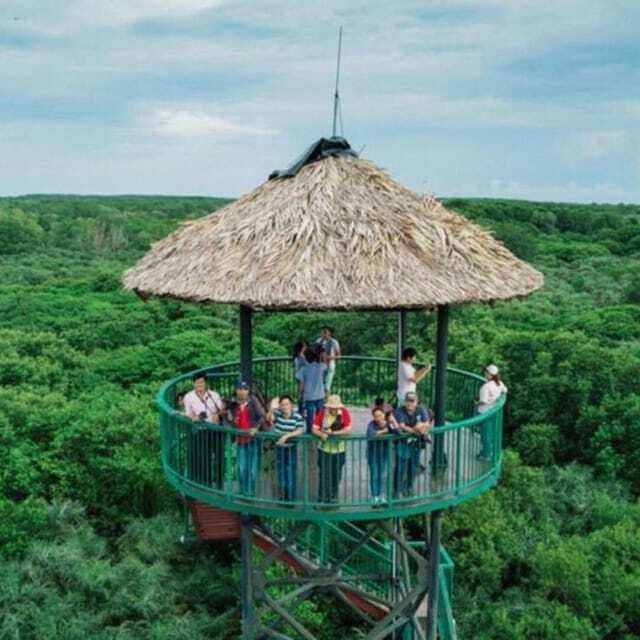
After the market, you may relax at Can Gio Resort, located near the market. Reviews suggest the pool is a safer plan than the beach when conditions change. The beach has sometimes been unavailable due to renovations, so don’t treat beach time as guaranteed.
Still, this downtime is useful. You’re coming off a jungle and market day, and a quiet reset helps you enjoy the end of the tour. If you’re feeling energetic, you can usually walk around the area near the resort or swim in the pool if it’s open.
One review described the resort and beach as meh, but paired that with praise for everything else. That tells you the correct expectation: the core value here isn’t the resort. It’s the wildlife, history, and local market access. The resort is a bonus to keep the day comfortable.
Price and value: what $44 really buys you
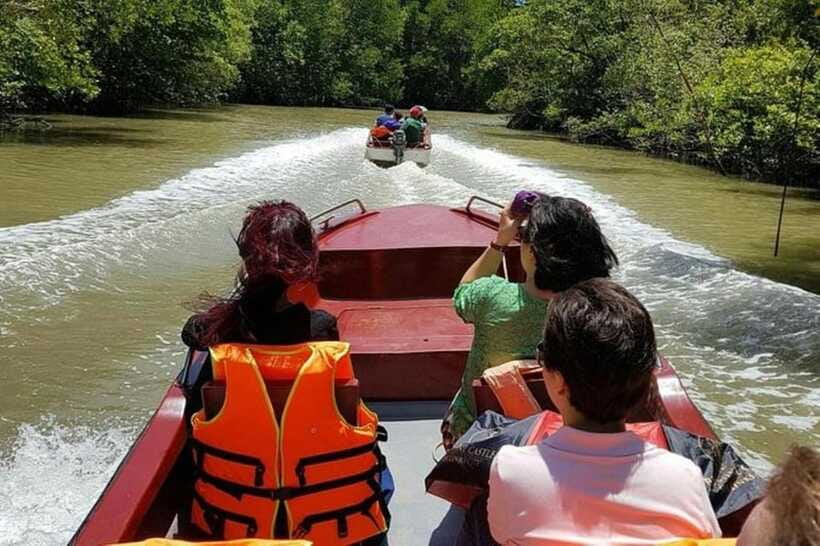
At about $44 per person, this day trip can feel like good value when you break down what’s included. You’re getting:
- Hotel pickup and drop-off in central districts
- Air-conditioned transportation
- Round ferry tickets
- Entrance fee for Monkey Island
- Monkey food for feeding
- Speedboat transport
- A Vietnamese-style lunch
- Water and sugarcane juice
That package is the difference between a “cheap zoo tour” and a true full-day loop. You’re not just paying for one attraction. You’re paying for a connected route: mangroves → crocodile conservation → Sac guerrilla camp → lunch → fish market → resort time.
What’s not included matters too. Optional activities like crocodile fishing (if available) can add cost. And beverages at the resort are not included. If you plan to do extra add-ons such as rides, budget for those as well since some activities can involve additional fees.
Also factor in small timing quirks. Public holidays can come with a 30% surcharge. That won’t happen on every day, but it can change the total value. If you’re traveling around major Vietnamese holidays, check the final price before you commit.
What to bring (and what to leave behind)
This day is outdoors, in sun, and around animals. Pack with practicality:
- Comfortable shoes
- Sunglasses and sunscreen
- A sun hat
- Comfortable clothes
Now the important animal-management part. Even if you’re excited, don’t show up with items that can be grabbed. Reviews strongly suggest leaving bags and anything snack-like out of monkey reach and following the guide’s instructions about what not to carry. If you wear glasses or a hat, you may get more attention than you bargained for.
Also remember the basics: no alcohol and no drugs. And note that there are rules about clothing around temples (shorts are not allowed in temples). This matters if your route includes any temple stops or areas with rules beyond the main sites.
Who this tour suits best (and who should skip it)
This is a great match if you want a full Vietnam flavor day: wildlife, local life, and history in one loop without planning bus transfers yourself. It’s also ideal if you like guided structure—especially for the Monkey Island part, where you really do get better results from listening and moving with the group.
It’s less suitable if you have altitude sickness concerns or mobility limits, because the day involves walking and transfers. The tour also lists age restrictions: it’s not suitable for people over 95, and not suitable for people over 70.
If you’re traveling with teens or adults who love animals but also want something meaningful beyond wildlife, this is a good blend. If you’re only there for a beach day, you might find the resort time too short or unpredictable.
And if your main goal is deep academic history, know that the Sac camp visit is guided and dramatic, but it’s still a day trip—so you’ll get insight, not a multi-day archive of details.
Should you book Can Gio Mangrove and Monkey Island?
I’d book this tour if you want a high-energy day that mixes animals and real stories. Monkey Island is the headline, but the Sac guerrilla camp and the crocodile conservation stop give the day weight, so it doesn’t feel like a single-theme attraction.
Skip it if you dislike crowds around animals, hate walking in heat, or expect the beach and resort to be the main event. Also skip or reconsider if your age or health situation doesn’t match the tour’s listed limits.
If you do book, go in with the right mindset: follow the guide’s safety advice, keep your items secure during feeding time, and treat the market and history stops as part of the full experience—not filler. Done that way, this $44 day can feel like a smart shortcut to seeing Can Gio in a single, memorable day.
FAQ
How long is the Can Gio Mangrove and Monkey Island tour?
It runs for 1 day.
What is included in the $44 price?
The tour includes an English-speaking guide, air-conditioned transportation, round ferry tickets, sugarcane juice and 1 bottle of water per person, entrance fees, monkey food for feeding, speedboat, Vietnamese-style lunch, plus hotel pickup and drop-off.
Is crocodile fishing included?
Crocodile fishing is optional and may or may not be available depending on the day.
Where do hotel pickups happen?
Pickup is included for hotels in central Ho Chi Minh City districts including District 1 and 4, and some hotels in District 3 and District 7. If your hotel is outside these areas, an additional 150,000 VND charge applies.
What should I bring for the day?
Bring comfortable shoes, sunglasses, a sun hat, and sunscreen, plus comfortable clothes.
Is swimming or beach time guaranteed?
Swimming at the resort pool is an option. The beach is listed as optional, and it may be unavailable depending on renovations.
Are there any age or health limits?
The tour is not suitable for altitude sickness. It is also not suitable for people over 95 years old and not suitable for people over 70 years old.