REVIEW · HO CHI MINH CITY
Saigon Slum tour, Chillspots tour by scooter | Female driver
Book on Viator →Operated by CONNECT CULTURE CO.,LTD · Bookable on Viator
Two worlds, one fast scooter ride. You zip through Ho Chi Minh City on the back of a motorbike, then your guide sets the tone with real context about opportunity and inequality. I love the private guide pace, because it stays personal even when the streets get hectic.
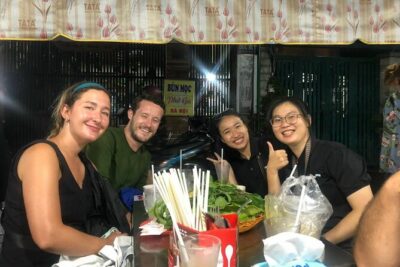
My second favorite is the charity food stall stop, where you can sample local flavors while learning how residents support each other. In many cases, guides like Peace and Anh keep the mood friendly and the explanations clear, even when the topic is hard.
The main drawback is that this can feel intense. You’ll see poverty up close, and the restaurant/attraction portion can change if something is closed or under maintenance, so keep your expectations flexible with a calm, respectful attitude.
In This Review
- Key things that make this tour work
- Why a scooter slum tour in Saigon works better than a bus
- The female-driver difference: helmets, control, and comfort
- That first luxury-street warm-up changes how you see things
- Cruising into impoverished districts: what you’ll actually notice
- Walking sections and community conversations: staying respectful
- Charity food stall flavors: tasting local life with context
- Old Saigon coffee time: the calm landing after intense streets
- Price and time: what $5 really covers, and when it feels like a steal
- Practical tips: how to ride, what to pack, and where you’ll end up
- Who should book this, and who should consider the Chillspots option
- Should you book the Saigon Slum tour with a female driver?
- FAQ
- How long is the Saigon Slum tour?
- Is hotel pickup and drop-off included?
- Do I get a helmet and what’s the scooter experience like?
- Is coffee or food included?
- Can the tour adjust for allergies or dietary rules?
- What’s the cancellation window?
Key things that make this tour work
- Female-driver comfort: a smooth, controlled ride through narrow lanes while you stay safe behind the driver
- Contrast right away: a quick look at luxury streets before heading toward the poorer areas
- Stories you can actually use: explanations about daily life and how the city is changing
- Charity food stop: a chance to taste local snacks with context, not just a photo stop
- Hotel-to-central-area drop-off: convenient ending near landmarks like Ben Thanh Market, City Hall, and the Opera House
Why a scooter slum tour in Saigon works better than a bus
Saigon is one of those cities where “seeing” is not the same as “understanding.” A scooter tour is a smart way to get your bearings fast. You move with the rhythm of traffic, slip through tighter streets, and notice the details you’d miss if you were stuck behind glass.
What makes this experience valuable is the contrast structure. You’re not only dropped into a dramatic scene. You’re guided through the side-by-side reality of Saigon—commercial, modern, and built-up in one breath, then overcrowded and struggling in the next. That sequencing helps your brain connect what you’re seeing to what the city is doing right now.
Also, you get a private setup, so the guide can adjust the pace to your group. If you want to ask questions, you’re not competing with a tour microphone. If you need a slower moment after an emotional street, the tour can flex.
You can also read our reviews of more tours and experiences in Ho Chi Minh City


The female-driver difference: helmets, control, and comfort
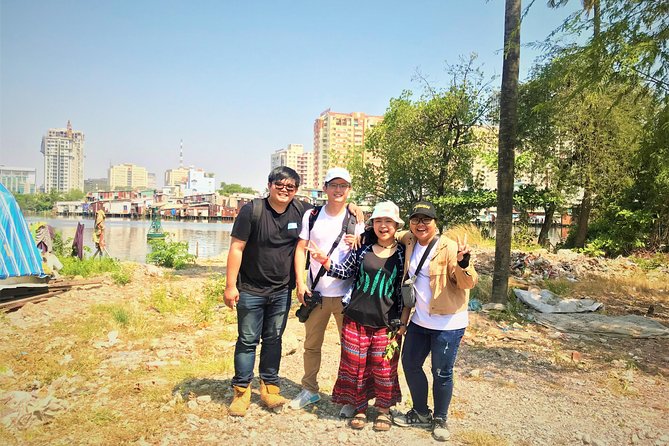
If you’re choosing the female-driver version, you’re aiming for a calmer riding style and a more comfortable vibe—especially if you’re not used to motorbikes. The tour includes a helmet, and your driver’s job is to handle the traffic flow while keeping you stable on the back.
In the feedback I’ve seen, guests repeatedly mention that the riding feels steady and safe—tight streets, quick turns, and everyday Saigon movement without panic. That matters because you’re not just sightseeing from a seat. You’re watching life unfold at close range, and you want your body to feel secure enough to pay attention.
Practical tip: wear something you can sit comfortably in for the duration. Even with careful riding, the experience involves motion. And since the tour takes place on busy roads, keep your arms and hands relaxed so you don’t tense up for every turn.
That first luxury-street warm-up changes how you see things
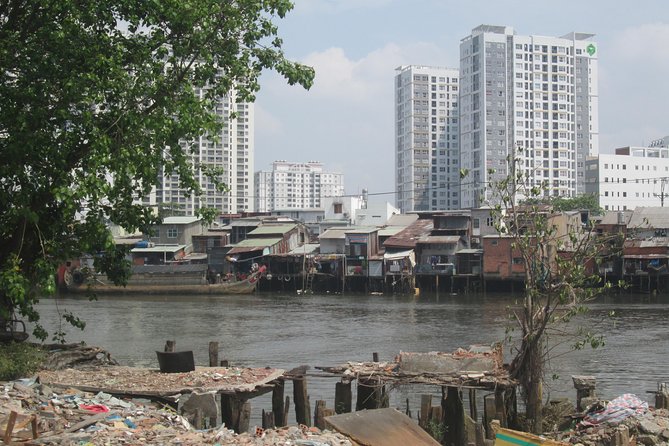
The day starts with a brief look at a more luxurious part of Ho Chi Minh City—big buildings, nicer restaurants, hotels, and bars. It’s only about 15 minutes, but it does something useful: it resets your expectations.
When you start on the glossier side first, the later contrast hits harder in a way that feels logical, not random. It stops the slum part from feeling like a “shock stop” and turns it into a city story—how neighborhoods sit next to each other, how opportunity and resources are distributed, and how the skyline and the alley life can coexist within the same urban system.
A small caution: if you’re sensitive to inequality or tend to get overwhelmed easily, take a breath at this stage. The point is contrast and context, not spectacle.
Cruising into impoverished districts: what you’ll actually notice
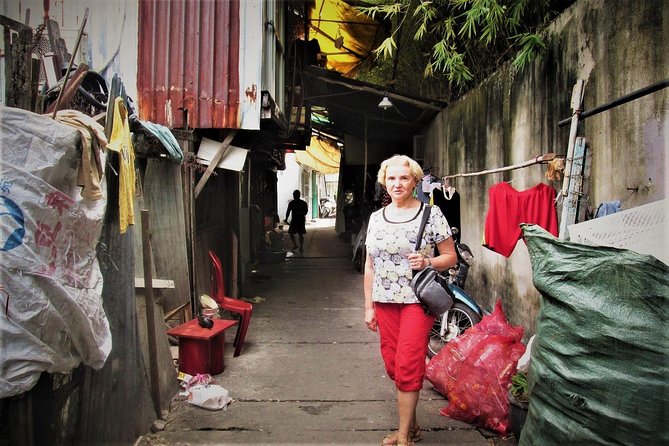
Once you head into the poorer areas, the focus shifts from landmarks to daily details. Narrow lanes, crowded spaces, and the everyday rhythm of ordinary life become the main show. You’ll spend time moving through several impoverished zones, and part of the experience is understanding that slum life isn’t a single scene. It’s levels—different degrees of hardship, different ways people organize their homes and routines.
This is where the motorbike ride earns its keep. You can cover more ground without losing the sense of immediacy. You’re close enough to notice how people go about their day, yet you’re guided in a way that avoids turning it into a circus.
What I like about this setup is that you’re not just staring. Your guide helps you “read” what you’re seeing—history, local life patterns, and even references to district-level changes and government plans. That kind of explanation can make the experience feel more grounded and less like a one-time photo moment.
Walking sections and community conversations: staying respectful
Even with scooters as the backbone, the intimate parts often involve short walking through smaller lanes. This is the moment you get a closer look at daily life and where you may meet people or observe routines directly.
That’s also the moment where you should slow down and act like a guest, not a consumer of someone else’s hardship. Keep your camera use gentle and brief. Don’t crowd individuals or families. If your guide talks with locals, stand back and listen.
From the guides’ style described in the experience, they tend to balance friendliness with care—being entertaining without being intrusive. Names that come up often include Peace and Anh, along with guide teams like Anh and her crew, as well as other guides such as Cuong, Vincent, Huy, Logan, and others depending on your date. The consistent theme is that you’re shown things with explanation, not just dropped into a scene.
If you want the most meaningful experience, ask questions that focus on life and community structure. If you’re unsure what to say, your guide will usually help you frame it.
You can also read our reviews of more tours and experiences in Ho Chi Minh City






Charity food stall flavors: tasting local life with context
One of the most praised parts is the stop at a charity food stall. This is not a “check the box” snack break. It’s a chance to try local cuisine while seeing a system of care in action—how people create support networks right where they live.
The tour also includes coffee and/or tea, and in the full-service version you may have food and drinks included during the day. That matters for value: you’re not paying extra for your basic refreshment needs while also getting a cultural context stop.
How to make this stop work well for you:
- Go in hungry and curious, but don’t feel pressured to eat everything.
- If you have allergy or religious/dietary needs, tell your operator so they can make the tour flexible.
- Keep it respectful and simple. Thank the staff if you can, and focus on the food and the story you’re hearing.
Old Saigon coffee time: the calm landing after intense streets
After the more emotional parts of the route, many versions of the tour end with a coffee or café moment to reset. In some cases, guests mention a stop at an older Saigon café—around an 80-year-old spot—after finishing the sightseeing portions.
This landing time is more than a comfort break. It gives your brain a place to process. The contrast of the day can sit heavy, and coffee helps you come back to yourself while still staying in “local mode,” not hopping back into a generic souvenir shop.
Because the exact restaurant or café could be closed or under maintenance, you might find a slight variation. But the intent usually stays the same: a slower, more relaxed end point.
Price and time: what $5 really covers, and when it feels like a steal
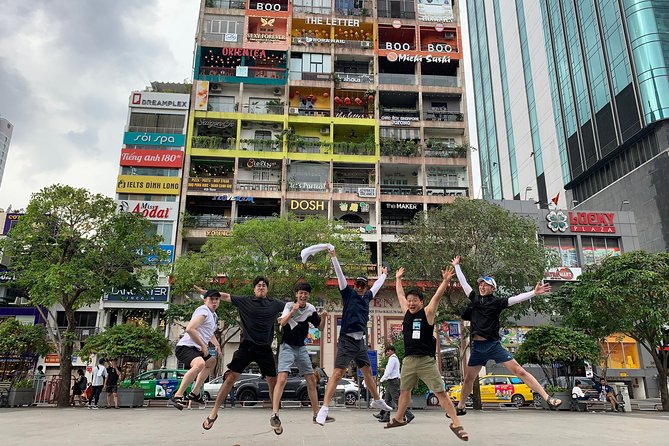
Let’s talk about the number first: the price listed is $5 per person, and the experience runs about 2 to 4 hours. That’s an unusually low figure for a private scooter-based tour with hotel pickup, helmet use, and a guide-led program.
Here’s why it can still make sense. The tour is built to be direct and efficient: short stops, clear direction, and time spent where it matters—on the street and with local guidance. You’re not paying for a long bus ride to distant suburbs. You’re paying for access: a driver who can navigate traffic, and a guide who can explain what you’re seeing in a way that connects the city’s contrasts.
There’s also a full-service vs budget setup idea: for the slum tour, one option includes the tour guide and food/drink during the experience. Another more budget-friendly approach is arranging the driver only, with basic English, so you still get the ride but less guided interpretation.
If you want the most value from the $5 price, I’d choose the option that includes the full guide component—especially if you’re new to Saigon. The explanation is what turns photos into understanding.
Practical tips: how to ride, what to pack, and where you’ll end up
This tour includes hotel pickup and drop-off, plus a helmet and coffee/tea. There’s also a convenient ending near central spots such as City Hall, Ben Thanh Market, Saigon Square, the Pink Church, the Opera House, and even the Coffee Apartment area.
Packing and comfort:
- Leave valuables at your hotel. The guidance is clear on that.
- Wear closed-toe shoes you can walk in briefly.
- Bring a light layer. If you get sweaty from movement, you’ll want to cool down before the ride ends.
Because you’re on motorbikes in busy traffic, don’t expect a “slow stroll.” This is a ride-through experience with tight stops. Your guide will manage it, but your body should be prepared for motion.
One more thing: the experience notes that you’re near public transportation. So even if your drop-off is slightly different than you expect, you can still connect easily from central areas.
Who should book this, and who should consider the Chillspots option
This slum tour is a strong fit if you:
- like grounded, street-level travel over only famous sights
- want a private, guided view of how Saigon really works
- can handle sensitive topics with respect and curiosity
It’s also a good choice if you’re comfortable asking questions. This experience performs best when you engage—when you want the city’s contrasts explained, not just seen.
If you prefer something lighter—more about popular local hangouts and recognizable sights—there’s also a Chillspots scooter option. It’s still a scooter tour, but it leans toward “local attraction” energy rather than poverty-focused context.
If you want only a ride without much interpretation, the driver-only budget approach exists. That can work, but you’ll likely miss the deeper storytelling and cultural context that makes the tour meaningful.
Should you book the Saigon Slum tour with a female driver?
Yes—if you’re the kind of traveler who values real perspective and respectful access. The biggest strength is the combination of private guidance and close-range street time, plus the charity food stop that adds human context instead of treating slum areas like a theme park.
I’d book it with the female-driver option if you want a smoother, more comfortable ride and a guided, caring atmosphere. Just be ready for intensity. You’ll see poverty up close, and that’s the point.
And if you’re the type who needs everything to be predictable, remember that the restaurant or attraction timing can vary if something is closed or under maintenance. Bring a flexible mindset, and you’ll get a much better day out of it.
FAQ
How long is the Saigon Slum tour?
It runs about 2 to 4 hours.
Is hotel pickup and drop-off included?
Yes. Hotel pickup and drop-off are included, with drop-off possible in central areas like City Hall and Ben Thanh Market.
Do I get a helmet and what’s the scooter experience like?
Yes, helmet use is included. You ride on a motorbike and, at points, you may also walk through narrow areas for a more intimate look.
Is coffee or food included?
Coffee and/or tea are included. For the full-service version, food and drinks on the tour may also be included, plus a charity food stall stop to sample local cuisine.
Can the tour adjust for allergies or dietary rules?
Yes. If you have allergies or religious/dietary needs or personal convenience concerns, you should let the operator know so they can make the tour more flexible.
What’s the cancellation window?
You can cancel for a full refund if you cancel at least 24 hours before the experience’s start time.