REVIEW · HO CHI MINH CITY
Ho Chi Minh: Local Cooking Class At Auntie’s Home
Book on GetYourGuide →Operated by LV Tours · Bookable on GetYourGuide
That first turn into a back alley changes everything. This Ho Chi Minh class takes you out of the center and into District 6, where you walk with locals, shop at a wet market, and cook Vietnamese dishes in a real home with Auntie Tu’s step-by-step guidance. I especially like the mix of street-level everyday life plus hands-on technique, and the way the food lesson starts with shopping like locals do. One drawback: the experience is not set up for wheelchair users, and you’ll be walking on uneven, crowded paths.
Food here isn’t just the final product. You learn how Vietnamese meals are built—pepper, garlic, sour broth, and the timing that turns ingredients into dinner—then you eat what you make in the neighborhood kitchen. The group can also involve scooter rides in smaller parties, so it’s not ideal if you dislike traffic or prefer to avoid motorcycles. If you come prepared with covered shoes and sunscreen, you’ll enjoy the full arc.
In This Review
- Key takeaways before you go
- District 6 back alleys and Bình Tây Market: out of the tourist lane
- What I like about starting this way
- The only caution
- How ingredient shopping works here (and why the Vietnamese language helps)
- Wear the right footwear
- Auntie Tu’s home kitchen: hands-on cooking, small-group feel
- What makes Auntie Tu’s style different
- The “feels like home” factor
- The 4-hour flow: walking, shopping, cooking, then eating
- Transportation note: scooters may happen
- The menu: five dishes (meat option or vegetarian option)
- Why this menu is a smart learning set
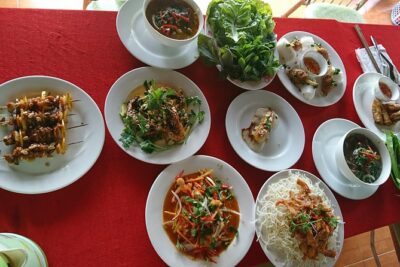
- Your food at the end
- Price and what you really get for $56
- Who should book this cooking class, and who might skip it
- What to bring
- Should you book Auntie Tu’s cooking class?
- FAQ
- How long is the cooking class?
- Where does pickup happen in Ho Chi Minh City?
- What happens at Bình Tây Market?
- What dishes will I cook?
- Is there a vegetarian option?
- Do I need to speak Vietnamese?
- What’s included in the price?
- Are there any rules about food or drinks?
- What should I bring?
Key takeaways before you go
- District 6 back alleys and Bình Tây Market: a real-feel day that starts with daily life, not a staged showroom.
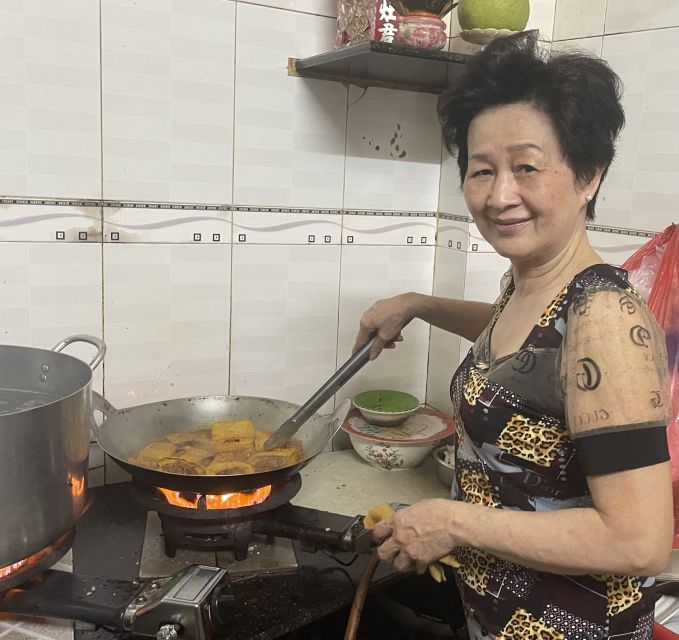
- Auntie Tu teaches in her own home: cooking instruction happens where a Vietnamese family runs a kitchen.
- Five-dish menu, meat or vegetarian: you’ll work through a set plan, not a random buffet of recipes.
- English guidance with real translation support: English-speaking guides like Bao or Kevin explain while the cooking host focuses on technique.
- You shop for ingredients: the class begins with what you buy, not just what you cook.
- Comfort items matter: the route includes sun exposure and market walking, so sunscreen and good shoes pay off.
District 6 back alleys and Bình Tây Market: out of the tourist lane
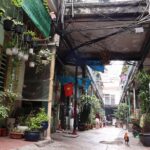
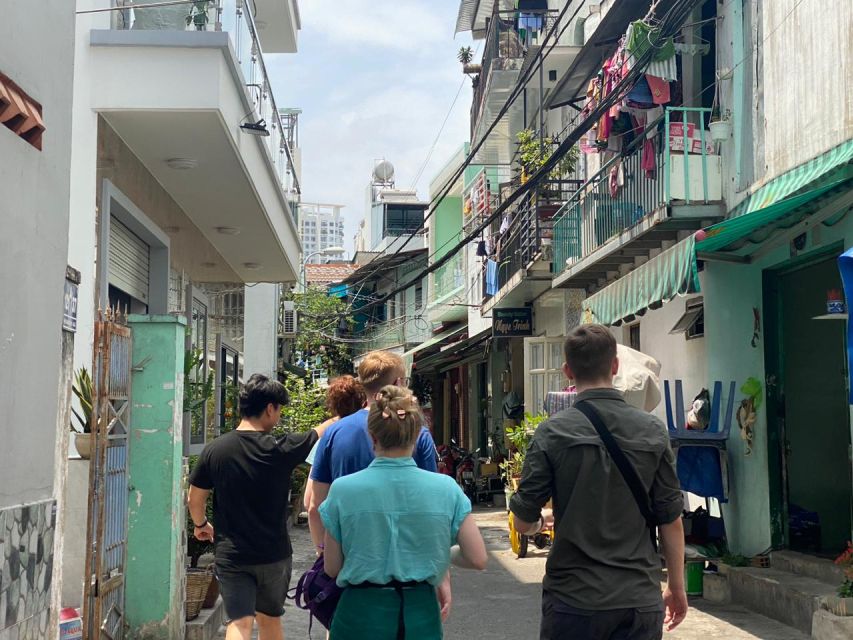
This experience is built on one simple idea: your cooking lesson starts with the place Vietnamese people actually live and eat. After pickup from central districts (District 5, 4, 1, or 3), you head to District 6, and the day shifts into small streets and side lanes where daily routines move fast. You’ll be walking through tight back alleys where you’ll notice how locals shop, talk, and pass time—no padded performance needed.
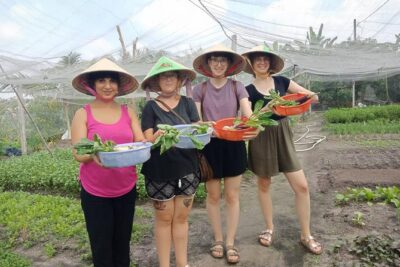
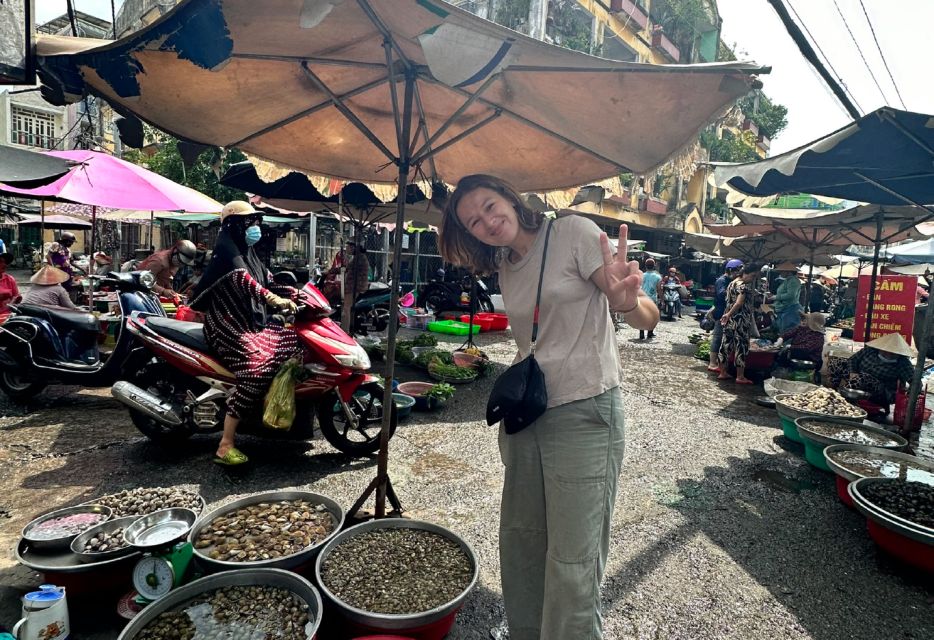
Then comes the market. Bình Tây Market is the moment the neighborhood energy becomes obvious: lots of movement, strong smells, and piles of produce that look nothing like the neat displays you see elsewhere. It’s crowded, but that’s the point. This is where you see how people pick ingredients for the meals they’re planning that day.
You can also read our reviews of more cooking classes in Ho Chi Minh City



What I like about starting this way
When a class includes the market and the neighborhood walk, the recipes make more sense. Ingredients aren’t just items on a list; they’re part of a grocery routine, a local rhythm, and a cooking style.
The only caution
Market walking can be tough if you have mobility limits or if you’re not comfortable in dense crowds. The route also includes sun time, so don’t count on shade.
How ingredient shopping works here (and why the Vietnamese language helps)
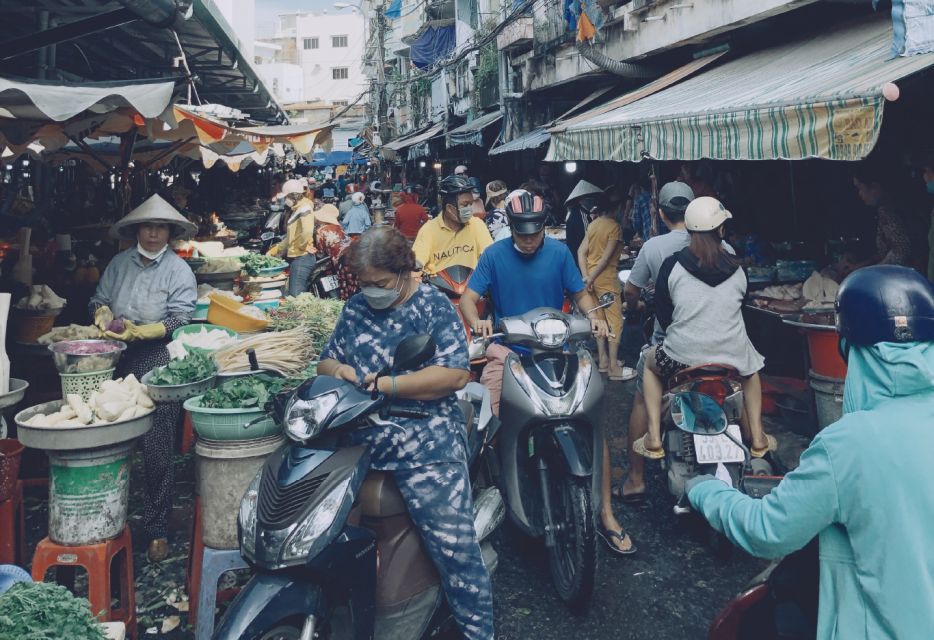
Before the cooking begins, you buy ingredients in the wet market. The tour is designed so you understand what grocery shopping looks like in Vietnam, not just how to pronounce menu items. You’re guided through what to select and why, and there’s support with Vietnamese so you can follow what’s being used and discussed.
This part also makes the class feel grounded. When you later cook peppery meat, garlic spinach, or sour soup, you’ll remember the ingredient choices you saw in the market. That mental link helps you replicate dishes at home, because you’re not trying to guess what went into the pot.
Wear the right footwear
One practical tip from real participants: wear covered shoes. Market floors can be slick or uneven, and you’ll walk enough that open sandals can feel like a bad decision by midday.
You can also read our reviews of more tours and experiences in Ho Chi Minh City

Auntie Tu’s home kitchen: hands-on cooking, small-group feel
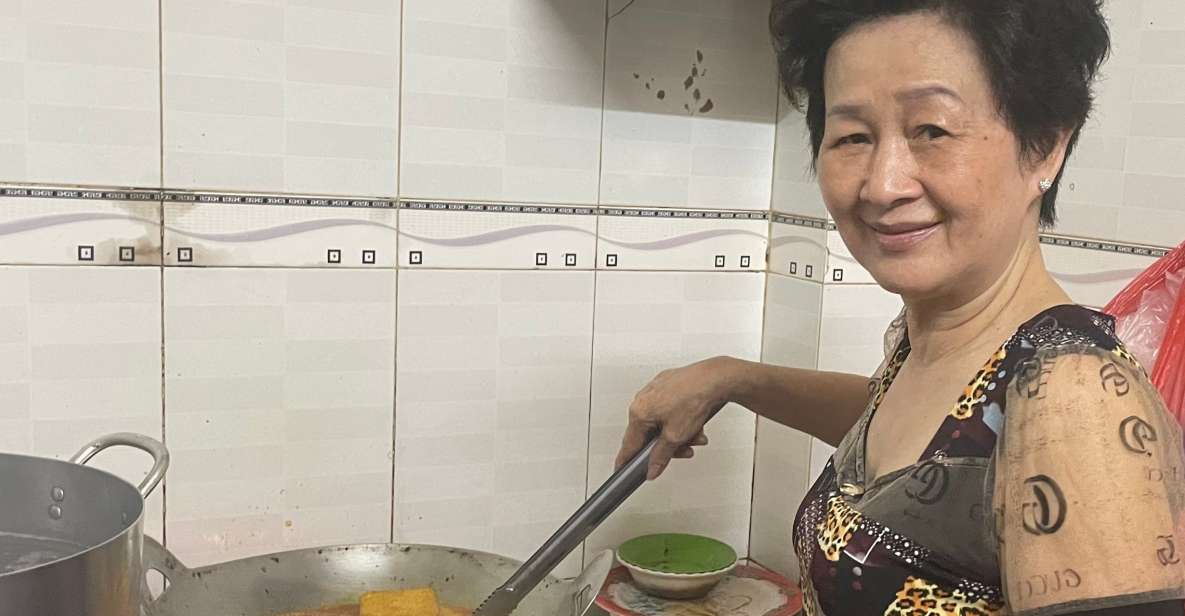
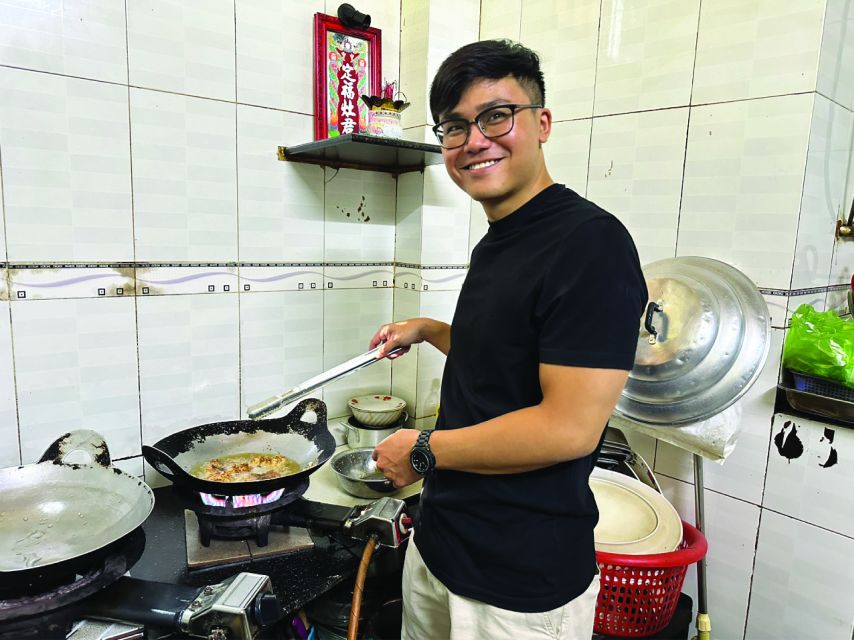
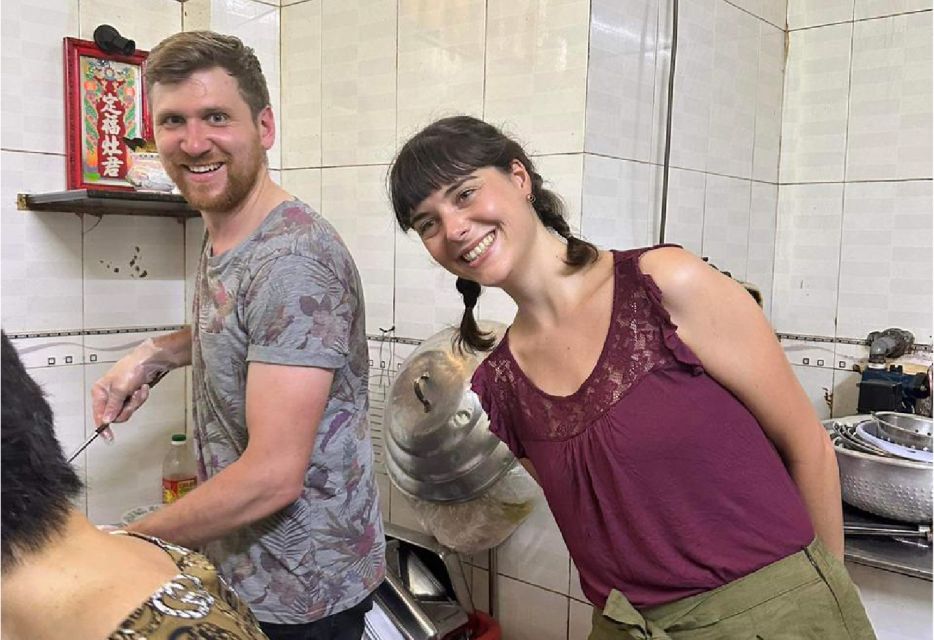
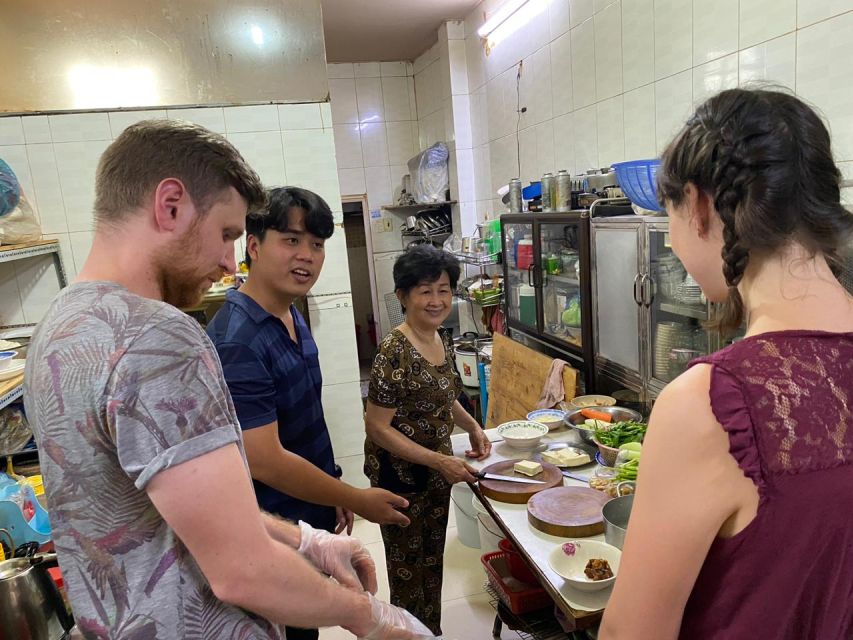
The cooking happens at Auntie Tu’s house. This is the heart of the experience: a real home kitchen with a cooking host who teaches step-by-step and shows how Vietnamese techniques work in practice.
I like that the instruction isn’t just watching from a distance. You’ll do a meaningful chunk of the prep and cooking, while your guide supports the English explanation. In many groups, the cooking host focuses on technique, and your English-speaking guide acts as translator—this matters because you get the why behind the steps, not just the what.
What makes Auntie Tu’s style different
From what’s shared by past groups, the host teaches like someone who cooks for family and neighbors, not like a show-person. You’ll learn methods that match how the dishes are actually made—timing, heat control, and layering flavors.
The “feels like home” factor
The experience is often described as a home-like visit rather than a demo. That relaxed tone makes it easier to ask questions and get help as you cook.
The 4-hour flow: walking, shopping, cooking, then eating
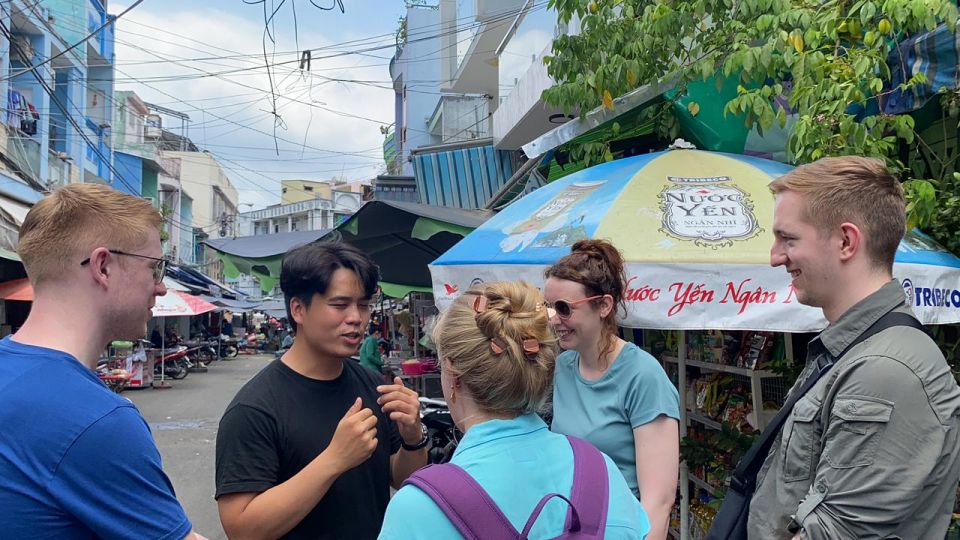
The whole day runs about four hours. It’s long enough to feel like a complete meal experience, but short enough that you’re not stuck in one place all afternoon.
A typical rhythm goes like this:
- You start with back alleys and neighborhood scenes.
- You reach Bình Tây Market for shopping and local snacks.
- You return to the home kitchen for the cooking lesson.
- You eat what you cook as lunch.
Some groups also note that the pickup and transport include a few different pickup areas, then later drop-off back in District 4, 5, 3, or 1. That helps you avoid long mid-day transfers.
Transportation note: scooters may happen
In smaller party sizes (like 1 or 2 people), there can be scooter riding with the guide as part of the start. If you don’t enjoy motorcycle traffic, tell the operator when you book. It can be thrilling for many people, but it’s still traffic.
The menu: five dishes (meat option or vegetarian option)
You’ll learn a set menu of five dishes, either the standard meat list or the vegetarian list.
Standard menu includes:
- Poached meat with pepper
- Fried egg with minced meat
- Fried red tilapia
- Sauteed garlic spinach
- Sour soup
Vegetarian menu includes:
- Stewed vegetables
- Fried salted tofu with lemongrass
- Fried egg with onion
- Sauteed garlic spinach
- Vegetarian sour soup
Why this menu is a smart learning set
This isn’t just one theme like rice dishes. It gives you practice with:
- quick frying (tilapia, tofu, egg dishes)
- fast savory seasoning (pepper and minced-meat egg)
- leafy cooking (garlic spinach)
- broth-based flavor building (sour soup)
If you want to recreate Vietnamese cooking later, that mix is more useful than a single style lesson. It trains your cooking sense across textures—crispy, tender, and soupy.
Your food at the end
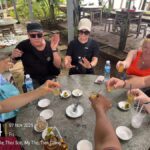
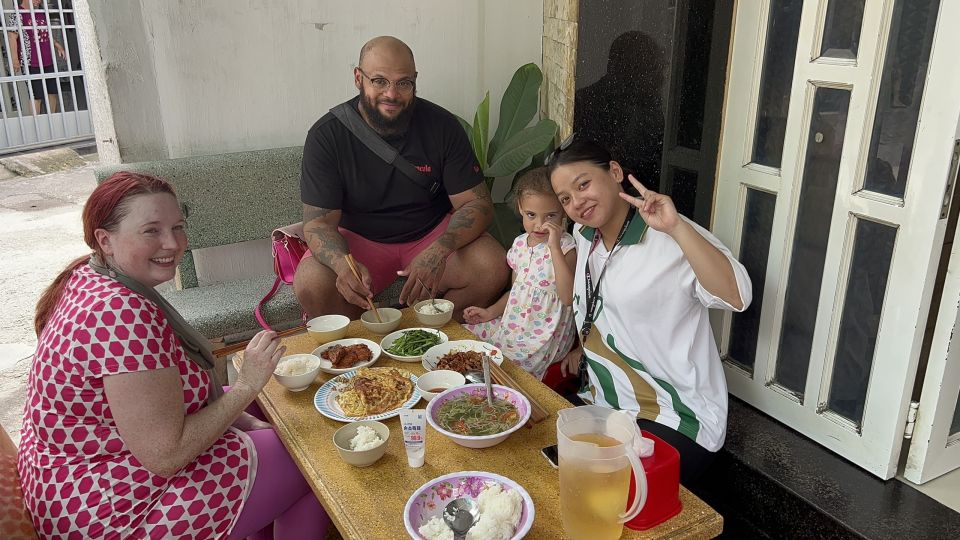
You’ll eat the dishes after cooking, so you’re not waiting until the end of the trip to taste what you learned. The lunch portion is a big part of the value here.
Price and what you really get for $56
$56 per person can look steep if you compare it to a casual market visit. But compare it to what’s included: local transport, an English-speaking guide, a cooking host, ingredients purchased at the market, and meals plus drinks during the experience.
You also get practical extras that add up:
- a conical hat for sun during market walking
- photos taken during the experience
- step-by-step technique instruction for multiple Vietnamese dishes
- a home-style setting, not a restaurant kitchen
For me, the value comes from the full package of market → kitchen → meal, all within one organized window. If you try to DIY this, you’ll spend time figuring out where to go, what to buy, and how to cook with confidence. Here, the structure does that work for you.
Who should book this cooking class, and who might skip it
This class fits best if you want everyday Vietnam, not just landmarks. It’s especially good for:
- food-focused travelers who like hands-on learning
- people who enjoy markets and don’t mind crowds
- couples or small groups who want a more personal pace
- anyone interested in Vietnamese cooking techniques they can repeat
It may not be the best fit if:
- you need wheelchair access
- you dislike scooter rides or busy traffic (if your group size triggers scooter transport)
- you want only minimal walking
What to bring
At minimum: sunglasses and sunscreen. Also, I strongly suggest covered shoes because market floors and alley paths can be rough on feet.
Should you book Auntie Tu’s cooking class?
If your goal is to understand Vietnamese food through real daily life, this is one of the better ways to spend four hours in Ho Chi Minh. The standout strength is that you don’t just cook; you shop, walk, and learn the reasons behind the steps.
Book it if you like markets, want an actual home-kitchen experience, and are comfortable with a bit of walking and sun. Skip it if your priorities are mostly air-conditioned sightseeing stops, or if scooter traffic and crowd density would stress you out.
FAQ
How long is the cooking class?
The experience lasts about 4 hours.
Where does pickup happen in Ho Chi Minh City?
Pickup options include District 5, District 4, District 1, and District 3.
What happens at Bình Tây Market?
You visit the market to see local grocery shopping, buy ingredients, and enjoy local snacks as part of the experience.
What dishes will I cook?
You’ll learn five dishes. The standard menu includes poached meat with pepper, fried egg with minced meat, fried red tilapia, sauteed garlic spinach, and sour soup. A vegetarian menu is also available.
Is there a vegetarian option?
Yes. The vegetarian menu includes stewed vegetables, fried salted tofu with lemongrass, fried egg with onion, sauteed garlic spinach, and vegetarian sour soup.
Do I need to speak Vietnamese?
No. The tour is offered in English, and an English-speaking guide handles explanations and translation support while the host teaches.
What’s included in the price?
Inclusions cover private transportation, food and drinks, an English-speaking tour guide, the cooking host, conical hat, photos, cooking techniques, and the Auntie Tu recipe.
Are there any rules about food or drinks?
Alcohol and drugs are not allowed.
What should I bring?
Bring sunglasses and sunscreen. Covered shoes are also a smart idea for market and alley walking.