REVIEW · HO CHI MINH CITY
Hands-on making 3 Iconic Coffees of South Central North Vietnam
Book on Viator →Operated by Quynh - Vietnam Coffee Journey · Bookable on Viator
Coffee here comes with a Vietnam lesson. In Ho Chi Minh City, Quynh turns a hands-on coffee class into a map of South, Central, and North Vietnam—you learn why each drink tastes the way it does, not just how to make it. You’ll also see a rare thing: he makes a wrong sample alongside yours so you can taste the difference and avoid the common mistakes.
What I love most is the story-first approach. He uses puzzles of history, culture, and regional habits to explain why Vietnamese coffee ended up where it is, stretching about 1,650 km in the country’s north-to-south shape. The second big win is the practical teaching: you get clear step-by-step guidance using the tools and ingredients on the table, including phin coffee technique coaching and taste adjustments for your own preferences.
One consideration: this is coffee-forward. Even though tea is available as part of the included drinks, the core experience revolves around classic coffee styles (condensed milk, salted cream, and egg coffee), so if you avoid coffee or dairy, you’ll want to plan accordingly. Also, the session is only about 1.5 hours—great for learning, but it won’t replace a full-city sightseeing day.
In This Review
- Key takeaways before you go
- Meeting Quynh in District 1: A small workshop with a friendly pace
- The 1.5-hour flow: history talk that actually leads to better coffee
- Phin coffee basics in your hands: right method, wrong method, then taste
- Saigon-style iced coffee with condensed milk: why it reflects South Vietnam
- Central Vietnam salted cream coffee: modern trend with clear ingredient logic
- Hanoi egg coffee: making a capital-style cup you’ll remember
- Why Quynh’s storytelling works (and not just for coffee people)
- The location and setup: easy to reach, simple to enjoy
- Price and value: what $21.69 buys you in real terms
- Who should book this workshop—and who should choose something else
- Should you book Vietnam Coffee Journey with Quynh?
- FAQ
- What is the duration of the Vietnamese coffee making workshop?
- How many people are in the group?
- What drinks will I make during the session?
- Are ingredients and equipment included?
- Is there a snack included?
- Where does the tour start?
- Do I need to print a ticket?
- How far in advance is this usually booked?
- What is the cancellation policy?
- Is the location accessible by public transportation?
Key takeaways before you go
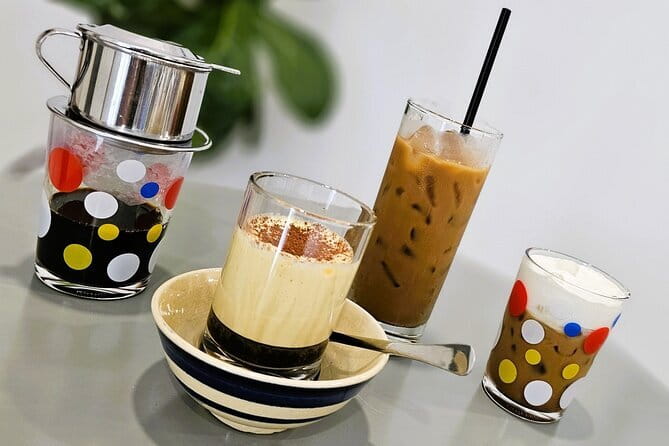
- A small group size (max 6) means you get real attention while you’re making the drinks.
- See the wrong vs right method for phin coffee, then taste the gap immediately.
- Four drinks included with ingredients and equipment ready, so you can focus on technique.
- Regional storytelling through coffee links South, Central, and North Vietnam to the drinks you pour.
- Cashews as a snack keep the workshop grounded in everyday Vietnamese treats.
- District 1 location makes it easy to fit into a day in Ho Chi Minh City.
Meeting Quynh in District 1: A small workshop with a friendly pace
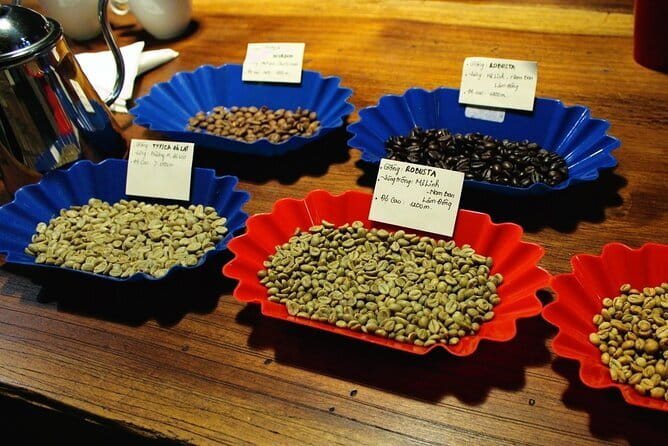
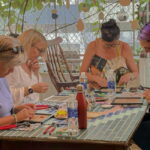
You start at 27 Ngô Đức Kế, Bến Nghé, Quận 1, a central spot that keeps this from feeling like a chore to reach. The class runs at a simple, workshop-style setup (think small tables, equipment laid out, and a “get to work” vibe). With a maximum of 6 travelers, it doesn’t feel crowded or rushed.
You’ll get a mobile ticket, and confirmation comes at booking. It’s also near public transportation, which matters in Ho Chi Minh City where traffic can turn even a short trip into a time game.
The practical tone is part of what makes the experience work. Quynh isn’t treating coffee like a museum piece. He’s treating it like something you can actually learn, fix, and enjoy—then take home as skills you can reuse.
You can also read our reviews of more tours and experiences in Ho Chi Minh City

The 1.5-hour flow: history talk that actually leads to better coffee

This is not a long lecture. The session is about 1 hour 30 minutes, and the pacing is built around making and tasting. You’ll get a brief background on Vietnamese coffee culture, but it’s tied directly to what you’ll be doing next.
A standout teaching method is that Quynh makes a wrong sample alongside the correct approach for the phin coffee process. That sounds small, but it’s huge for your learning. Instead of guessing what went wrong, you can taste it right away and understand the difference in a very concrete way.
You’ll also have time to follow his explanations and adjust your drink to your own mood and taste preferences. That matters because Vietnamese coffee isn’t one rigid recipe. The whole point is that you learn how to control what goes into the cup.
Phin coffee basics in your hands: right method, wrong method, then taste
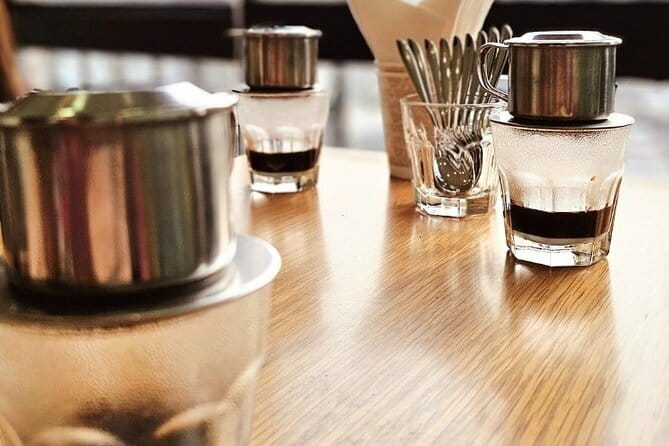
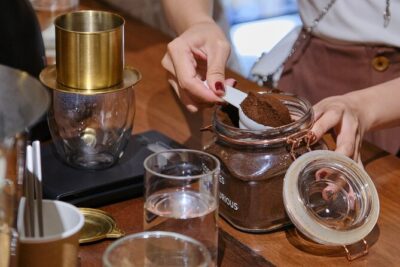
Before you jump into the famous variations, you’ll practice pure phin coffee with the right method. The phin is Vietnam’s iconic metal drip filter, and it’s the backbone of so many Vietnamese coffee styles.
Quynh teaches technique clearly, and the workshop structure helps you avoid the most common beginner mistakes. You’ll watch and then make your own, while he shows what happens when the method is off. The moment you taste both versions, it clicks: Vietnamese coffee is not just about ingredients. It’s about the process.
If you usually order coffee without thinking about why it tastes the way it does, this part changes that. You start noticing how small technique shifts can affect strength and flavor balance.
Saigon-style iced coffee with condensed milk: why it reflects South Vietnam
Next comes the most famous Vietnamese coffee style for many people: Vietnamese coffee with condensed milk. You’ll make it with stories and ingredient explanations, and the class connects the drink to Saigon/South Vietnam people.
What you learn here isn’t only what’s in the drink. You learn how the condensed milk approach fits a lifestyle and taste preference—sweet, smooth, and built for drinking in heat with comfort. Quynh’s explanations tie the coffee to the region’s history and everyday habits, so the recipe feels less random.
This is also where your taste adjustments start to matter. You’ll understand how to steer the final cup to match what you like, instead of just following instructions blindly.
For practical value: once you’ve made this one, you’ll have a baseline you can compare against the other styles. It’s like learning the alphabet before reading poetry.
Central Vietnam salted cream coffee: modern trend with clear ingredient logic
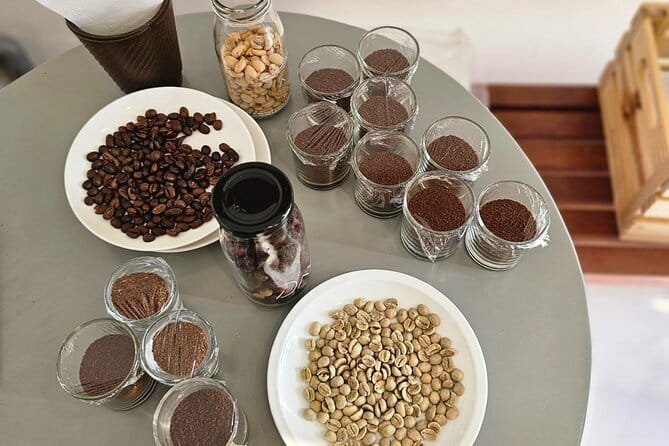
Then you move into salted cream coffee, a modern, Central Vietnam–linked drink. Quynh explains the tricks and the ingredients, and the whole point is that this isn’t just a trendy Instagram cup—it has a structure and flavor role.
Salted cream brings contrast: creamy sweetness plus a salty edge that changes how the coffee tastes. In a workshop like this, the best part is that you’re not left with a vague description like salty meets sweet. You’re shown how the combination works, so you understand what you’re tasting and why.
Central Vietnam is often described through its in-between position—neither the North’s capital flavor logic nor the South’s sweetness-first vibe. The coffee reflects that in a way you can actually detect with your spoon.

Hanoi egg coffee: making a capital-style cup you’ll remember
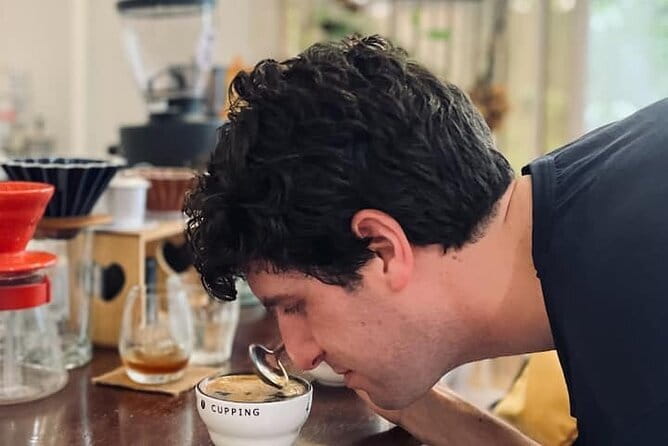
The finale is egg coffee, known from Hanoi. Quynh calls out how the characteristics of the capital show up in the drink, and the session treats egg coffee like something you can learn—not something only a specialist can pull off.
Egg coffee is unusual, which is exactly why it’s worth doing hands-on. You get to practice and understand the texture and flavor logic behind it, instead of treating it like a novelty. Once you’ve made it yourself, you’ll never look at it the same way again.
Also, the class structure helps: you’ve already tasted and compared other styles, so egg coffee lands with more context. It’s not just another recipe. It’s a contrast lesson.
Why Quynh’s storytelling works (and not just for coffee people)
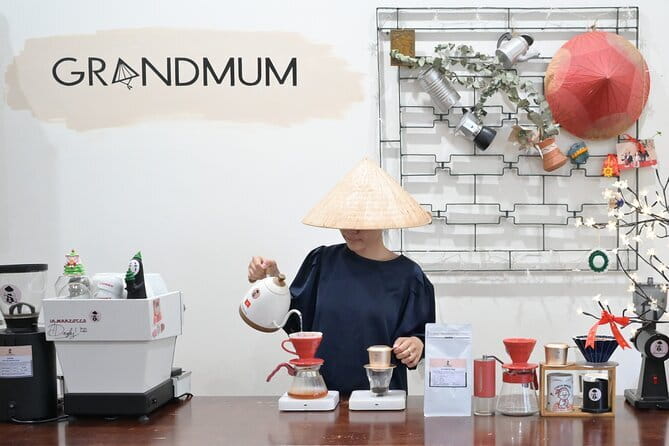
Quynh doesn’t teach coffee like a spreadsheet. He pieces together a picture of Vietnam using coffee as the “thread,” connecting regional history, situations, and preferences to what ends up in the cup. It’s basically geography-by-flavor.
His 16 years of F&B experience shows in how he explains things. The stories aren’t there to replace technique. They make the technique make sense. When he links a drink to South, Central, or North, you start tasting region shapes instead of just recognizing names.
One detail I especially like about this setup is that he doesn’t force one correct outcome for everyone. He gives you a way to adjust the coffee to your tastes and moods. That’s a practical way to teach. People taste differently. You should be able to adapt.
If you enjoy culture learning but hate when it turns into endless lectures, this is a sweet spot. You learn, then you apply, then you taste.
The location and setup: easy to reach, simple to enjoy
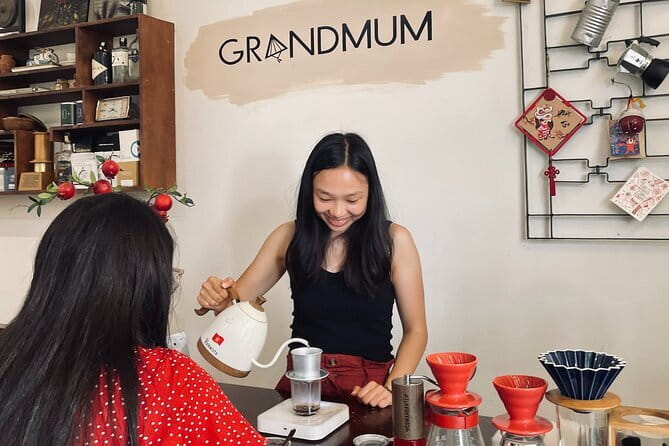
This class is in Quận 1, so it fits naturally into a Ho Chi Minh City itinerary. The workshop meets at street address level, and you head back to the same meeting point at the end.
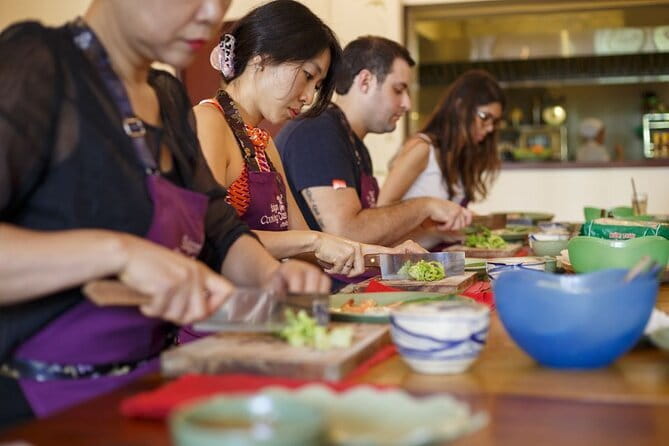
The environment is described as an attic workshop with accessories and tables laid out for the session. That kind of setup matters more than you might think. You aren’t fighting to find tools while your coffee is cooling or your phin setup is halfway done. The workflow is ready.
You’ll also have a snack component. Cashews are included, and that small extra helps you stay comfortable while you’re learning through multiple drink rounds.
Price and value: what $21.69 buys you in real terms
At $21.69 per person, this isn’t a “cheap coffee” deal. It’s also not a luxury splurge. The value comes from what’s included and how long you’re actively doing something.
You’re paying for:
- Hands-on making of 4 drinks, with ingredients and equipment ready
- The teaching + explanations for how to make and adjust each style
- Cashews as a snack
- A session length of about 1.5 hours in an intimate max 6 group
Because drinks and equipment are included, you’re not constantly wondering what else costs extra. You’re also not just tasting—your role is active.
One more value point: this is booked on average about 14 days in advance. If you’re planning last minute, you might still find space, but giving yourself some lead time is smart.
If you like to learn by doing, the price starts to feel fair very quickly. If you only want to sip and move on, it might feel like too much focus on making. Decide based on how you like to spend your time.
Who should book this workshop—and who should choose something else
You’ll love this if you’re:
- Curious about why Vietnamese coffee differs by region
- The kind of person who likes hands-on classes instead of tours where you mostly watch
- Happy to taste and compare, especially since Quynh shows you wrong vs right method
It might not be your best fit if:
- You avoid coffee or want almost no caffeine
- You don’t handle dairy well (condensed milk and egg coffee are major players here)
- You want a full-day city outing rather than a concentrated workshop
Good news: there’s an optional longer experience tied to coffee-themed city exploring, using an electric tuktuk across Ho Chi Minh City. If you want both skills and sights, pairing this with a longer coffee ride can make your day feel complete.
Should you book Vietnam Coffee Journey with Quynh?
If you want coffee education that’s practical, story-driven, and hands-on, book it. The biggest reasons are the small group size, the clear method coaching (including the wrong-sample comparison), and Quynh’s ability to link South, Central, and North Vietnam to what’s happening in your cup.
If you’re mainly interested in drinking fancy coffee with zero learning, you might find the workshop style a bit much. But if you like to understand what you’re tasting, this one is hard to beat for the time you spend.
My advice: go hungry for learning, not for snacks. You’ll leave with better coffee instincts and a fresh way to think about Vietnam that isn’t just a postcard.
FAQ
What is the duration of the Vietnamese coffee making workshop?
It lasts about 1 hour 30 minutes.
How many people are in the group?
The class has a maximum of 6 travelers.
What drinks will I make during the session?
You’ll make hands-on 4 coffee drinks, including phin coffee practice, condensed milk Vietnamese coffee, salted cream coffee, and Hanoi egg coffee.
Are ingredients and equipment included?
Yes. Coffee and/or tea, ingredients, and equipment are provided so you just come and make the drinks.
Is there a snack included?
Yes. Cashew nuts are included.
Where does the tour start?
It starts at 27 Ngô Đức Kế, Bến Nghé, Quận 1, Thành phố Hồ Chí Minh 70000, Vietnam.
Do I need to print a ticket?
No. You get a mobile ticket.
How far in advance is this usually booked?
On average, it’s booked about 14 days in advance.
What is the cancellation policy?
Free cancellation is available up to 24 hours before the experience starts for a full refund.
Is the location accessible by public transportation?
Yes, it’s near public transportation, and service animals are allowed.