REVIEW · HO CHI MINH CITY
Hands-On Vietnamese Cooking Lesson in Small Group
Book on GetYourGuide →Operated by Saigon Cooking Class · Bookable on GetYourGuide
Hands-on cooking beats watching from the sidelines. In District 1, you cook at your own spot with natural herbs and ingredients as an English-speaking chef shows you each step, then you sit down and eat what you made. I love the true hands-on format (you’re doing the work, not just filming it) and the take-home digital recipes so you can recreate the flavors later.
One possible drawback: this is a focused 3-hour morning, so the pacing can feel a bit quick, and some ingredients may be prepped in advance to keep things moving. If you want a super slow, super hands-on session where you prep every single ingredient from scratch, you might wish for more time.
In This Review
- Key things that make this Vietnamese cooking class worth your morning
- Entering District 1: finding the kitchen and the vibe
- What the 10am to 1pm schedule feels like in real life
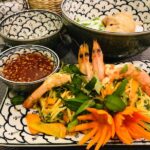
- Your three-course Vietnamese meal: what you might cook
- Step-by-step chef instruction at your own station
- Vietnamese kitchenware and natural ingredients: the practical lesson behind the food
- Dietary needs: vegetarian and allergy support when you plan ahead
- Drinks, timing, and how hungry you should be
- Taking Vietnamese flavor home: digital recipes that actually help
- Price and value: does $33 really add up?
- Who this Vietnamese cooking lesson suits best
- When you might want to choose something else
- Should you book this hands-on Vietnamese cooking class?
- FAQ
- How long is the cooking lesson?
- How much does it cost?
- What will I cook and eat?
- Is the class taught in English?
- Can the menu be adjusted for vegetarian or allergy needs?
- What do I get to take home?
- Where do I meet for the class?
- Is there free cancellation?
Key things that make this Vietnamese cooking class worth your morning
- Small-group coaching in English with chefs such as Viviane, Vy, Wan, Oanh, and Lei (names you may meet at the stove).
- Cook-and-eat structure: you make a multi-course meal and then enjoy it, rather than just tasting bites.
- Natural ingredients and herbs are part of the teaching, so you learn the why, not just the steps.
- Vietnamese kitchenware in action, so you pick up practical methods and tools you can recognize at home.
- Dietary flexibility when you give clear notes in advance for vegetarian or allergies.
- Digital recipe folder so your shopping list and instructions don’t vanish after the class.
Entering District 1: finding the kitchen and the vibe
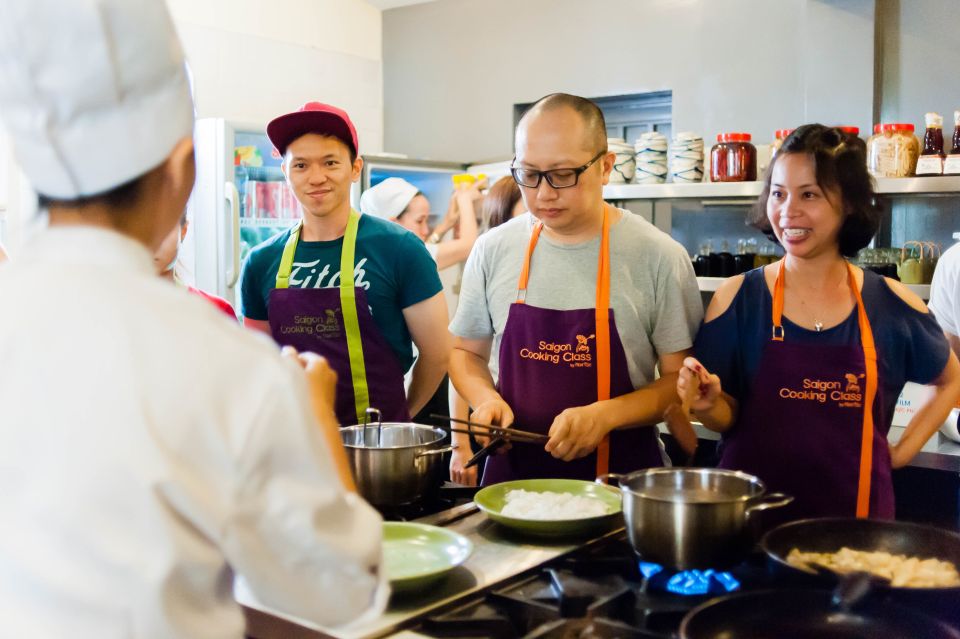
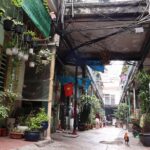
This class starts in Ho Chi Minh City’s District 1 area. Your meeting point is at 80 Nguyen Trai Street: take the small alley and look for the group to your left.
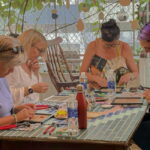
Once you’re inside, the atmosphere is warm and practical. The goal is simple: you should feel comfortable jumping in, asking questions, and cooking at your own station without the awkwardness that can happen in larger classes. A lot of the experience is about steady, step-by-step guidance from the chef and team, so you’re not guessing what to do next.
If you’re the type who likes to show up a few minutes early (and get your bearings fast), you’ll enjoy this part more. The location is walkable by many central hotels, but the alley approach is real, so don’t rely on a big roadside sign alone.
You can also read our reviews of more cooking classes in Ho Chi Minh City

What the 10am to 1pm schedule feels like in real life
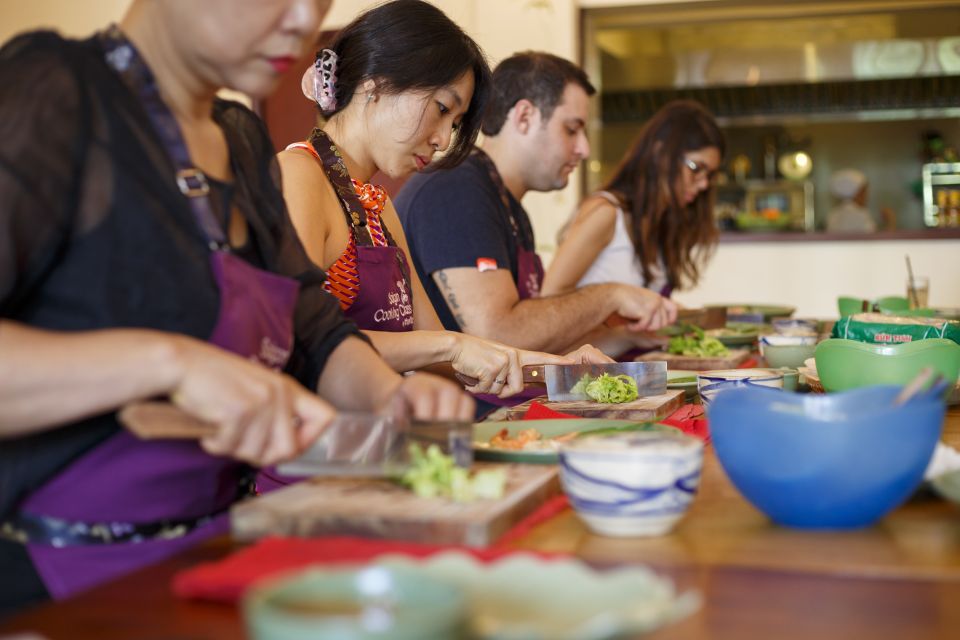
The class runs 10:00 am to 1:00 pm, which is a sweet spot for an experience that’s hands-on and food-centered. You’ll be cooking most of the time, then eating what you made as part of the program.
In practice, that timing matters. You’ll need to arrive ready to work with an appetite, because you’re not just learning techniques—you’re also eating three courses. It’s a morning activity that often replaces a casual lunch plan, since you’ll already have a full meal in your stomach by the end.
Also, because it’s only three hours, you won’t get weeks’ worth of theory dumped on you. What you do get is a focused lesson that helps you understand Vietnamese flavors and basic methods you can actually use again.
Your three-course Vietnamese meal: what you might cook
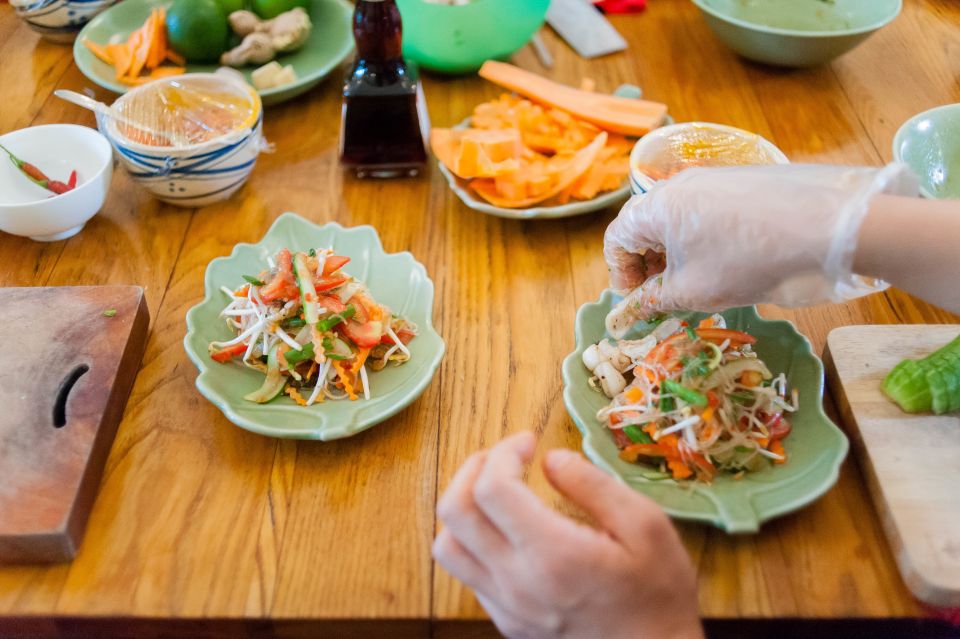
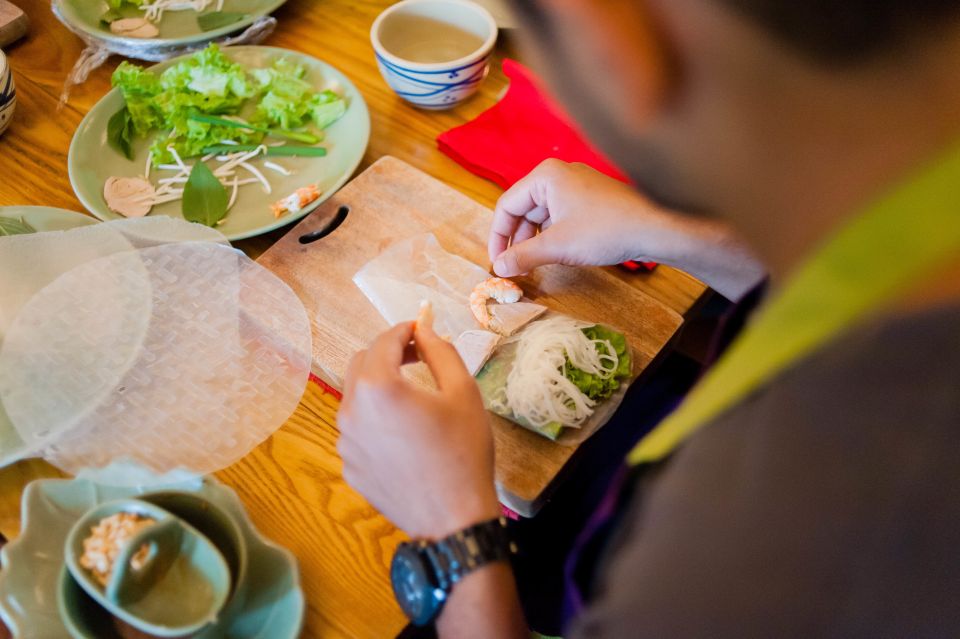
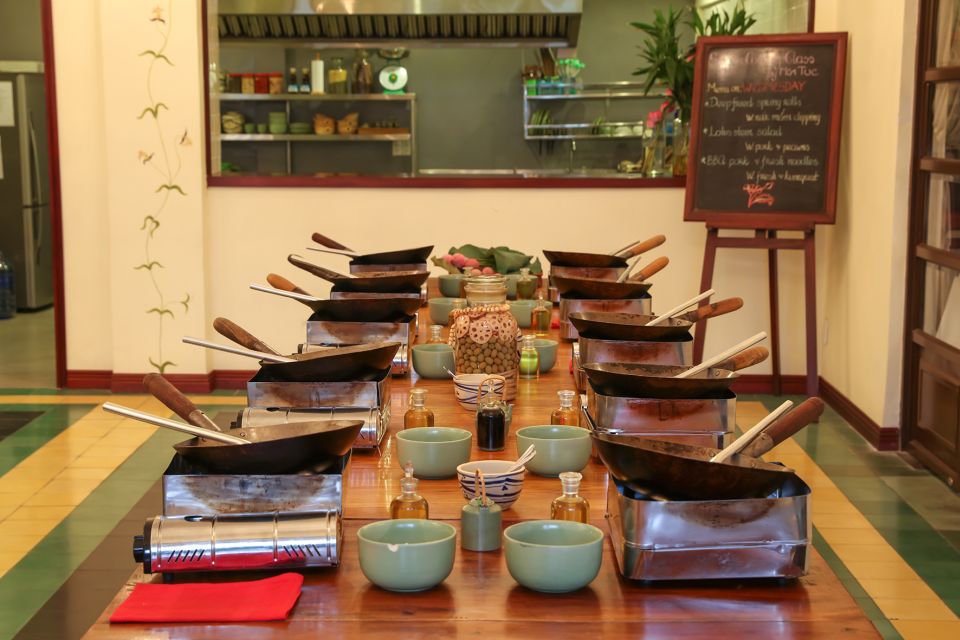
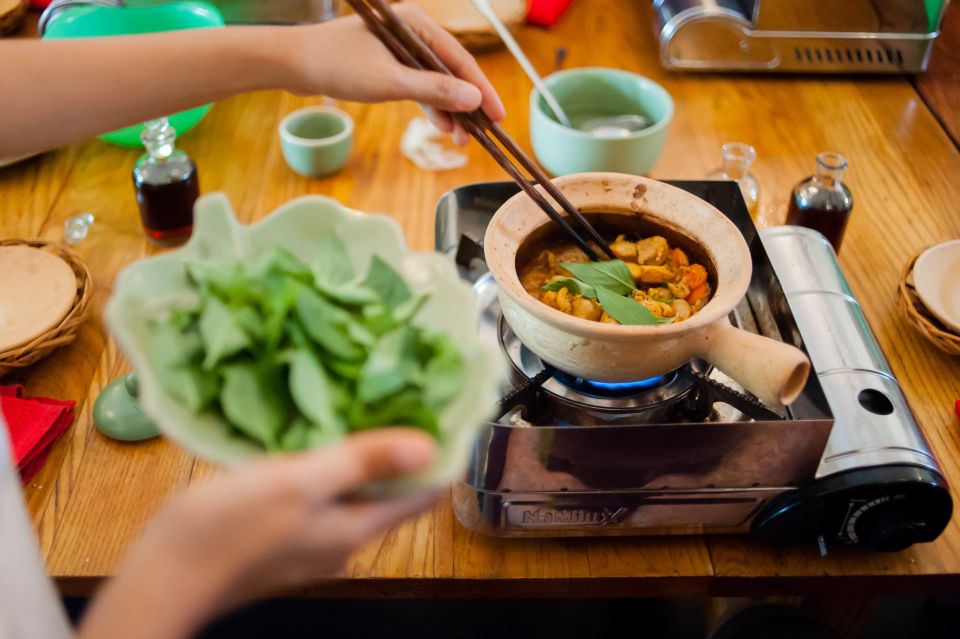
The core promise here is straightforward: you’ll create and taste a three-dish (three-course) meal during the session. You cook alongside the other participants, but each person has their own materials and ingredients so you can practice the techniques directly.
The exact menu can vary, but the kinds of dishes that show up in this cooking class category are very recognizable Vietnamese favorites. Based on the dishes described by past participants, you might see items such as:
- Spring rolls
- Pho
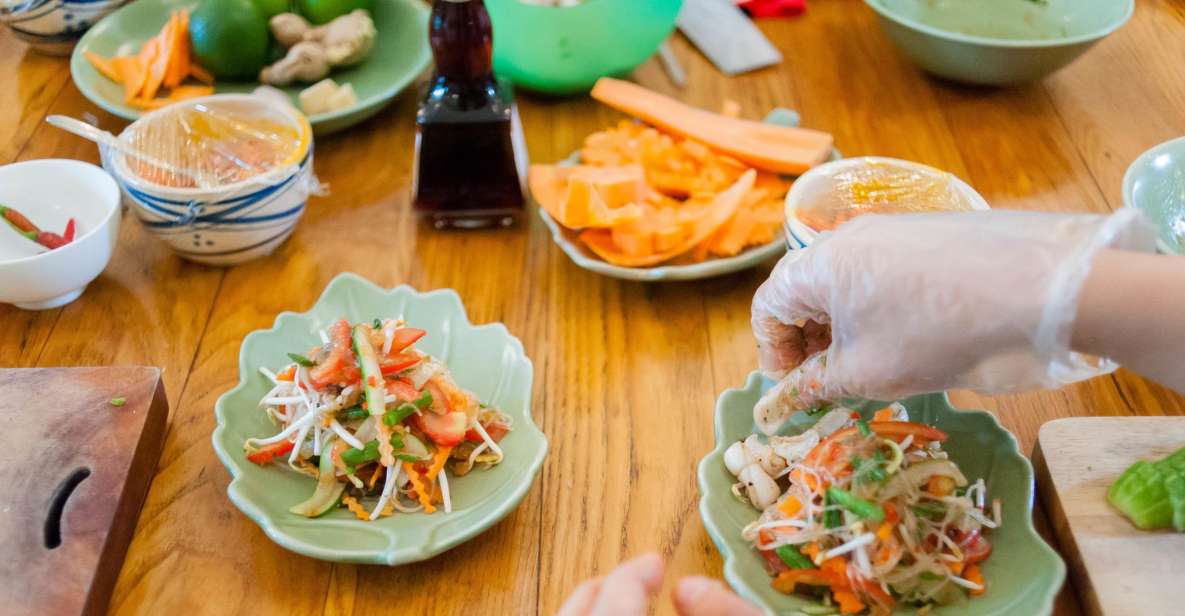
- Salads, including versions like mango salad
- Banh xeo (Vietnamese savory pancakes)
That variety is useful. Spring rolls teach folding and balance (not just stuffing), pho teaches handling aromatics and broth flavors, and salads show you how herbs, acidity, and sweetness work together. Even if your menu is different from these examples, the underlying teaching style stays the same: you learn through doing, then you taste your results right away.
And yes, it’s a meal, not a snack lesson. Past students consistently talk about eating everything they cook, which is exactly what you want if you’re choosing between a cooking class and a restaurant.
Step-by-step chef instruction at your own station
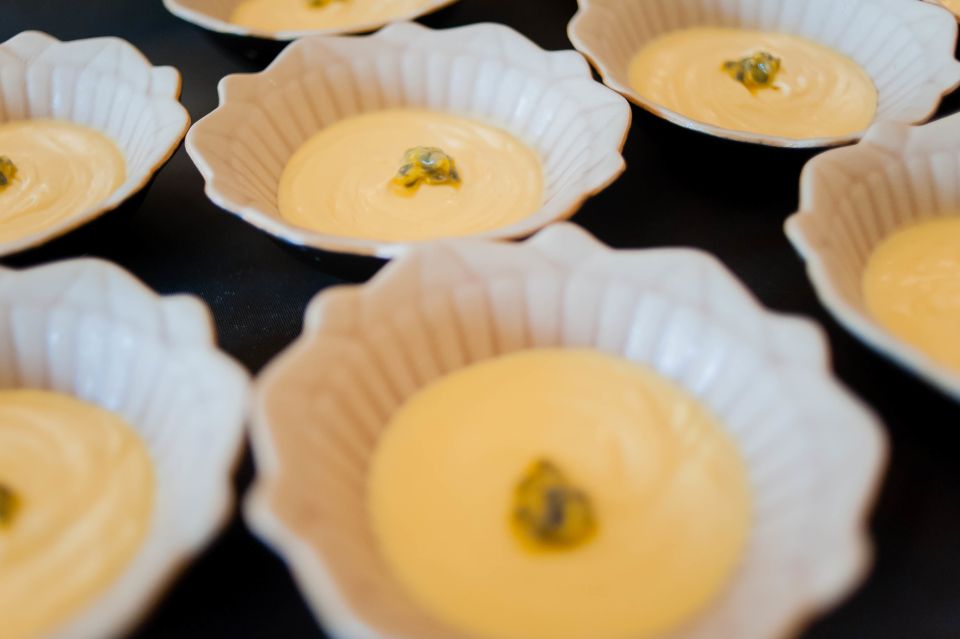
What makes this cooking lesson feel different is how the class is organized. You follow the chef’s example and instructions, and then you cook together with the group using your own prep materials.
That structure pays off because you can learn faster. If one step is unclear—maybe how the herbs are layered, how a mixture should feel, or when to stop mixing—you’re right there to ask. In small groups, questions don’t get buried.
Also, the chefs and guides bring personalities. Names like Viviane, Vivian, Vy, Wan, Oanh, and Lei come up as friendly, patient, and energetic instructors in the experience descriptions. You’ll likely feel guided and corrected in real time, which is what turns a cooking class from entertaining into actually useful.
If you’re a beginner, this is a good fit. If you’re not a beginner, you still benefit from the practical Vietnamese details—ingredient order, herb handling, and flavor balancing—rather than only learning recipes written for an abstract kitchen.
Vietnamese kitchenware and natural ingredients: the practical lesson behind the food
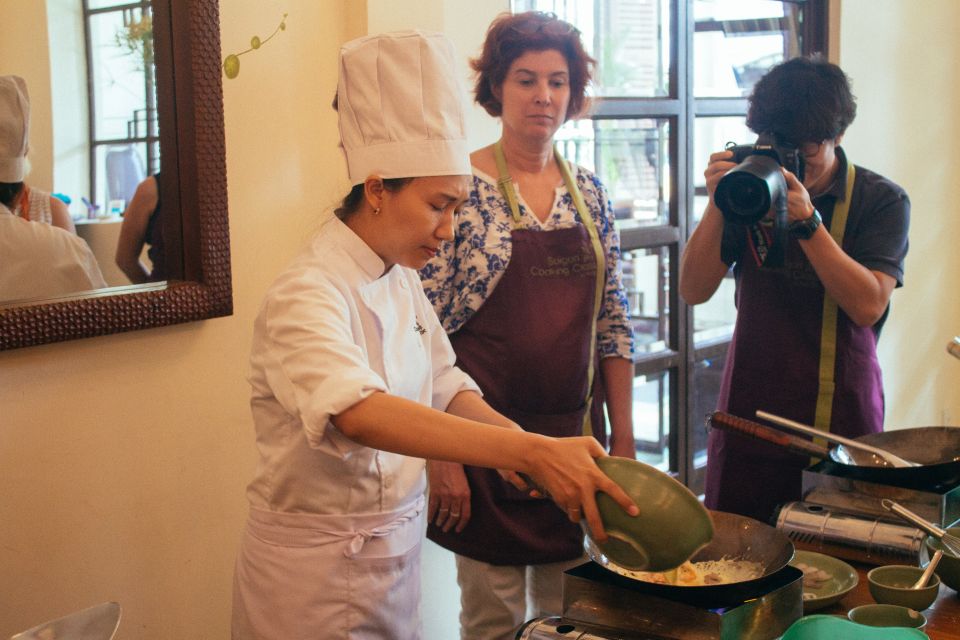
This isn’t just about recipes. The class also shows you Vietnamese kitchenware and how the tools support the method. That matters if you plan to cook again at home, because the same dish can go wrong when you swap tools without understanding why they’re used.
The class also emphasizes natural ingredients and herbs. That’s a big deal for two reasons.
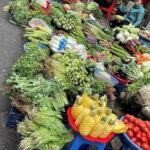
First, it teaches you the flavor logic. Vietnamese cooking often relies on fresh herbs, balanced acidity, and aromatics. When you learn how those elements are used here, you’re less likely to rely on shortcuts later.
Second, it makes the dishes feel accessible. If you can recreate herb combinations and sauce balance with common pantry items, you’ll actually use the recipes again instead of treating the class like a once-in-a-trip memory.
Some ingredients may be prepped to keep the session comfortable, especially for time. That’s not a problem for most people. But if you’re the kind of cook who loves doing every tiny step—mincing, weighing, and prepping from scratch—you may find yourself slightly less involved than you expected. The tradeoff is that you finish with a full meal instead of running out of time.
You can also read our reviews of more tours and experiences in Ho Chi Minh City


Dietary needs: vegetarian and allergy support when you plan ahead
A big plus for this experience is that the menu can be adapted for vegetarians or for people with food allergies. The key is simple: you need to specify your needs during booking.
This is where paying attention helps your trip. If you’re allergic to something common in Vietnamese cooking—like certain seafood, peanuts, or specific herbs—you should be explicit. You want the chef to understand what’s safe and what isn’t before you arrive.
For vegetarians, adaptation is often about swapping protein and adjusting sauces so the dish keeps its character. Since the class focuses on fresh herbs and flavor balance, it tends to work well for plant-based versions when the chef has advance notice.
Drinks, timing, and how hungry you should be
You’ll be served water and iced tea, which is a nice practical touch during a hands-on session. It also keeps you comfortable while you’re cooking and tasting.
You should come hungry. You’re cooking multiple courses and then eating them, and the session is set up so you don’t just sample a few bites. People who take this class often frame it as both an activity and a meal, which makes sense for the price.
At the end, you’ll walk away with full bellies and better confidence in the recipes. That’s a real win on a travel day when you’re juggling sightseeing, heat, and appetite.
Taking Vietnamese flavor home: digital recipes that actually help
You don’t just leave with memories. You get digital recipes—a folder you can use after your trip.
That’s more useful than it sounds. When you’re back home and you try to recreate a dish, the biggest problem isn’t the ingredients you forgot. It’s the steps you don’t remember clearly—what texture you were aiming for, how long something should cook, or how the final flavor was balanced.
A digital recipe folder fixes that. It also works well if you’re traveling with friends or family who want to recreate the meal later. Everyone can refer to the same instructions without passing around paper notes.
If you prefer to cook from your phone or laptop, this format fits modern habits. And if you prefer a printed version, you can usually print from digital files once you have them.
Price and value: does $33 really add up?
At $33 per person for about three hours, this class sits in the value sweet spot for a city like Ho Chi Minh City. You’re paying for more than the recipe. You’re paying for a chef’s time, a small-group setup, ingredients, and a real meal you eat during the class.
Think about what you’d otherwise spend. A normal sit-down meal plus a cooking-focused activity is usually more expensive than one class session. Here, you get both: you learn and you eat what you make.
Past participants repeatedly describe the class as well organized and worth the money, which aligns with how the session is structured. Everything is planned around cooking and tasting, not around waiting. That timing efficiency is part of the value.
Who this Vietnamese cooking lesson suits best
This class works especially well if you want something more personal than a restaurant meal.
You’ll probably love it if:
- You want a hands-on Vietnamese cooking experience rather than a lecture.
- You’re trying to understand Vietnamese ingredients and herbs in a practical way.
- You’re traveling with family and want an activity that feels like shared time.
- You want an English-taught session where you can ask questions while cooking.
- You’re a beginner who needs step-by-step confidence.
It can also be a strong choice if you’re already a decent home cook. Even if you know cooking basics, Vietnamese flavor balance is a different game, and the class helps you understand how the pieces fit together.
When you might want to choose something else
This experience is best when you’re happy with a structured lesson format and a fixed time window.
Consider skipping if:
- You want a long, slow class where every tiny prep step is done by you from start to finish.
- You’re expecting a deep dive into restaurant-level technique training. This is more about cooking and tasting than advanced theory.
- You need a specific dish every time. The class is designed as a three-course meal, but the exact menu can vary.
If any of those match you, you’ll still learn something, but it might not hit the exact style you’re after.
Should you book this hands-on Vietnamese cooking class?
Book it if you want a fun, practical morning that ends with a meal and a take-home recipe folder. The small-group setup, English guidance, and natural-ingredient focus are a strong mix for travelers who want to understand Vietnamese cooking beyond a single restaurant visit.
If you have allergies or you’re vegetarian, book it only if you’re ready to communicate clearly during booking. Then you’ll get the best results and avoid stress.
And if you’re on the fence, remember this: $33 for a chef-led, hands-on three-course meal with digital recipes is the kind of value that’s hard to replicate on your own.
FAQ
How long is the cooking lesson?
The class lasts 3 hours, running from 10 am till 1 pm.
How much does it cost?
It costs $33 per person.
What will I cook and eat?
You will make and taste a three-course meal (three dishes) during the session.
Is the class taught in English?
Yes, the instructor speaks English.
Can the menu be adjusted for vegetarian or allergy needs?
Yes. The menu can be adapted for vegetarians or for people with food allergies if you note your needs during booking.
What do I get to take home?
You receive a folder of digital recipes.
Where do I meet for the class?
Meet at 80 Nguyen Trai Street, District 1. Take the small alley and find the group on your left.
Is there free cancellation?
Yes. You can cancel up to 24 hours in advance for a full refund.