REVIEW · HO CHI MINH CITY
Ho Chi Minh City Tour by Motorbike with Female Riders | KissTour
Book on Viator →Operated by KissTour · Bookable on Viator
A half-day bike ride can teach you a lot fast. This Ho Chi Minh City tour blends motorbike storytelling with real city stops, including Saigon’s colonial icons and Chinatown’s oldest temple. I like that it’s built for limited time, so you get culture, food, and key sights without the usual slog.
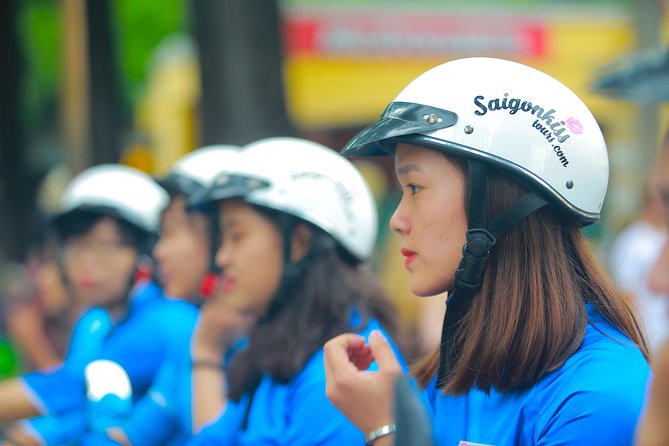
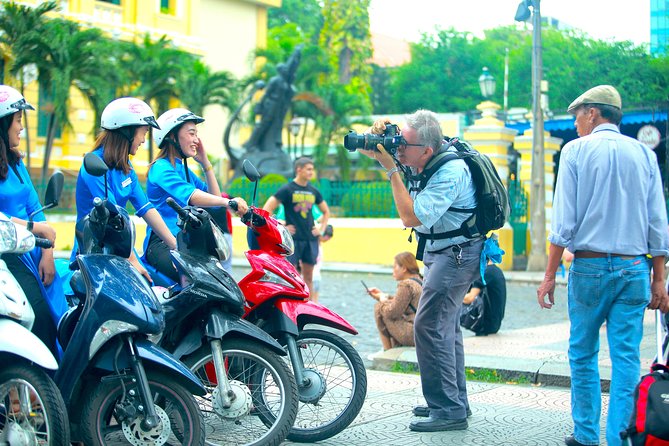
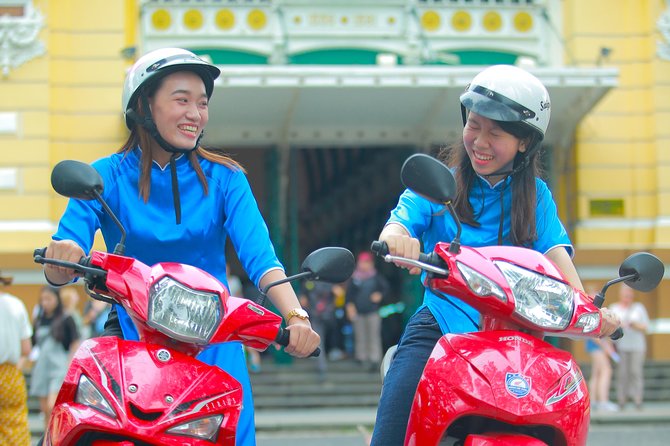
I’m also a big fan of the human touch here: you ride with a female guide in Ao Dai, and the pace stays friendly and conversational. A real plus is the small-group feel (max 15), which helps you ask questions as you go, including at the coffee stop and the landmark pauses.
One consideration: it’s still traffic and two wheels. If you feel uneasy about motorbikes, the operator notes you can choose a car option, and you’ll want to dress for comfort (and keep your valuables light).
In This Review
- Key highlights worth planning around
- A 3.5-Hour Saigon Route Built for Seeing More With Less Stress
- Stop 1: Saigon by Scooter With a Female Guide in Ao Dai
- Saigon Central Post Office: French-Era Grandeur Still Working
- Independence Palace Pass-By: A Memory Shot Without the Full Detour
- The Thích Quảng Đức Monument: A Stop That Hits Hard at Street Level
- Notre-Dame Cathedral: Red-Brick Calm as a Contrast Pause
- Ba Thien Hau Temple: Chinatown Incense, Courtyards, and Old Traditions
- Coffee and Noodle Lunch: Where the Tour Becomes Daily Life
- Safety, Gear, and Choosing Bike vs Car
- Price and Value: What $46.16 Gets You in Saigon Time
- Who This Tour Is Best For (and Who Might Pass)
- Book It or Skip It: My Practical Take
- FAQ
- How long is the Ho Chi Minh City motorbike tour?
- Is hotel pickup and drop-off included?
- What food and drinks are included?
- Which stops are included on the route?
- What safety gear is provided?
- Can I get a different vehicle if I’m afraid of motorbikes?
- What is the cancellation window?
Key highlights worth planning around

- Female-led in Ao Dai: you get local commentary while you ride, not just a checklist.
- Iconic colonial and religious stops: Central Post Office, Notre-Dame Cathedral, Thien Hau Temple.
- History you can see up close: Thích Quảng Đức Monument and a pass by the Independence Palace area.
- Coffee + included meal: traditional coffee plus lunch (morning) or supper (afternoon).
- Safety gear and rain cover: helmets, ponchos if needed, and accident insurance included.
- Small group size: capped at 15 for a more personal route through busy streets.
A 3.5-Hour Saigon Route Built for Seeing More With Less Stress
This is the kind of Ho Chi Minh City tour that fits into a tight itinerary. You start around 3.5 hours, with pickup and drop-off from your hotel area (when offered for your schedule). That matters because Saigon eats time. The city is spread out and crossing it on your own can be tiring fast.
The format is simple: you’re transported by scooter, you make a set of planned stops, and you get a guided narrative as the city rolls by. It’s not just pass-and-snap photos. The stops are chosen for contrast: colonial-era architecture, major religious sites, and a couple of history anchors tied to Vietnam’s modern story.
You should also know the tour runs with a maximum of 15 people. That’s a sweet spot. Big groups can feel rushed. Here, you can usually slow down when something catches your attention.
You can also read our reviews of more city tours in Ho Chi Minh City


Stop 1: Saigon by Scooter With a Female Guide in Ao Dai
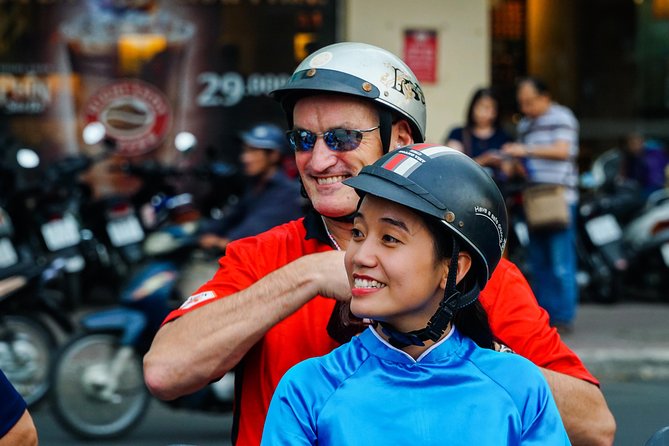
The ride starts at a very central point: Saigon Opera House (07 Công trường Lam Sơn, Bến Nghé, Quận 1). From there, you’re guided through a mix of Saigon streets that show the city’s past and present in motion.
A standout detail is that the guide is a local woman in Ao Dai, which changes the vibe immediately. You’re not just being delivered to monuments. You’re getting explanations in a way that feels personal, and the route includes conversation—real talk about what you’re seeing and why it matters.
You’ll also pass key areas where the city’s layout and daily life become obvious. This is one reason a motorbike tour can beat a bus tour. On a scooter, you can feel the scale of neighborhoods, see how people use storefront space, and spot street life that usually disappears behind glass windows.
Practical notes for the ride:
- Wear comfy clothes. You’ll be in motion.
- Keep your bag light. Avoid heavy backpacks.
- If you’re planning photos, bring a phone or camera that stays easy to reach.
If you’re traveling as a nervous rider, don’t force it. The operator specifically states you can choose a car option if you’re afraid of being on motorbikes.
Saigon Central Post Office: French-Era Grandeur Still Working

Next you’ll step into Saigon Central Post Office, one of those places that feels both official and almost theatrical. The description of what you’ll see is clear: vaulted ceilings, vintage phone booths, and a giant portrait of Ho Chi Minh.
The best part of this stop is the blend of function and history. This isn’t a dead museum. It’s still functioning, so you get that sense of everyday use mixed with colonial-era architecture. For first-timers, it’s also a strong orientation point. You learn what the city looked like when the French influence shaped the core.
Time-wise, it’s short (about 15 minutes). That’s not enough for a slow art-history reading, but it’s perfect for capturing key details and moving on with context you’ll keep using later.
A small drawback: because it’s a quick indoor stop, it can feel crowded if you’re there during peak activity. Go in with the mindset of a quick look + learn the big features, not a leisurely stroll.
Independence Palace Pass-By: A Memory Shot Without the Full Detour
After the post office, you’ll pass by Independence Palace (or its immediate area). This works well when your time is limited. You get the reference point that helps you make sense of the broader historical narrative tied to Vietnam’s modern era.
It’s not a long visit here. You’re not promised museum-level depth on this particular segment. But as part of a half-day route, the pass-by is a smart use of time, especially if you’re already seeing other history markers.
If you’re the type who wants maximum detail on major war-era sites, you might still consider a longer standalone visit later. For this tour’s scope, the pass-by is a useful “you’re in the right place” moment.
The Thích Quảng Đức Monument: A Stop That Hits Hard at Street Level

One of the most powerful moments on the route is the Venerable Thich Quang Duc Monument. This memorial honors the Vietnamese monk who self-immolated in 1963 to protest religious oppression. The monument sits at a busy intersection, which adds weight. History isn’t in a quiet gallery here. It’s placed into daily traffic.
This is a good stop if you want your tour to go beyond postcard landmarks. A 15-minute pause can still pack emotion when the meaning is explained clearly and the physical placement is right where the city moves.
Potential consideration: because it sits at an active intersection, you’ll be moving in and out quickly. If you’re hoping for a long reflective moment, keep your expectations realistic. You’ll get the core meaning, but you’re not turning this into an all-day contemplation stop.


Notre-Dame Cathedral: Red-Brick Calm as a Contrast Pause
Then comes Saigon Notre Dame Cathedral, built in the late 19th century by the French. The visual cues are easy to remember: red bricks, twin bell towers, and a quiet garden in front.
This stop works because it’s a contrast. After the heavier Thich Quang Duc memorial, you get architecture that feels more orderly and still. It’s a reset. It also gives you a readable example of how colonial-era building styles landed in the city center.
Time is about 15 minutes. That’s enough to:
- spot the exterior details you’ll recognize later,
- enjoy the calmer garden area,
- and then head to the next stop without fatigue.
If you’re sensitive to crowds, this is one of those places where your timing matters. It won’t feel like a private chapel, but it can still be peaceful for a short visit.
Ba Thien Hau Temple: Chinatown Incense, Courtyards, and Old Traditions

The route ends with Ba Thien Hau Temple (Thien Hau Temple), located in Saigon’s Chinatown. This is described as one of the city’s oldest and most atmospheric temples, and the imagery fits: smoky incense coils, detailed carvings, and quiet courtyards.
This stop is often where the tour feels most “Saigon.” It’s not about grand architecture or formal museums. It’s about atmosphere. Incense smoke hangs in the air. People move through with purpose. The temple details make the space feel lived-in, not staged.
Time is around 30 minutes, which gives you enough space to slow down and actually look. I like this length. Short temple stops can become a quick photo sprint. Here, you get a chance to watch, read the carvings visually, and breathe in the mood.
One consideration: incense can be strong. If you have sensitivities, keep that in mind. And wear clothes that are comfortable for a bit of walking and standing.
Coffee and Noodle Lunch: Where the Tour Becomes Daily Life
A half-day tour lives or dies by food stops. This one includes traditional coffee and a meal at an authentic local restaurant.
The outline calls out a historic cafe and emphasizes traditional coffee, described as one of the oldest cafes in town. You’re not just drinking. You’re learning the reason coffee culture matters in Saigon, and you’re doing it in a place you might not find on your own in a quick search.
Then you eat: there’s a complimentary noodle lunch for the morning version, and a supper for the afternoon version. Bottled water is included, plus coffee and/or tea.
Why this part matters for value: transportation and guide time cost money, but the food is what turns the day from sightseeing into a lived snapshot. You’ll taste something local, then you’ll have energy to finish the route strong.
If you’re picky about timing, note that you’ll want to eat when they seat you. The tour is structured, and the stops are timed to the traffic and the flow of the route.
Safety, Gear, and Choosing Bike vs Car
This tour includes helmets and rain ponchos if needed, plus accident insurance. That’s a solid base layer of comfort. You’re also told to avoid expensive jewelry and heavy backpacks, which is basic but important on scooters.
Here’s the practical way to think about safety:
- You’re not driving. You’re riding with a driver and guide structure.
- You still need to dress for quick movements and changing conditions.
- Keep your belongings minimal so you don’t spend the ride worrying.
If you’re afraid of motorbikes, the operator states there is a car option. Take that seriously. The best tour is the one you can enjoy without gripping the seat so hard you forget to look at the city.
Also, if you’re above 120 kg (260 pounds), you’re asked to notify the company so they can arrange a big scooter and strongest drivers in their team. That’s not a detail to skip.
Price and Value: What $46.16 Gets You in Saigon Time
At $46.16 per person, this tour is priced like a “smart spend.” You’re not only paying for entry fees. You’re paying for:
- hotel pickup and drop-off,
- scooter transport,
- helmets and rain ponchos,
- accident insurance,
- an English-speaking guide/driver setup,
- and included coffee plus a meal (lunch or supper).
A lot of “cheap” tours in big cities end up charging more once you add transport and food. Here, the core needs are wrapped up in the price. Even if you skip one café stop later in the trip, the combined costs of scooter transport + guided storytelling + included meal still tends to feel efficient.
Another value point: the route includes both major sights and meaningful in-between stops. Central Post Office and Notre-Dame Cathedral are recognizable. Thich Quang Duc Monument adds real meaning. Thien Hau Temple gives you atmosphere you can’t fake with a brochure.
So you’re not just paying to check boxes. You’re paying to connect the dots quickly.
Who This Tour Is Best For (and Who Might Pass)
This works especially well if you:
- have only a half day in Ho Chi Minh City,
- want the city feel without long transit breaks,
- enjoy history but prefer it tied to what you see in the street,
- like local food stops, not just monuments.
It may not be ideal if you:
- strongly dislike motorbikes and don’t want to use the car option,
- need long, unhurried time at each site (this is timed and efficient),
- have very limited mobility, since you’ll be riding and walking short distances.
Small-group size is a bonus if you want a less chaotic experience while still moving efficiently through a busy city.
Book It or Skip It: My Practical Take
I’d book this if your goal is to get your bearings fast, understand Saigon’s layers, and leave with a handful of images plus real context. The mix of central landmarks and history-heavy street memorials, paired with coffee and a proper meal, makes it feel like a complete half-day rather than a “drive-by.”
I’d choose the car option if you’re worried about traffic stress. You’ll still get the route and the stop meaning, just without the scooter nerves.
If you’re the type who wants museum-level time at every major site, plan a separate longer visit for the biggest ticket attractions. This ride is the best “primer,” not the only chapter.
FAQ
How long is the Ho Chi Minh City motorbike tour?
It runs about 3 hours 30 minutes.
Is hotel pickup and drop-off included?
Yes, hotel pickup and drop-off are included.
What food and drinks are included?
You get bottled water and coffee and/or tea. The morning tour includes lunch, and the afternoon tour includes supper.
Which stops are included on the route?
You’ll visit Saigon Central Post Office, pass by Independence Palace, see the Venerable Thich Quang Duc Monument, visit Saigon Notre Dame Cathedral, and go to Ba Thien Hau (Thien Hau) Temple. You’ll also have a historic cafe and coffee stop as part of the experience.
What safety gear is provided?
You get helmets, and rain ponchos if needed, plus accident insurance.
Can I get a different vehicle if I’m afraid of motorbikes?
Yes. If you’re afraid of being on motorbikes, the operator states there is a car option.
What is the cancellation window?
You can cancel up to 24 hours in advance for a full refund. Canceling less than 24 hours before the start time is not refunded.