Saigon hits differently when you move on a scooter and eat your way through it. This is a food-and-sights ride built around 7/9/12 tastings, plus alley wandering in Chinatown and stops that feel like real local life. I especially like the way the guide ties each bite to place and history, so you’re not just collecting food.
Two big wins for me: you get free pickup/dropoff and the route goes beyond the usual landmarks by cutting through hidden alleyways. One thing to consider is timing—everything runs smoother when you build a little slack into your evening, since one reported delay happened with pickup.
In This Review
- Key Highlights You’ll Care About
- Scooters + Street Food: A Smarter Way to See Saigon
- What this tour is really good at
- A note on expectations
- Opera House First: A Clean Start With Free Entry
- Nguyễn Thiện Thuật Apartment Buildings: Views From Everyday Saigon
- Why this stop is worth your time
- A practical consideration
- Hồ Thị Kỷ Flower Market: Color, Scent, and Street Snacks
- What makes it feel authentic
- Chinatown Street Food: Eating in Place, Not on Repeat
- Where the route takes you in food terms
- District 10 and Quận 5: The Alley-Hop Part of the Night
- The practical takeaway
- District 3 Calm Ride: French-Era Peace at the End
- Why this ending helps
- Price and Value: What $25 Buys You Here
- Who gets the best value
- Guides, Safety, and Group Energy (Including Corn, Vy, and Jason)
- Scooter safety: what to listen for
- One downside to factor in
- Who Should Book This Scooter Street-Food Tour
- Who might skip it
- Should You Book This Saigon Street Food & Hidden Alleys Tour?
Key Highlights You’ll Care About

- 7/9/12 tastings paired with short, focused sightseeing stops (not a long food shuffle)
- Scooter access to places cars and buses can’t reach easily, including tight Chinatown lanes
- Ho Thi Ký Flower Market for color, scent, and street snacks alongside Cambodian stalls
- Chợ Lớn / Phố Tàu Sài Gòn for the big Chinatown atmosphere, plus story-led eating
- Family-style neighborhoods like a 1960s apartment block where you can see daily life up close
- English-speaking guides with lots of organization and clear dish explanations
Scooters + Street Food: A Smarter Way to See Saigon
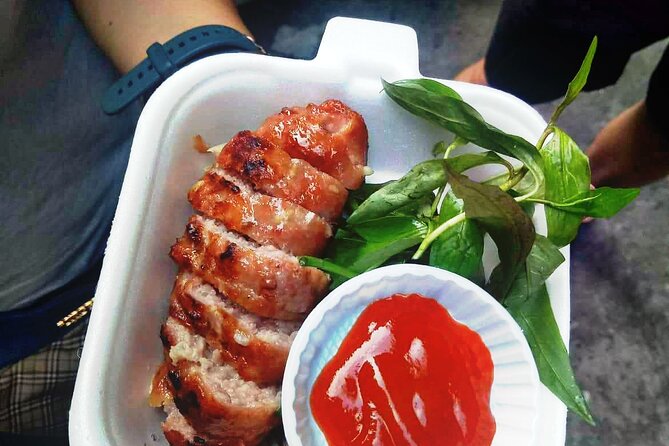
If you only walk in Ho Chi Minh City, you’ll miss a huge part of how people actually move and eat. The scooter format changes the whole tempo. You slide through the city the way locals do, then stop just long enough to taste and talk. It’s hands-on, not a photo-only pass.
The other smart choice is that this isn’t a checklist tour. You’ll do tastings while you’re in the neighborhoods that produce them. The guide connects dishes to what was happening in that area—so food becomes a way to read the city. That matters in Saigon, where a street can change fast and where family businesses still shape what ends up on tables.
You can also read our reviews of more food & drink experiences in Ho Chi Minh City


What this tour is really good at
You’ll get:
- A multi-sensory route: food smells, market energy, and quick neighborhood viewing from the scooter
- Short stops with real context (like daily life in older housing, and food culture in Chinatown)
- A pace that stays active for about 4 hours, without feeling like an all-day grind
A note on expectations
You are riding in traffic. The tour starts with a safety briefing, and people repeatedly mention feeling safe with the drivers. Still, if you hate scooters or get motion-sick easily, this may be a tougher fit than a pure walking food tour.
Opera House First: A Clean Start With Free Entry
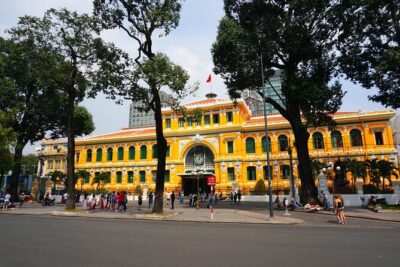
Most food tours start when your stomach is already awake. This one starts with orientation. You begin at the Saigon Opera House (Ho Chi Minh Municipal Theater) with pickup and a quick safety briefing so you know what to do before the scooter energy ramps up.
This first stop also gives you a sense of contrast. You’re in a prominent historic building area, then you’ll shift quickly into neighborhoods where daily life and street food are front and center. The admission ticket is free here, so you’re not paying extra just to get oriented.
What you’ll likely notice: even before the first tasting, you’re getting a feel for how different parts of Saigon can be—grand facades, then tight lanes. That contrast is part of the fun.
Nguyễn Thiện Thuật Apartment Buildings: Views From Everyday Saigon
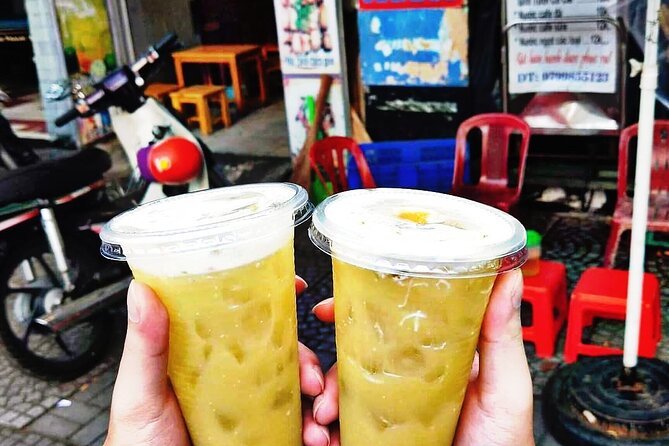
Next comes a stop that feels more like meeting a neighborhood than visiting a monument: the Nguyễn Thiện Thuật Apartment Buildings. This is described as a 1960s local living block, and you’ll get a chance to climb up for unique views and observe daily life.
You’re also not just looking. You’ll try classic Vietnamese snacks served by long-time family vendors. That’s important, because it ties your food tasting to the place it’s made and sold—rather than treating it like a museum display.
You can also read our reviews of more tours and experiences in Ho Chi Minh City



Why this stop is worth your time
- You see the city from a different angle, literally.
- You get a glimpse of how people live day to day, not just how tourists take pictures.
- The snack component makes it feel like part of the meal, not an interruption.
A practical consideration
Because you’ll climb, this stop may be less comfortable for anyone with mobility issues. The tour doesn’t advertise accessibility details, so if stairs are a concern for you, plan accordingly.
Hồ Thị Kỷ Flower Market: Color, Scent, and Street Snacks
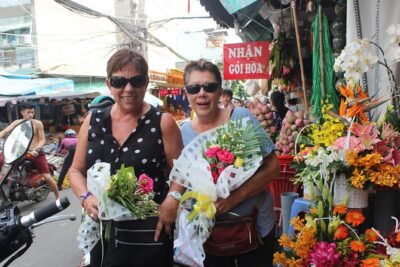
After the apartment stop, you shift into something Saigon does extremely well: markets. Hồ Thị Kỷ Flower Market is known for its colorful flower shops and a lively atmosphere. It’s also a mixed setting, with Cambodian street food stalls showing how cultures overlap in this part of the city.
Here, you’ll enjoy 1–2 tastings tied to what’s going on around you. It’s a good break in the route too. The earlier stops feel more human-scale and residential. The flower market adds movement and aroma, and it’s easier to just watch while you eat.
What makes it feel authentic
Markets in Saigon can be chaotic in the best way, and this one is built for senses: sight, smell, and quick conversations with vendors. The guide’s job is to help you understand what you’re looking at and why certain foods show up where they do.
My advice: keep your expectations flexible here. Markets are messy. That’s the point.
Chinatown Street Food: Eating in Place, Not on Repeat
The heart of the experience is the Chinatown food portion. You’ll taste authentic street-food dishes prepared by third-generation local chefs. That detail matters. It suggests continuity—food knowledge passed down through families, not just a one-generation business model.
Your guide explains stories behind what you’re eating and shares cultural insights. This is where the tour’s style really pays off: you’re not only tasting. You’re learning how each dish fits the neighborhood.
Where the route takes you in food terms
You’ll spend time eating in the heart of Chinatown, then continue through nearby districts with more alley exploring and additional tastings. The tour is designed so you don’t feel like you’re repeating the same scene over and over.
The “hidden alleys” theme isn’t just marketing language. People repeatedly note that the route takes you beyond tourist zones into areas you wouldn’t find on your own.
District 10 and Quận 5: The Alley-Hop Part of the Night
Two sections of the ride are built for that Chinatown feeling: District 10 and Phố Tàu Sài Gòn (Chợ Lớn, Quận 5).
In District 10, you’ll explore more of Chinatown’s hidden charms through narrow alleys. The guide shares neighborhood history and traditions, which helps you understand why the area has its specific mix of influences. Even if you don’t memorize dates, this kind of narration helps the city “stick” in your mind.
Then you go into Quận 5 and specifically the Phố Tàu Sài Gòn area. Expect energetic traffic on the scooter ride in, then a more concentrated atmosphere when you enter the cultural enclave. You’ll also continue tasting as you move through Chinatown’s markets and back-lane streets.
The practical takeaway
If you want the Saigon version of Chinatown—tight lanes, food everywhere, and neighborhood life running in parallel with your tour—this is the section that delivers.
A small word of caution: alley travel means less space for maneuvering. Listen to your guide, keep close to the group, and treat this as a “slow your body, enjoy with your eyes” part of the night.
District 3 Calm Ride: French-Era Peace at the End
After eating and alley-walking, the tour gives you a breather. In District 3, you take a relaxing scenic scooter ride through tree-lined boulevards and peaceful neighborhoods. There’s also a nod to French-era villas, which gives your eyes a calmer, more structured backdrop.
This isn’t where you’re squeezing in more food stops. It’s where the experience shifts from food hunt mode into photo-and-wind-down mode. Then you finish with a safe return toward District 1 and your hotel or starting point.
Why this ending helps
A lot of food tours end abruptly. This one slows down at the end, which makes the experience feel complete. It also gives you a smoother transition back to your plans—especially if you’re heading for a nightcap or a late dinner.
Price and Value: What $25 Buys You Here
At $25 per person, the value comes from how much is included, not just the sticker price. You’re getting:
- Free pickup and dropoff at your center hotels
- A personal English-speaking guide
- All dishes mentioned (built into the tasting count)
- Scooter accident insurance (up to $5,000)
- No extra fee for group or private tour
- Admission tickets being listed as free for key sights along the route
- A tour length of about 4 hours, with a mobile ticket
That combination is the big selling point. You’re paying once and getting a guided route that covers transportation, food, and safety coverage. If you were to recreate this on your own—finding specific snack spots, arranging scooter logistics, and translating menu choices—costs would start stacking up quickly.
Who gets the best value
You’ll likely feel the value most if:
- You want to eat a lot without guessing where to go
- You’re staying in or near Districts like 1 and want efficient pickup
- You want context with your tastings, not only the food itself
- You’re traveling with kids or a mixed group and want a guided flow
Guides, Safety, and Group Energy (Including Corn, Vy, and Jason)
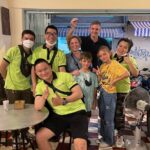
A tour lives or dies by its guide. Here, the feedback points to several names that show up in standout roles: Corn (organized, high energy), Vy (friendly, confident navigation, clear dish explanations), Jason (excellent and fun with strong communication), and also guides like Levi, Phi, and Kevin who are repeatedly described as friendly and informative.
The guides are often local university students studying tourism who are practicing their English. That can be a plus if you like conversation and a guide who genuinely enjoys the route. More importantly, people describe the guide experience as interactive and organized, with constant check-ins like ensuring everyone is okay.
Scooter safety: what to listen for
The tour begins with a safety briefing and the drivers are described as conscientious and friendly. Many families say their kids felt safe, and even first-timers often report confidence once the ride starts.
One downside to factor in
Not every company detail will be perfect every time. One person reported a pickup delay of about 1.5 hours due to an internal mistake, and noted that guides can be freelancers, so the experience may vary depending on who you get. That doesn’t sound like the norm in the overall rating, but it’s a smart reason to plan dinner and other commitments with buffer time.
Who Should Book This Scooter Street-Food Tour
This tour is a strong fit if you want:
- A street-food night in Saigon that includes real local neighborhoods
- Scooter riding as part of the experience, not just transport
- A guide who connects food to place, including history and culture
- Plenty of tastings, chosen as 7, 9, or 12
It’s also a good option for families. The repeated theme is that kids often love the scooter ride and enjoy having a structured plan that still feels adventurous.
Who might skip it
You might choose a different style of tour if:
- You’re uncomfortable on scooters and don’t want to risk that part of the experience
- You want a quiet, slow-paced walk tour instead of a moving route
- You’re traveling during questionable weather, since the experience says it needs good weather
And if you have food allergies, the tour explicitly asks you to let them know your allergies for the food ahead of time—so you get safer choices.
Should You Book This Saigon Street Food & Hidden Alleys Tour?
My take: if you want a Saigon night that mixes street food + neighborhoods + scooter access, this is the kind of tour that actually changes how you understand the city. The tastings, the Chinatown alley wandering, and the market stop give you variety without making you rush through everything.
Book it if:
- You’re hungry for food and also want the story behind it
- You’re open to scooters and the traffic style of Ho Chi Minh City
- You’d rather ride with a guide than spend your limited time hunting for the right stalls
Hold off if:
- Your schedule is tight with no buffer (a pickup delay has happened once)
- Your mobility is limited due to climbing at the apartment buildings stop
If you’re a first-time Saigon visitor, or you’ve been once and want the city’s street-level side, this tour has a very practical advantage: it feeds you while it teaches you how the neighborhoods tick.