REVIEW · HO CHI MINH CITY
Cu Chi Luxury Group Tour – Tapioca and Cake Half Day
Book on Viator →Operated by KIM TRAVEL · Bookable on Viator
Củ Chi tunnels are not subtle. You’ll see how people survived underground, then look up at rice fields and blast craters left by the war. This tour mixes history with real, tight, practical spaces, plus a few war-era food moments that make it stick.
I like the English-speaking guide time you get here. Guides such as Bo, Long, Hien, and Thuy are praised for turning the tunnel system into a story you can follow, not just a list of facts. I also like that you actually go inside the tunnels, including a crawl segment and time exploring the maze with trapdoors, storage areas, and field-hospital style spaces.
One thing to plan for: this experience can run longer than a true half-day, and crowding can slow down tunnel access. Also, a small number of comments mention food items (tapioca/tea or cake) not arriving as expected, so it’s smart to double-check on the day.
In This Review
- Key things to know before you go
- Củ Chi Tunnels: what this tour really shows you
- Pickup, mini-van comfort, and how the day is paced
- Inside the tunnel program: 3D movie, trapdoors, and a real crawl
- Above ground: rice fields and overgrown blast craters
- The food angle: cassava, tapioca, and why it matters
- Guides can make or break it: who to look for
- Optional extras and surprise stops on the route
- Crowd reality: when the visit gets slow
- Price and value: $21.99 for a packed day
- Quick logistics you’ll feel during the day
- Should you book this Cu Chi Luxury Group Tour?
- FAQ
- How long is the Cu Chi Tunnels half-day tour?
- Is hotel pickup included?
- What’s included at the tunnels for food and drinks?
- Do I get an entrance ticket to the tunnels?
- What kind of transportation and guide do I get?
- How big is the group?
- Do I need strong physical fitness?
- Is there free cancellation?
- Is a mobile ticket used?
Key things to know before you go
- Small group cap (up to 25) keeps the day feeling more human than cattle-car logistics.
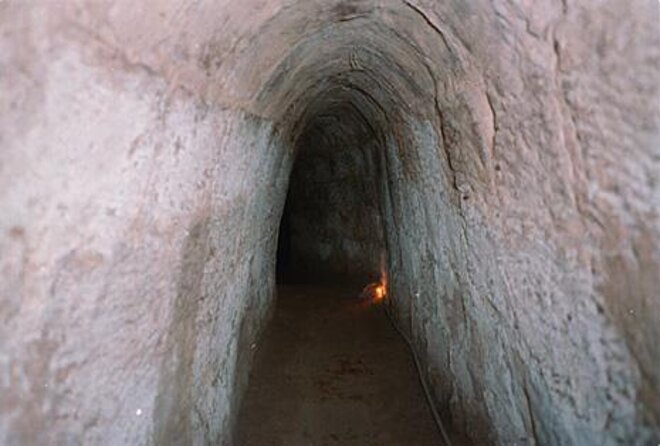
- A real crawl gives you the right scale for life underground, not just a quick look from above.
- 3D film + on-site explanations help connect tunnel design to wartime tactics.
- Rice fields and blast craters show the war’s footprint on the surface, not just the underground world.
- Cassava is part of the experience on war days, with tapioca and Vietnamese hot tea included.
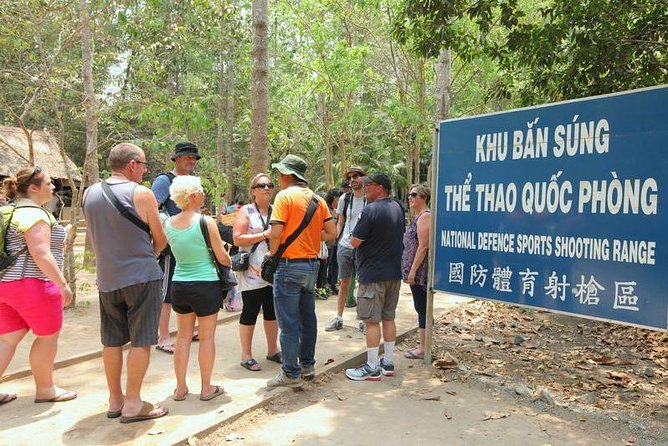
- Expect optional extras you might encounter on the route, like a shooting range with added costs.
Củ Chi Tunnels: what this tour really shows you
The Củ Chi tunnels are one of Vietnam’s most preserved, most visited war sites for a reason. They weren’t just “holes in the ground.” The network was built in three layers, with hidden entrances under leaves and trapdoors, plus spaces for daily work like kitchens, hospitals, and command posts. The goal was survival and control during the struggle against the French in the 1940s and then the American War in the 1960s.
What makes this tour valuable is the way it ties design to survival. You’ll hear how fighters used ventilation and concealed movement to keep going despite constant bombing. And you’ll spend time not only looking, but walking through a route that feels like you’re moving the way they had to move.
Important mindset tip: this is a war story told through engineering and routine. The scale is tight. The air feels different underground. It can be uncomfortable in a real way, which is exactly the point.
You can also read our reviews of more tours and experiences in Ho Chi Minh City

Pickup, mini-van comfort, and how the day is paced
You’re picked up from District 1, 3, and 4 hotels, then dropped back in District 1. Expect a minivan with air-conditioning, plus an experienced English-speaking guide, bottled water, and wet tissues. Travel insurance is included.
The “half-day” label is a bit optimistic. The schedule is described as about 7 hours (and some parts run around 6 hours depending on timing). If you hate late afternoons or you’re trying to fit in other plans, treat this like a full chunk of a day.
Practical tip: wear closed-toe shoes with decent grip. Underground spaces and outdoor paths can be dusty or uneven. Also bring a layer. Underground can feel cooler than the midday sun outside.
Inside the tunnel program: 3D movie, trapdoors, and a real crawl
Your first stop is the Cu Chi Tunnels site, and the day starts with a 3D movie that frames the story around the largest American ground operation of the Vietnam War era. It’s helpful because it gives you the bigger picture before you shrink down into the tunnels.
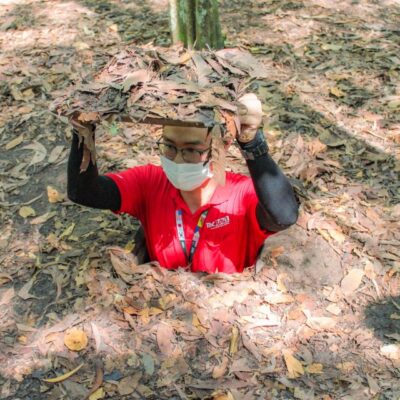
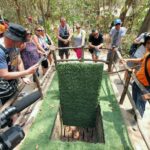
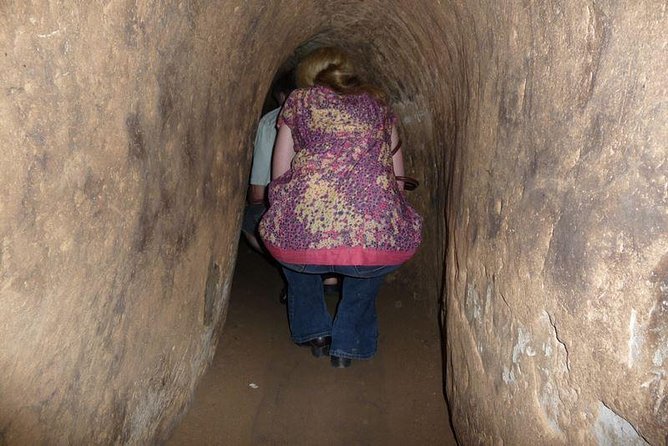
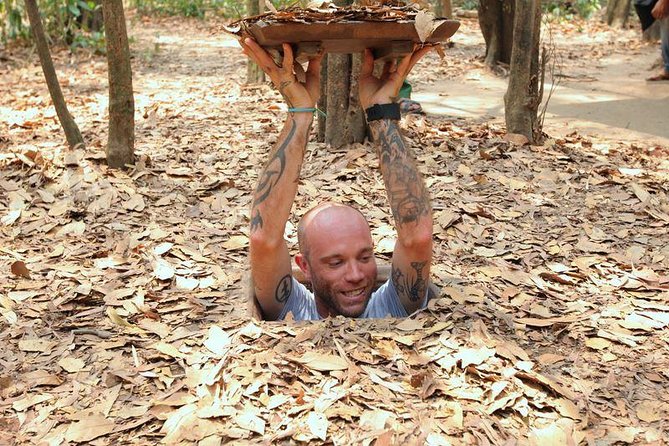
Then comes the part that people remember: exploring the tunnel maze. You’ll get guided time through an underground route featuring trap doors, storage areas, factories, field-hospital style spaces, and command centers. The tour also includes chances to understand movement and concealment—like trying a tiny hiding entrance and seeing how locals used to move around.
You’ll also go to a forest area and watch a documentary about the strategic system of the Củ Chi Tunnels. That outside viewing matters. If you only see tunnels, the story can feel abstract. When you see the surroundings afterward, the “why” behind the layout lands faster.
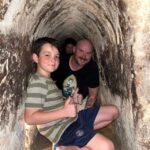
Finally, you’ll crawl into a tunnel segment that’s described as a real-world under-tunnel experience. That crawl is the physical reality check. It’s the moment when you stop thinking about history as a chapter and start thinking about it as cramped minutes.
Fitness note: the tour says you should have strong physical fitness level. That doesn’t mean you need to be an athlete. It does mean you should be comfortable with bending, squeezing, and moving slowly in tight conditions.
Above ground: rice fields and overgrown blast craters
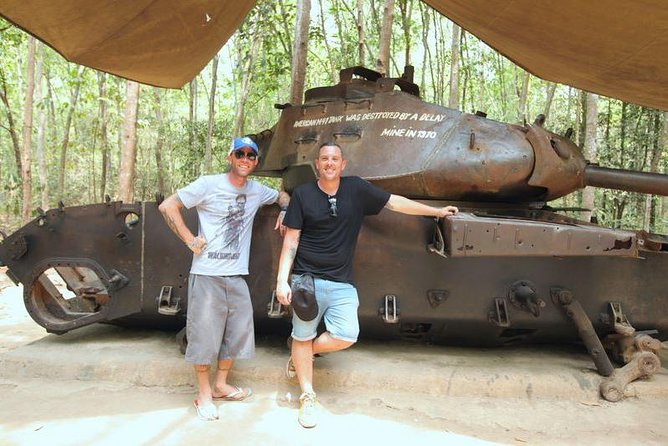
One of the smartest choices in this tour is what it does with your direction of attention. You’ll observe villagers working in nearby rice fields, and some of those fields sit over parts of the tunnel system. That contrast hits.
It’s not just a museum stop. It’s a living landscape where the war’s geography still affects how people use the land.
You’ll also see overgrown blast craters from aerial bombing campaigns. The vegetation doesn’t erase the shape of the scars. From a distance, it can look like just more outdoor scenery. Up close, you notice the rounds, the scars, the way the ground holds memory.
This is the part where the tour becomes more than an educational trip. It turns into a place that changes how you see a flat landscape.
The food angle: cassava, tapioca, and why it matters
Yes, the food is small. No, it’s not a “cafe stop.” But these snacks do something useful: they connect the tunnel story to daily survival.
You’ll have cassava during war days at the tunnels, and the tour includes tapioca and Vietnamese hot tea, plus wheat cake. The cassava piece is often the memorable one because it’s tightly linked to what people could grow and eat under harsh conditions.
A note for your expectations: food timing can be imperfect when crowds and schedules collide. A few experiences mention missing or delayed servings of tapioca/tea and cake. If this is a must-have, ask the guide when the snack stop happens and make sure it’s clear before you move on.
You can also read our reviews of more tours and experiences in Ho Chi Minh City


Guides can make or break it: who to look for
This tour depends heavily on the guide’s storytelling. The most consistently praised guides include Bo, Long, Hien, Bao, Thuy, Lam, Simon, and Kelvin. People describe these guides as using concrete examples while staying patient with questions.
You should know why that matters. Củ Chi has lots of features—trapdoors, storage spaces, command points, and multiple layers. If your guide only offers quick commentary, it can feel like “tunnels, tunnels, tunnels.” If your guide explains how the system worked, the whole route becomes easier to understand.
When you meet your guide, don’t be shy about asking a simple question like, How did they hide entrances? Or, What was the purpose of the different layers? Good guides can answer without turning it into a lecture.
Optional extras and surprise stops on the route
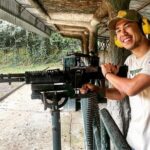
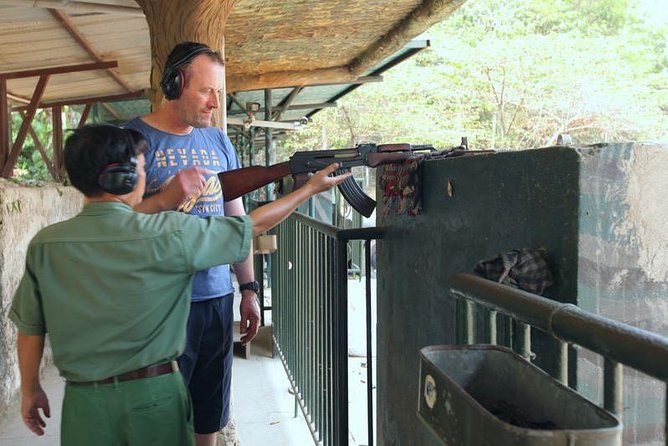
Some days include additional stops you might not expect from the main tunnel focus. For example, several comments mention a shooting range experience as an added-cost option. One person described trying an M16 there and noted how loud it was.
There’s also mention of a handicrafts stop, including lacquer/art work connected to victims of Agent Orange. In practice, these stops can be a good break from heat and walking. But they also add time.
If you’re on a tight schedule, ask your guide what stops are planned before you set off. And if you want fewer side stops, pick a time of day when you expect crowds to be lower.
Crowd reality: when the visit gets slow
Củ Chi is popular. Even when the tour is well run, you may face waiting around exhibits or tunnel entrances. One comment points out that multiple tour groups can arrive at once, which leads to long standing in hot sun.
This is where the “small group” advantage helps. A cap of 25 travelers is still enough to feel like a group, but it’s usually easier to manage than huge buses. Some people even mentioned booking smaller group sizes (like a max of 12), and that kind of reduction often makes the day feel calmer.
My advice: treat queue time like part of the experience. Bring water (you’ll get bottled water, but still), keep your hat handy, and don’t plan a strict dinner time right after.
Price and value: $21.99 for a packed day
At $21.99 per person, this is strong value if you want a guided visit without paying “big tour” prices. You get pickup and drop-off within key districts, a/c transport, entrance fees, an English guide, insurance, and the included snacks and drinks.
The best value usually comes from the full package: tunnel admission plus guide plus transportation. If you tried to do Củ Chi on your own, costs can add up fast once you include transport, entry, and having someone explain what you’re seeing.
Just remember the trade-off: this is a structured tour, not a private wander. If you want total control over pacing and stops, you may prefer a private format. If you want a reliable, guided route that saves you the planning work, this price makes sense.
Quick logistics you’ll feel during the day
- Duration: plan for about 6–7 hours, not a quick morning mission.
- Pickup areas: Districts 1, 3, 4, with drop-off back to District 1.
- Group size: maximum 25.
- What’s included: entrance fee, bottled water, wet tissues, tapioca, hot tea, wheat cake, and insurance.
- What might not be guaranteed day-of: food timing can slip when crowds hit, based on a few reported experiences.
- Cancellation: free cancellation is available up to 24 hours before the start time.
Should you book this Cu Chi Luxury Group Tour?
I’d book it if you want a guided, structured Củ Chi experience with real tunnel time, English explanations, and a practical snack stop. The price is hard to ignore, especially because entrance and transport are included.
I would think twice if you have limited mobility or you strongly dislike tight spaces and long standing around exhibits. This tour flags a strong fitness level requirement for a reason. And if you’re the type who gets stressed by crowd delays, you’ll want to keep your schedule flexible.
If you do book, do one smart thing: ask your guide about the timeline early, especially when the tapioca/tea and cake stop happens, and whether any extra-cost options like a shooting range are planned. That one question can save you from feeling rushed later.
FAQ
How long is the Cu Chi Tunnels half-day tour?
It runs about 7 hours (roughly 6–7 hours depending on timing).
Is hotel pickup included?
Yes. Pickup is included from hotels in District 1, 3, and 4.
What’s included at the tunnels for food and drinks?
You’ll get tapioca and Vietnamese hot tea, plus wheat cake, bottled water, and wet tissues.
Do I get an entrance ticket to the tunnels?
Yes. Entrance fees are included.
What kind of transportation and guide do I get?
You travel in an air-conditioned minivan and have an experienced English-speaking guide.
How big is the group?
The tour has a maximum of 25 travelers.
Do I need strong physical fitness?
Yes. The experience notes that travelers should have a strong physical fitness level, since you’ll explore and crawl in tight tunnel areas.
Is there free cancellation?
Yes, you can cancel for a full refund up to 24 hours before the experience starts.
Is a mobile ticket used?
Yes. The tour offers a mobile ticket.