REVIEW · HO CHI MINH CITY
Cooking Class: 3 Course Traditional Meal by local Chef HCM
Book on Viator →Operated by The Provincial Table Cooking Class · Bookable on Viator
Cooking is the fastest way to understand Vietnam. This hands-on, 3-course Vietnamese meal class in Ho Chi Minh City lets you cook at your own station with ingredients provided, then walk away with techniques and a recipe book you can actually use later.
I especially like two things: you get a private cook station (so you are not stuck watching from the sidelines), and the class is chef-led with classic dishes like spring rolls, Vietnamese pancakes, and pho showing up on the menu in this format. One thing to keep in mind: the cooking space can feel tight, so if you hate close-quarters cooking, plan to stay flexible.
In This Review
- Quick hits before you roll those spring rolls
- The Setting: District 1 cooking class basics that matter
- What the class really gives you: technique, not just food
- The 3-course flow: what you can expect to cook
- Course 1: Spring rolls, start to finish
- Course 2: Vietnamese pancakes and the batter mindset
- Course 3: Pho basics with real flavor practice
- Meeting your chef: why the instructor personality matters
- Private station setup: how you stay in the action
- Food quality and taste: what $30 buys in real terms
- The recipe book: your ticket to cooking at home
- Timing in real life: fitting 3 hours 30 minutes into your day
- Space and comfort: the one concern to plan around
- Who should book this class (and who might skip it)
- Quick FAQ: practical questions before you go
- Is this a 3-course class?
- Where is the meeting point?
- How long does the class take?
- What’s the group size limit?
- Do I get a ticket on my phone?
- Are spring rolls, pho, and Vietnamese pancakes included?
- Should you book this Ho Chi Minh City cooking class?
- FAQ
- How do I get confirmation after booking?
- Is there free cancellation?
- What happens if I cancel within 24 hours?
- Can I bring a service animal?
- Is this close to public transportation?
- Does the activity return to the same place it starts?
Quick hits before you roll those spring rolls
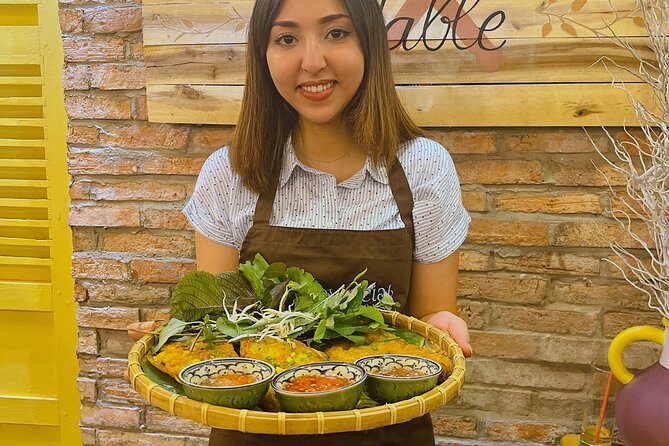
- Private cook station for each person so you stay actively cooking during the full class
- Chef-led, interactive 3-course menu focused on classic flavors and techniques across Vietnam
- Typical dishes you may cook include spring rolls, Vietnamese pancakes, and pho (menu depends on the day)
- Take-home recipe book mentioned as a highlight in recent experiences
- Small group size (max 20) which helps the pace stay human
- Mobile ticket and a clear meeting point in District 1 to make it easy to start
The Setting: District 1 cooking class basics that matter
You’ll meet at 131/3 Nguyễn Thị Minh Khai, Phường Phạm Ngũ Lão, Quận 1 and the experience returns you back there. That matters because you can plan the rest of your day in Ho Chi Minh City without a complicated commute.
The class runs about 3 hours 30 minutes, which is a comfortable length for beginners. You get enough time to practice skills, not just assemble a plate and call it a day. Also, the format is small, with a maximum of 20 travelers, so the chef can check in without the whole room turning into a production line.
You can also read our reviews of more cooking classes in Ho Chi Minh City
What the class really gives you: technique, not just food
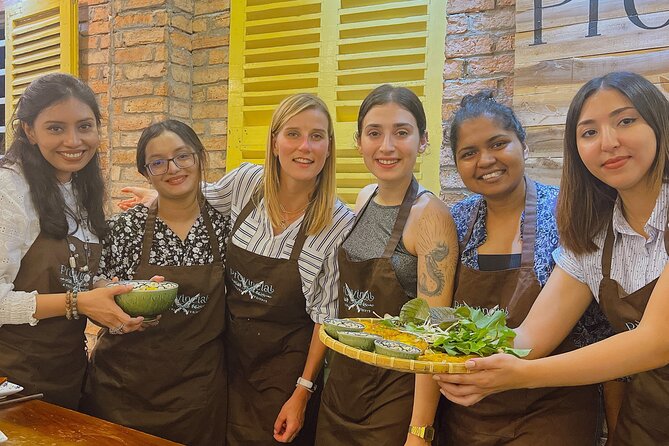
This is not a sit-and-watch show. The whole point is that you work through a 3-course chef-led meal using ingredients provided, with a private station set up for you.
The daily menu is designed around classic Vietnamese dishes and the way flavors move across the country. Even when you are cooking relatively familiar foods, you’ll usually come away with small technique details that are easy to forget when you cook at home. That includes how you approach fresh rolls and dipping balances for savory dishes, and how you think about building flavor for soups like pho.
If you’re someone who wants to eat well in Vietnam and understand why it tastes the way it does, this format is a good match. You’re learning from a chef in real time, which makes the lessons feel practical rather than theoretical.
The 3-course flow: what you can expect to cook
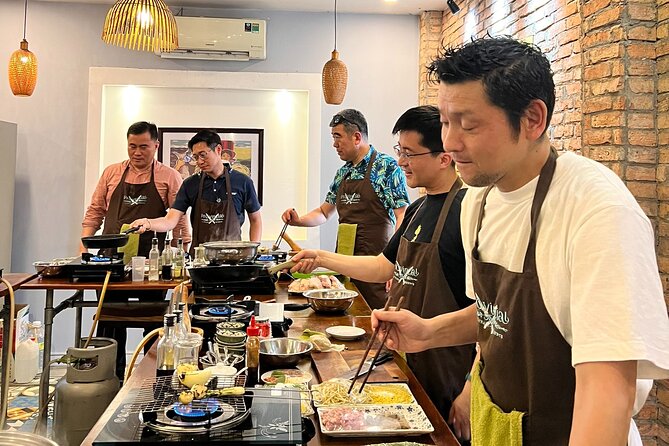
The class uses a traditional, classic Vietnamese menu built for hands-on instruction. Based on the dishes people highlight most from this experience, you should expect at least one of these core items to be part of your course plan:
Course 1: Spring rolls, start to finish
Spring rolls are a smart first course because they teach process. You typically work through preparation steps at your station, then assemble in a way that shows how texture and wrapping matter. When people mention how good the food tastes, it usually connects to freshness and technique, not just ingredients.
Course 2: Vietnamese pancakes and the batter mindset
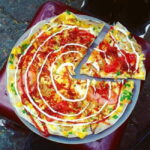
Vietnamese pancakes often feel simple on a menu but trickier in the pan. In a beginner-friendly class format, you learn how the batter behaves, how to manage heat, and how to use the pancake as a vehicle for toppings and sauce balance. This is where a chef’s corrections make a difference because small timing changes show up right away.
You can also read our reviews of more tours and experiences in Ho Chi Minh City

Course 3: Pho basics with real flavor practice
Pho is the dish most people associate with Vietnamese cooking, and that makes it a memorable finish. In a structured class, you get hands-on steps that help you understand the fundamentals: how flavors come together and what makes a bowl taste finished rather than flat. Even if pho is not your home-cooking specialty, you’ll come away with something you can repeat.
Important note: the exact menu can vary by day since the chef prepares a daily classic menu. Still, the dish trio people often name in this experience gives you a strong sense of where the class is headed.
Meeting your chef: why the instructor personality matters
Chef-led classes live or die on the instructor. In these experiences, the chef is often described as warm, friendly, and fun, and one instructor name you may see is Alice. That matters because Vietnamese cooking is practical. You need someone who can explain steps clearly and keep you from getting frustrated when something in the pan or assembly process needs adjustment.
A good chef also helps you avoid the common beginner mistakes. For example, with things like pancakes or wrapping, the difference between a so-so result and a great one can be something small: heat, timing, thickness, or how firmly you assemble. You don’t want to just learn the recipe; you want to learn the working habits.
Private station setup: how you stay in the action
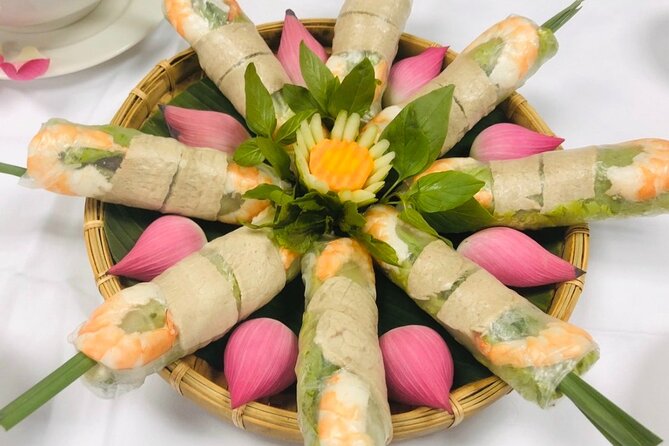
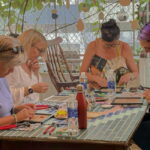
A standout detail here is that each guest gets a private cook station. That changes the whole experience compared with group demonstrations. You’re not waiting your turn while everyone else cooks. You’re actually moving through the steps at your own pace and getting direct help when you need it.
This also makes the class feel less intimidating if you have never cooked Vietnamese food before. You get to make mistakes in a controlled setting where the chef can correct you quickly. And because the class is limited to a small group, you’re more likely to get attention when you’re mid-step rather than at the very end.
Food quality and taste: what $30 buys in real terms
At $30 per person, you are not just paying for a lesson. You’re paying for the ingredients, the setup, and the chef-led instruction for a full 3-course meal.
Here’s the practical value: Vietnamese cooking is ingredient-driven. When you cook with fresh items and correct portions rather than trying to shop piecemeal later, you get a clearer idea of what to buy and how much. That’s one reason a lot of people walk away saying the food tasted especially good.
Also, one repeated highlight is that the food is freshly made with quality ingredients. That is exactly what you want from a cooking class: you learn while eating something you can feel good about, not a token bite that tastes like it came from a prep kitchen.
The recipe book: your ticket to cooking at home
One of the most useful takeaways is a recipe book provided at the end. That’s not just a souvenir. It turns your memory of what you did into an actual home plan.
If you’ve ever returned from a cooking experience and realized you remember the flavor but not the steps, the recipe book solves that problem. It gives you a reference point for the next time you want to recreate spring rolls, Vietnamese pancakes, or a pho-style bowl.
Timing in real life: fitting 3 hours 30 minutes into your day
A 3.5-hour cooking window is long enough to learn, but short enough that you can still enjoy your Ho Chi Minh City day. Since the class starts at a specific District 1 meeting point and ends back there, it works well if you want to avoid complicated transfers afterward.
I suggest you build your schedule around a simple idea: eat after your class, not before it if you can. You’ll likely want to enjoy the courses you make, and you do not want a heavy lunch to ruin your appetite. If you’re juggling other plans, treat this class like the anchor activity.
Space and comfort: the one concern to plan around
There’s one drawback worth mentioning: the cooking space can be small, and that can affect comfort. In practice, that means you might feel close to other stations or working areas, especially when everyone is actively cooking at the same time.
If you’re someone who likes lots of elbow room, go in with a calm mindset. The payoff is hands-on learning, and in a kitchen classroom that often comes with smaller physical space than a restaurant kitchen.
Who should book this class (and who might skip it)
This class suits you if:
- You are a beginner or intermediate cook and want a structured path through Vietnamese dishes
- You like interactive learning with a chef who can correct your technique in real time
- You want a fun, practical way to experience Vietnamese flavors without relying only on restaurant meals
- You want a take-home recipe book for repeating the dishes later
You might consider skipping if:
- You are very sensitive to tight working spaces
- You are looking for an all-day deep cultural tour with stops around town (this is mainly a kitchen-based experience)
- You prefer cooking to be highly hands-off, because this is built around participation
Quick FAQ: practical questions before you go
Is this a 3-course class?
Yes. The experience is a 3-course chef-led cooking class where you cook a traditional Vietnamese meal.
Where is the meeting point?
You’ll start at 131/3 Nguyễn Thị Minh Khai, Phường Phạm Ngũ Lão, Quận 1, Hồ Chí Minh 711106, Vietnam. The activity also ends back at the meeting point.
How long does the class take?
It runs for about 3 hours 30 minutes.
What’s the group size limit?
The experience has a maximum of 20 travelers.
Do I get a ticket on my phone?
Yes, it uses a mobile ticket.
Are spring rolls, pho, and Vietnamese pancakes included?
The class menu is described as classic Vietnamese dishes for the day, and spring rolls, Vietnamese pancakes, and pho are dishes people highlight from this experience. Exact dishes can vary by the daily menu.
Should you book this Ho Chi Minh City cooking class?
I think this is a smart booking if you want real skills, not just a meal. Private stations, a small group, and a chef-led structure are the big reasons the experience is worth it. At $30 for a full 3-course session, plus a recipe book you can use later, the value is solid—especially for first-time Vietnamese cooking.
If the idea of a tight cooking space might bother you, take that into account before booking. But if you’re comfortable working in a classroom-kitchen setting for a few hours, this is exactly the kind of activity that makes your Vietnam trip stick in your memory for the right reasons: you come home knowing how to make the flavors, not just taste them.
FAQ
How do I get confirmation after booking?
You’ll receive confirmation at the time of booking.
Is there free cancellation?
Yes. Free cancellation is available, and you can cancel up to 24 hours in advance for a full refund.
What happens if I cancel within 24 hours?
If you cancel less than 24 hours before the experience starts, the amount you paid will not be refunded.
Can I bring a service animal?
Yes, service animals are allowed.
Is this close to public transportation?
Yes, it is near public transportation.
Does the activity return to the same place it starts?
Yes. The experience ends back at the meeting point.

![[Free E-sim] Half day Instagram Cafe Tour in Ho Chi Minh - Tan Dinh Church: The Pink Church stop that anchors the vibe](https://3.saigonplanner.com/wp-content/uploads/free-e-sim-half-day-instagram-cafe-tour-in-ho-chi-minh-400x267.jpg)