REVIEW · HO CHI MINH CITY
Using Medium Format film camera to discover Saigon
Book on Viator →Operated by Bui Hoang Tu · Bookable on Viator
Saigon changes when you see it through a film viewfinder. This 3 to 4 hour private Ho Chi Minh City experience trades selfie-speed sightseeing for slow looking: you pick up a medium-format TLR camera and one roll of black-and-white film, then you learn to frame the city while you sip coffee and wander local back streets. I especially love the stop at a 90-year-old coffee shop where you can sit and taste Vietnam’s coffee culture like a regular, and I love that the limited roll nudges you to be more thoughtful with every shot. One thing to consider: the pace is tied to analog photography, so you’ll get fewer images than a phone camera day, and the experience needs good weather.
You start in Quận 1 and end at Chợ Bàn Cờ in Quận 3, with a private group and a built-in local connection. The guide, Bui Hoang Tu, helps you break the ice with translation, which matters a lot when you’re talking to people in alley markets and near older apartment buildings.
In This Review
- Key highlights you’ll feel right away
- How a medium-format TLR changes how you see Saigon
- Coffee at a 90-year-old shop and the 1968 HCMC building
- Wandering alley street markets with hands-on analog practice
- That hidden older apartment stop and why it’s worth your time
- Food culture you’ll actually notice while shooting
- Meet Bui Hoang Tu: translator, guide, and friction-free local connection
- Price and what you get for $148.27 per person
- Timing, weather, and the reality of analog shooting
- Who this Saigon analog photography experience is best for
- Should you book this TLR medium-format film tour in Saigon?
- FAQ
- FAQ
- How long is the medium format film camera experience in Ho Chi Minh City?
- What is the price per person?
- What’s included in the tour price?
- Do I need to bring my own camera or film?
- Is transportation included?
- Where does the tour start and end?
- Is this a private tour?
- What happens if the weather is bad?
- Can I join if I have no experience with film photography?
Key highlights you’ll feel right away
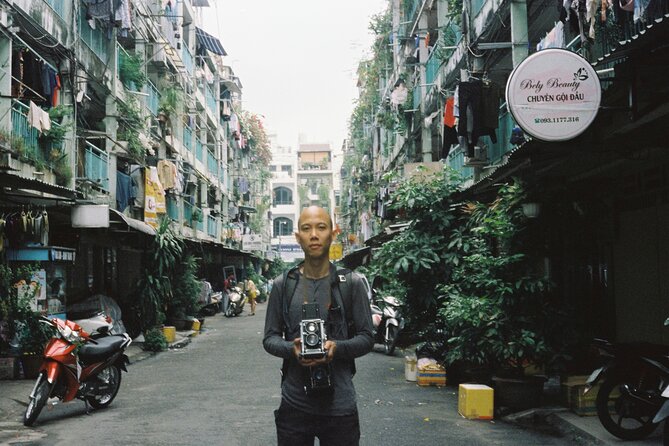
- Medium-format TLR camera + one roll of B&W film: you shoot less, so you pay attention more.
- Coffee first, not last: a sit-down stop at a long-running 90-year-old coffee spot.
- Alley street markets practice: you learn by doing, winding through real neighborhood lanes.
- Analog photography coaching: a short practical brief before you start shooting.
- Local help to connect: Bui Hoang Tu translates and helps you talk like a person, not a passing audience.
- Old apartment building stop: you see Saigon textures you’d likely skip on a typical photo walk.
How a medium-format TLR changes how you see Saigon
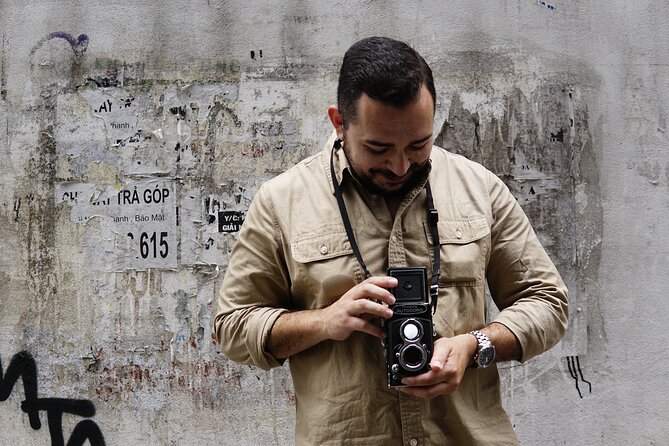
This isn’t a usual “walk and look” photo tour. The point is the camera itself. A TLR medium-format setup forces you to slow down—compose on purpose, think about light, and accept that each frame counts. In a city that moves fast, that’s a good kind of friction.
You’ll start by getting the analog camera and the one roll of film included in the experience. Then you get a short briefing on how to use it. Even if you’ve never touched film before, the goal is clear: you should leave knowing how the camera behaves and what to watch for while shooting in daylight streets.
The best part for me is the mindset shift. With only a single roll, you can’t spray and pray. You’ll likely find yourself pausing more, noticing small gestures—someone stirring a cup, a vendor arranging goods, a shadow cutting across a walkway—and deciding what’s worth capturing. That’s the kind of “real-world” photo lesson you can feel instantly, not just read about later.
You can also read our reviews of more tours and experiences in Ho Chi Minh City.

Coffee at a 90-year-old shop and the 1968 HCMC building
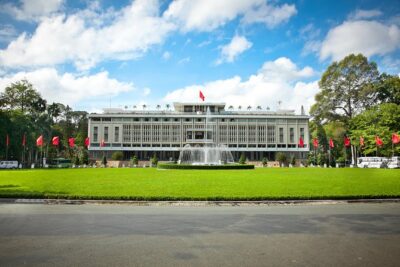
The tour begins with a coffee stop that’s more than a caffeine break. You’ll have about an hour to explore one of the oldest coffee shops in town and then also see the 1968 building of Ho Chi Minh City during this first stretch.
Why this matters: in Saigon, coffee isn’t an add-on. It’s part of daily rhythm. Sitting down gives you time to observe how locals order, talk, and carry on without rushing you toward the next photo stop. When you’re shooting film, sitting also helps your eyes adjust. You can look at contrast—dark coffee on light tables, bright faces against shaded corners—and then carry that awareness to the streets.
The 1968 building connection gives you a visual anchor too. Even without a deep history lecture, seeing older architecture in your first hour helps you understand what you’re photographing. This tour seems built for people who want their photos to feel grounded in place, not just Instagram backgrounds.
Practical note: since the experience depends on good weather, plan to wear something comfortable for street time. If it’s bright, you’ll likely have an easier time reading light and shadows through the viewfinder.
Wandering alley street markets with hands-on analog practice
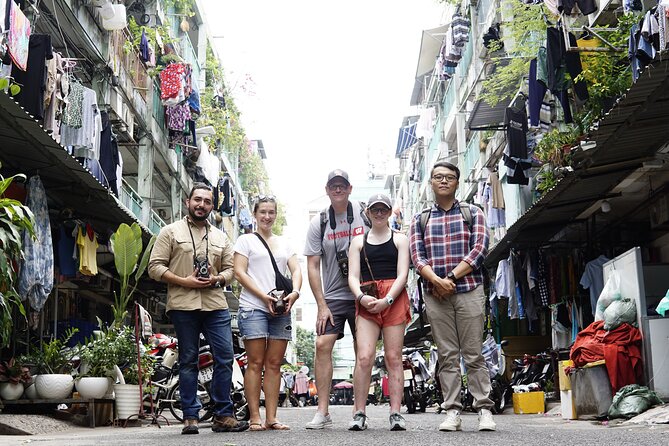
After coffee, the tour turns into real shooting practice. You’ll wind your way through nearby alley street markets, and you’ll use the camera while you go. This is where the experience earns its value: you’re not just learning theory. You’re learning by navigating.
Alley markets are great for medium-format film because they naturally create layered compositions. You’ve got depth—things closer to you, things further down the lane, signs stacked at odd angles. The lanes also give you lots of light situations: bright open entrances, darker covered stretches, and faces caught between.
This is also where the “relic” charm matters. A TLR isn’t a phone. It’s older, more mechanical, and it makes you deliberate. That can be frustrating for the impatient, but for most people it’s exactly the point. You’ll likely come away more reflective because the camera won’t let you forget that you have limited frames.
One consideration: alley markets can be crowded. You’ll want to handle the camera carefully around people and move with the group. If you’re the type who hates slowing down, this part may feel like “too much training” at first. If you can relax into the process, it becomes the highlight.
That hidden older apartment stop and why it’s worth your time
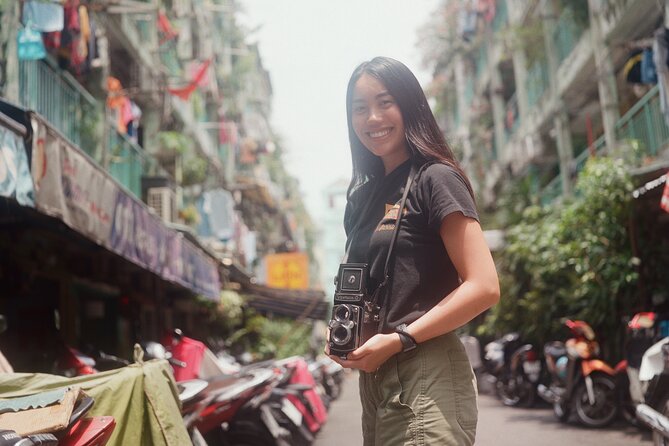
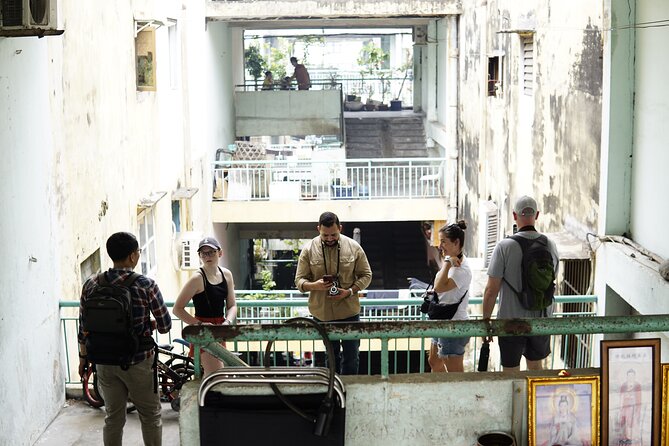
One of the tour’s promises is a local touch beyond the obvious sights, including an old apartment building hidden in town. You’ll also practice your photography while you’re there.
Even without details like exact addresses or architectural features in the information you’re given, the value is clear: older residential buildings show you Saigon’s lived-in side. Markets are one layer. Apartments are another. They help your photos avoid the common tourist trap of only photographing storefronts and street corners that are designed for visitors.
For your pictures, that means texture—stairs, entrances, everyday surfaces, windows at human scale. For the experience itself, it means you’re seeing the city not as a set, but as a place people actually live.
If you’re hoping for famous monuments every five minutes, this may feel quieter than you expect. But quiet can be productive with analog film. The calmer moments tend to produce stronger frames.
Food culture you’ll actually notice while shooting
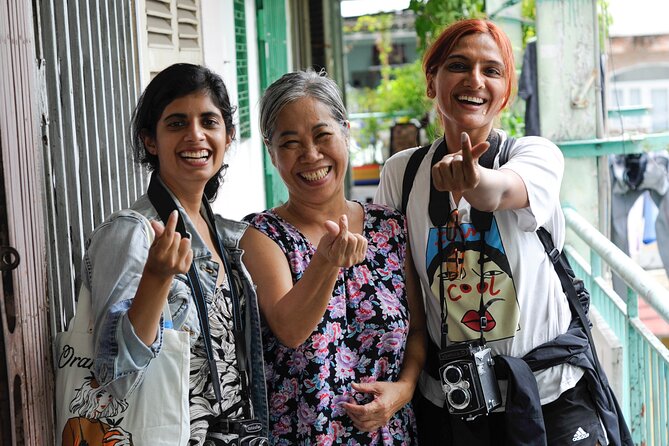
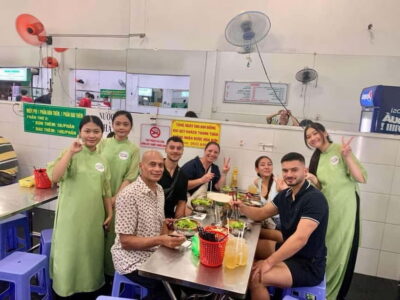
The experience is explicitly built around coffee and street food culture. While you’re walking, you’re encouraged to pause and connect rather than just pass through.
Think of it like this: when you hold a film camera, you stop “consuming.” You start noticing. You’ll be watching what food setups look like, how people interact around small tables or containers, and how street life shapes color and contrast. Even if the tour doesn’t spell out specific dishes, the focus on food culture means your route is chosen to keep you near everyday eating spaces.
And because your guide helps with translation, you’re in a better position to ask simple questions or understand what you’re seeing. That changes the street food experience from background ambiance into actual human conversation.
Meet Bui Hoang Tu: translator, guide, and friction-free local connection
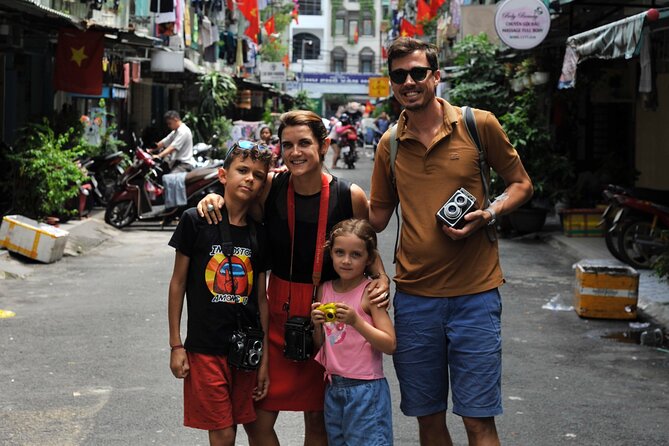
A big part of this tour’s appeal is that the guide helps you break the ice. Bui Hoang Tu is the provider, and the experience is designed around his role as a connector and translator.
That matters more than it sounds. In small lanes and markets, where signs and English are limited, language can become a barrier that stops you from asking questions. Translation support lowers that barrier. Suddenly you can be curious instead of stuck.
It also helps with comfort. If you’ve ever felt awkward hovering near vendors with a camera, you know how quickly that turns into stress. A local guide can explain what’s going on, help you read social cues, and keep your interactions respectful.
If you want one-day Saigon photos that feel personal, this “talk to people” aspect is one of the strongest reasons to book.
Price and what you get for $148.27 per person
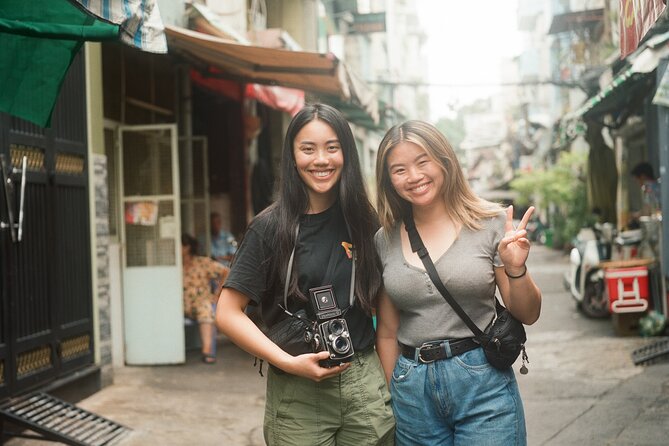
At $148.27 per person for about 3 to 4 hours, you’re paying for more than a walk. You’re getting a private guided experience, translation support, coffee or tea, and the core tool: an analog TLR camera plus one roll of black-and-white medium format film.
Here’s the value breakdown that makes sense for this kind of experience:
- The camera and film are part of the package. That’s a practical cost you’d otherwise handle yourself if you wanted to try medium-format photography.
- The guide time is private and short enough to feel focused, not dragged out.
- The coffee/tea is included, and it’s used as a real cultural anchor, not a quick stop.
What’s not included is private transportation, so you’ll be doing local getting-around on your own. The start point is at 73/8 Hồ Hảo Hớn, Phường Cô Giang, Quận 1, and the tour ends at Chợ Bàn Cờ, Phường 3, Quận 3. The good news: it’s noted as being near public transportation.
My practical advice: treat the price like a “camera lesson + cultural walk” fee. If you’re the kind of traveler who values equipment access and guided connection, it’s strong value. If you just want lots of photos with minimal interaction, you may feel like it’s more expensive than a standard walking tour.
Timing, weather, and the reality of analog shooting
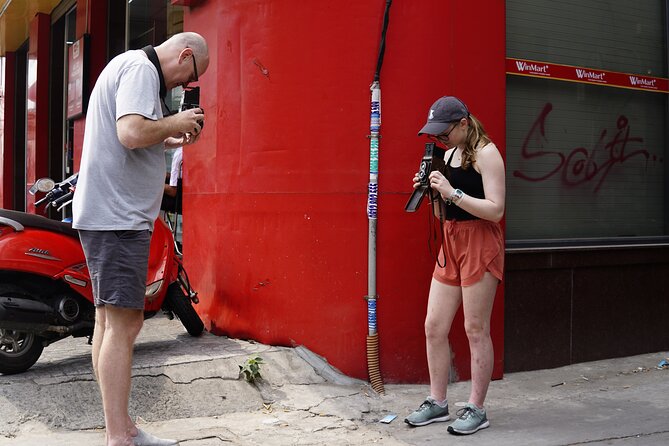
The total experience is listed as 3 to 4 hours. You’ll have roughly an hour at the first main coffee/architecture segment, then you’ll continue through neighborhood streets and market lanes.
Two things can affect how smooth it feels:
- Good weather is required. This is stated directly, and it makes sense: you’ll be out shooting and walking with a film camera.
- You’ll be limited by the film roll. That’s not a flaw; it’s the learning device. But if you’re expecting to capture everything, you might get disappointed.
If you’re planning your day around this, give yourself some breathing room. Don’t stack it right next to something you can’t miss. Instead, aim for a slot where you can enjoy the process without feeling rushed.
Who this Saigon analog photography experience is best for
This experience fits best with travelers who:
- Want authentic local rhythm more than headline sightseeing
- Are curious about film photography, or at least curious about why it changes how you see
- Like coffee and street food culture as a lens for understanding a city
- Prefer a private group with translation and real conversation
It may be less satisfying if you:
- Need to produce a large number of photos quickly
- Prefer phone-based shooting that you can review instantly
- Want a monument-heavy route rather than neighborhood lanes and daily life
For most people, though, the combination of camera instruction, analog constraints, and guided local connection is a rare mix. It’s not only about taking pictures. It’s about practicing attention.
Should you book this TLR medium-format film tour in Saigon?
I’d book it if you want Saigon in a more human scale. The experience uses a medium-format TLR and black-and-white film to slow you down, then balances that with real cultural anchors: coffee in a long-running 90-year-old shop and walking through market alleys where street life is the subject.
You should also consider booking if you like the idea of asking questions with help from Bui Hoang Tu, instead of photographing from a distance. That translator element is a practical advantage for day-to-day city interactions.
Skip it only if you’re chasing maximum photo volume or you’re not comfortable being out in the weather. Analog photography has a learning curve and a pace. The payoff is that your shots tend to feel intentional, not accidental.
FAQ
FAQ
How long is the medium format film camera experience in Ho Chi Minh City?
It runs about 3 to 4 hours.
What is the price per person?
The price is $148.27 per person.
What’s included in the tour price?
Coffee and/or tea are included, along with an analog camera and one roll of film.
Do I need to bring my own camera or film?
No. You’ll pick up a TLR camera during the experience and receive one roll of black-and-white medium format film as part of the tour.
Is transportation included?
No, private transportation is not included.
Where does the tour start and end?
It starts at 73/8 Hồ Hảo Hớn, Phường Cô Giang, Quận 1, Thành phố Hồ Chí Minh 70000, Vietnam, and ends at Chợ Bàn Cờ, Phường 3, Quận 3, Thành phố Hồ Chí Minh, Vietnam.
Is this a private tour?
Yes. It’s private, so only your group participates.
What happens if the weather is bad?
The experience requires good weather. If it’s canceled due to poor weather, you’ll be offered a different date or a full refund.
Can I join if I have no experience with film photography?
Most travelers can participate. You’ll get a short brief about how to use the camera before you start shooting.