REVIEW · HO CHI MINH CITY
From Ho Chi Minh: Mekong Delta Can Tho Floating Market 2-Day Tour
Book on Viator →Operated by SST TRAVEL · Bookable on Viator
Floating markets hit different early. This 2-day Mekong Delta trip from Ho Chi Minh City strings together big sights with hands-on moments: Vinh Trang Pagoda, boat time on the Tien River, and the famous Can Tho floating market.
I especially love the mix of small-boat experiences (including a rowboat ride) and food-focused stops, like tasting seasonal fruit and visiting a honey farm and a Ben Tre coconut candy factory. And you don’t just get photos—you get context from an English-speaking guide, with people highlighting guides like Ry, Sam, Lily, and Phat.
One consideration: the schedule is long (about 18 to 20 hours end to end), and the pace packs a lot in, so plan for a full-on trip, not a slow weekend stroll.
In This Review
- Key points to know before you go
- Vinh Trang Pagoda: the calm start before the river rush
- Boat time on the Tien River: rowboat closeness plus cruise views
- My Tho to Can Tho: honey farm, coconut candy, and local rhythm
- Can Tho at night: use the free time wisely
- Cai Rang floating market: how the morning feels different
- Historic house stop and cooking class: eat your way through the delta
- Village cycling at 2:00 PM: meet locals on footspeed terms
- Price and value: what $47 actually buys you
- Pacing, logistics, and what to expect day to day
- Who this Mekong Delta tour fits best
- Should you book this Mekong Delta tour?
- FAQ
- How long is the Mekong Delta Can Tho tour?
- Where do you start and end?
- What’s included in the price?
- Is dinner included?
- What boat activities are part of the trip?
- Do you get time to explore Can Tho at night?
- How much flexibility is there if plans change?
Key points to know before you go
- Vinh Trang Pagoda sets the tone: a calm, iconic start in the My Tho area before river time.
- Rowboat + Tien River cruise: you’ll feel close to the waterway instead of just watching from a bigger boat.
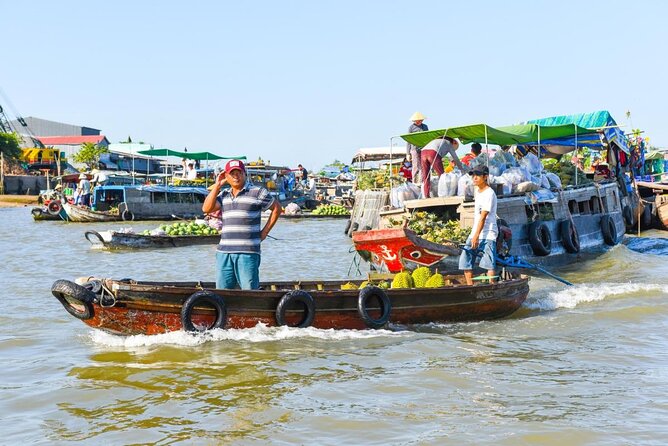
- Can Tho’s Cai Rang floating market in the morning: active, food-focused, and paired with rice noodle-making.
- Hands-on food: you’ll join a cooking class for Bánh Xèo or Bánh Khọt, then eat what you make.
- Village cycling adds a human scale: a chance to see daily life beyond the boats.
- Value is strong for a two-day package: transport, guide, meals, entrance fees, boats, and one-night accommodation are included.
Vinh Trang Pagoda: the calm start before the river rush
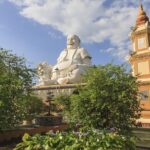
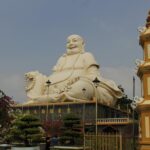
The day begins with a morning pickup around 7:30 AM, aimed at getting you out of Ho Chi Minh City while it’s still relatively cool. The first major stop is Vinh Trang Pagoda in My Tho. It’s one of those places where the visual impact is immediate, but the atmosphere also helps you reset your brain before the Mekong gets busy.
What I like about starting here is how it balances the trip. You go from temple architecture and quiet space into river activity the same day, so you get both “place” and “people” without needing extra travel time. The tour also treats this stop as more than a quick photo stop, with enough time for you to take in the surroundings and get oriented to the region.
Practical note: since you’ll be outdoors and moving between vehicles and boats later, I’d wear something comfortable and breathable for the pagoda visit. Think “easy walking,” not “dress-up,” even though the site is impressive.
You can also read our reviews of more shopping tours in Ho Chi Minh City

Boat time on the Tien River: rowboat closeness plus cruise views
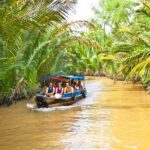
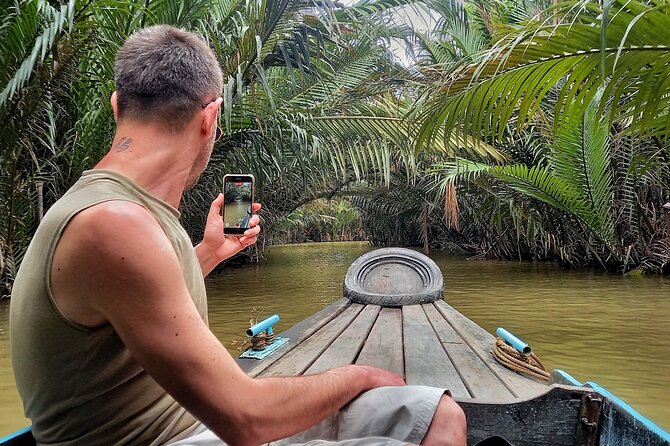
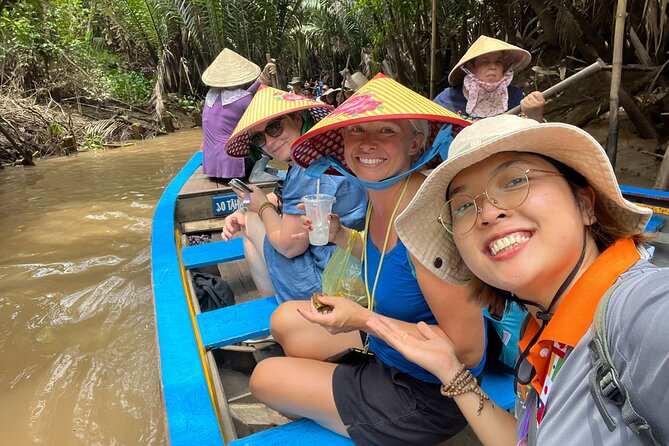
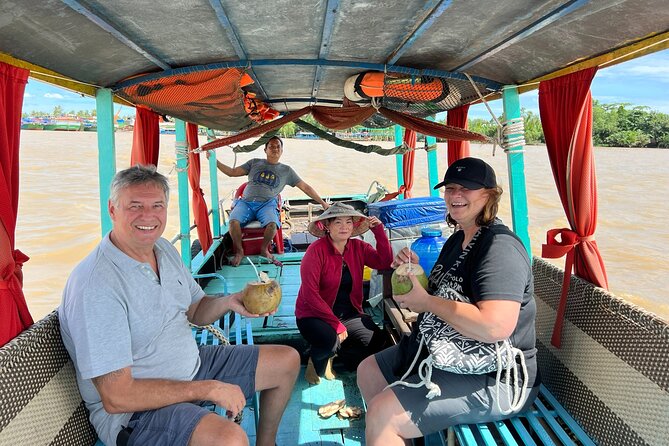
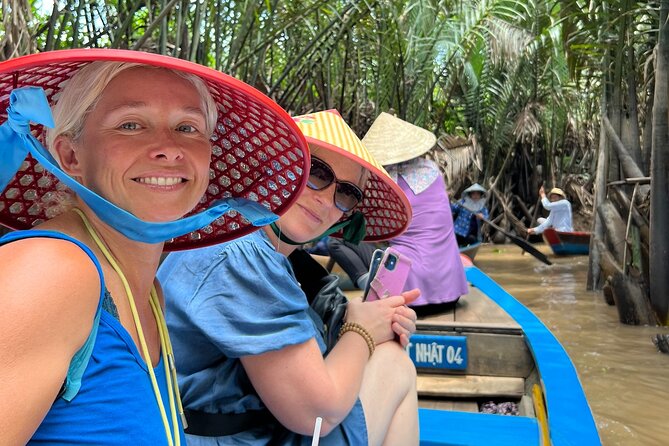
Then comes the part most people remember: boat time on the Mekong’s network, featuring both a motorboat cruise and a small rowboat ride. This is the best “up close” section of the trip because the rowboat portion is lower, slower, and more personal than big-boat sightseeing.
On the Tien River, you’ll get that classic delta feel: water as a working highway, not just scenery. The tour doesn’t just do the ride—it pairs it with small sensory moments, like tasting seasonal Western fruits and listening to Southern Vietnamese folk music. Those touches matter because they turn the day from transportation into experience.
What to expect:
- A few different boat phases (including the rowboat), so you’ll feel the scenery change with your speed and position.
- Outdoor time with sun exposure, since river activity runs during daylight.
- The chance to see daily life textures along the water, even if you’re not getting out and walking much.
If you’re worried about motion sickness: the cruise part is usually steadier than the rowboat. Still, take it seriously—bring what works for you and give yourself a quick break when you can.
My Tho to Can Tho: honey farm, coconut candy, and local rhythm
After lunch, the trip shifts from boating into Ben Tre-style delta production and tastings. You’ll visit a honey farm and a Ben Tre coconut candy factory, and the point isn’t just shopping. It’s understanding how many of these river communities turn local ingredients into jobs and products that travel beyond the canals.
Here’s why I think this part is valuable: the Mekong Delta can look like “just boats” if all you do is float. These stops connect the food and sweets you see later (and might even buy) to the people who make them. You get to watch and taste, which is more memorable than reading about it.
Then you head toward Can Tho, with check-in around the late afternoon (about 5:00 PM). That timing is useful because it gives you a proper hotel base and daylight fading into evening.
If you like structured-but-human travel, this is a good pairing: river motion in the morning, then slower observation and tasting, then a night in Can Tho.
Can Tho at night: use the free time wisely
The tour builds in free time to explore Can Tho at night after you check in. This is one of the smartest parts of the plan because it prevents the trip from feeling like a never-ending conveyor belt of stops.
Is it enough time for every activity under the sun? Probably not. But it’s enough to:
- walk around and get your bearings
- grab dinner on your own (dinner isn’t included in the package)
- follow your curiosity without being scheduled every five minutes
A small practical heads-up: the tour includes meals as per the schedule (so you’re covered for breakfast and lunches), but dinner is not included. The listing notes dinner can be arranged at ₫200,000 per person (if you choose that option), so decide early whether you want to eat with the group schedule or go independent.
Cai Rang floating market: how the morning feels different
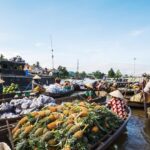
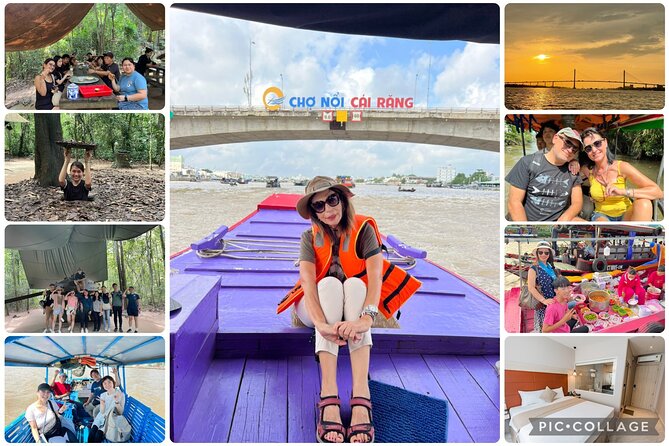
Day two starts again with an early start at about 7:30 AM for Cai Rang Floating Market, one of the most famous floating markets in the area. The big advantage of going in the morning is simple: boats and activity tend to be more intense when the market is fresh and people are actively selling.
You’ll see not just stalls, but also a cultural rhythm around food—plus the tour includes rice noodle-making as part of this morning experience. That’s an excellent add-on because it gives you something “real” to watch: how ingredients and cooking habits link back to what you’ll later eat in Vietnam.
What I recommend when you’re there:
- Focus on short observations first: how people load items, how boats pass, where sellers position themselves.
- Take photos, but leave room for your senses. Floating markets are noisy and busy, and the atmosphere is part of why the place works.
Also, this is where the trip justifies its “floating market” title. You’re not only seeing boats; you’re seeing the market as a system.
You can also read our reviews of more tours and experiences in Ho Chi Minh City

Historic house stop and cooking class: eat your way through the delta

After the floating market, you’ll head back for hotel check-out, then continue to a historic house visit. The house stop works as a bridge: you go from modern market motion back to something more rooted and architectural. Even if you’re not a museum person, this can help you understand why these communities look the way they do.
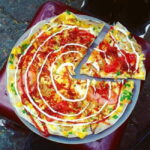
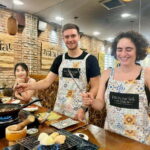
Then comes the part that turns the day into something you can take home: a cooking class where you’ll make Bánh Xèo or Bánh Khọt. You don’t just watch. You cook, and then you eat what you make.
Why this section is worth your time:
- It’s hands-on, so it sticks more than a lecture.
- It’s tied to real local flavors and techniques you can recognize later when you order food in Vietnam.
- It creates a calmer tempo after the fast-moving market morning.
If you’re picky about food or have allergies, plan ahead (the tour data doesn’t list dietary accommodations). At minimum, ask questions in advance so you’re not stuck improvising.
Village cycling at 2:00 PM: meet locals on footspeed terms
At about 2:00 PM, you’ll cycle through the village and meet locals. This is a smart finale because it slows things down after the boat-heavy day.
Cycling also gives you a different angle: instead of seeing the delta from water level, you see it from human pace—small roads, everyday movement, and the “between moments” that never make it into floating market photos.
A quick practical thought: if you’re not used to biking, you’ll likely be fine for a village loop, but still treat it as active time. Comfortable clothing helps, and you’ll want to stay aware of road conditions.
Price and value: what $47 actually buys you
The price is listed at $47.00 per person, and at this level, what makes it a deal is what’s included. You’re not just paying for a bus and a boat ticket.
Included in the package:
- Air-conditioned vehicle
- Professional English-speaking guide
- Meals: 2 lunches and 1 breakfast
- Boat trips (motorboat + small rowboat)
- Entrance fees
- 1-night accommodation (based on the selected package)
For a two-day trip that crosses multiple areas (My Tho, Can Tho, and the floating market), the included hotel and meals matter a lot. They reduce the “hidden costs” that often surprise people on day-trip packages. Add in the guide and boats, and $47 stops looking like a budget bargain and starts looking like a practical way to do the Mekong without juggling logistics yourself.
The tour also caps group size at 25 travelers, which helps keep things from feeling like total cattle-herding. It’s not a private tour, but it’s not a huge group either.
Pacing, logistics, and what to expect day to day
The trip runs about 18 to 20 hours, which is long enough that you should treat it like a commitment. On day one, you start early, visit Vinh Trang Pagoda, lunch, then river activities, then late afternoon travel to Can Tho and evening free time.
On day two, you’re up early again for Cai Rang, then check out, historic house, cooking class, and cycling before returning to Ho Chi Minh City.
This structure is why the experience tends to work for first-time Vietnam visitors. You get a lot of “big ticket” moments without having to plan boats, tickets, and meal stops yourself. Reviews also highlight smooth pickup and modern, clean transport—exactly what you want when you’re traveling long hours.
One small caution: because the day is full, you won’t have the kind of flexibility where you can linger for hours in one place. If you love going slow, you might find it intense. If you love checklists done well, you’ll like it.
Who this Mekong Delta tour fits best
I’d point you toward this tour if:
- you want one organized way to hit My Tho + Can Tho + a floating market
- you enjoy mixing sights with food (fruit tastings, honey and coconut candy, then cooking class)
- you’re okay with a long day in exchange for real variety
- you’re traveling solo or with a small group and want the social side of shared boat rides and meals
I’d think twice if:
- you dislike early starts and long travel blocks
- you want lots of free unscheduled time in Can Tho (you do get some night free time, but the overall schedule is packed)
This is also a good choice if you’re curious about how English-speaking guides connect the dots for visitors. People specifically mention guides like Ry, Sam, Lily, Ruby, and Phat as strong parts of the experience.
Should you book this Mekong Delta tour?
If you want a two-day Mekong experience that’s practical, food-forward, and structured around the big moments—this is a strong choice. The $47 price feels credible because the package includes boats, meals, entrances, a guide, and one night in Can Tho, which is usually where similar trips nickel-and-dime you.
Book it if you can handle an 18–20 hour day and you’ll enjoy active, guided time. Pass if you want maximum freedom to wander on your own all day long.
My final advice: go in thinking you’re getting both the scenery and the everyday life behind it—pagoda calm, river closeness, floating market food culture, and cooking class skills you can actually use later.
FAQ
How long is the Mekong Delta Can Tho tour?
It runs about 18 to 20 hours total.
Where do you start and end?
You start with pickup around 7:30 AM in Ho Chi Minh City (within 1 km of District 1), and the tour ends back at the meeting point.
What’s included in the price?
The tour includes air-conditioned transport, an English-speaking guide, 2 lunches and 1 breakfast, boat trips, entrance fees, and one-night accommodation.
Is dinner included?
Dinner is not included. The listing notes dinner is ₫200,000 per person if you choose that option.
What boat activities are part of the trip?
You’ll take a motorboat cruise and also a small rowboat ride.
Do you get time to explore Can Tho at night?
Yes. After checking into your hotel on day one, you have free time to explore Can Tho at night.
How much flexibility is there if plans change?
You can cancel for a full refund up to 24 hours before the experience starts.