REVIEW · HO CHI MINH CITY
Afternoon Half-Day Introduction to Saigon Tour
Book on Viator →Operated by Grayline Vietnam Threeland Travel · Bookable on Viator
A 4-hour tour in Saigon can change everything. This one strings together the big “first-timer” sights—Reunification Palace, the War Remnants Museum, Ben Thanh Market, and the Jade Emperor Pagoda—so you don’t waste your limited time figuring out routes. It’s built for an afternoon pace with hotel pickup and drop-off, which matters in a city that can feel chaotic if you’re arriving cold.
Two things I really like: the itinerary hits both political landmarks and daily-life color (palace plus Ben Thanh Market), and the guide support is strong with an English-speaking guide plus air-conditioned transport, bottled water, and a cool towel/tissue to keep things comfortable. One consideration: it’s a lot of stops in a short window, so you’ll be moving often and spending less time in each place than if you went independently.
In This Review
- Key Takeaways Before You Go
- Afternoon Pickup and the 4-Hour Rhythm That Works
- Reunification Palace: The End of the War, Up Close
- French Colonial Saigon: Notre-Dame Basilica and the Central Post Office
- Ben Thanh Market: Souvenirs Without Getting Stuck
- War Remnants Museum: A Vietnam-Focused Look at the U.S.-Vietnam War
- Jade Emperor Pagoda: Taoist Temple Detail After the Museums
- Price and Value: What $50 Buys You in Real Life
- Group Size, Guide Support, and Staying On Schedule
- Should You Book This Half-Day Introduction to Saigon?
- FAQ
- What time does the tour start and when is pickup?
- How long is the Afternoon Half-Day Introduction to Saigon Tour?
- What attractions are included on the route?
- Is hotel pickup and drop-off included?
- What’s included in the price, and what isn’t?
- Is the tour limited to a small group?
Key Takeaways Before You Go
- Hotel pickup and drop-off keep your afternoon stress low, especially if you’re not staying in the center.
- Reunification Palace and the command areas give real context to the end of the Vietnam War.
- War Remnants Museum focuses on U.S.-Vietnam conflict, including topics like Agent Orange and wartime tactics.
- Ben Thanh Market is your quick chance to browse for souvenirs without getting lost in side streets.
- Jade Emperor Pagoda adds a very different scene after the museums, with Taoist temple detail.
- Small group size (max 16) usually makes it easier to ask questions and stay on schedule.
Afternoon Pickup and the 4-Hour Rhythm That Works
This tour runs in the afternoon. You’re picked up from your hotel around 1:30pm (the exact time is confirmed when you book/reconfirm), then you roll out by air-conditioned vehicle with an English-speaking guide. The total time is about 4 hours, so think “great highlights, not slow sightseeing.”
That short time window is both the strength and the trade-off. It’s great if you want to get oriented fast—where the major landmarks are, what each one represents, and how Saigon’s layers fit together. But if you like lingering, taking photos for long stretches, or reading every exhibit panel, you may feel a little rushed at some stops.
The comfort touches help. You get bottled water (one per person) and a cool towel/tissue, which is handy in Saigon’s heat. The vehicle is also air-conditioned, so you’re not cooking between sites. If you’re sensitive to humidity, this matters more than it sounds.
You can also read our reviews of more tours and experiences in Ho Chi Minh City


Reunification Palace: The End of the War, Up Close
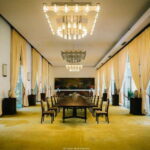
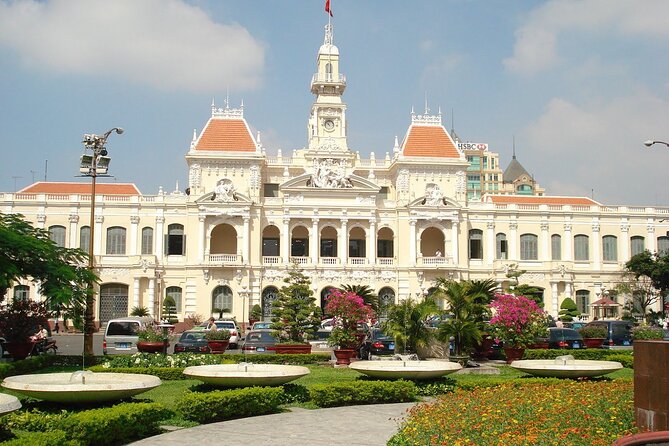
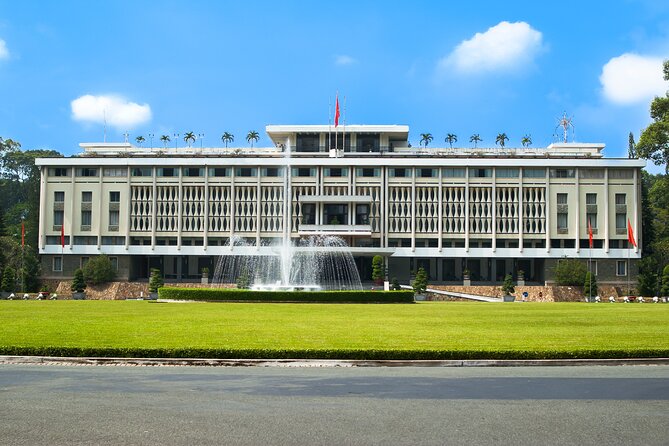
Your first big stop is Reunification Palace—sometimes referred to as the Independence Palace. The key value here is that you’re not just seeing a building. You’re seeing the place tied to the Fall of Saigon on April 30, 1975, and your guide explains what happened and why it mattered.
Inside, you get a structured visit that typically includes:
- A walkthrough that helps you understand the building’s role during the final days of the war
- A peek into the war command room
- Sight of a preserved F5E fighter plane associated with bombing of the palace back in 1975
Even if you’re not a history nerd, the palace tends to land. It’s the kind of site where the details—rooms, equipment, and how the layout supported command functions—turn broad facts into something you can actually picture.
One practical note: this is a museum-like experience inside a landmark. You’ll want comfortable shoes and a steady pace. Also, photography rules can vary by area, so follow your guide’s cues.
French Colonial Saigon: Notre-Dame Basilica and the Central Post Office
After the palace, the tour moves through the French colonial area. This part is less about one event and more about architecture and atmosphere—the “other Saigon,” when the city had a very different administrative identity.
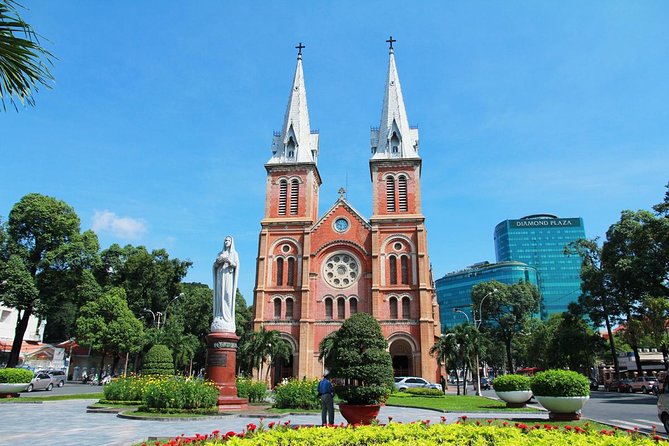
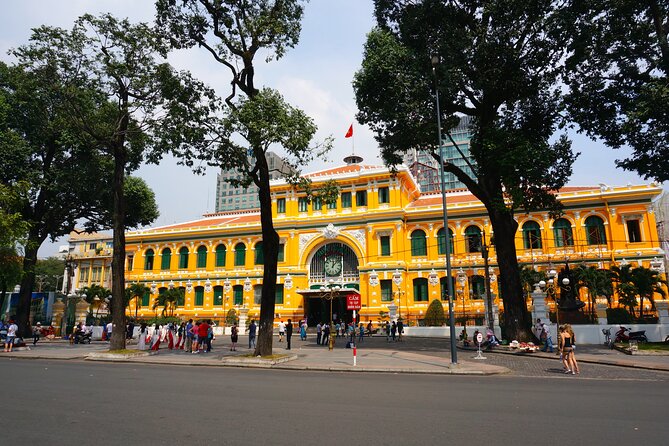
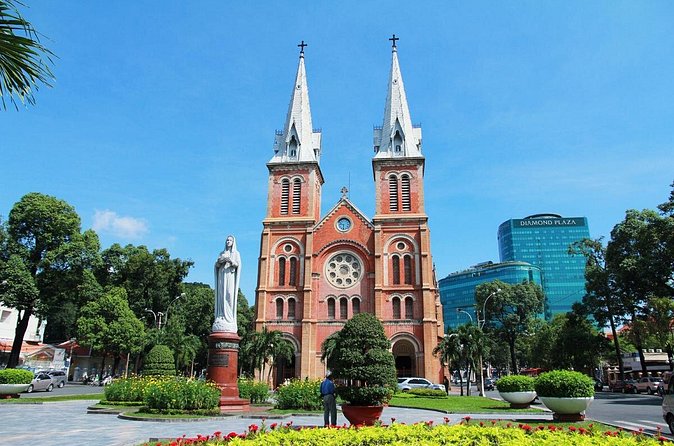
You’ll stop to admire Notre-Dame Basilica and view the old Central Post Office nearby. The setting is a good reset after the heavy war context. The buildings give you a visual contrast: sharper lines, European-influenced facades, and those postcard-style angles you’ll want for photos.
Why this works on a short tour: you get landmark recognition without needing a separate half-day just for architecture. You’re also not just passing by; you’re actually given time to look and connect the dots for your later self-exploration.
The only caution is time. Since the whole tour is only about four hours, this is a “see it, enjoy it, move on” stop. If you fall in love with the details (and many people do), you’ll probably want to come back another day on your own.
Ben Thanh Market: Souvenirs Without Getting Stuck
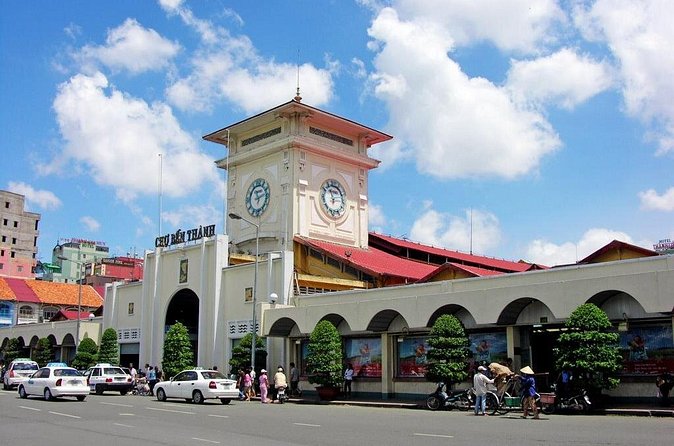
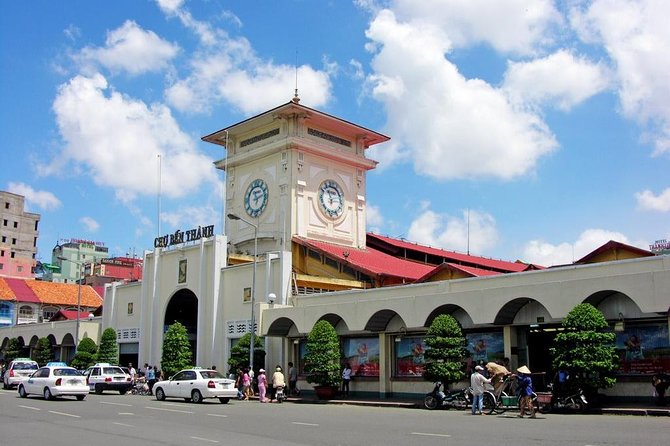
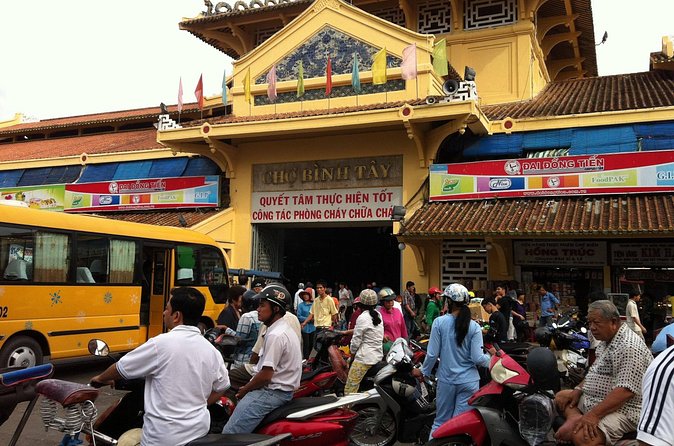
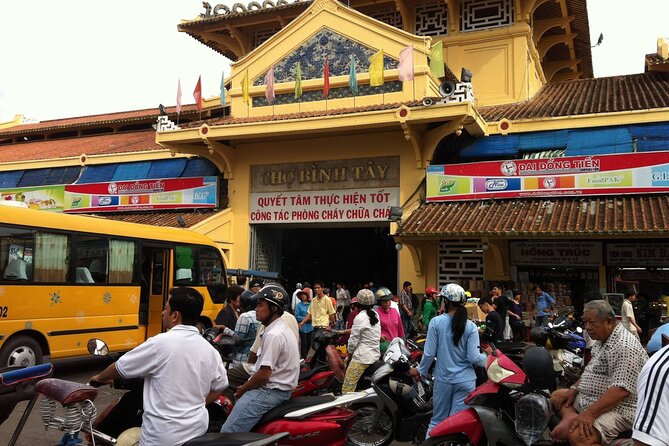
Next up is Ben Thanh Market, and it’s a smart inclusion for first-time visitors. This is where Saigon’s shopping energy shows up immediately—stalls, small displays, and the kind of browsing that quickly turns into a scavenger hunt.
The tour gives you a chance to browse for souvenirs. That’s the main win: you can look around, compare items you notice elsewhere, and understand what’s commonly sold here—without worrying about navigating the market alone.
A practical tip: go in with a loose plan. If you know what you want (coffee, small gifts, textiles), you’ll be less tempted to buy the first thing you see. If you don’t know, just treat it like research—check price ranges and quality cues, then decide later.
Also, keep your energy in check. Markets can be noisy and crowded depending on the day and time. This stop is short on purpose, so use the time to browse, not to bargain for hours.
War Remnants Museum: A Vietnam-Focused Look at the U.S.-Vietnam War
The War Remnants Museum is arguably the emotional centerpiece of the itinerary. Here you learn more about the American–Vietnam War, plus the kind of wartime consequences that still shape conversations today.
You’ll see:
- Collections of military equipment, weapons, and memorabilia
- Information tied to Agent Orange and other devastating tactics used by both sides
This is where many people feel the biggest impact, and it’s also where you’ll notice the museum’s perspective. The tour language and the way exhibits are presented lean toward a Vietnam-centered viewpoint of the conflict. That doesn’t make it “wrong”—it just means you’re getting one lens. If you want balance, you can later read other perspectives on your own.
For value, this stop is strong because it connects the dots. You start with a palace tied to the war’s end, then move into the museum to understand what that war involved in real terms. The sequence makes the story easier to follow.
A small practical note: plan for emotionally heavy content. You don’t need to force yourself to read everything, but do give yourself a few minutes to absorb the main sections so the overall message makes sense.

Jade Emperor Pagoda: Taoist Temple Detail After the Museums
After the museum, the tour shifts again—this time into spiritual and artistic Saigon. You’ll visit Jade Emperor Pagoda, a Taoist temple dating back to the late 19th century and known for its decorative interior.
Why this stop is worth including on a short city intro: it changes your mental gear. After war museums and political landmarks, the temple brings craftsmanship, symbolism, and a different kind of focus—so your brain gets a break even while you’re still sightseeing.
The tour highlights its reputation as one of Saigon’s more richly decorated temples, and you’ll be able to see that in the visual design and attention to detail. If you’re the type who enjoys small things—sculpture work, incense-area atmosphere, and symbolism—this is a strong payoff at the end of the route.
As with all temples, be respectful of local customs and dress codes. Lightweight clothing is usually fine, but you’ll want to avoid anything too revealing.
Price and Value: What $50 Buys You in Real Life
At $50 per person for about four hours, this tour is priced like a practical city orientation—especially because it includes:
- Hotel pickup and drop-off
- An English-speaking guide
- Air-conditioned transport
- Bottled water (one per person)
- A cool towel/tissue
- Admission marked as included/free for the main featured sites on the route
That’s the key value point: transportation and guide time can cost real money on your own in a big city. Also, the guide helps you understand what you’re seeing, not just where it is.
What’s not included is straightforward: food and drinks and personal expenses. So if you’re doing the afternoon timing, you’ll likely want an early lunch before you go, or plan to grab something right after the tour ends.
Who gets the best deal from this tour?
- First-time visitors who want the essentials without chaos
- People short on time who still want a story-driven itinerary
- Travelers who like a mix of major landmarks plus one local shopping stop
If you already know Saigon well or you prefer slower, independent museum visits, you might find the pacing too quick. But for an intro afternoon, the structure is exactly what most people need.
Group Size, Guide Support, and Staying On Schedule
This tour runs with a maximum group size of 16, which is usually a sweet spot. It’s large enough that the logistics are smooth, but small enough that you can ask questions and still hear the guide.
The guide is a major part of why this works. The whole point of visiting places like the war command room or interpreting what the palace represented is context. When the guide is on top of it, you get more meaning per minute—and that can turn a “checklist day” into an actual understanding day.
The tour also tends to run on time, which matters in a city where traffic can swing your schedule fast. That afternoon timing is especially useful because you’re not fighting morning rush crowds, but you still get daylight for photos.
Should You Book This Half-Day Introduction to Saigon?
I’d book this if you want an easy, story-first overview of Ho Chi Minh City that includes the major headline sites in about four hours. The mix makes it practical: Reunification Palace and the War Remnants Museum handle the heavy historical context, Ben Thanh Market adds normal city life, and Jade Emperor Pagoda gives you a calmer cultural finish.
Skip it or think twice if:
- You hate moving quickly between stops
- You want a museum-heavy day where you can read slowly and linger
- You already have a solid plan for each location and don’t need the ordering
For most first-time visitors, though, this is a smart way to get your bearings and leave yourself room to explore deeper later.
FAQ
What time does the tour start and when is pickup?
The tour starts in the afternoon. You’ll be picked up from your hotel around 1:30pm for a 1:30pm departure, and the exact pickup time is confirmed at reconfirmation.
How long is the Afternoon Half-Day Introduction to Saigon Tour?
The tour lasts about 4 hours.
What attractions are included on the route?
You’ll visit Reunification Palace, the area around Notre-Dame Basilica and the Central Post Office, Ben Thanh Market, the War Remnants Museum, and Jade Emperor Pagoda.
Is hotel pickup and drop-off included?
Yes. Hotel pickup and drop-off are included.
What’s included in the price, and what isn’t?
Included are an English-speaking guide, air-conditioned transport, bottled water (one per person), and a cool towel/tissue. Food and drinks and personal expenses are not included.
Is the tour limited to a small group?
Yes. The group size has a maximum of 16 travelers.