REVIEW · HO CHI MINH CITY
Ben Duoc ‘Less-Crowded’ Cu Chi Tunnels Half-Day Tour
Book on Viator →Operated by Joy Journeys · Bookable on Viator
Cu Chi Tunnels can feel like a theme park. This one tries hard not to. I like that you focus on Ben Duoc, the quieter complex people often choose when they want fewer crowds and a more practical, real-feel visit. I also love the hands-on parts: crawling inside the tunnels, seeing booby traps, and touching an ex-US Army tank. One watch-out: the tunnels are tiny, and the experience is physically tight and low-ceiling—so if you hate cramped spaces, think twice.
This tour runs about 6–7 hours, even though it’s sold as half-day. You’ll get picked up from Districts 1, 3, and 4, ride out in an air-conditioned vehicle, then spend most of the time at Ben Duoc (about 2.5 hours). Guides like Safa, Tommy, Leo, and Ken are repeatedly praised for making the history clear, and often with a good sense of humor, which matters here because the subject is heavy.
In This Review
- Key things I’d bet you’ll notice on this Ben Duoc tour
- Why Ben Duoc Feels Different Than the Usual Cu Chi Stops
- Getting from Ho Chi Minh City: pickup zones and the real travel rhythm
- Inside Ben Duoc Tunnels: crawl, booby traps, and that tank moment
- The stops beyond tunnels: tapioca, propaganda context, and the Hoang Cam kitchen
- Price and value: what $34 buys you, and what it doesn’t
- The guides: what makes this tour feel clear, not chaotic
- Who should book this Cu Chi Ben Duoc tour (and who should think twice)
- Practical tips for your tunnel crawl day
- Should you book this Ben Duoc Cu Chi Tunnels half-day?
- FAQ
- How long is the Ben Duoc Cu Chi Tunnels tour?
- Do you offer pickup in Ho Chi Minh City?
- How many people are in the group?
- Is admission to Ben Duoc included in the price?
- What’s included in the $34 price?
- What if weather is bad or I need to cancel?
Key things I’d bet you’ll notice on this Ben Duoc tour
- Max 10 people: small-group pacing so you’re not constantly waiting your turn.
- Ben Duoc focus: you spend most time here instead of rushing through the busiest site.
- Crawl time is the highlight: you actually go down into the tunnels, not just walk around them.
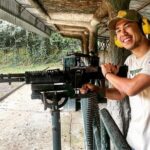
- Hands-on war details: you’ll see booby traps and can touch an ex-US Army tank.
- Food and underground wartime life: tapioca tasting next to the tunnels plus stops like Hoang Cam kitchen.
- More than tunnels: propaganda context at Tan Phu Trung Ward helps connect the dots.
Why Ben Duoc Feels Different Than the Usual Cu Chi Stops
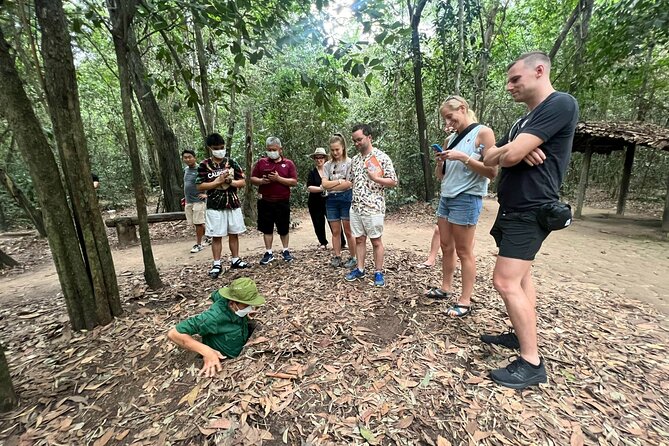
Cu Chi has a reputation for being intense, and sometimes loud. What I like about this Ben Duoc approach is the intent: it’s built around a less-crowded experience so you can actually pay attention to what you’re seeing. When the site is packed, the details you came for blur together. Here, the day is structured so Ben Duoc gets the time, and the tunnel areas are less of a stampede.
Ben Duoc is also a strong match for how the war is presented on this tour. You’re not just looking at photos. You’re learning how people survived underground: tight passages, practical hiding places, and defensive tricks like booby traps. And instead of treating the tunnels like a museum diorama, the guide leads you to the parts where you can physically understand scale—especially during the crawl.
There’s a second reason it works: the guide doesn’t just narrate. They tend to explain Vietnam in plain terms while connecting the tunnel system to the broader war context, including the Viet Cong side. On tours like this, that context is what stops the experience from feeling like a one-note history stop.
If you’re coming expecting a relaxed “half-day” stroll, the experience will correct your expectations quickly. The tunnels require effort, and the day has weight. But the payoff is that you leave with a real understanding of how the tunnels operated—and what it must have been like.
You can also read our reviews of more tours and experiences in Ho Chi Minh City


Getting from Ho Chi Minh City: pickup zones and the real travel rhythm
Logistically, this tour is built around easy access from central Ho Chi Minh City. You’ll be picked up from District 1, District 3, and District 4, and pickup usually takes about 30 minutes. That’s helpful if you’re staying in the most common hotel zones where you don’t want to deal with multiple transfers or uncertain meeting points.
Then it’s the long stretch out to Cu Chi. One of the biggest practical notes from people who did this: it’s a bit farther than the most touristy tunnel trips. Expect roughly a 2-hour drive in each direction depending on traffic and your exact pickup location. This is why the tour clocks in at 6–7 hours, even if the title sounds shorter.
What you get for that ride time is more than distance. The day is paced so you don’t get stuck spending the entire day on a bus. You spend about 2.5 hours at the Ben Duoc tunnel complex, and the rest of the time is split between the ride/info pieces and returning to your hotel. Also, the vehicle is air-conditioned, and you’ll have bottled water (two bottles per person).
If you’re prone to motion sickness, pack what you normally use. The tour doesn’t mention special stops during the drive, so you’ll want to handle comfort before you’re already strapped in. Also, plan to eat before you go, or at least be ready for a light day. The day includes tasting tapioca near the tunnels, but it’s not described as a full meal service.
Inside Ben Duoc Tunnels: crawl, booby traps, and that tank moment
This is the core reason to book. Ben Duoc is presented as the less-busy way to experience the Cu Chi underground system, and the highlight is time spent in and around the tunnels themselves.
Here’s what to expect as you approach the tunnel complex. The tour is designed to walk you through why these tunnels mattered: they weren’t just hiding spots. They were strategic infrastructure. As you move through the site, you’ll learn about booby traps used during the war and how the tunnels were built for survival.
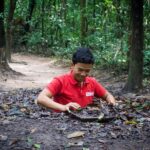
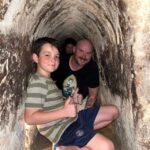
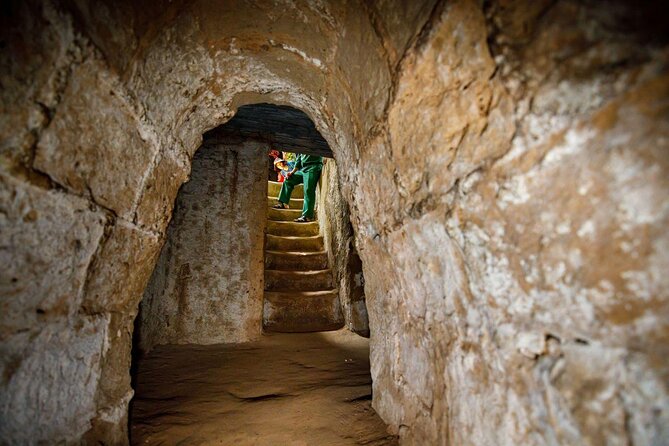
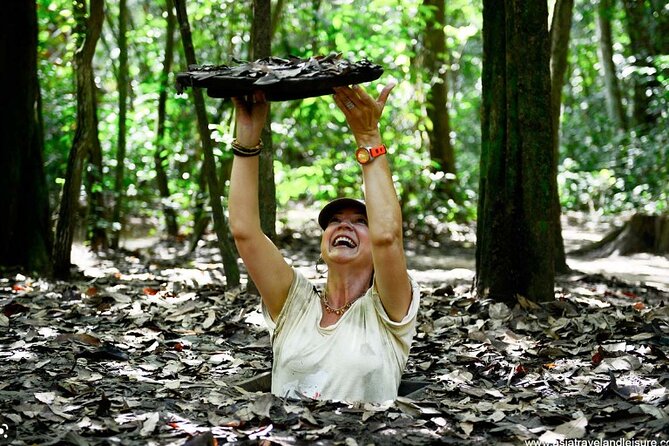
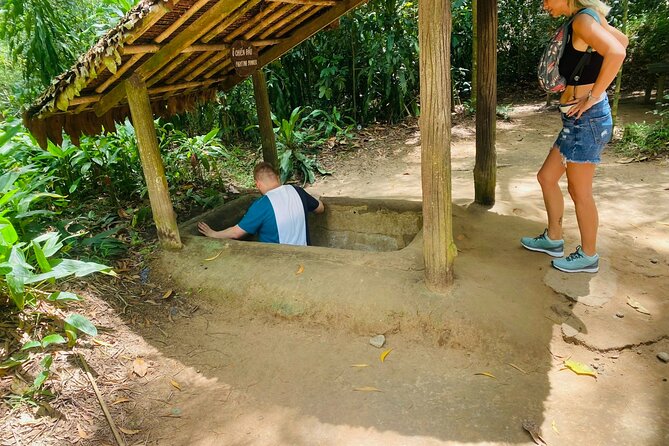
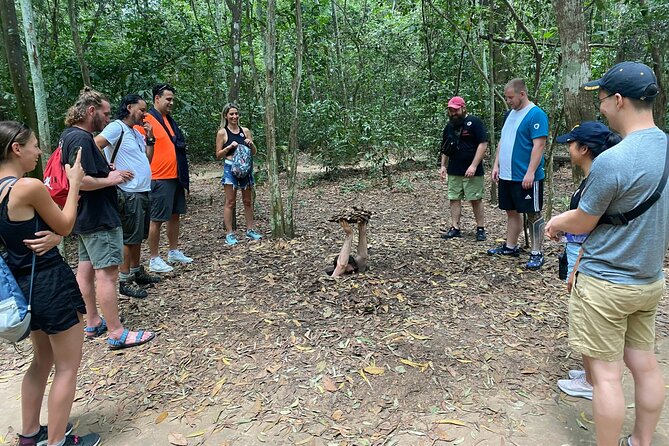
Then comes the hands-on part that people remember. You’ll have the chance to crawl inside the tunnels. The experience isn’t described as optional sightseeing—it’s a highlight meant to give you the physical feeling of those tight underground passages. One review noted the tunnels can be extremely small, and that even a short crawl can turn into a head-banging lesson in ceiling height if you don’t keep your posture tucked.
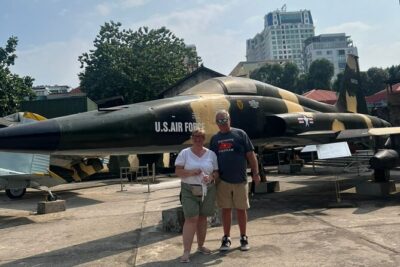
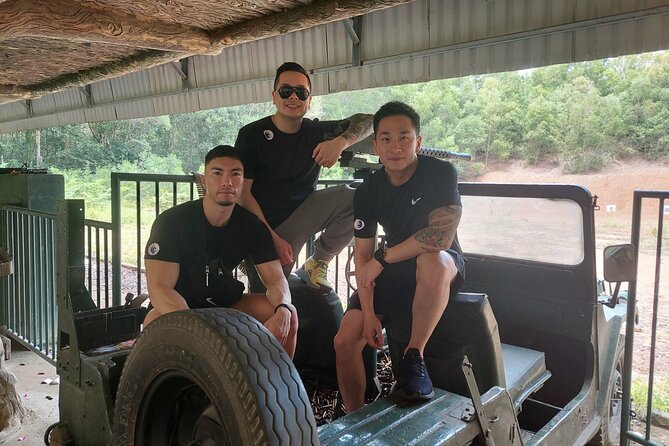
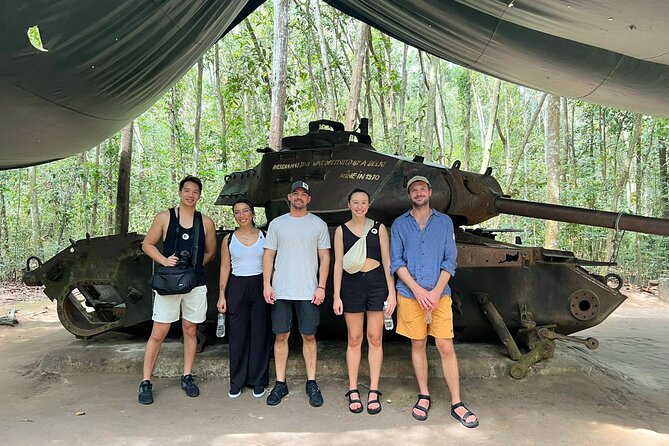
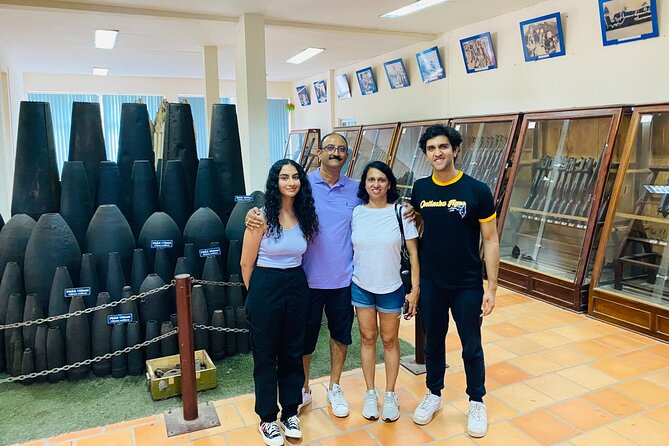
You’ll also see an ex-US Army tank connected to the Vietnam War era. The tour explicitly includes the chance to touch it, which adds a simple but powerful realism. It’s one thing to read about a war. It’s another to put your hand on worn metal from that era after you’ve just crawled through cramped earth.
A key practical point: the crawling portion will be more comfortable if you wear clothing you don’t mind getting dusty or scuffed. The site environment is underground and uneven, and the tunnel passages are low. I’d also bring a small towel or wet wipes if you’re the type who likes to feel human after tours.
And yes, the subject is grim. But the way this tour is structured helps it feel educational rather than purely tragic. You’re learning how the tunnels worked in real, physical terms.
The stops beyond tunnels: tapioca, propaganda context, and the Hoang Cam kitchen
The tunnels are the headline, but this day also fills in the surrounding context. That matters, because Cu Chi isn’t just a technical system. It’s tied to people, messaging, and underground daily life.
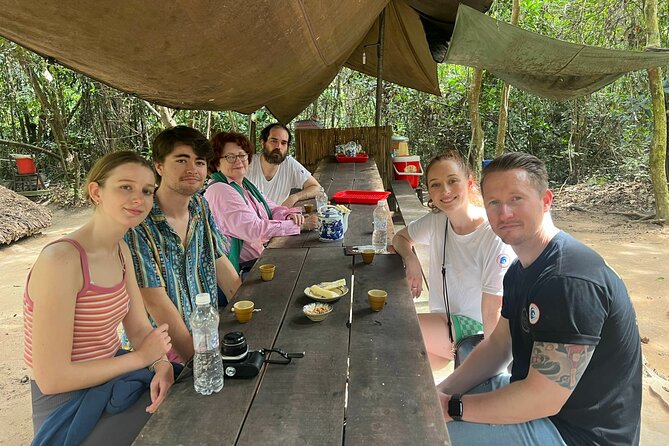
You’ll taste locally grown Viet Cong food, tapioca, next to the tunnels. It’s a small moment, but it helps shift your brain from battle mechanics to daily survival. Even a simple food stop can make the history feel less like a timeline and more like lived experience.
The tour also includes stops tied to wartime information and underground cooking life. You’ll witness propaganda of Viet Cong soldiers in Tan Phu Trung Ward, and you’ll experience the underground Hoang Cam kitchen. Those parts are valuable because they broaden what you think you’re learning.
Why this matters: if all you see is tunnels and traps, you might come away thinking the war was only about hiding. The propaganda stop and kitchen help explain the full picture: communication, morale, and practical routines all existed alongside the fighting.
There may also be a craft stop on the way that’s connected to war-impacted people. One review mentioned an art stop where handicapped people affected by the war create handmade items. That’s worth knowing because it’s a common place where you’ll be offered purchases. The same review also flagged that the items can be expensive compared with similar souvenirs you might find elsewhere. I’d treat it as optional support rather than part of the “must-buy” experience—if you want something, buy with your budget in mind.
If you prefer a day that moves beyond military objects into human context, these extra stops help a lot.
Price and value: what $34 buys you, and what it doesn’t
At $34 per person, this tour can feel like a bargain when you look at what’s included. You get an air-conditioned vehicle, bottled water (two bottles per guest), and all fees and taxes. Most importantly, the Ben Duoc portion includes the admission ticket (it’s listed as included for Stop 2).
You don’t just pay for transportation. You’re paying for time on-site, including crawling and guided explanations. With the group capped at a maximum of 10 people, you also get better pacing. In a place like Cu Chi, pacing is everything. Too many people and you spend your time waiting, craning your neck, and losing the thread of the story.
What’s not included is fairly standard: tips/gratitude and anything not listed as included. You’ll also need to budget for personal purchases, like souvenirs at any craft stops.
One extra value note: the tour is marketed as less-crowded, and people clearly appreciate being able to get around with more ease. Even if you don’t obsess over crowds, reduced congestion tends to make the whole day feel more respectful—less rushing, more time for questions, and fewer awkward bottlenecks in narrow passages.

The guides: what makes this tour feel clear, not chaotic
A big part of why this kind of tour works is how the guide turns tough history into something you can process. This operator’s guides show up with strong English and a style that keeps things understandable.
You might be with Safa, Tommy, Leo, or Ken. The common thread in how they’re described: they’re genuinely engaged, they answer questions, and they connect the tunnel details to broader Vietnamese history. Humor is mentioned more than once, which doesn’t trivialize anything—it just helps you stay present when the material is heavy.
I also like that the tour seems structured for interaction. You’re not only watching. You’re moving through sites and getting to touch objects, taste food, and crawl. That means your guide has to keep momentum without turning the day into a sprint, and the feedback suggests they do.
If you want to learn from this tour, come with at least one question in mind—something like how the tunnel system was organized, or why certain traps worked the way they did. Guides in the group are praised for being able to explain without getting lost in jargon.
Who should book this Cu Chi Ben Duoc tour (and who should think twice)
This tour is a good fit if you want a hands-on Cu Chi experience without feeling like you’re trapped in a crowd. The Ben Duoc focus, the smaller group size, and the crawl time make it ideal for people who learn best by doing.
It’s also a strong match for first-time visitors to Cu Chi who want more context than just tunnels and photos. The included stops—tapioca tasting, propaganda context in Tan Phu Trung Ward, and the Hoang Cam kitchen—help you build a fuller picture of daily life and messaging during the war.
Think twice if you are sensitive to cramped spaces. The tunnels are tiny, and crawling through them is part of the highlight. One review mentioned needing to hunch over the full length and hitting their head when trying to look up. That’s a loud warning sign for anyone with claustrophobia or mobility issues.
Also consider the travel time. It’s a long day, with about 2 hours each way by car mentioned, plus time at the site. If you’re short on energy or hate long rides, you might feel the schedule more than someone who’s used to Vietnamese day trips.
Practical tips for your tunnel crawl day
A few things will make the experience smoother, especially because the tunnels are physically demanding.
- Wear closed-toe shoes you can tolerate getting dusty.
- Expect crawling and low ceilings; keep your posture tucked.
- Bring a small pack for essentials like tissues or wet wipes.
- If you get cold easily, consider a light layer. Underground spaces can feel cooler.
- Use the car time to charge your phone and to get comfortable. Once you’re at the tunnels, you’ll be focused on the experience.
One more mindset tip: don’t rush. The point of going to a less-crowded Ben Duoc complex is that you can actually slow down inside your own head. Watch the details, listen carefully, and ask questions when there’s a chance.
Should you book this Ben Duoc Cu Chi Tunnels half-day?
I’d book this if you want the most meaningful part of Cu Chi—the tunnels themselves—without the stress of dense crowds. The small group size (max 10), the focus on Ben Duoc, and the hands-on elements (crawling, booby trap viewing, touching an ex-US tank, and tapioca) make the $34 price feel fair for the time and effort involved.
I’d skip it or pick a different option if you know you can’t handle tight, low-ceiling spaces. This isn’t a comfortable walking tour. It’s a physical experience, and the tour’s own highlights make that clear.
Bottom line: if you can handle the cramped crawling and you want a clearer, less rushed version of Cu Chi, this Ben Duoc-focused tour is a smart choice.
FAQ
How long is the Ben Duoc Cu Chi Tunnels tour?
It runs about 6 to 7 hours. The schedule includes time at Cu Chi (including around 2 hours 30 minutes at Ben Duoc) plus pickup and return travel.
Do you offer pickup in Ho Chi Minh City?
Yes. Pickup is offered from accommodations in District 1, District 3, and District 4, with pickup taking around 30 minutes.
How many people are in the group?
The tour is limited to a maximum of 10 travelers, so it stays small.
Is admission to Ben Duoc included in the price?
Yes. The admission ticket for the Ben Duoc tunnel complex is listed as included. Other stops listed on the schedule show admission ticket free.
What’s included in the $34 price?
Included items are the air-conditioned vehicle, bottled water (two bottles per guest), and all fees and taxes.
What if weather is bad or I need to cancel?
The experience requires good weather. If it’s canceled due to poor weather, you’ll be offered a different date or a full refund. The tour also offers free cancellation up to 24 hours in advance for a full refund.