REVIEW · HO CHI MINH CITY
Saigon US Army Jeep Tours: History, Culture & Street Food
Book on Viator →Operated by Saigon Foody Tour · Bookable on Viator
An open-air jeep turns Saigon into a time machine. This private ride strings together the big turning points of Vietnam’s 20th century with calm temple stops and a few major photo moments. I like how the route threads Independence Palace into War Remnants Museum, with very little dead time.
I particularly like the English-speaking guide style—clear, direct explanations that keep the history understandable without getting academic. I also love the photo-stop pace: you see District 1 landmarks, then shift gears to Chinatown-style atmosphere and District 3 alleys for stops you can’t easily reach by your own rushed taxi.
One consideration: parts of the plan are photo stops, not always paid-entry stops (Bitexco is a common example). And like any fast 4-hour tour, timing can shift if a site is closed or the morning starts late—so you’ll get the best value if you go in with flexible expectations.
In This Review
- Key highlights worth your time
- The best reason to choose an American jeep in Ho Chi Minh City
- Independence Palace: reunification storytelling in the middle of the city
- French colonial icons: Central Post Office and the architecture tour you didn’t plan
- Jade Emperor Pagoda: the calm counterpoint to big history stops
- War Remnants Museum: powerful exhibits, plan your emotional pacing
- Lacquerware factory time: craft you can see, not just souvenirs
- Off-the-radar war history: Secret Weapon Cellar in District 3
- Chinatown spirituality: Thien Hau Temple in Cholon
- The District 1 drive: Nguyen Hue, Dong Khoi, Bitexco, Rex Hotel, and more
- Ba Son Bridge and the move toward District 2
- Where the former U.S. Embassy fits into the story
- Price and what makes $69 feel fair for 4 hours
- Timing, guide language, and how to get the best experience
- Practical fit: who this jeep tour suits best
- Should you book this US Army Jeep tour?
- FAQ
- How long is the Saigon US Army Jeep tour?
- Does the tour include pickup, or do I meet at a specific location?
- Is this tour private?
- What’s included in the price?
- What language support is available if I’m not traveling in English?
- Is there an extra fee around Lunar New Year?
- Can I get a full refund if I cancel?
Key highlights worth your time
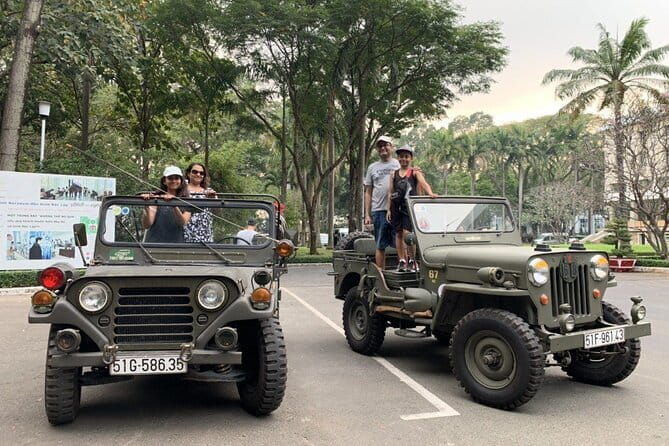
- Open-air US Army jeep vibe: the ride itself is part of the experience, and it makes photos easier.
- A tight 4-hour history arc: from reunification-era landmarks to the War Remnants Museum.
- French colonial architecture hits: Central Post Office, Opera House, and a museum in a similar style.
- Temple contrasts: Jade Emperor Pagoda for Taoist ritual details, then Thien Hau in Cholon.
- Craft stop you can watch: lacquerware production, with time set aside to see how it’s made.
- Off-the-main-street war site: Secret Weapon Cellar in a narrow District 3 alley.
The best reason to choose an American jeep in Ho Chi Minh City

Ho Chi Minh City rewards curiosity. The problem is that the city is big, busy, and not all the interesting parts are “one-taxi ride away.” This private US Army jeep tour solves that. You get an organized loop through District 1 classics and then out toward Chinatown and District 3, all while staying on a schedule that’s realistic for a half-day.
The open-air feel matters more than you’d think. With traffic noise and sunlight, a guided route still helps you notice details you’d miss alone—street layout, neighborhood changes, and the way monuments sit in real city life, not in a museum bubble. It’s also faster than doing a bunch of short Uber hops and hoping you’re not stuck at a red light at every turn.
And because it’s private, you can ask questions without waiting for a group to catch up. That’s huge for history-heavy stops like the Independence Palace and the War Remnants Museum, where context improves everything you’re seeing.
You can also read our reviews of more food & drink experiences in Ho Chi Minh City



Independence Palace: reunification storytelling in the middle of the city
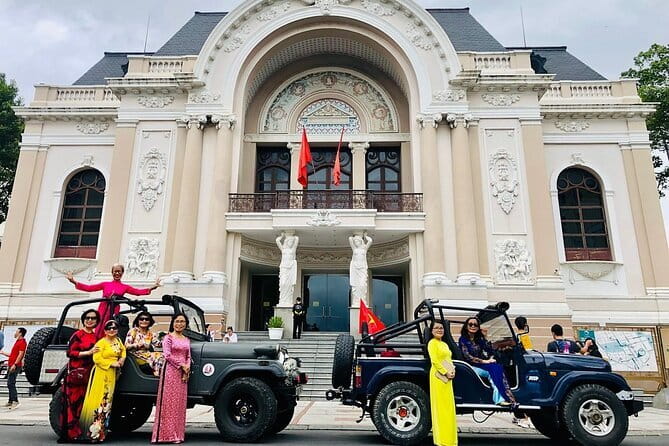
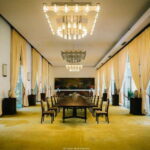
Your tour kicks off at Independence Palace, also known as the Reunification Palace. This is one of those places where the building itself does a lot of talking. It’s a major symbol of Vietnam’s reunification, and the tour includes around 45 minutes there with an admission ticket included.
What makes this stop valuable isn’t just the political meaning. It’s the feeling of being in a site that used to be active—not just preserved after the fact. You’ll also likely get a guide-led explanation that ties the palace to what followed, which helps you connect it to later war-era exhibits.
A practical note: sometimes major sites have closures or reduced access. One account said the palace was closed and they adjusted to a flower market stop instead. You can’t predict weather or schedules, so I’d treat the Independence Palace time as your best “anchor,” but be ready for a swap if conditions change.
French colonial icons: Central Post Office and the architecture tour you didn’t plan

Next up is the Saigon Central Post Office. Expect a quick visit—about 15 minutes—with admission included. The point here isn’t to linger; it’s to recognize the style and understand why it matters. The building mixes French colonial and Gothic influences, and it sits right in the city’s daily flow, not tucked away on a quiet street.
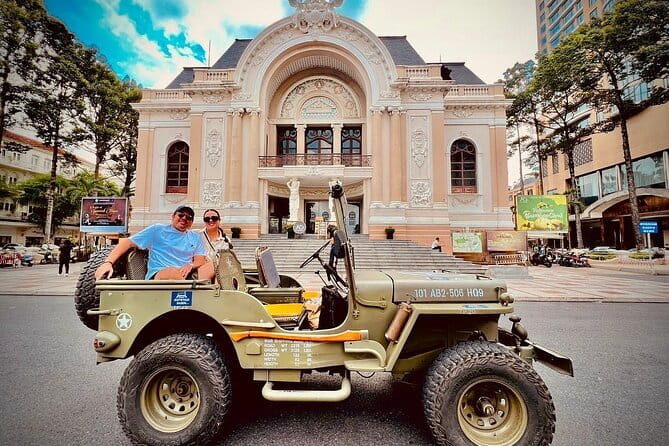
You’ll get similar architecture vibes elsewhere on the route. The tour description includes the Saigon Opera House (built in 1897 by French architect Eugène Ferret) as a major photo or viewing moment, and the itinerary also lists a stop at the Ho Chi Minh City Museum in a French colonial-style building. Even if your time in each place is short, stacking these stops gives you a clearer picture of how colonial-era design shaped the city center.
The possible drawback: if you’re hoping for a museum-deep slow walk through every floor, this is not that kind of tour. It’s more of an “orientation + standout details” approach. The upside is that you leave each site knowing what you just saw and why it’s there.
Jade Emperor Pagoda: the calm counterpoint to big history stops

After the historical heavyweight moments, the route pauses at Emperor Jade Pagoda (Chua Ngoc Hoang). It’s a Taoist temple built in 1909, dedicated to the Jade Emperor, the King of Heaven in Chinese belief.
You’ll typically get about 20 minutes here with admission included. This is where the tour balance shows: you’re not only learning about war and politics; you’re also watching how faith plays out in daily ritual space. Look closely at the carvings and the way visitors move through the temple area. Even if you don’t read the symbolism, your guide’s explanation can connect the rituals to broader regional traditions.
A practical tip for this kind of stop: dress for temple comfort—covering shoulders and knees usually works well—then keep your phone settings ready. Lighting inside can be tricky, so take a few careful shots rather than burning time on constant adjusting.
War Remnants Museum: powerful exhibits, plan your emotional pacing
Then comes the stop that most people remember for emotional impact: the War Remnants Museum. It runs about 40 minutes and admission is included.
This museum was established in 1975, and the exhibits focus on the impact of the Vietnam War. That phrase alone doesn’t prepare you for what you’ll see—photos, displays, and written context that can hit hard. If you’re sensitive to graphic or distressing material, go in knowing you may need breaks. Bring that expectation, and you’ll get more value instead of feeling rushed.
The guide’s role here is important. A good guide helps you separate “what happened” from “what the display is trying to teach,” and that makes the museum less like shock content and more like learning.
This is also a good moment to ask questions. If you’re confused about dates or factions, now is the time—your guide can connect the museum back to what you saw at Independence Palace.
You can also read our reviews of more tours and experiences in Ho Chi Minh City




Lacquerware factory time: craft you can see, not just souvenirs

Your tour includes a lacquerware workshop stop (listed as PHUONGNAM LACQUERWARE with about 30 minutes). This is one of the best kinds of cultural add-ons because it’s hands-on in a way that doesn’t require you to be an expert.
Vietnamese lacquerwork is slow, layered, and detail-driven. You’re not just looking at finished objects—you’re getting a sense of process. Your guide can also explain why lacquer is such a big part of local craftsmanship and how those designs reflect Vietnamese taste.
One detail to keep straight: the tour description also mentions a Dai Viet Lacquerware Factory. Since the itinerary you’re using names Phuong Nam Lacquerware, I’d check your confirmation details before you go—especially if you’re hoping for a specific brand name. If it’s the same workshop family under different naming, you’ll be fine either way; if not, at least you’ll know what to expect.
If you like buying practical souvenirs, this stop can work. If you hate sales pressure, keep it simple: watch the process, take a couple photos, and only buy if something genuinely fits your style.
Off-the-radar war history: Secret Weapon Cellar in District 3
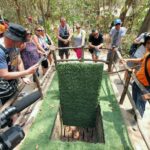
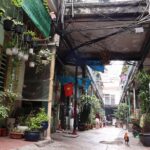
Another standout stop is the Hầm Vũ Khí Bí Mật Secret Weapon Cellar of the Saigon Rangers. The itinerary says it’s tucked away in a narrow alley of District 3, which is exactly why a guided route helps. From the outside, the house can look ordinary, but this is one of the more unusual Vietnam War sites you’ll encounter on a standard city loop.
You’ll spend about 20 minutes here with admission included. The value isn’t just the building—it’s the perspective. This kind of site shows how the war era played out beyond the most famous headlines, and it makes the overall story feel less one-sided and more layered.
Again, this is a short stop, so you’ll want to pay attention early. If the guide is explaining the timeline or the purpose of the room layout, don’t wait until the end to ask questions.
Chinatown spirituality: Thien Hau Temple in Cholon
Next, you’ll head toward Cholon (Chinatown) for Ba Thien Hau Temple, also called Thien Hau Pagoda. The itinerary notes it was built around 1760 by the Cantonese congregation, making it one of the oldest Chinese temples in Ho Chi Minh City.
You’ll get about 30 minutes here with admission included. This stop is a nice “culture contrast” after the museum and war sites. You’re looking at community faith, architectural history, and the way different groups shaped the city’s neighborhoods over time.
If you’re photographing, keep your movements smooth. Temple spaces often have people in quiet moments, and it’s best to avoid blocking paths or standing too long in front of an active altar.
The District 1 drive: Nguyen Hue, Dong Khoi, Bitexco, Rex Hotel, and more
A big part of the jeep fun is the windshield tour. Even when you’re not getting out, your guide points out what to notice: street names, architectural anchors, and how District 1 evolved into a mix of old and new.
From the tour description, expect photo stops or drive-bys at:
- Nguyen Hue Street
- Dong Khoi Street
- Bitexco Financial Tower
- Rex Hotel
- Saigon People’s Committee building
- Ba Son Bridge (also listed as Thu Thiem 2 Bridge)
Here’s the important value point: these moments help you build city context fast. If you later return on your own, you’ll recognize streets and buildings instead of feeling like you’re starting from zero.
A common expectation mismatch is Bitexco. One clarification from the tour provider is that Bitexco is meant as a drive-by/photo stop, not a paid-entry stop. So if you’re counting on getting inside a landmark, verify that detail before booking your day’s plans.
Ba Son Bridge and the move toward District 2
Ba Son Bridge, also known as Thu Thiem 2 Bridge, is another key photo moment. The itinerary explains it connects District 1 with the Thu Thiem New Urban Area in District 2.
You’ll see it as a symbol of how the city keeps expanding and changing. It’s not just a bridge in the distance—you get a real sense of direction: old center to newer development zones, all within the same day.
Where the former U.S. Embassy fits into the story
The route also passes the former U.S. Embassy in Saigon (now Ho Chi Minh City), located at 4 Le Duan Boulevard. Even if you don’t go inside, having a guide explain what the embassy represented in the Vietnam War era helps you connect the geography to the narrative.
If you’re trying to understand the war from multiple angles—political, local, international—this stop works as a geography marker. It also pairs naturally with what you’ll see later at the War Remnants Museum.
Price and what makes $69 feel fair for 4 hours
At $69 per person, you’re paying for a private US Army jeep, a professional English-speaking guide, cold bottled water, and a route built around time-efficient paid stops. The itinerary lists admission included for major sights like Independence Palace, Central Post Office, Jade Emperor Pagoda, War Remnants Museum, the lacquerware workshop, Secret Weapon Cellar, and Thien Hau Temple.
Two value notes:
1) The jeep is not just transportation. It’s part of why you can fit a lot into a short day without constantly losing time to traffic detours.
2) The guide is what turns “seeing places” into “understanding why those places matter,” especially at the museum and palace.
One small caution: entrance fees are listed as included for this tour, but it also says entrance fees are not applied for the group option. If you’re booking anything other than a private setup, check what’s actually included in your ticket total.
Timing, guide language, and how to get the best experience
This is a 4-hour tour, so timing matters. You can also choose pickup, but the published start point is at Saigon Port Maritime Service Center, 5 Đ. Nguyễn Tất Thành, Phường 12, Quận 4. The tour ends back at the meeting point.
Most guides are praised for helpful pacing and clear explanations, and guide names that come up include Luc, Khoa, and Jerry. If you want to maximize value, show up a few minutes early, especially in a city where traffic and meeting coordination can vary.
Also watch guide language. The info says there’s a $50 USD cash surcharge if you need a non-English speaking guide. If English is your priority, confirm before you go.
Finally, if you have a strong preference—more temple time, less museum time, or a specific landmark—you’ll get better results by communicating that early. Since it’s private, your guide can often adjust within reason.
Practical fit: who this jeep tour suits best
This is ideal if you:
- want a fast orientation to Ho Chi Minh City in one day
- like history but don’t want to schedule tickets and transport all on your own
- enjoy photo-friendly, open-air sightseeing
- want culture stops that go beyond the obvious “top 3 sights”
You might think twice if you:
- want a slow museum day with long stays
- need fully guaranteed entry into every major landmark (some are drive-by/photo stops)
- hate emotional content and would rather avoid war exhibits entirely
One more note: the title includes street food, but the stop list you have here focuses on museums, pagodas, workshops, and historical sites. If food tasting is a must, ask your guide whether there’s time for a quick bite during the route.
Should you book this US Army Jeep tour?
If you want a half-day that connects Saigon’s story—reunification, colonial architecture, war memory, and everyday faith—this is a strong choice. The jeep ride helps you cover ground, the included admissions save hassle, and the guide-driven explanations make the stops land.
Book it if you’re flexible about what’s a photo stop versus an entry stop, and if you’re comfortable with the War Remnants Museum’s intensity. I’d especially recommend it to first-timers who want their bearings fast, and to history-minded travelers who like learning as they move.
FAQ
How long is the Saigon US Army Jeep tour?
It runs about 4 hours.
Does the tour include pickup, or do I meet at a specific location?
Pickup is offered. The meeting point listed is Saigon Port Maritime Service Center, 5 Đ. Nguyễn Tất Thành, Phường 12, Quận 4. The tour ends back at the meeting point.
Is this tour private?
Yes. It’s a private tour/activity, so only your group participates.
What’s included in the price?
The tour includes a private American US Army Jeep, a professional English-speaking guide, cold bottled water, and entrance fees (with the note that entrance fees are not applied for the group option).
What language support is available if I’m not traveling in English?
The guide is listed as English-speaking. If you need a non-English speaking guide, there is a $50 USD cash surcharge collected on tour.
Is there an extra fee around Lunar New Year?
Yes. A 35% extra charge applies for the whole Luna New Year, from the last day of the old Luna year until the 4th Jan of the Lunar New Year.
Can I get a full refund if I cancel?
Yes. You can cancel up to 24 hours in advance for a full refund.