REVIEW · HO CHI MINH CITY
Ho Chi Minh City Full Day Private Tour
Book on Viator →Operated by Vietnam Tours VIP · Bookable on Viator
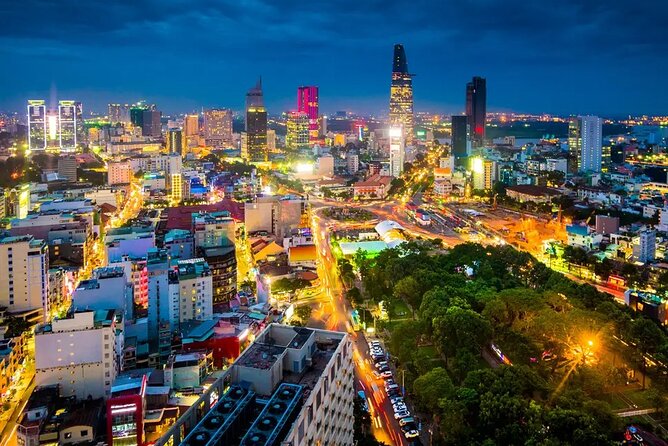
Your day in Ho Chi Minh City starts with shopping shoes on. This private full-day route mixes street-level culture with big-history stops, and it moves at a smooth pace thanks to AC transport and an English-speaking guide. I especially liked the chance to work through Bình Tây Market for real bargains, and I loved how the lacquer stop at Sơn mài Đại Việt turns art into something you can understand, not just stare at. The only drawback is that it’s a full 8 hours, so if you hate crowds or museums, you’ll want to plan for breaks and shade.
You’ll bounce between very different parts of the city: Cho Lon’s market streets, a calm temple visit, Cold War-era rooms at the Independence Palace, a classic French post office, and museums that cover both long timelines and painful modern events. It’s the kind of day that helps you get your bearings fast. My guide, Luc, made the history clearer without turning it into a lecture.
This tour is best if you want a tight, well-paced day that still feels personal. It’s also a smart fit for first-timers who want variety without stitching together multiple tickets and meeting points. Just remember: you’ll be outside for parts of the day, and you’ll likely pick up souvenirs after the workshop and market stops.
In This Review
- Key things to know before you go
- Why This Full Day Private Tour Works in Ho Chi Minh City
- Bình Tây Market: Chinatown Shopping and How to Bargain Smart
- Ba Thien Hau Temple: A Calm Stop Where Incense Sets the Mood
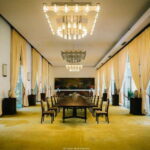
- Independence (Reunification) Palace: Walking Through Cold War Architecture
- Gánh Khách Sạn Bông Sen Lunch Buffet: Traditional Food Plus Familiar Comfort
- Sơn Mài Đại Việt Lacquer Craft: Why the Process Matters
- Saigon Central Post Office: French-Era Design You Can Walk Around
- Museums for Vietnam’s Big Timeline: From Cultural Evolution to War Memory
- Price and Value: What You Get for $100
- Practical Tips So You Don’t Rush Your Own Day
- Should You Book This Ho Chi Minh City Full Day Private Tour?
- FAQ
- What is the duration of the Ho Chi Minh City Full Day Private Tour?
- How much does the tour cost?
- Is pickup offered?
- What’s included in the price?
- Is lunch included or do I need to find my own meal?
- Is this tour private?
- Do I need tickets for the stops?
- Is the tour suitable for everyone?
Key things to know before you go
- Private tour only for your group: you’re not sharing the day with strangers.
- Bình Tây Market time: enough time to browse and actually bargain.
- Temples and incense etiquette: you’ll learn what to look for without rushing.
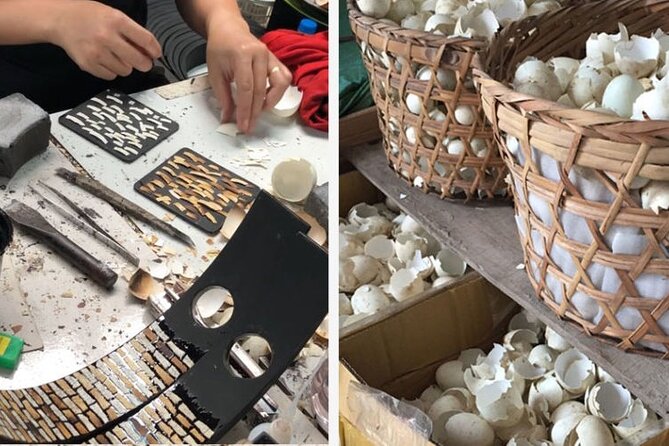
- Sơn mài lacquer process you can visualize: resin, pigments, and layered finishing.
- French-era architecture plus museum stops: a varied, history-and-culture mix in one day.
- Lunch and bottled water included: less decision fatigue mid-tour.
Why This Full Day Private Tour Works in Ho Chi Minh City
Ho Chi Minh City can feel like a lot on your first day. This 8-hour private tour is built to reduce that stress. Pickup is offered, you travel by an air-conditioned vehicle, and entrance fees are handled, so you spend your energy on people and places, not tickets.
The private format matters more than you might think. With only your group, your guide can slow down when questions pop up—especially helpful at the Independence Palace and the museum portion. And since you get a traditional lunch with bottled waters, you’re less likely to waste time hunting food in the middle of the day.
Value-wise, the tour price sits at $100 per person, and it includes the big cost items: the guide (English speaking), lunch, bottled water, all entrance fees, and transport. Tips and personal expenses are extra, so just budget a little for that if you like to be generous. You’re basically paying for a guided day that stitches together several major stops without friction.
You can also read our reviews of more city tours in Ho Chi Minh City

Bình Tây Market: Chinatown Shopping and How to Bargain Smart
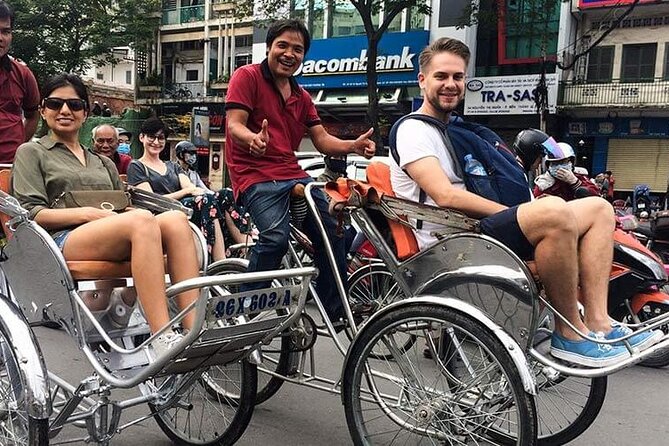
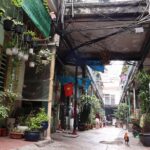
Your day begins at Bình Tây Market in Chinatown (Chợ Lớn). This market dates back to the late 19th century and functions as a real commerce hub, not a staged stop. You’ll get a focused block of time—about 30 minutes—which is enough to look around, compare stalls, and try your luck on a few items.
What I like about starting here is that it sets a tone. Markets in this part of the city feel lived-in. You’ll likely see everyday goods mixed in with specialty items, and your guide can help you sort what’s practical to buy versus what’s just confusing souvenir bait.
Quick advice so you don’t feel rushed: go in with a couple of goals. Decide ahead of time if you want snacks, small gifts, or a specific type of item from lacquer or craft. With only half an hour, you’ll get more confidence if you’re not wandering without a plan.
Also, keep an eye on your comfort level. Markets can be warm, busy, and noisy. If you start feeling overwhelmed, ask your guide to redirect your route toward easier-to-browse aisles.
Ba Thien Hau Temple: A Calm Stop Where Incense Sets the Mood
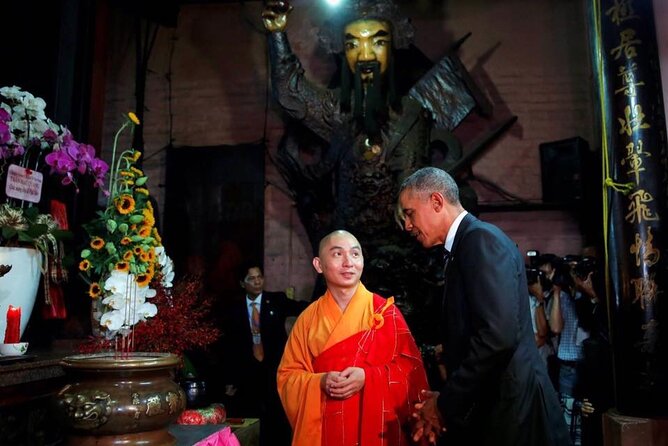
Next is Ba Thien Hau Temple, a gorgeous temple dedicated to the goddess Thien Hau. It’s 19th century, and you can see worshippers and visitors sharing the space—often under large coils of incense hanging overhead. This is one of those stops where the pace naturally slows, even if the rest of the day feels fast.
The temple visit is about 30 minutes, so it’s not a long sit-down. Use that time to watch patterns: where people pause, what faces the altar, and how incense smoke changes the light in the hall. If you’re unsure about temple behavior, your guide can help you read what’s happening so you don’t accidentally do the wrong thing.
One practical consideration: incense and crowded areas mean it can get smoky. If you’re sensitive, consider keeping a handkerchief or mask handy. And dress for the day—cover shoulders and avoid anything too bare when you enter religious spaces.
Independence (Reunification) Palace: Walking Through Cold War Architecture
The Independence Palace is surrounded by royal palm trees, and it’s instantly recognizable for its dissonant 1960s architecture. Even when the public areas feel calmer, the building still carries an eerie vibe. You’ll see the kind of political theater that surrounded the era, including details connected to the first Communist tanks mentioned in the tour description.
You’ll have about 45 minutes here. That’s enough time to get the layout in your head and catch the standout rooms without turning it into a marathon. If you like history that you can feel in the walls—rather than only reading it—this is one of the most memorable stops on the route.
Photography is a common question. While the tour data doesn’t spell out rules, it’s safe to expect some areas may restrict photos. If you’re holding a camera, ask your guide what’s okay before you start shooting.
Also, go in ready to pay attention to small details. A building like this is designed around power and routine. The more you notice, the more the place makes sense.
Gánh Khách Sạn Bông Sen Lunch Buffet: Traditional Food Plus Familiar Comfort
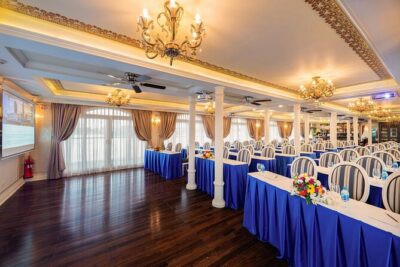
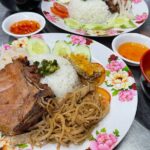
Lunch is a big deal on an all-day tour, and this one handles it with a set stop: Buffet Gánh Khách Sạn Bông Sen. The buffet balances traditional Vietnamese dishes with a more Western-style buffet setup. It’s listed as having been introduced in Vietnam in 1998, which hints that this isn’t a brand-new marketing concept.
You get about 1 hour here, with admission included. That hour is usually where you recharge before the art and architecture portion of the day. If you’re picky, this is also a helpful lunch format. You can choose something familiar if you’re tired, and you can still try local flavors without risking a wrong pick at a random restaurant.
Practical tip: eat earlier in the hour if you want a calmer experience. Buffets can pick up quickly, and you don’t want to start the next stop hungry. Since bottled waters are included, you can skip buying drinks mid-day.
If you have dietary restrictions, the tour description doesn’t list options. I’d suggest telling your guide what you need as soon as you meet—then you can adjust what you pick at the buffet.
You can also read our reviews of more private tours in Ho Chi Minh City





Sơn Mài Đại Việt Lacquer Craft: Why the Process Matters
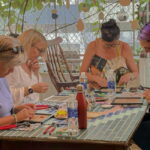
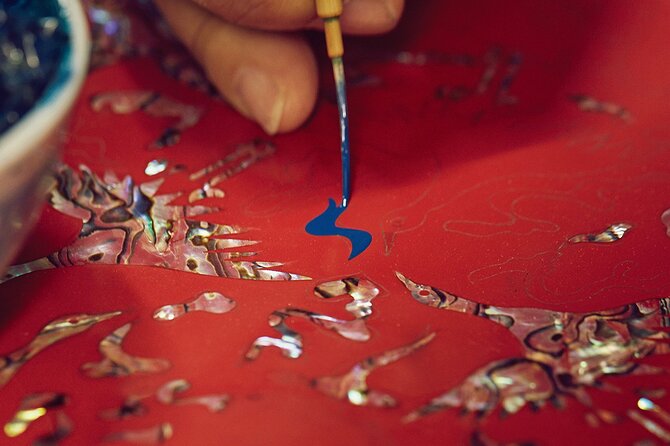
The craft stop is Sơn mài Đại Việt, and it’s one of the most educational parts of the day. The tour explains that lacquer is made from the resin of a tree. That resin is mixed with colored pigments and solvents, then applied layer after layer to build up a shiny, durable finish.
This is where the tour earns its keep. A lacquer workshop can feel like a showroom. Here, the explanation helps you understand what you’re seeing. You’re not only looking at finished products—you’re hearing how and why they’re made.
The stop runs about 30 minutes, so it stays practical. You’ll likely get a sense of how artists work over time, not in a single quick step. Lacquer isn’t just decoration; it’s about technique and patience.
If you’re thinking of buying: this is also when you’ll be in the right mood to judge quality. Ask your guide what to look for—layering, finish, and any decorative inlays you can see. For most people, it’s a better buying moment than the first market browse, because you finally have context.
One consideration: lacquer can tempt you into impulse buys. Set a budget beforehand, and treat purchases as souvenirs with long-term value, not just a quick bag of stuff.
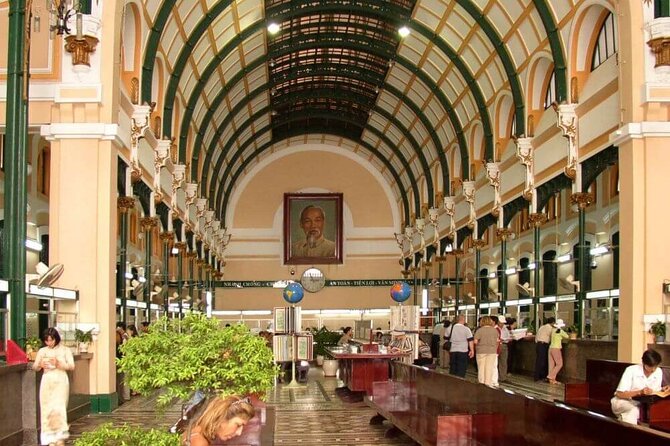
Saigon Central Post Office: French-Era Design You Can Walk Around
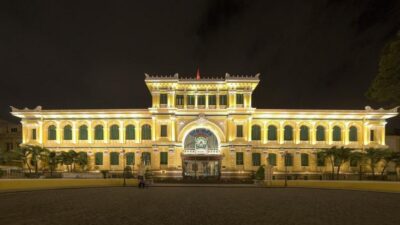
Next up is Saigon Central Post Office, the French-era landmark that many visitors instantly recognize. It was designed by Marie-Alfred Foulhoux (often credited to Gustave Eiffel), and it was built between 1886 and 1891. This is one of those places where the architecture makes you slow down without anyone forcing you.
You’ll have about 15 minutes here. That’s short, but it’s enough time to understand the building’s shape, take a few photos, and read the details you notice along the way. The tour also notes a mosaic of Ho Chi Minh connected to pride in the building, so you’ll want to keep an eye out for that feature.
What’s good about including a post office is that it’s more than a postcard. It gives you a snapshot of colonial-era infrastructure style—still standing, still usable, and still part of daily life. When you add this to a day of temples and war-era buildings, it creates a real contrast in visual language.
If you’re sensitive to walking a lot inside, this stop is manageable. It’s contained, and the time window keeps it from turning into a squeeze.
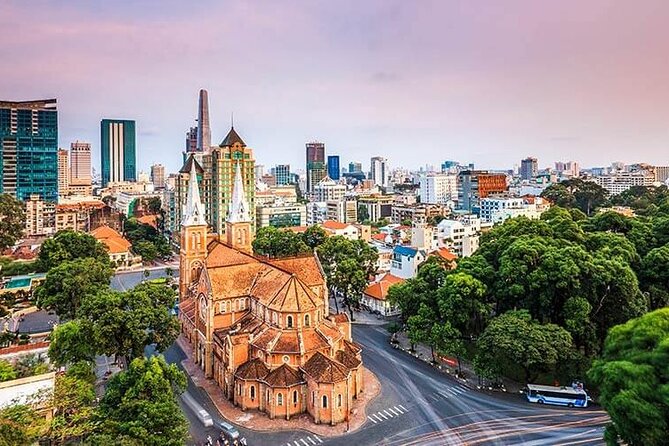
Museums for Vietnam’s Big Timeline: From Cultural Evolution to War Memory
The day’s museum focus is split between long cultural context and the painful modern period. The tour description calls out the War Remnants Museum & Vietnam History Museum, and it also includes time at the HCMC History Museum (built in 1929).
HCMC History Museum is described as Sino-French, and it holds artifacts showing the evolution of Vietnamese cultures—from the Bronze Age Dong Son civilization (around 2000 BCE) onward. That kind of range is rare in a single stop, especially in a day that also covers modern political architecture.
In practice, the museum portion can feel intense. War-related exhibits can be emotionally heavy. If you need a mental reset, don’t force yourself to speed-read everything. Take breaks in quieter corridors and focus on what you can absorb without overwhelming yourself.
You’re given about 35 minutes at HCMC History Museum. That’s enough to catch the big picture and choose a few artifact areas that match your interests. If you’re the type who loves reading every label, you may wish you had more time. Still, guided context helps. Your guide can point you toward the most meaningful displays and explain what mattered historically, not just what’s on paper.
For first-timers, this museum sequence is a strong choice. It ties together the day’s theme: this city is shaped by long cultural continuity and equally long political disruption.
Price and Value: What You Get for $100
At $100 per person for an approximately 8-hour private tour, the value depends on what you’d otherwise pay to plan your day. Here, the pricing includes several costly pieces: an English-speaking guide, traditional lunch, bottled waters, all entrance fees, and an air-conditioned vehicle.
If you try to do this DIY, you’d likely spend time coordinating transport, paying each entrance separately, and figuring out routing between Chinatown, major landmarks, and museum locations. You’d also spend more energy figuring out what’s worth your attention. This tour trades that planning load for one guided route with set stops.
Not included items are straightforward: tips/gratuities and personal expenses. That means the tour price is close to what you need for the day, except for your own shopping and optional generosity.
Also note the booking pattern: it’s commonly booked about 29 days in advance. If you’re traveling during a busy season, it’s smart to book early so you get the time slot you want.
Practical Tips So You Don’t Rush Your Own Day
This tour is designed for a full day, so you’ll get more out of it with a few small choices.
Wear comfortable shoes. You’ll be walking between major stops, inside buildings, and through market areas. Bring a light layer if you’re sensitive to strong indoor air-conditioning on the ride between stops. And since bottled waters are included, you can focus your packing on sun protection and small cash for souvenirs.
At the market and craft workshop, decide your souvenir priorities early. If you want lacquer items, keep your budget in mind before you start shopping. If you want snacks or small gifts from the market, keep it simple and stick to items you can carry easily.
For temples and museums, keep your pace respectful. Let your guide handle timing and movement. And if you feel tired, it’s okay to ask for slower steps—this is a private tour, not a cattle call.
If you want the best photos, focus on the edges of the day. The post office and palace can look great, but lighting and crowd levels change. Your guide can suggest the best moments once you’re on site.
Should You Book This Ho Chi Minh City Full Day Private Tour?
I’d book this tour if you want one guided day that covers a lot of ground without feeling chaotic. The strongest reasons are the market time for real shopping, the lacquer workshop that explains the craft, and the structured mix of temples, French-era architecture, and major museums. If you’re a history-and-culture person, this route will keep you busy in a good way.
I’d skip it if you only want light sightseeing or you hate museums and crowds. At 8 hours, the day is full, and the war-related museum context can feel heavy.
If you want variety and value—entrance fees, lunch, transport, and guide included—this is a solid way to spend a day in Ho Chi Minh City.
FAQ
What is the duration of the Ho Chi Minh City Full Day Private Tour?
It runs for about 8 hours.
How much does the tour cost?
The price is $100.00 per person.
Is pickup offered?
Yes, pickup is offered.
What’s included in the price?
The tour includes an English speaking tour guide, traditional lunch and bottled waters, all entrance fees, and air-conditioned vehicle.
Is lunch included or do I need to find my own meal?
Lunch is included as part of the buffet stop at Gánh Khách Sạn Bông Sen.
Is this tour private?
Yes. It’s a private tour/activity, so only your group participates.
Do I need tickets for the stops?
You receive a mobile ticket, and admission tickets are included for the listed stops.
Is the tour suitable for everyone?
The tour notes that most travelers can participate and everyone can join this tour.