REVIEW · HO CHI MINH CITY
Private Tour: Long Tan Nui Dat Battlefield from Ho Chi Minh City
Book on Viator →Operated by TNK Travel · Bookable on Viator
War sites hit different when someone lived them. This private day trip to Long Tan and Nui Dat pairs major Vietnam War landmarks with a war veteran guide, so the story comes with weight, not just dates. Two things I especially like: the way you stop at key points like Long Tan Cross and Nui Dat (SAS Hills) with context you can see on the ground, and the fact that you get smooth, door-to-door comfort with pickup and a proper Vietnamese lunch included.
The main drawback to plan for is the early start and the long day. You’ll spend hours on the road, and the most memorable moments are outdoors—so if weather is bad, expect the itinerary to feel more demanding than a museum day.
In This Review
- TNK Travel Private Long Tan and Nui Dat: The Real-Place Story Behind the Names
- Key Highlights Worth Booking for
- Getting Out of Ho Chi Minh City: A Long Day Done Sensibly
- Ba Ria Orphanage Stop: The Day’s Most Human Moment
- Long Tan Cross: Where the Battle Story Starts to Click
- Horseshoe Battlefield: When You Start Understanding Terrain
- Nui Dat (SAS Hills): The Terrain Lessons Land Hard
- Long Phuoc Tunnels: Underground Reality, Not a Movie Scene
- Lunch in the Day: Fuel for a War-Sites Schedule
- Pacing and Comfort: Why Private Works Here
- Price and Value: Is $135 per Person Fair?
- Who Should Book This (and Who Might Not Love It)
- Should You Book This Private Battlefield Tour?
- FAQ
- FAQ
- How long is the private Long Tan Nui Dat battlefield tour from Ho Chi Minh City?
- What are the main stops on the tour?
- Is hotel pickup and drop-off included?
- What time does the tour start, and where does it meet?
- What’s included in the price?
- Is lunch included?
- Do I need to provide passport details when booking?
- Is there a vegetarian option?
- What happens if the weather is poor?
- Can I cancel for a full refund?
TNK Travel Private Long Tan and Nui Dat: The Real-Place Story Behind the Names
You’re not just driving to a few “photo stops.” You’re moving through terrain tied to the battle of Long Tan and the later fight around Nui Dat, plus the tunnel network at Long Phuoc. Along the way, your guide helps you connect what you see—fields, positions, and surviving reminders—to how people moved and fought.
One more detail I really value: this trip is built to reduce distractions. There’s no wasting time in souvenir-heavy detours, and the guide uses clear explanations (including pictures from the past and the present) so you can actually picture what changed—and what didn’t.
Here’s the deal for your time: the tour runs about 8 hours, starts at 7:45 am, and is set up for private groups only. That means you can ask follow-up questions without feeling like you’re interrupting a bigger crowd.
Key Highlights Worth Booking for
- War veteran-led storytelling at the sites, not just a script of facts
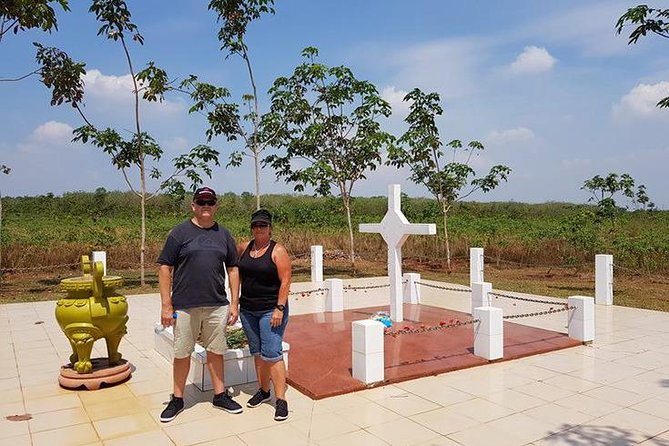
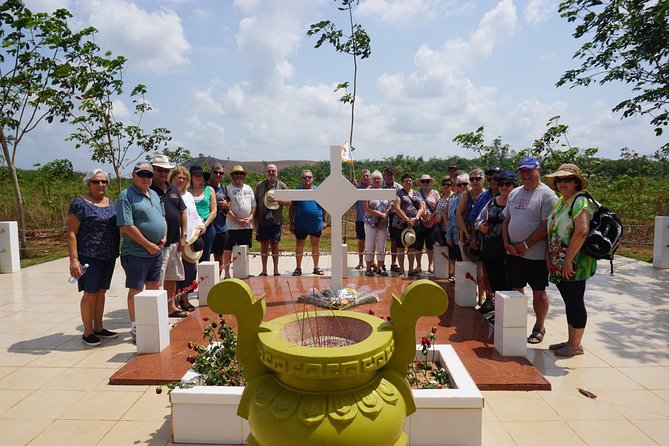
- Long Tan Cross and the Australian memorial linked to the 1966 battle
- Nui Dat (SAS Hills) and the Horseshoe area, where terrain explains the fight
- Long Phuoc Tunnels, showing how people relied on underground routes
- Ba Ria orphanage visit that adds a human side to the day
- Lunch plus A/C car/van pickup from central District 1 hotels
You can also read our reviews of more city tours in Ho Chi Minh City

Getting Out of Ho Chi Minh City: A Long Day Done Sensibly
This is an early departure from central Ho Chi Minh City, starting at 7:45 am with pickup geared to centrally located hotels in District 1. If you’re not in that area, there may be an extra pickup surcharge. The route is mainly road travel to Ba Ria-Vung Tau Province, then back, so you’ll want to treat the first hour as part of the experience and not “dead time.”
You’ll ride in an A/C private car or minivan and meet your English-speaking guide for the day. You’ll also handle a small but important step: on the way, you stop in Ba Ria to pick up a travel permit for historical battlefields. It’s the kind of detail that can be easy to overlook when planning on your own, and it’s one of the reasons this tour feels smoother.
Practical tip: wear shoes you’re comfortable walking in. Even if the main time isn’t “hiking,” the battlefield sites are outdoor and you’ll likely stand, look, and move around at each stop.
Ba Ria Orphanage Stop: The Day’s Most Human Moment
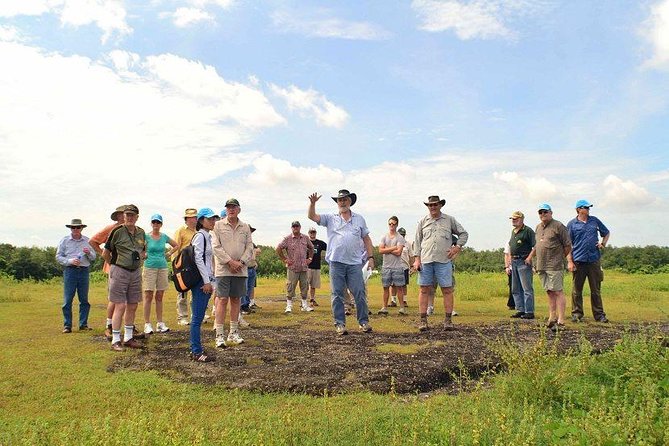
After pickup, the first major stop you’ll hit is at an orphanage in Ba Ria. The staff look after about 30 children, and the tone here is not about sightseeing at all. It’s a chance to see a different side of the region—one that has nothing to do with battle maps and everything to do with daily life.
One of the best-kept pieces of advice I can give you is to think about what you can offer respectfully. In one example, the group brought small items like soccer balls and hoola hoops. You don’t need to turn it into a performance, but a small, easy-to-handle gift can make the visit warmer on the children’s end.
The visit length isn’t described in exact minutes, but expect it to break up the travel rhythm. It also sets the emotional context for the rest of the day: this area is still living with the long shadow of war.
Long Tan Cross: Where the Battle Story Starts to Click
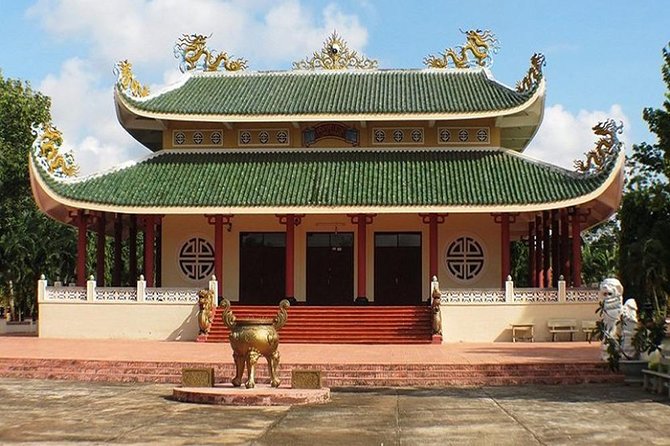
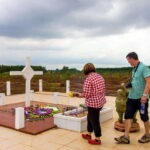
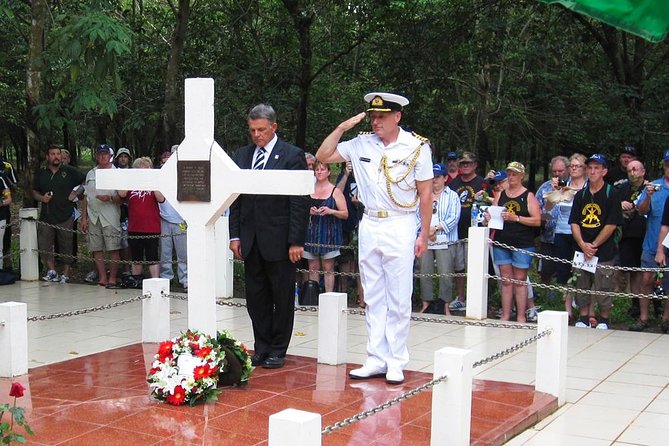
Long Tan Cross is where many people first understand why this area is still so significant. You’ll come to the memorial raised by Australians in August 1969 in memory of the battle of Long Tan, fought in 1966 between Australians and the Viet Cong.
What makes this stop work is not the monument itself—it’s the way the guide ties it to the surrounding locations. At this point, you start learning how to read the land: where people likely moved, what visibility and distances could mean, and how one decision could ripple through an entire fight.
What to look for: pause and take in the view before you start taking photos. The guide’s job is to help you connect the “name” (Long Tan) to the “place” (what you can see around you right now).
Horseshoe Battlefield: When You Start Understanding Terrain
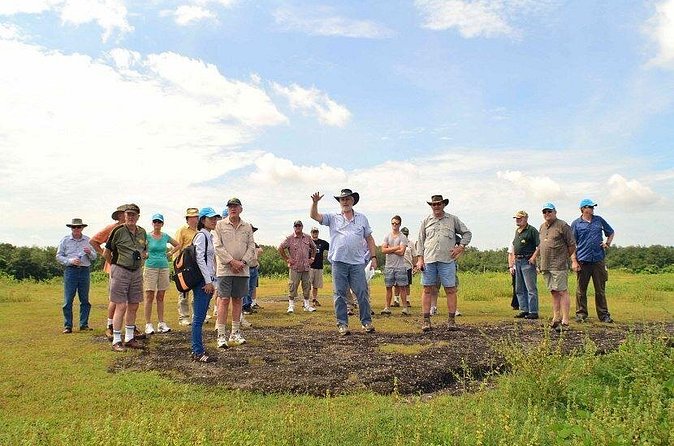
Next up is the Horseshoe Battlefield area, sometimes described as part of the Horseshoe base region. This stop helps you get out of the headspace of memorizing events. Instead, you learn why terrain matters—how positioning influences everything from cover to movement.
The value here is that your guide isn’t treating the battlefield like a static exhibit. The explanations focus on the chaos of the time and the way that conflict affected the surroundings. It’s the kind of stop where the best questions are simple: Where were people? Why there? What changed from earlier positions?
If you like history that has physical logic—rather than just chronology—this is a strong chapter of the day.
You can also read our reviews of more private tours in Ho Chi Minh City






Nui Dat (SAS Hills): The Terrain Lessons Land Hard
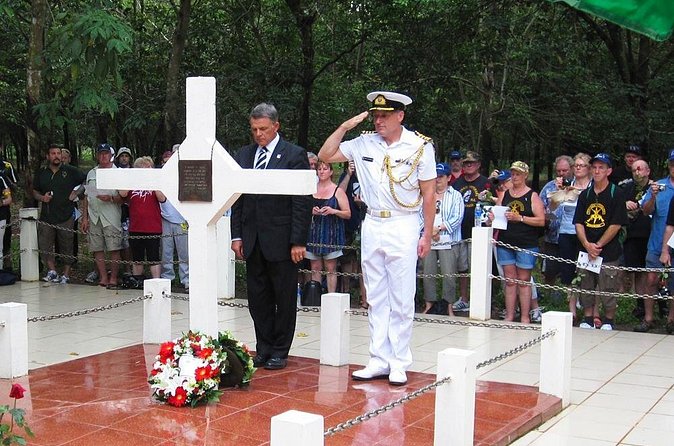
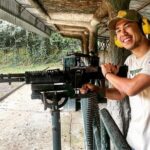
Then you head to Nui Dat, often referred to as the SAS Hills area. This is one of the most important locations in the day because it’s tied to where Australian forces operated after the Long Tan period.
This stop is especially good for anyone who likes to understand the “why” behind tactics. The guide’s context helps you connect the ground to the story: how locations influenced what was possible, and how the fight shaped the landscape and local movement.
Good to know: because this is a battlefield site experience, you’ll likely be doing more standing and looking than you would on a city tour. It helps to carry a light layer if the morning feels cool.
Long Phuoc Tunnels: Underground Reality, Not a Movie Scene
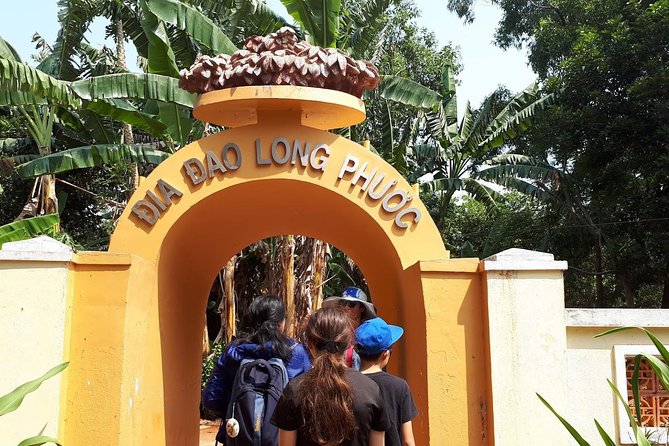
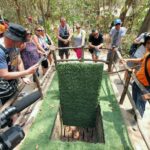
Long Phuoc Tunnels are the day’s realism check. These tunnels were used by the Viet Cong, and the stop is built to give you a glimpse into the tunnel systems that let people survive, move, and hide.
From the description, the tunnels are described as primitive-looking, which is an important reminder. This isn’t about polished infrastructure—it’s about people using what they had to solve a brutal problem. Expect explanations that focus on how tunnels changed the battlefield rhythm.
Practical mindset: go in curious and a bit humble. These are not “attractions” in the theme-park sense. You’re looking at evidence of survival and strategy.
Lunch in the Day: Fuel for a War-Sites Schedule
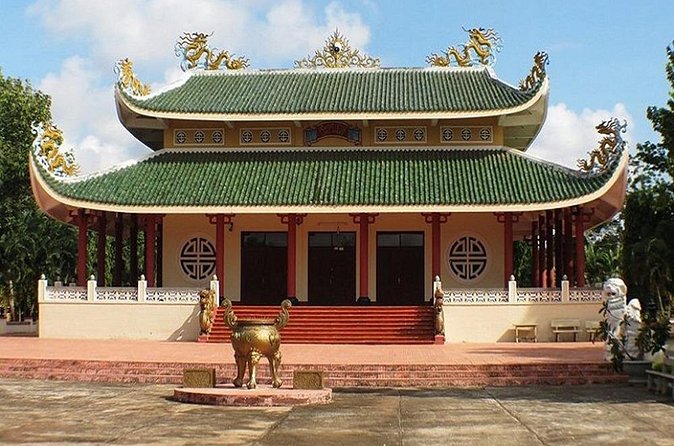
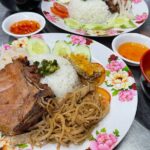
Lunch is included at a local restaurant with Vietnamese cuisine. For a tour like this, that matters more than you might think. A day spent visiting historical sites can easily become a “drive, snack, drive more” pattern, which drains attention and patience.
With lunch handled, you can keep your head in the story instead of hunting for food at the worst possible time. If you want to maximize comfort, mention any dietary needs when booking. A vegetarian option is available if you request it ahead of time.
Pacing and Comfort: Why Private Works Here
At 8 hours total, this isn’t a quick hit. But the private setup helps the day feel manageable. You’re traveling with just your group, so you can ask questions at any stop without waiting for a larger schedule to catch up.
A standout detail from the experience style is that the guide uses photos from during the war and from today. That approach is powerful because it turns the sites into a before-and-after lesson. You start seeing not just what happened, but what remains.
Also, the tour is designed to avoid constant shopping stops. That means more time at meaningful points and less time on forced detours.
Price and Value: Is $135 per Person Fair?
At $135 per person, this tour sits in the midrange for a private, full-day destination transfer. Is it worth it? For me, it comes down to what you get packed into that price.
You’re paying for:
- A/C private transportation plus sightseeing time
- An English-speaking guide
- A war veteran guide component for key stops
- Lunch included
- Pickup from central District 1 hotels (with the option of surcharge outside that area)
- A structured route across multiple major sites plus the Ba Ria orphanage stop
If you were to do this yourself, you’d likely spend a lot on transport, time, and coordination—and you might miss the “this is why it matters” layer that a veteran-led guide brings. For history-focused travelers, that interpretive context is often the difference between a checklist day and a day you remember.
So I’d call it good value if you want real guidance and don’t want to gamble on self-planning.
Who Should Book This (and Who Might Not Love It)
This private Long Tan and Nui Dat battlefield tour is a great match for:
- People who care about the Vietnam War and want to see it through key named locations
- Travelers who prefer guided context over reading on their own
- Anyone who likes history tied to terrain and real-world movement
- Families of older kids who can handle a serious subject with respectful pacing
It might be a tougher fit if you mainly want a relaxed day, lots of shopping, or a light, carefree itinerary. This is structured around war sites and tunnels, so the mood stays serious even when the orphanage stop brings warmth.
Should You Book This Private Battlefield Tour?
If you’re the type who wants more than plaques and panoramic views, I think this is a strong booking. The combination of Long Tan Cross, Horseshoe, Nui Dat (SAS Hills), and Long Phuoc Tunnels gives you the kind of “story arc” that’s hard to replicate on your own. Add the Ba Ria orphanage visit and you get a fuller picture of how the region holds both loss and daily human resilience.
Book it if you can handle an early start and a long day. Skip it if you want a casual outing or you’re hoping for a mostly indoor, low-walking schedule.
FAQ
FAQ
How long is the private Long Tan Nui Dat battlefield tour from Ho Chi Minh City?
It runs about 8 hours.
What are the main stops on the tour?
You’ll visit the Long Tan Cross memorial, the Horseshoe Battlefield area, Nui Dat (SAS Hills), the Long Phuoc Tunnels, and a stop at an orphanage in Ba Ria.
Is hotel pickup and drop-off included?
Yes. Pickup and drop-off are offered for centrally located hotels in District 1, Ho Chi Minh City. Pickup outside District 1 may involve an extra surcharge.
What time does the tour start, and where does it meet?
The start time is 7:45 am. The meeting point is listed as 112 Trần Hưng Đạo, Phường Phạm Ngũ Lão, Quận 1, Thành phố Hồ Chí Minh, Vietnam, and the tour ends back at the meeting point.
What’s included in the price?
Included are an A/C car or van for pickup, transfer, and sightseeing as per the program; an English-speaking guide; and lunch at a local Vietnamese restaurant.
Is lunch included?
Yes. Lunch is included during the tour at a local restaurant.
Do I need to provide passport details when booking?
Yes. Passport name, number, expiry, and country are required at booking for all participants.
Is there a vegetarian option?
A vegetarian option is available if you request it at the time of booking.
What happens if the weather is poor?
The experience requires good weather. If it’s canceled due to poor weather, you’ll be offered a different date or a full refund.
Can I cancel for a full refund?
Yes. You can cancel up to 24 hours in advance for a full refund. If you cancel less than 24 hours before the start time, the amount paid is not refunded.