REVIEW · HO CHI MINH CITY
Saigon Historical City Tour
Book on Viator →Operated by AN Tours · Bookable on Viator
Saigon moves best at street level. This Ho Chi Minh City Historical City Tour packs big-picture history into a fun scooter ride format, with stops that explain how the city changed from French rule to wartime Saigon. I love how the guide fills in context you usually miss from guidebooks, and I also like the practical pace: you cover major sights without spending your day wrestling traffic. The main consideration is simple: you stay on the back of the motorbike, so you’ll want to feel comfortable with the ride and the street noise.
For first-timers, this tour is a fast way to build your mental map of Ho Chi Minh City, from colonial architecture to the stories behind famous memorials. The price is also easier to swallow than it looks, because the motorbike transport, helmet, bottled water, and coffee or tea are built in, along with snacks. Just note the pickup area rule: if your hotel is outside districts 1, 3, or 4, there’s a $5 per person charge.
You’ll also get a human touch from the guides, and the names that come up in past tours include Chris, Henry, Jessie, Linh, Nguyen, and An. English levels and storytelling vary by guide, but the consistent theme is that they try to make the city make sense, not just point at it.
In This Review
- Key things to notice before you go
- Scooter pickup: the fastest way to get your bearings
- Notre Dame Cathedral and the Saigon Post Office: French architecture with real context
- Thich Quang Duc’s memorial: history that hits harder than facts
- Wartime hidden history: bunkers and the city’s underground moves
- More than the big names: Book Street and Ba Thien Hau Temple
- Price and logistics: is $45 good value here?
- Who should book this Saigon historical scooter tour
- Should you book this tour of Saigon’s past and present?
- FAQ
- How long is the Saigon Historical City Tour?
- What does the $45 price include?
- Do you pick me up from my hotel?
- Is this tour private?
- Do I need to have strong mobility to do this?
- Is there an open-face helmet provided?
- Can I cancel for a full refund?
Key things to notice before you go
- Scooter pickup from your accommodation (with a small extra fee outside districts 1, 3, and 4)
- French-era landmarks by motorcycle so you spend less time searching and more time seeing
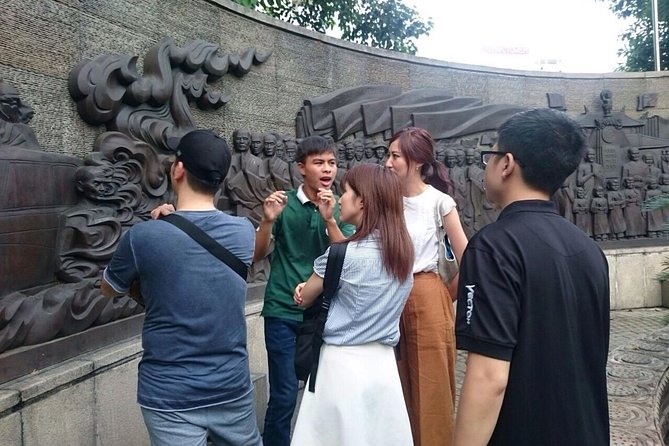
- A serious, personal story at Thich Quang Duc’s memorial that turns a historical name into a moment you can picture
- Wartime hidden-history stops such as weapon-concealing bunkers and the city’s underground tactics
- Snacks plus bottled water, coffee, or tea to keep the half-day from turning into a hunger test
- Private tour format so you can ask questions without waiting your turn
Scooter pickup: the fastest way to get your bearings
The tour starts with pickup from your hotel, and you ride on the back of your guide’s motorbike. That sounds a little wild if you’re imagining Vietnam traffic as a horror movie, but the point here is exactly what you want on Day 1: you don’t have to navigate lanes, crossings, and scooters all day. You get the city at street level, and you can focus on learning.
Expect a moderate level of physical fitness. It’s not a long hike, but you are getting on and off a seat in moving traffic, and you’ll be sitting for the ride portions. If you have balance issues or a strong aversion to helmets-in-motion, this might feel stressful. On the other hand, people who are open to it often find they get comfortable quickly.
What I like about this setup is how it turns time into learning. At 4 hours, you want momentum. By using motorbikes with a guide who knows the route, you can hit multiple eras of the city without the dead time of figuring out buses, grab rides, or parking.
Your safety gear is part of the deal: the tour includes an open-face helmet and transportation by motorbike, with fuel included. Also, the experience uses a mobile ticket, so you’re not chasing paper confirmations.
You can also read our reviews of more city tours in Ho Chi Minh City



Notre Dame Cathedral and the Saigon Post Office: French architecture with real context
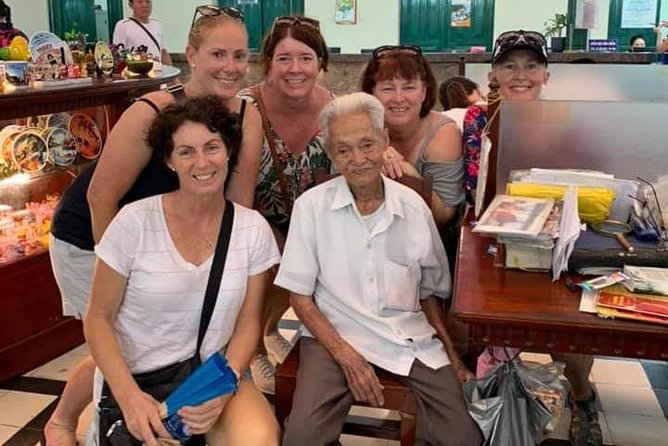
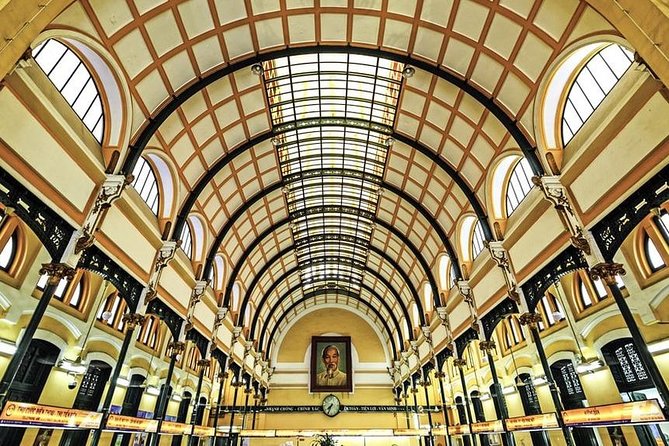
One of the biggest wins on this tour is that you see the famous colonial-era landmarks in a way that makes them legible. You’ll head to the Notre Dame Cathedral and the Saigon Post Office early on, and your guide explains the France-era history behind what you’re looking at.
Seeing these buildings is one thing. Understanding why they were there is the step most first-timers miss. The cathedral and post office aren’t just pretty photo stops. They represent the colonial mindset: imposing structures, European design language, and an idea of order that foreign administrators tried to project onto Saigon.
The post office is especially memorable because it’s functional history. It still feels like a place people would use, which helps you picture the daily life around it during different political phases. If you like history that has texture, not just dates, you’ll probably enjoy the way the guide links architecture to how the city worked.
A practical bonus: doing these stops by motorbike reduces the “time tax” that comes with wandering between them. You don’t need to plan a route across busy streets. Your guide does.
Thich Quang Duc’s memorial: history that hits harder than facts
After you leave the more obvious tourist areas, the tour shifts tone. You’ll visit a famous story tied to a Vietnamese Mahayana Buddhist monk who burned himself in protest of persecution of Buddhists by the South Vietnamese government.
This is the Thich Quang Duc story, and your guide’s job here is not to recite a timeline. It’s to explain why this act became a turning point that people around the world could not ignore. Even if you’ve heard the name before, hearing the context in person changes the feeling. It turns an event into something human and specific.
This kind of stop can be emotional, and it’s worth preparing yourself for that. If you want light-and-funny the whole way, this isn’t the tour for that mood. But if you want Saigon’s history to make sense as lived experience, this is one of the most powerful moments on the route.
It also ties back to the broader theme of the day: the city’s identity kept changing based on power, beliefs, and resistance. You’ll see it not only in buildings, but in stories people fought to have remembered.
Wartime hidden history: bunkers and the city’s underground moves
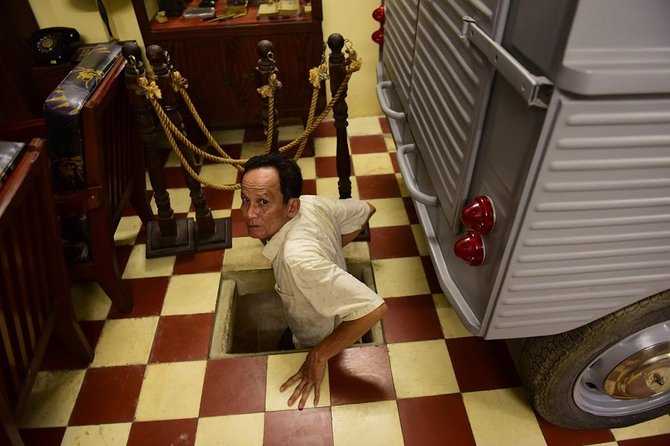
Next comes the part many first-time visitors don’t expect: the city’s wartime concealment and survival tactics. You’ll stop by weapon concealing bunkers, described as a place used to keep nearly three tonnes of something the guide won’t let you forget.
The exact details depend on your guide’s storytelling, but the concept is clear. This wasn’t just open conflict; it was a constant game of hide, move, store, and protect. Bunkers like this show how wartime Saigon had layers. There was the street you saw, and then there was the infrastructure operating beneath it.
You may also hear additional wartime narrative threads during the tour, including a story about Mr Light smuggling guns into the city at night. That kind of detail matters because it fills gaps between the big historical headlines and the practical reality of how weapons and supplies moved.
One more reason I like this segment: it makes the city feel physically strategic. Instead of treating history as something that happened long ago, you start noticing how people built and planned for danger.
Just remember the emotional temperature of the tour can stay serious for stretches. Bring a little patience, and let the guide set the pace.
More than the big names: Book Street and Ba Thien Hau Temple
The route also includes a few sights that help round out the day, so it doesn’t feel like a list of famous colonial photos. In past tours, stops connected to Book Street and Ba Thien Hau Temple come up as highlights, along with time to cruise around Saigon and take in everyday life.
These kinds of stops are useful because they connect the official story to the lived city. A temple visit, for example, can help you understand the spiritual texture that shows up again and again in Saigon’s history. And a street like Book Street helps show that the city isn’t frozen in one era. It keeps evolving, shopping and reading and talking, even while the past stays visible.
If you’re the sort of traveler who enjoys walking away with a few places you can point to later, this part helps. It also makes the tour feel less like a checklist and more like a guided experience of how neighborhoods and history overlap.
You can also read our reviews of more historical tours in Ho Chi Minh City






Price and logistics: is $45 good value here?

At $45 per person for about 4 hours, this tour can be a solid value if you factor in what’s included. You’re not just paying for a guide. You’re paying for:
- motorbike transportation with fuel
- a high-quality, open-face helmet
- bottled water
- coffee and/or tea
- snacks
- a mobile ticket experience for easy coordination
Admission ticket costs are listed as free for the tour stops shown, which is another small but real piece of value.
The only likely extra cost mentioned is pickup if your accommodation is outside districts 1, 3, and 4. In that case, there’s a $5 per person charge. If you’re staying farther out, I’d treat that as part of the true price. If you’re already central, the base cost feels more “all-in,” which is what you want on a short half-day.
Also, this is a private tour/activity, which matters for value. Instead of blending into a bigger group schedule, you get your own time with the guide. That makes it easier to ask questions about what you’re seeing.
Who should book this Saigon historical scooter tour
This tour fits best if you:
- are in Ho Chi Minh City for the first time and want an organized orientation
- like history, especially the kind connected to specific stories and places
- want to see multiple big sights without spending hours planning transportation
- feel comfortable riding on the back of a motorbike and wearing a helmet
It can be less ideal if you hate traffic noise, feel uneasy on a scooter, or want a purely relaxed walk-through where you set every pace. The tour is only about 4 hours, but you’ll still be in motion much of the time.
If you’re a solo traveler, it can feel like having a local guide with you, because the private setup keeps it personal. For couples, it’s also a nice shared experience since you’re moving through the city together and hearing the same stories.
And if you care about English guidance and safety, look for guides like Chris or Henry, who have been singled out for strong English and safe driving. If you’re traveling with older family members, Jessie and other guides have been praised for being reassuring and understanding with a 74-year-old rider, which is a good sign that the experience can be handled thoughtfully.
Should you book this tour of Saigon’s past and present?
I’d book it if you want a fast, story-driven introduction to Ho Chi Minh City that goes beyond postcard history. The blend of French-era architecture, major protest history tied to Thich Quang Duc, and wartime concealment stops makes it more than a sightseeing ride. Add the snacks, water, coffee or tea, and motorbike transport, and the $45 price feels grounded.
I’d think twice if scooter riding makes you tense or if you’re looking for an easy, slow pace with lots of walking time. This is a short, moving tour. If that sounds fine, you’ll likely come away with a clearer picture of Saigon as a layered city, not just a stack of famous buildings.
FAQ
How long is the Saigon Historical City Tour?
The tour is listed at about 4 hours.
What does the $45 price include?
It includes motorbike transportation with fuel and a high-quality open-face helmet, bottled water, coffee and/or tea, and snacks. Admission tickets are listed as free for the tour stops.
Do you pick me up from my hotel?
Yes, pickup is offered. If your accommodation is outside districts 1, 3, and 4, there is a $5 per person charge.
Is this tour private?
Yes. It’s a private tour/activity, so only your group participates.
Do I need to have strong mobility to do this?
You should have a moderate physical fitness level. You’ll spend time riding on the back of a motorbike, so comfort with the ride matters.
Is there an open-face helmet provided?
Yes. A high-quality open-face helmet is included.
Can I cancel for a full refund?
Yes. Free cancellation is available up to 24 hours in advance for a full refund. Changes within 24 hours are not accepted, and refunds don’t apply for cancellations made less than 24 hours before the start time.