REVIEW · HO CHI MINH CITY
Ho Chi Minh: Tasting Iconic Coffee of 3 Regions in Vietnam
Book on GetYourGuide →Operated by Sky Travel · Bookable on GetYourGuide
A great coffee tasting starts with technique, not luck. This one-hour session has you brewing Vietnamese coffee with the phin dripper, then tasting three regional styles that match Vietnam’s different regions and tastes. I really liked the hands-on pacing and the way the guide, Quynh, connected each drink to the people and the city it comes from. One heads-up: the format is simple, and the space may feel more like an apartment setup than a classic café, so don’t expect big café vibes.
What I liked most is the practical part: you don’t just sip—you learn why the steps matter. You also taste iconic South, Central, and North drinks back-to-back, so you can actually tell the differences, not just remember flavors. The only potential drawback is caffeine: you’ll likely leave wired, especially if you don’t eat beforehand.
In This Review
- Key things to know before you go
- Ho Chi Minh’s One-Hour Coffee Tour: Three Regions, One Phin
- Where the session starts (and what to expect when you arrive)
- Your hands-on brewing moment with the traditional phin dripper
- Condensed milk coffee (South Vietnam): the comfort-food classic
- Salt coffee (Middle Vietnam): the balancing trick you might not expect
- Egg coffee (North Vietnam): creamy, foamy, and very specific
- The value of a small group and expert guidance
- What the coffee expert teaches (beyond the three cups)
- Price and logistics: is $21 a good deal?
- Who this tour is best for (and who should skip it)
- Should you book this three-region phin coffee tasting?
- FAQ
- What coffee styles are included in the tasting?
- Do I brew the coffee myself or only taste it?
- How long is the experience?
- Where does the tour meet?
- How big is the group?
- Is there a children’s age limit?
- Is hotel pickup included?
Key things to know before you go
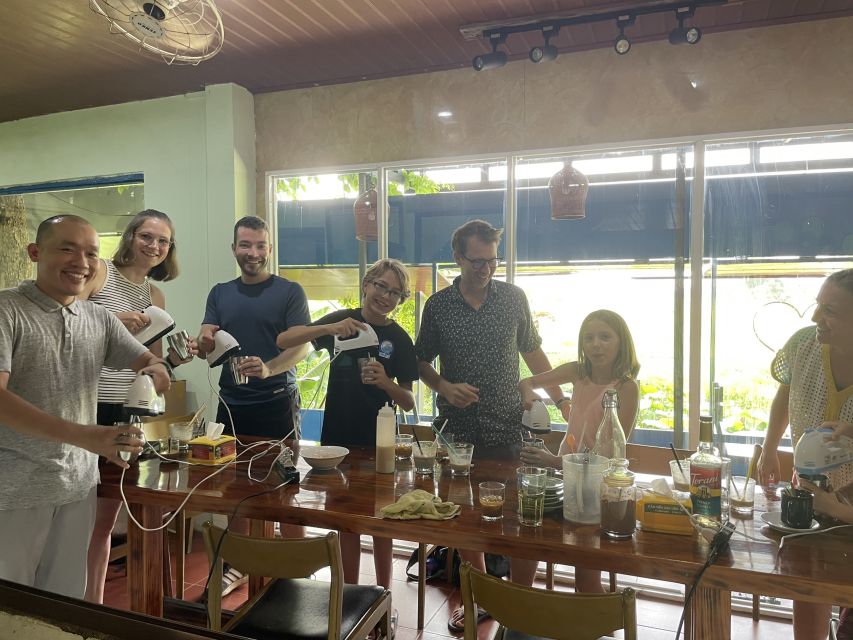
- Brew with a phin: you’ll make the coffee yourself using the traditional slow-drip method
- Three regional icons, side by side: condensed milk coffee (South), salt coffee (Central), egg coffee (North)
- Short group energy: limited to 10 participants, so you can ask questions as you go
- Learn by contrast: you may even have a chance to try a less-than-perfect brew step to see how it changes the cup
- Café coffee culture, minus the rush: it’s educational but still relaxed, with time to compare notes
Ho Chi Minh’s One-Hour Coffee Tour: Three Regions, One Phin
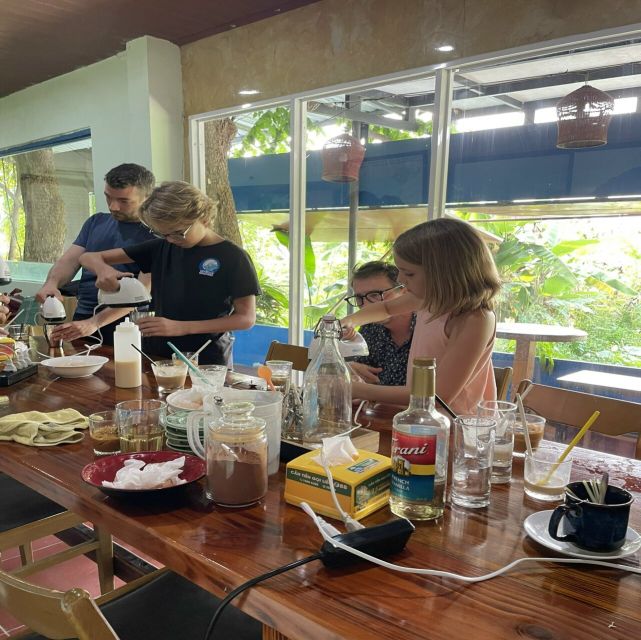
If you want to understand Vietnamese coffee fast, this is a smart way to do it. Vietnam’s coffee culture isn’t one single flavor—it shifts by region, and the drinks you’ll taste are basically edible fingerprints of where they come from. In just one hour, you go from learning the basics of brewing to tasting three famous styles that people in each region actually order and recognize.
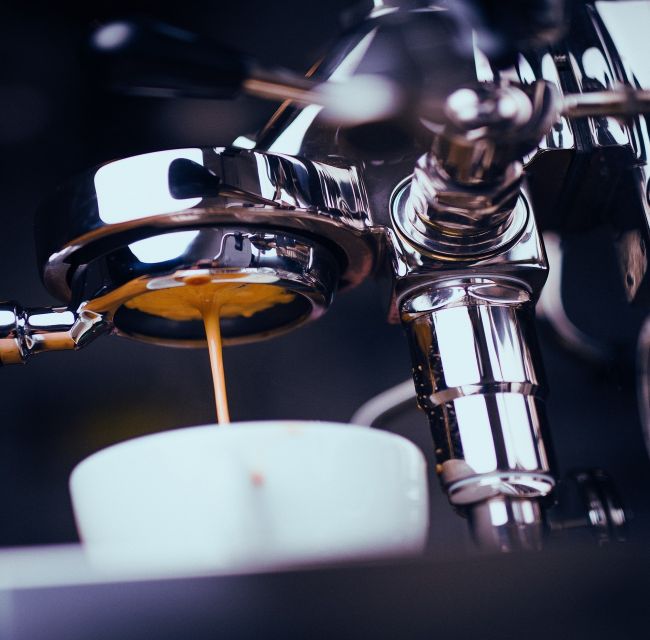
The experience is built around the traditional phin dripper. That’s the little metal device that sits on your cup and drips slowly. When you brew with a phin, you feel the method in your hands: heat, grind, and timing all matter. And because you’re tasting three styles during the session, you’ll start noticing how small changes lead to very different cups.
You’ll also get the story behind the cups. Quynh (the coffee specialist I learned about) explained the background of Vietnamese coffee and connected each drink to regional character. That makes it more than a tasting flight—it’s like a guided comparison of how people adapt coffee to local tastes.
You can also read our reviews of more food & drink experiences in Ho Chi Minh City


Where the session starts (and what to expect when you arrive)
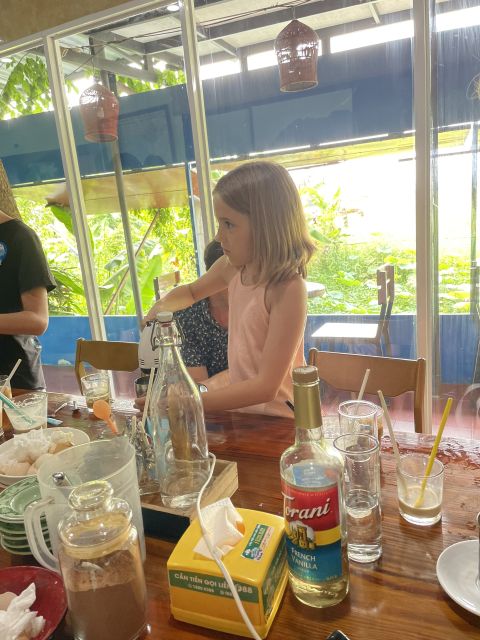
The meeting point is at 27 Ngo Duc Ke Street, District 1, Ho Chi Minh City. This is a central area, so getting there is usually straightforward if you’re already staying in District 1. The host or greeter speaks English, and the group stays small (up to 10), which helps keep the class-style feel.
Now, about the setting: don’t assume it’ll look like a big café. In one experience, the room looked more like a private apartment-style setup for a tasting rather than a public restaurant. It’s not a dealbreaker—just manage expectations. What matters is that you have the ingredients, equipment, and a specialist guiding you through the process.
The session lasts about 1 hour, so it’s not a long, sit-down dinner event. It’s closer to a focused workshop you can fit into a busy day. If you’re doing multiple activities, plan this when you can still be mentally present—because the coffee topics are fun, but they also move quickly.
Your hands-on brewing moment with the traditional phin dripper
This is the core of the experience, and it’s why it feels worth the money. The tour isn’t only sampling—you’ll brew coffee using the phin dripper and the provided equipment and ingredients. You’ll learn the rhythm of the drip, the basic steps, and how small mistakes can swing the flavor.
Here’s what you’ll walk away with: you’ll understand that Vietnamese iced coffee isn’t just coffee plus sweet milk. It’s a brewing method, usually designed for concentrated coffee that can stand up to dairy and sugar. When you brew with a phin, you’re creating that concentrated base slowly, so when you add condensed milk, salt, or egg-style cream, the drink still has body and intensity.
In one session, the guide helped participants learn by comparing results—there was a chance to experience how an incorrect or rushed approach can lead to a less satisfying cup. That’s actually useful for you, because it shows the value of following steps rather than guessing. After this, you’ll likely feel more confident ordering similar drinks in Vietnam, because you’ll have a mental model of what changed.
Condensed milk coffee (South Vietnam): the comfort-food classic
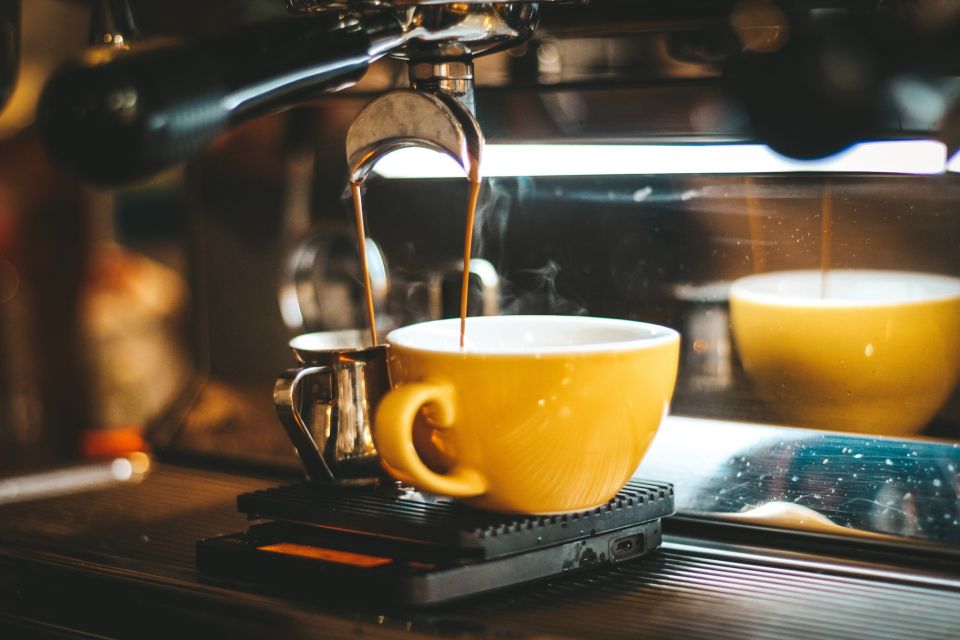
The first tasting is the condensed milk coffee that’s strongly associated with South Vietnam. If you’ve ever had Vietnamese coffee in any form, you’ve probably tasted the idea of sweet, thick, creamy coffee—and this is the regional version in a very direct way.
During your tasting, you’ll sample the half-size version (so you can try all three styles without exploding your caffeine intake). The point here isn’t just sweetness—it’s texture and balance. Condensed milk adds a thick sweetness that rounds out the coffee’s intensity. The result is familiar, comforting, and easy to like, even if you normally drink coffee black.
What I found especially helpful for you: pairing this tasting with the background explanation. The guide’s comparison between regions makes it easier to remember what you liked and why. When you understand that South Vietnamese coffee culture leans toward a sweeter, milk-forward style, the drink becomes more than a random café order—it becomes a regional preference.
Practical tip: if you’re sensitive to sweetness or dairy, take a moment before your first sip to smell and notice the coffee base. That way you can decide if you like it instantly or if you want to pace yourself.
Salt coffee (Middle Vietnam): the balancing trick you might not expect
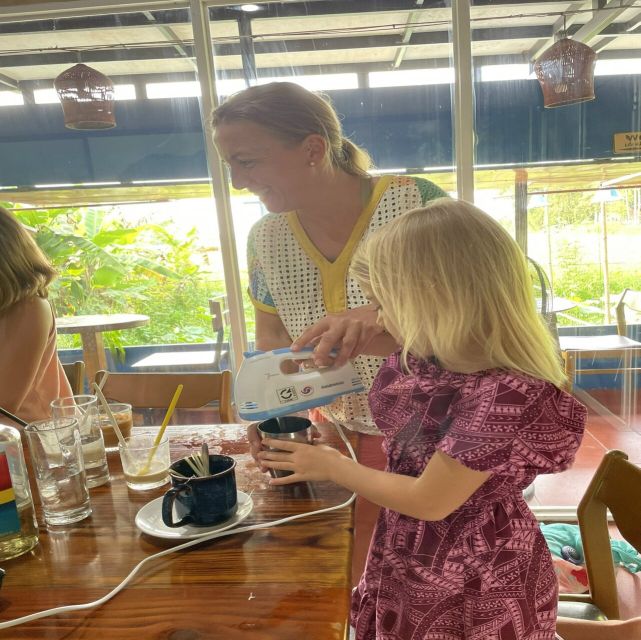
Next comes salt coffee, linked to Middle Vietnam. This is the one that surprises most people the first time they hear about it. Salt in coffee sounds wrong until you taste it, because salt doesn’t make it salty like instant coffee sachets. Instead, it sharpens the flavors and can enhance the coffee’s depth.
The tasting works best because you’re not doing it alone or randomly. You’ve just brewed and learned about the coffee base, and now you’re seeing how a different regional ingredient changes the experience. After condensed milk, salt feels like a twist. But it often makes the coffee taste more defined—less one-note, more layered.
You also get the cultural explanation of why this style exists and what it reflects about regional tastes. When the guide talks about city character alongside the recipe, salt coffee turns into a story, not just a gimmick. That’s the difference between a tasting you forget and a tasting you can talk about later.
One more practical point: salt coffee can feel more “awake” in the cup. So if you’re sensitive to caffeine or strong flavors, go slow here. Sip, wait ten seconds, then decide if you want another.
You can also read our reviews of more tours and experiences in Ho Chi Minh City


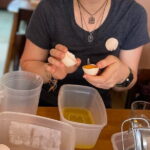

Egg coffee (North Vietnam): creamy, foamy, and very specific
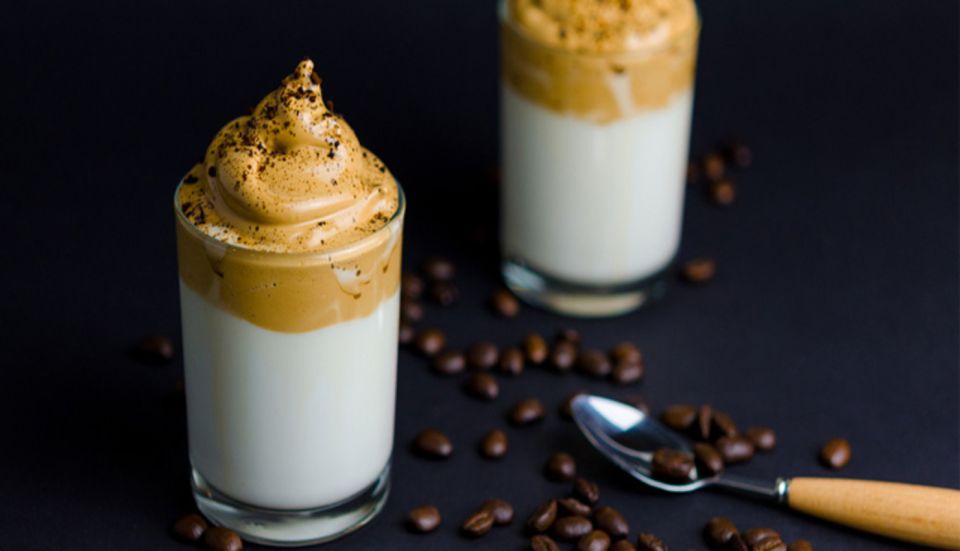
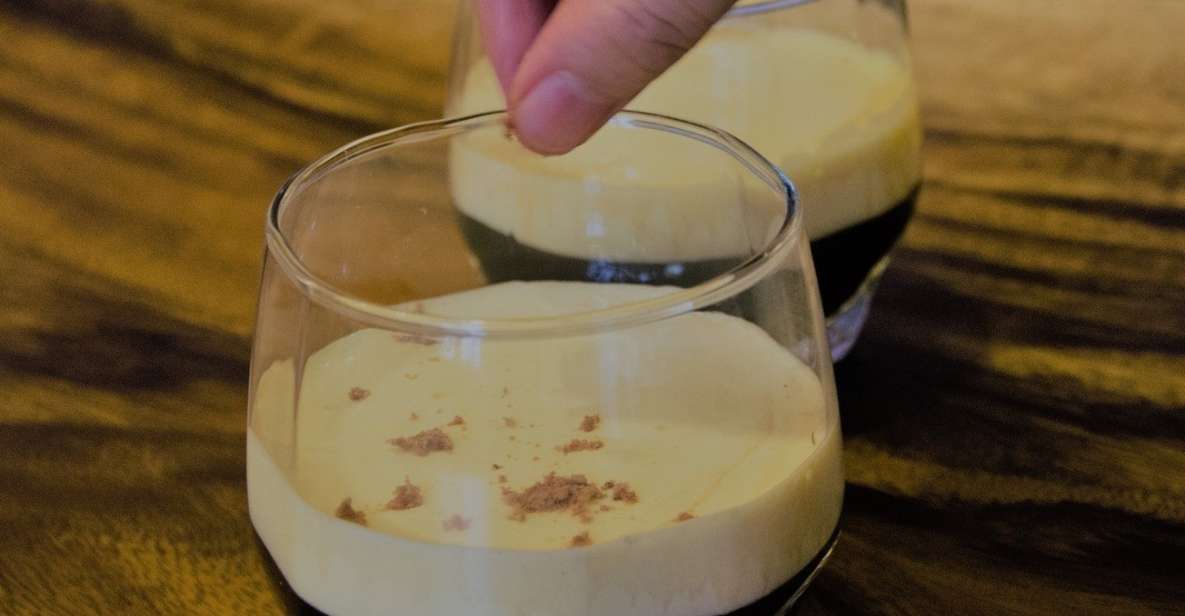
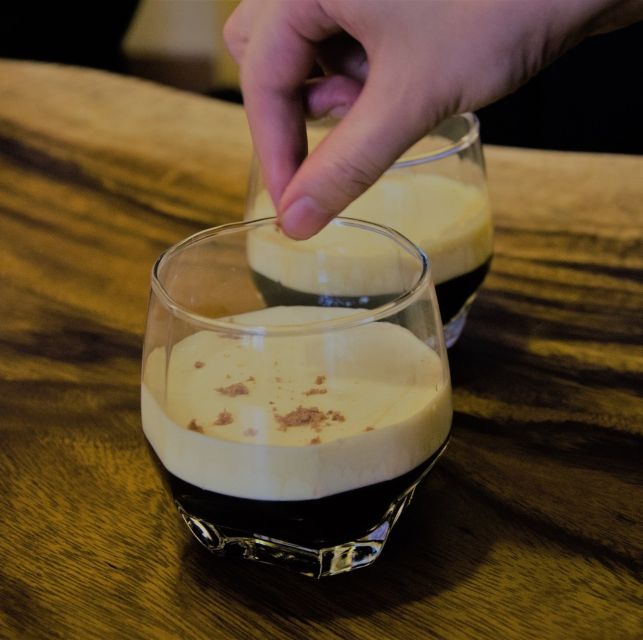
Finally, you’ll taste egg coffee, connected with North Vietnam. This style is famous for a creamy, custard-like texture that can taste almost like dessert—without becoming fully sweet frosting.
What makes egg coffee stand out is the feel in the mouth. It’s not just sweetened milk. It has that egg-cream character that creates a different kind of richness. If you’re the type who likes coffee with a dessert edge, this is usually the crowd-pleaser.
The guide’s comparison matters here too. Egg coffee isn’t simply a random recipe; it’s part of a regional identity. As you taste it right after the salt coffee, you can notice the shift: North Vietnam’s style comes across more as comfort-and-caramel-ish richness, while Central’s salt style can feel more structured and cutting.
In one session, the coffee specialist also took time to answer questions and show visuals about the history of coffee and how Vietnam’s coffee culture developed. That background helps you understand why egg coffee became a thing in the first place and why it fits the Northern palate.
If you want the best experience, treat this as your finale. You’ll probably like it most after you’ve already tested the others, because you’ll be able to compare texture and intensity instead of tasting it cold.
The value of a small group and expert guidance
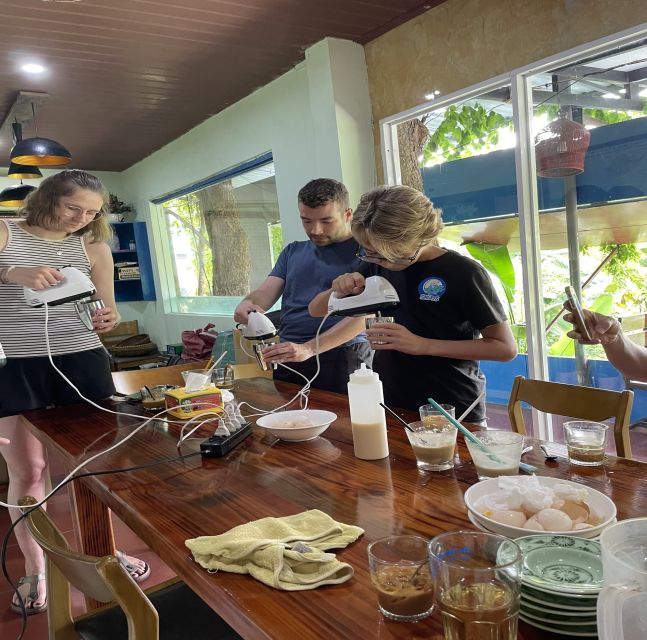
A lot of coffee tours are either too short to teach anything or too long to be practical. This one strikes a good middle ground: small group (max 10), English-speaking specialist, and a clear structure with three tastings.
The best part is the expert guidance that stays interactive. Quynh and the host explained the differences in a way that made it easy to follow. They weren’t just reciting facts—they were helping you connect the drink to the region and to the brewing method. That means you leave with more than flavors in your memory. You leave with a method and a framework.
Another value booster: you’ll get to ask questions. When the group is small, questions don’t get swallowed by the noise. You can also clarify what you should taste for next time, like whether you like the coffee base strong or you prefer it softened by condensed milk.
Also, pacing matters. One review mentioned the session ran about 30 minutes over due to conversation. That tells me the experience isn’t rushed, and if you’re curious, you’ll probably get more out of it.
What the coffee expert teaches (beyond the three cups)
The teaching isn’t just recipes. You’re learning how Vietnam’s coffee culture works and how coffee became a national obsession with regional variations. You’ll hear about the history of coffee in Vietnam and how different regions built their own signature drinks.
The practical part is the phin method. You’ll understand why the coffee concentrate matters and why the drink stays strong even after sweeteners and add-ins. That’s the skill you can use later when you try Vietnamese coffee on your own.
In some sessions, you also get a comparison lesson where something goes wrong on purpose (or at least gets brewed in a different way) so you can see how the steps affect the cup. That kind of learning sticks because it’s sensory. It’s also how you avoid repeating the same brewing mistake if you try a phin at home later.
One more bonus from the experience format: some participants reported being provided a Vietnam comfort food alongside the tasting. It wasn’t advertised as a meal in the core description, but it did happen in at least one session and the guide adjusted food when someone wasn’t feeling well. Either way, you should still plan to eat before you go if you don’t want the caffeine hit to feel like a jump-scare.
Price and logistics: is $21 a good deal?
At $21 per person for a one-hour experience, the value depends on how you like to travel. If you just want to sip three coffees and wander off, it might feel like you could do it cheaper on your own. But if you care about learning how Vietnamese coffee is actually made, the price makes more sense.
Here’s what you’re getting for your money:
- Brewing instruction and hands-on use of the phin dripper
- Three iconic regional coffee tastings (half-size drinks)
- Ingredients and equipment included
- An English-speaking coffee specialist to explain the regional differences
That combination is what makes it feel like more than a café stop. You’re essentially buying a mini workshop plus a tasting flight. Since the group is small and includes equipment, you’re not doing the planning, hunting, or trial-and-error.
Logistics are simple because there’s no hotel pickup listed. You’ll need to get yourself to the meeting point at 27 Ngo Duc Ke Street. If you’re already in District 1, that’s usually easy enough with a short ride or a quick walk.
Who this tour is best for (and who should skip it)
This is a great fit if you:
- Like coffee and want a structured taste comparison
- Want a hands-on skill (phin brewing) rather than just photos
- Enjoy learning why foods and drinks vary by region
- Are traveling with questions and enjoy asking them in a small group
It’s less ideal if:
- You’re sensitive to caffeine and can’t handle multiple strong drinks in a short time
- You need wheelchair accessibility (the experience isn’t suitable for wheelchair users)
- You’re traveling with kids under 14 (children under 14 are free, but they can’t join the coffee tasting)
Also note: pets aren’t allowed.
Should you book this three-region phin coffee tasting?
I’d book it if you want to understand Vietnamese coffee quickly and you like learning by doing. The three-regions setup makes it easy to notice differences, and the phin brewing component gives you a practical skill—not just a sugar hit and a quick selfie.
Skip it if you’re expecting a fancy café experience or if caffeine reliably knocks you off your schedule. Also, if you want a big meal day, this isn’t that. It’s a focused workshop.
If you’re in Ho Chi Minh City and coffee is on your must-do list, this is one of the cleaner, more purposeful ways to spend an hour.
FAQ
What coffee styles are included in the tasting?
You’ll taste three iconic Vietnamese coffee drinks: condensed milk coffee (South Vietnam), salt coffee (Middle Vietnam), and egg coffee (North Vietnam).
Do I brew the coffee myself or only taste it?
You’ll do the hands-on brewing using the traditional phin dripper, then taste the resulting coffees.
How long is the experience?
The experience duration is about 1 hour.
Where does the tour meet?
The meeting point is 27 Ngo Duc Ke street, District 1, Ho Chi Minh City.
How big is the group?
It’s a small group limited to 10 participants.
Is there a children’s age limit?
Children under 14 are free of charge, but they cannot join in the coffee tasting. The experience is not suitable for children under 14 to join the tasting.
Is hotel pickup included?
No. Hotel pickup and drop-off are not included.