REVIEW · HO CHI MINH CITY
Ho Chi Minh: Cu Chi Tunnels tour halfday private with lunch
Book on GetYourGuide →Operated by A Travel Mate Co. Ltd · Bookable on GetYourGuide
Cu Chi starts out as a history lesson you can walk into. This half-day private outing takes you from Ho Chi Minh into the countryside and then below ground into a tunnel network that once stretched over 250 kilometers. I like the way the tour mixes visuals on-site with clear explanations, and the fact that you actually get time to explore the tunnel maze instead of rushing past it.
I’m also drawn to the practical flow: you get picked up in the morning, see the bomb-crater scars from B52 raids, and finish with lunch so you’re not dragging through the rest of the day hungry. The main drawback to consider is that the schedule can feel brisk, with some walking in and around the site—so if you’re slow-moving or sensitive to tiring terrain, plan for a little effort.
If you end up with a guide like David, Jack, or Tommy, you’ll likely get the best version of the experience: engaging storytelling, careful pacing for the group, and lots of room for questions about Vietnam before and after the war.
In This Review
- Key highlights worth your attention
- Morning pickup and the ride to Cu Chi
- Cu Chi orientation: the video, the scale, and the first clues
- Exploring the tunnel maze: how people lived and fought underground
- Bomb craters and the tank remnants: seeing the surface scars
- Optional AK47 or MK16 shooting: what to know before you add it
- Lunch after Cu Chi: keeping the half-day feeling sane
- Price and value: is $137 a good deal for this tour?
- What to pack and how to plan for the tunnel walking
- Who this Cu Chi half-day tour is best for
- Should you book this Cu Chi Tunnels half-day private tour with lunch?
- FAQ
- How long is the Cu Chi Tunnels half-day tour?
- Where does the tour start and how do you get there?
- What’s included in the price?
- What will I see at Cu Chi?
- Is lunch included and what is it like?
- Can I shoot an AK47 or MK16 on this tour?
Key highlights worth your attention
- Countryside drive with a rubber forest route, so you start by leaving the city noise behind.
- Short tunnel orientation with an intro video to help you understand how the system worked.
- Real underground survival details like trap doors, living areas, and storage/work spaces.
- Surface evidence of bombing including craters from 500-pound B52 drops.
- Time in the tunnels with guided exploration of the widened sections made for visitors.
- Optional rifle range experience if you want to add a shooting activity nearby.
Morning pickup and the ride to Cu Chi
This tour is built for a half day, and the timing is usually a big part of why it feels manageable. You’ll be collected from your hotel in Ho Chi Minh City around 08:00–08:30, then you head out for about 1 hour 45 minutes.
What I like about the drive is that it’s not just time in a van. You travel through southern Vietnam countryside and even a rubber forest stretch, which gives you an instant sense that Cu Chi isn’t a movie set. It’s part of the real land outside the city, and that matters because the war history here isn’t abstract. When you arrive, you’ll be mentally set up to connect the story to place.
The ride is in an air-conditioned car or van, and the tour includes bottled water. That sounds minor, but on a war-heavy site, small comfort helps you stay focused on what you’re seeing.
You can also read our reviews of more private tours in Ho Chi Minh City



Cu Chi orientation: the video, the scale, and the first clues
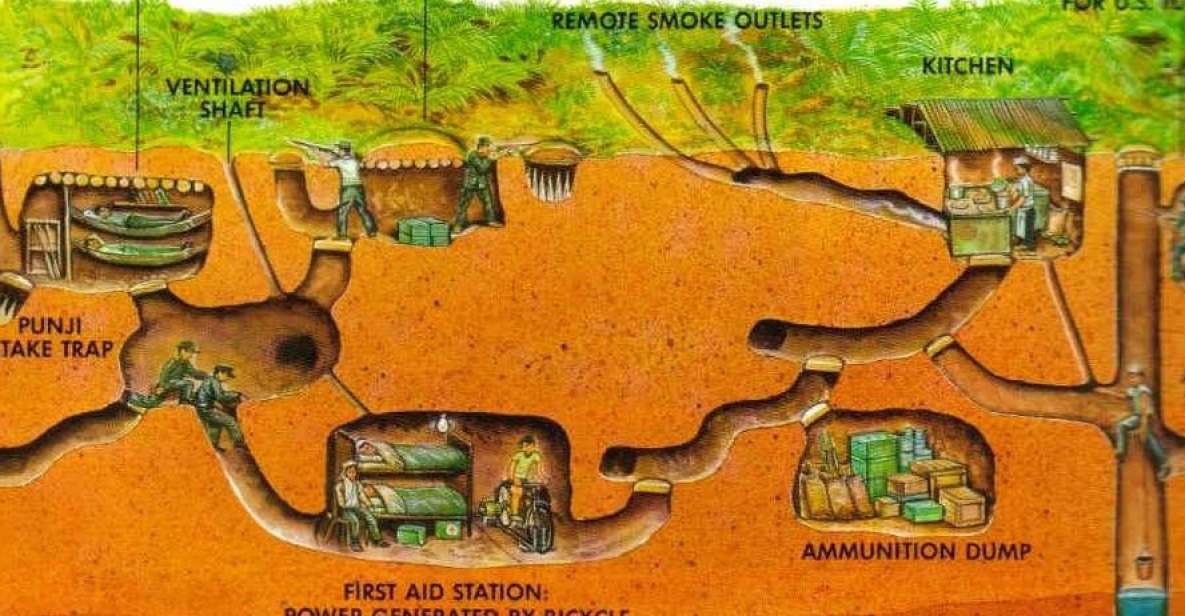
When you arrive at Cu Chi, you start with a short intro video. It’s not long, but it does a key job: it gives you the basics of how the underground three-level tunnel system operated and why it worked. At the height of the American-Vietnamese War, the network covered more than 250 kilometers, from Saigon toward the Cambodian border.
Then the site eases you into the physical layout. You get early displays that act like a map before you head deeper. One of the most useful elements is the presence of mantraps and remnants like an American tank. Even if you’re not a military history person, these objects help you grasp that the tunnels weren’t just hiding places—they were designed to control movement and protect people.
You’ll also see the visible aftermath of bombing. The tour points out craters made by 500-pound bombs dropped by B52s. This is one of those moments where the visuals hit first and the explanations land second, and that order often makes the story easier to understand without feeling like a lecture.
Exploring the tunnel maze: how people lived and fought underground
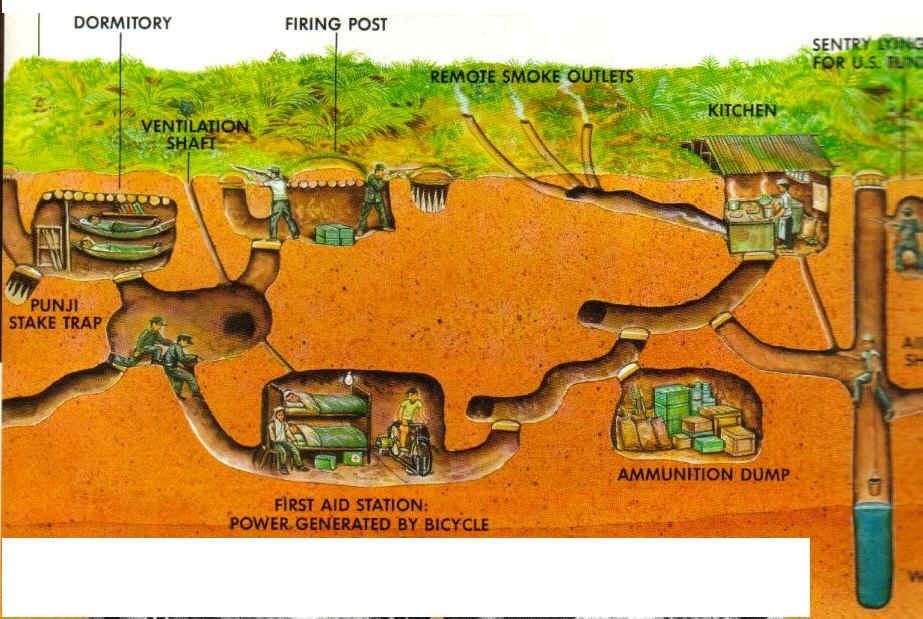
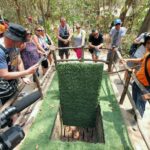
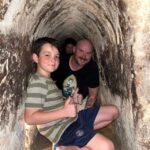
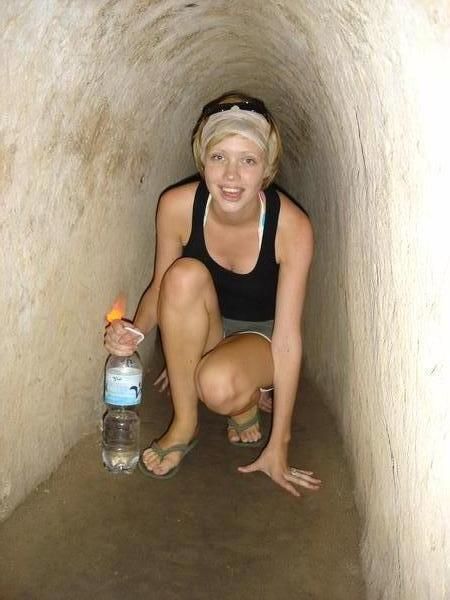
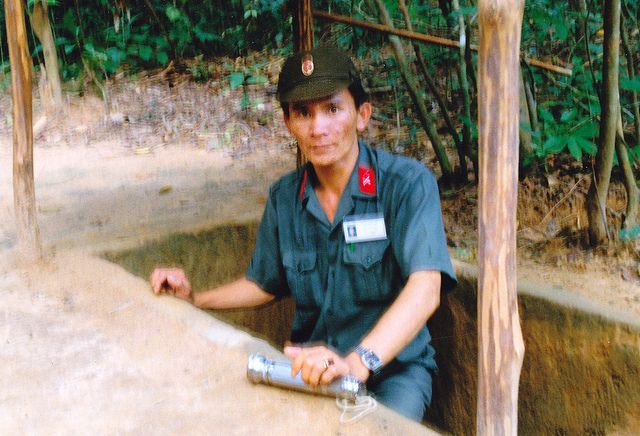
The main event is about one hour exploring the tunnel maze, and it’s where the tour earns its reputation. The tunnels you walk through today have been widened for visitors, so you’re not dealing with the same narrow passage experience as those who lived there during the war. Still, the structure makes its point: the system was engineered for survival under constant danger.
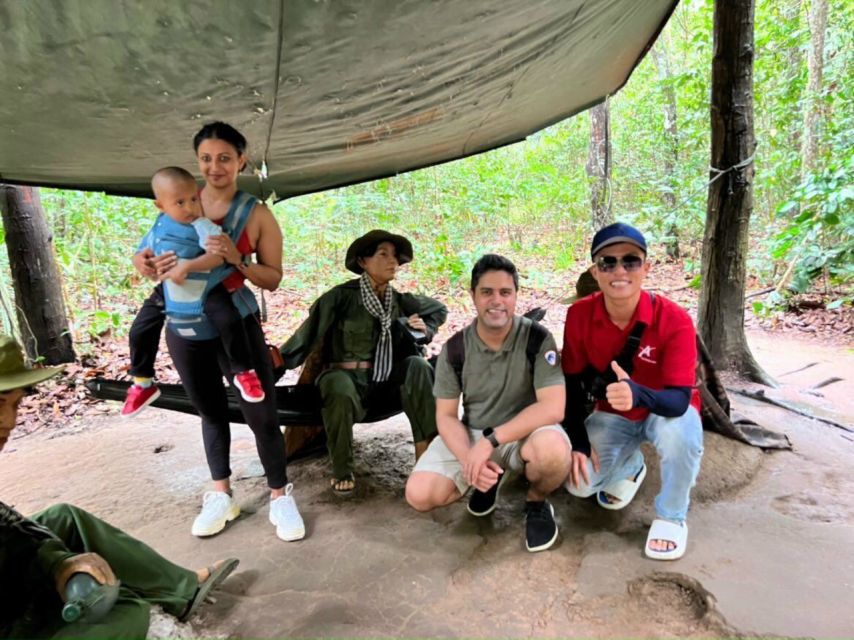
The tour covers the kinds of spaces the network included, including trap doors, specially constructed living areas, storage facilities, weapons factories, field hospitals, command centers, and kitchens. I like that the guide links these rooms to real problems the tunnel builders had to solve. If there’s one takeaway, it’s that underground life here wasn’t improvised—it was organized under pressure.
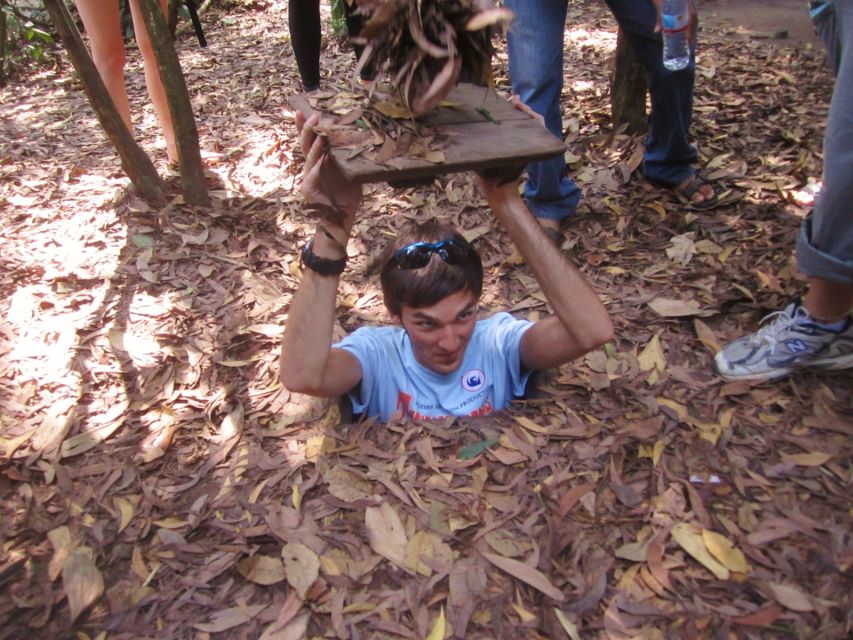
You also get a sense of how protection worked. The trap doors and mantraps weren’t decoration; they were defenses meant to slow and confuse anyone trying to move through the tunnels. When you’re standing near these features, the explanations feel practical rather than dramatic.
One caution: you still have to be comfortable walking and moving through a site with uneven footing and tight interior spaces. If you’re planning this as part of a bigger trip, pack comfortable shoes and expect that you’ll use your legs.
Bomb craters and the tank remnants: seeing the surface scars
Cu Chi isn’t only underground. The tour also shows surface evidence of the bombing campaigns, and it changes the tone in a useful way.
You’ll see craters from B52 raids, and the site uses this as a teaching tool. Standing near those craters (even at a distance), it’s easier to understand the scale of the threat that drove the tunnel strategy in the first place. The tunnels weren’t a quirky cultural thing or a tourist idea—they were a response to extreme pressure.
You’ll also encounter remnants like an American tank. I appreciate having these objects included because they provide something concrete to anchor the story. For many visitors, the war context becomes clearer when you can connect what you learn underground with what happened above ground.
It’s a moving experience, and it can be intense. If you’re sensitive to war history, I’d still say the tour is worth it, but go in with a calm mindset and give yourself time to process. This isn’t a casual sightseeing stop.
Optional AK47 or MK16 shooting: what to know before you add it
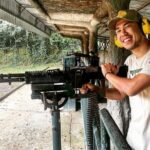
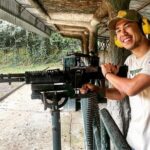
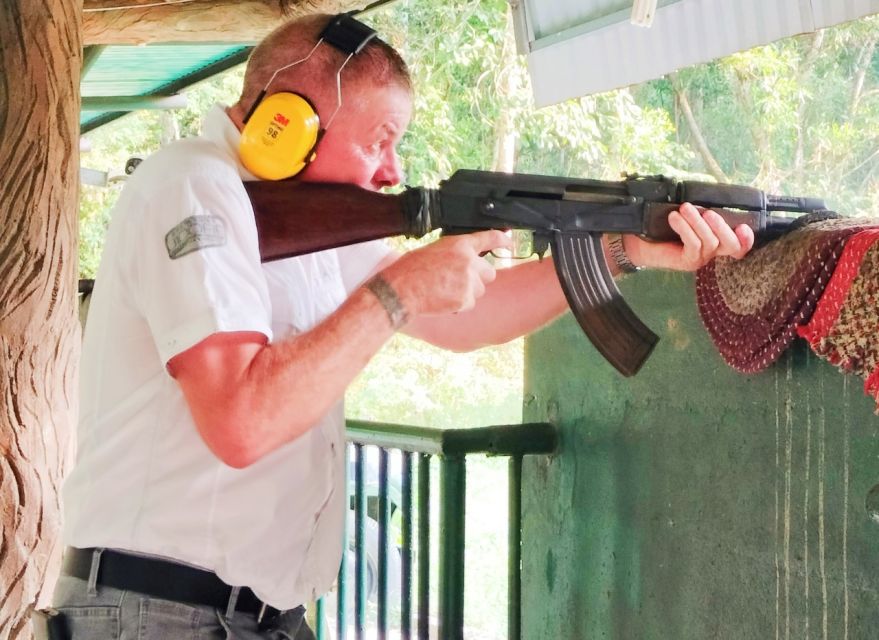
One of the unique features here is an opportunity to fire rounds from an AK47 or MK16 at a nearby rifle range, if you’re interested. That option is separate from the tunnel exploration itself, and it can change the feel of your day—because after deep war reflection underground, a shooting range brings you back to the world of action and mechanics.
The tour info doesn’t spell out details like timing or extra costs, so treat it as an add-on you discuss with your guide on the day. If you like hands-on activities and you’re comfortable with firearms, it can be a memorable bonus. If you’re doing this primarily for history and you prefer not to mix in shooting, it’s fine to skip.
You can also read our reviews of more tours and experiences in Ho Chi Minh City






Lunch after Cu Chi: keeping the half-day feeling sane
By the time you finish the tour, it’s about time to eat—literally. The schedule is designed to wrap up around 14:00. After your tunnel time and the site stops, you’ll have lunch with a set menu.
Lunch matters because it keeps the day from turning into a grumpy, hungry scramble. The tour includes a beverage—one beer or one soft drink—plus one bottle of water per person. It’s simple, but it helps you recover energy right after a heavy, attention-grabbing morning.
Once lunch is done, you’ll be dropped back at your hotel. The tour includes the guide and driver, so you’re not left coordinating your own return in a busy city.
Price and value: is $137 a good deal for this tour?
At $137 per person, this isn’t a budget add-on—but it also isn’t overpriced for what’s included. You’re paying for a tight half-day package that covers:
- hotel pickup and air-conditioned transport
- an English-speaking guide
- entrance fees
- lunch with a set menu
- bottled water plus a beverage
Private tours cost more than group tours, and here you’re also getting a structured guide-led experience at a major historical site. If you were to piece it together yourself—transport, guide, site entry, and lunch—you’d likely spend comparable money with more hassle.
Where the value really shows is in how the time is used. You get the ride, a short orientation, about an hour exploring, the surface craters and displays, and then you still finish with a meal and a return to your hotel before mid-afternoon.
If you’re traveling in a group small enough to justify private format, this price starts to look more reasonable. If you’re solo on a tight budget, you might compare against group options—but based on what’s included, this one aims to be efficient and not you-will-figure-it-out later.
What to pack and how to plan for the tunnel walking
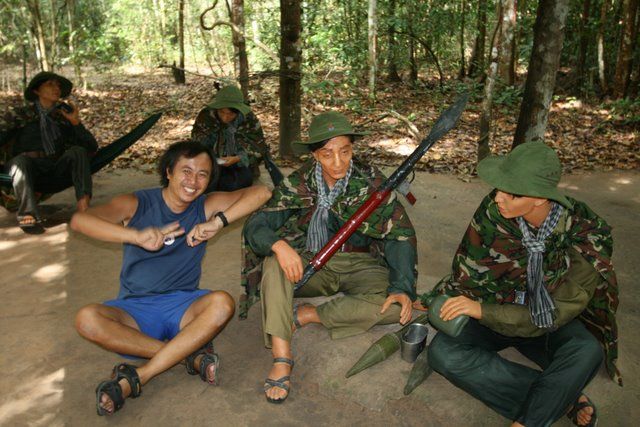
The tour gives a straightforward packing list: comfortable shoes and comfortable clothes. That’s not generic advice here—it’s practical for walking on-site and moving through tunnel spaces.
I’d also suggest you bring a small daypack for cameras and personal items since you’ll want to capture the views and displays without juggling bags. The tour guidance specifically recommends having lightweight items for spare film or camera needs and a bit of water.
If you’re sensitive to tiring days, plan other activities lightly after this. Finishing around 14:00 is great, but the tunnel portion still asks for attention and movement. Treat the rest of the afternoon as downtime, not a packed tour marathon.
Who this Cu Chi half-day tour is best for
This is a strong fit if you want:
- a focused history-and-structures experience rather than just photos
- an on-the-ground look at how the tunnel network worked, including living and operational areas
- a morning outing that gets you back to Ho Chi Minh before the day gets complicated
It’s also a good match if you like guides who can explain Vietnam before and after the war clearly. Guides such as David, Jack, and Tommy come up for their storytelling and for staying engaged with questions. One of the most helpful things I expect from a guide of this caliber is pacing—especially for older visitors. In fact, there’s evidence the guides can adjust pace and help people manage their return to the bus.
If you’re chasing only the most tranquil, low-emotion travel moments, this might be heavier than you want. But if you can handle serious subject matter with respect, it’s one of the more grounded ways to understand Cu Chi.
Should you book this Cu Chi Tunnels half-day private tour with lunch?
I think you should book it if you value structure and efficiency. The half-day format, the included lunch, and the hotel pickup remove most of the friction that can turn a historical site into a logistical headache. With an English-speaking guide, you also avoid the most common problem at major museums and memorial-style places: wandering without context.
Book it especially if you want that combo of underground maze time plus the visible B52 crater evidence, because it gives you both the survival story and the outside threat that drove the strategy. If you’re worried about pace, choose comfortable shoes, keep your energy steady, and ask your guide to match your group’s comfort level.
Skip it only if you’re looking for a totally relaxed, easygoing outing. This tour is built around walking, exploring, and thinking—sometimes in tight spaces—and that’s the point.
FAQ
How long is the Cu Chi Tunnels half-day tour?
It runs for about half a day. You’ll be picked up around 08:00–08:30 and the tour ends at approximately 14:00.
Where does the tour start and how do you get there?
The tour includes hotel pickup in Ho Chi Minh City and transportation by air-conditioned car or van to Cu Chi. The drive is about 1 hour 45 minutes.
What’s included in the price?
The tour includes an English-speaking guide, entrance fees, transport, 1 bottle of water per person, lunch with a set menu, and a beverage (one beer or one soft drink). Personal expenses aren’t included.
What will I see at Cu Chi?
You’ll see a short introductory video, explore a maze of tunnels, view mantraps and remains of an American tank, and see bomb craters left by 500-pound B52 drops.
Is lunch included and what is it like?
Yes. After the tour, you’ll have lunch with a set menu.
Can I shoot an AK47 or MK16 on this tour?
There is an opportunity to fire rounds from an AK47 or MK16 at the nearby rifle range if you’re interested.