REVIEW · HO CHI MINH CITY
Ho Chi Minh City: History Museum and Ben Thanh Market Tour
Book on GetYourGuide →Operated by TripGuru Vietnam · Bookable on GetYourGuide
Two icons in one smooth loop. This short walking tour pairs the Ben Thanh Market experience with Vietnam’s history in the Museum of Vietnamese History, so you get context fast without spending a whole day in transit. I like that it’s timed well for people who only have a couple hours and want their city-walking to actually mean something.
What I enjoy most is the pairing itself: a guided look at market life, then a guided walkthrough of historical exhibits. You’re not just staring at objects or browsing stalls—you’re connecting what you see to why it matters. The one drawback to consider is that guide quality can vary; if you’re relying on English, plan for the possibility that some guides speak in a way that’s harder to follow, and you should also be aware that some commentary may touch modern political topics.
The upside is that the tour keeps things moving but not rushed, and the group is small—up to 9 people—so you can ask questions instead of shouting over a crowd.
In This Review
- Key things to know before you go
- Starting at Ho Chi Minh City Museum: getting your bearings fast
- Ben Thanh Market tour in 30 minutes: what to look for inside the stalls
- Museum of Vietnamese History for 30 minutes: how to prioritize the exhibits
- Food sampler and market etiquette: tasting without guessing
- Guide style and the one thing to watch: clarity and current-events talk
- Walking tour logistics in Ho Chi Minh City: time, route, and comfort
- Price check: is $26 worth it for 2 hours in Saigon?
- Who should book this tour, and who should skip it
- Should you book: my decision guide
- FAQ
- How long is the Ho Chi Minh City History Museum and Ben Thanh Market Tour?
- Where do I meet the tour guide?
- What stops are included during the tour?
- Is the entrance fee included?
- Is a food sampler included?
- What languages does the guide speak?
- Is it a small group tour?
- Can I book at the last minute?
- Do I get hotel pickup and drop-off?
- Is the tour suitable for wheelchair users or mobility impairments?
Key things to know before you go

- Two stops, one focused route: market first, then history museum, with the walk ending back at Ben Thanh.
- Small group size (up to 9): easier questions and less waiting around.
- Food sampler included: a simple way to try a local bite without guessing.
- Entrance fees covered: you’re paying for a guided experience, not just a walk.
- Bring cash for the stalls: Ben Thanh is full of tempting purchases.
- Not ideal for mobility limits: it’s a walking tour with uneven market surfaces.
Starting at Ho Chi Minh City Museum: getting your bearings fast
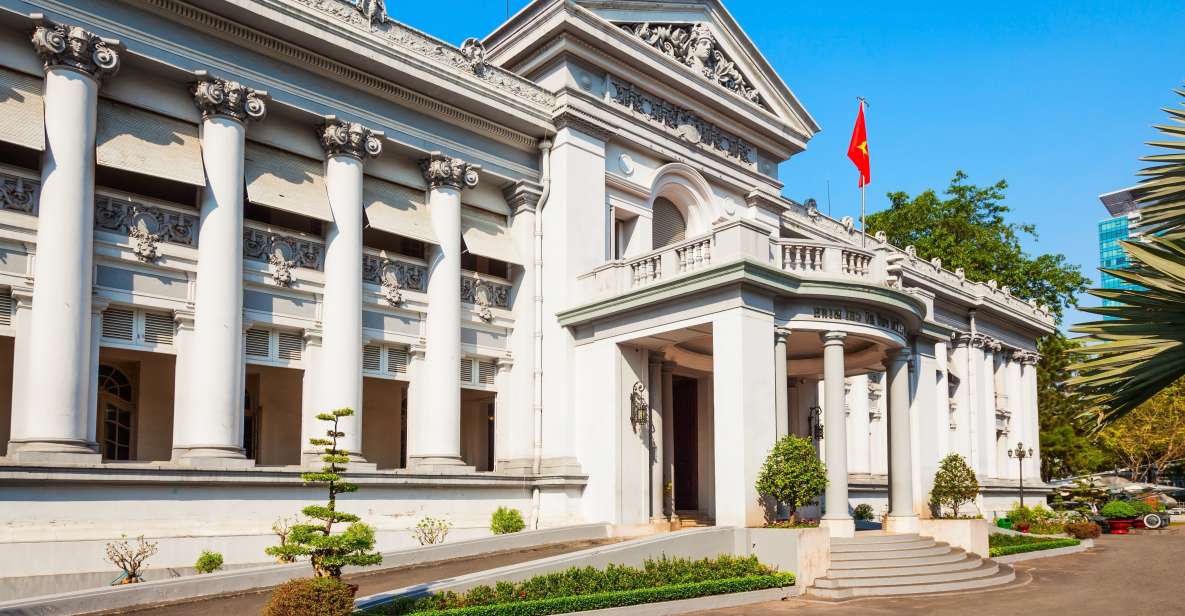
You meet at the Ho Chi Minh City Museum, which is a good choice because it helps you frame the day right away. The tour guide will be easy to spot—wearing a TripGuru shirt or holding a TripGuru sign—so you’re not wandering around hoping you picked the right group.
The tone here is “short and meaningful.” You’re not being asked to memorize a textbook. Instead, you’ll get a quick historical context so when you hit Ben Thanh and then the museum exhibits, you’ll know what to look for and what to ask about. If you like walking tours that come with explanations instead of just directions, this start works well.
One practical note: bring comfortable shoes. You’ll be on your feet for the full two hours, and the market section involves real shopping areas where you won’t always have a smooth, wide path.
You can also read our reviews of more city tours in Ho Chi Minh City



Ben Thanh Market tour in 30 minutes: what to look for inside the stalls
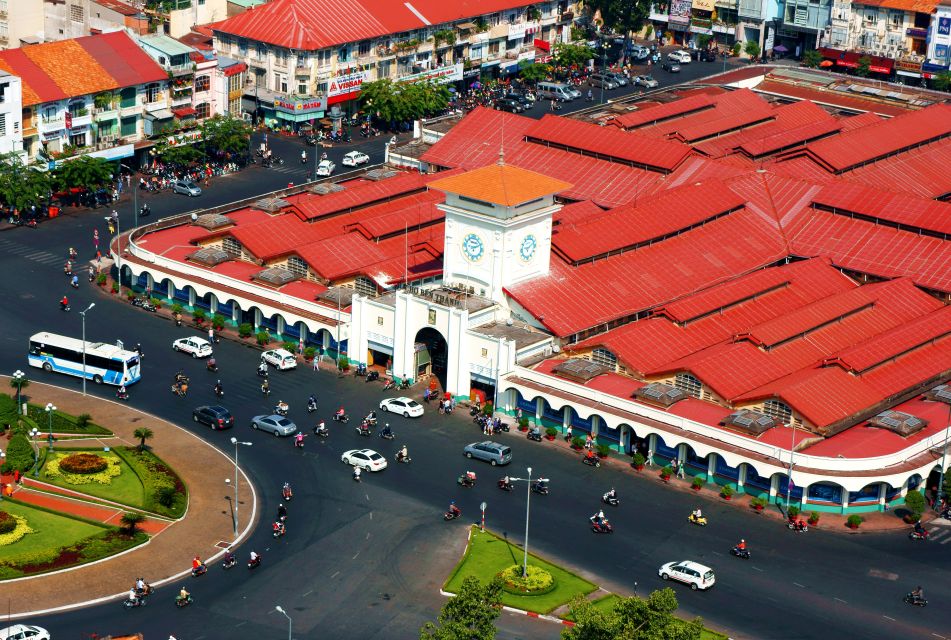
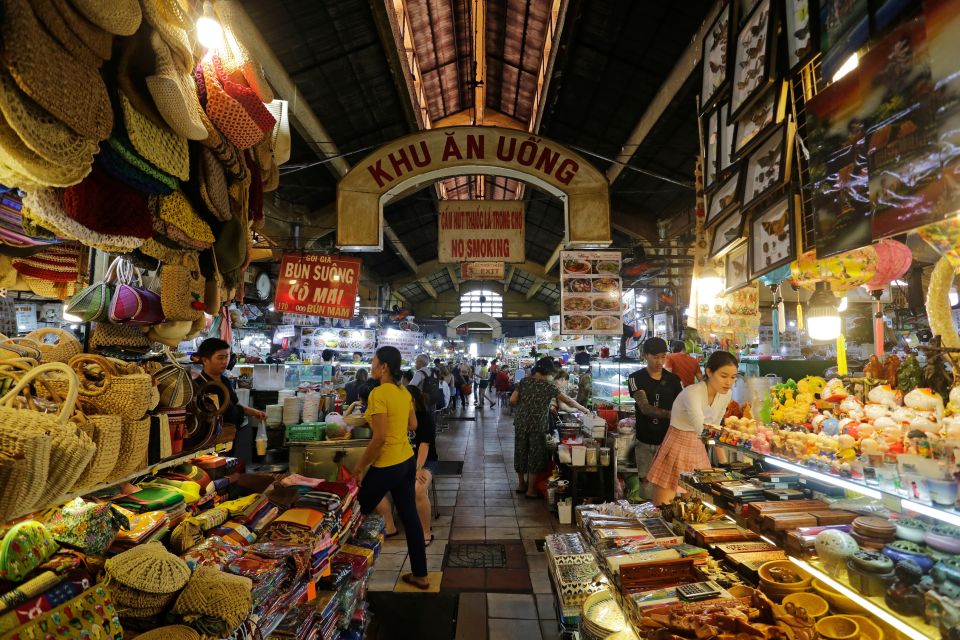
Ben Thanh Market is one of Ho Chi Minh City’s most iconic indoor destinations. You’ll spend about 30 minutes walking and browsing with your guide, and that time is just enough to get the feel of a market that’s been serving people for a long time.
Here’s why it’s worth prioritizing on your itinerary:
- It traces back to early market activity near the Saigon River, where vendors gathered to sell goods.
- The market moved to its current location in 1912.
- It was renovated in 1985, which helps explain why it feels like both a working market and a city landmark.
The name also carries meaning: Ben is connected to harbor, and Thanh comes from citadel. Your guide’s job is to make those details land in your brain while you’re standing among the stalls, not hours later when you’ve forgotten what you saw.
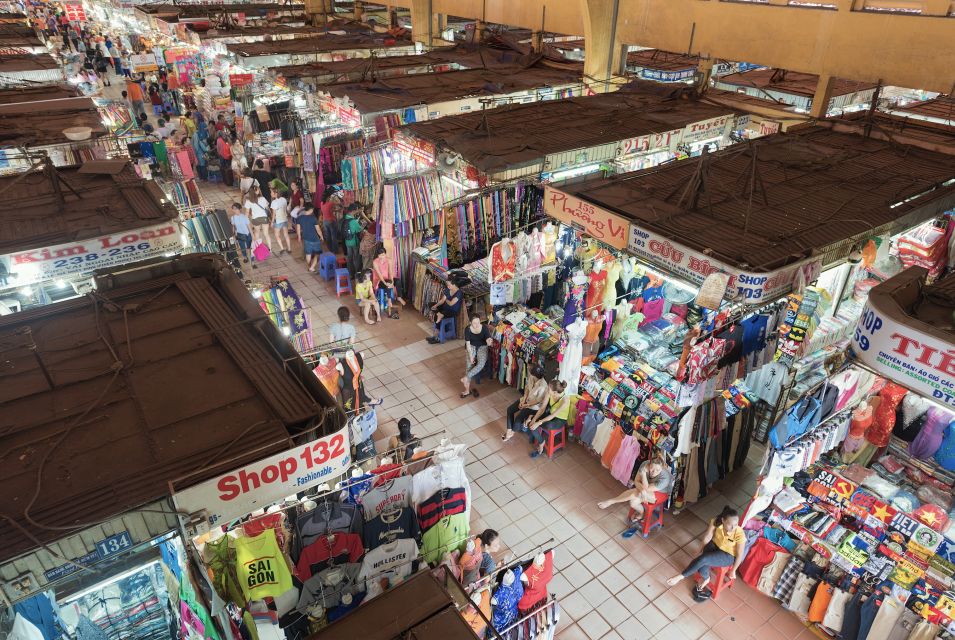
During your walk, keep an eye out for how vendors organize items and how shoppers move. Even in a short time, you can pick up the “rhythm” of everyday buying—people comparing prices, picking up small quantities, and asking questions face-to-face. This tour is a good fit if you want to experience that local flow without getting overwhelmed.
If you’re worried about hygiene, you’ll likely appreciate how this market is described as clean and orderly compared with what some people fear from the phrase wet market. Still, treat it like a market: wear sandals that aren’t fragile, use hand sanitizer if you have it, and keep your phone secured while moving through tight spots.
Museum of Vietnamese History for 30 minutes: how to prioritize the exhibits
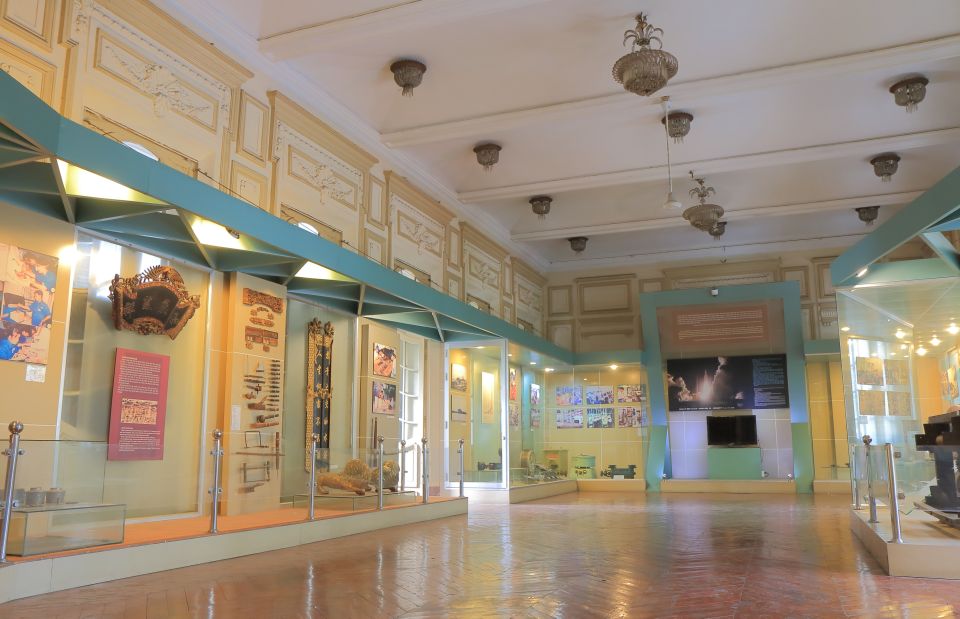
After Ben Thanh, you head to the Museum of Vietnamese History for another 30 minutes guided. This is the “context-builder” stop, and it’s where the tour earns its value.
The museum’s collections focus on Vietnam’s timeline through key cultural and historical periods, including:
- prehistoric times
- the Đông Sơn culture
- Vietnam’s struggle for independence from colonial rule
In a short visit, you won’t see everything. What you’re trying to do instead is learn a few big anchors: what life looked like earlier in Vietnam, what cultural identity looked like through artifacts, and how independence fits into the longer story. A good guide helps you connect the items on display to themes you can recognize later while traveling.
If you’re the type who gets bored in museums, this can still work, because the tour doesn’t try to turn you into a scholar. It’s built for “scan with meaning.” You’ll also have a chance to ask questions, which turns the museum from passive viewing into active understanding.
Food sampler and market etiquette: tasting without guessing
One of the included perks that makes this tour feel like more than sightseeing is the food sampler. You get a small tasting as part of the experience, which matters because markets can be intimidating when you’re trying to decide what’s safe and what’s worth your time.
Instead of standing there guessing, you’ll be shown what to try through the guide’s direction. It’s a smart way to get a flavor of local food without turning your market visit into an all-day food project.
A couple etiquette tips so you enjoy the sampler and the browsing:
- Expect photos and purchases to involve human interaction. Smile, be patient, and let the guide handle the trickier parts of communication.
- Bring cash. Markets are a cash-first environment, and the stalls invite impulse buying.
- Wear sunscreen and consider a hat. Even though this is indoors, Vietnamese heat and sun exposure can start with your walk to and from the sites.
This is also where that small-group format helps. You won’t be lost in a big swarm, and you’ll have time to ask quick questions like what something is and how it’s commonly eaten.
Guide style and the one thing to watch: clarity and current-events talk
This tour lives or dies on the guide. You get a professional guide who speaks English and Vietnamese, and the group is small enough that you can actually hear and ask questions.
That said, the reviews include two useful patterns you should take seriously before you book:
- Some people found the English harder to follow. If English is your only language, it may be worth choosing a time that lets you stay fresh, and don’t hesitate to ask the guide to repeat or simplify.
- Some guides may add commentary that goes beyond history into modern geopolitics. That can be uncomfortable if you want the tour to stay strictly focused on the independence story and colonial era context. If that topic range matters to you, keep it in mind when you decide.
On the positive side, the guide can also be a practical bonus. One German review specifically praised how helpful the guide’s tips were for enjoying the rest of Saigon. That’s a real advantage: you’re not only learning facts, you’re learning how to move through the city afterward.
If you’re a traveler who likes your historical tours to stay in the past, just treat this as a guided conversation, not a scripted lecture. You’ll get more from it that way.
You can also read our reviews of more historical tours in Ho Chi Minh City






Walking tour logistics in Ho Chi Minh City: time, route, and comfort
You’re out for about 2 hours total, and you can choose from multiple start times. The timing is a big deal here. Two hours is long enough to actually see both places, but short enough that you won’t feel like you lost half your day to logistics.
The route is straightforward:
1) Start at the Ho Chi Minh City Museum
2) Walk through Ben Thanh Market (about 30 minutes)
3) Visit the Museum of Vietnamese History (about 30 minutes)
4) Finish back at Ben Thanh Market
Finishing at Ben Thanh is convenient. After the tour, you can keep browsing, grab a drink, or shop for small souvenirs without having to retrace steps.
Because it’s a walking experience, it’s not a fit for everyone. It’s marked as not suitable for pregnant women and for people with mobility impairments or wheelchair users. If you’re unsure about your comfort level with walking and market floors, check your own pace first.
Also, bring what you can control: comfortable shoes, sunglasses, hat, sunscreen, insect repellent, and a camera if you want photos. You’ll be better off if you’re not thinking about sun and bugs mid-walk.
Price check: is $26 worth it for 2 hours in Saigon?

At $26 per person for around 2 hours, the price can feel either cheap or fair depending on what you compare it to. Here’s the value logic that makes it work.
You’re not paying just for a guide’s presence. The tour includes:
- a professional guide (English/Vietnamese)
- entrance fee access
- a walking tour with guided stops
- a food sampler
If you tried to do Ben Thanh plus the history museum on your own, you’d still need to figure out what to prioritize inside the museum and how to read the market beyond “I’m walking past stalls.” Paying for the guide is what converts the stops into a story you can remember.
I also like the small-group limit of 9 participants. Even if you end up sharing the walk with strangers, you’re not in a huge group where questions get shut down. That makes the guide time feel more personal, which is what you want when you only have two hours.
Finally, the tour offers booking flexibility like last-minute acceptance and free cancellation up to 24 hours in advance. That’s practical when you’re still shaping your Saigon plan day by day.
Who should book this tour, and who should skip it
Book this if you:
- only have a couple of hours and want a meaningful plan
- like learning while you walk, not after you sit down
- want a quick introduction to Ben Thanh Market plus Vietnam’s historical context
- would rather try a food sampler guided than gamble on what to buy and eat
Skip it if you:
- need a tour designed around mobility or wheelchair access
- get frustrated when tours turn into conversations that may include current-events talk
- expect a long, detailed museum day—this visit is structured to fit the tour timing
If you’re traveling with family, it can work well for older kids and teens who like seeing how history shows up in everyday places. For very young kids, the walking length and market environment might be harder to manage.
Should you book: my decision guide
I’d recommend booking this tour if your goal is fast, practical understanding of Saigon’s two faces: everyday market life and the historical story underneath it. The short format is the point, and the included entrance plus food sampler make it easier to justify than a plain walking walk.
I would hesitate only if you know you depend heavily on precise English narration and you’re the kind of traveler who prefers tours to avoid any modern political commentary. In that case, you can still go—but go with the expectation that a guide’s interpretation may include context beyond artifacts and dates.
If you like guided explanations you can use immediately while walking and shopping, this one is a strong fit for a tight schedule.
FAQ
How long is the Ho Chi Minh City History Museum and Ben Thanh Market Tour?
The tour lasts about 2 hours, with guided time at both Ben Thanh Market and the history museum.
Where do I meet the tour guide?
You meet at the Ho Chi Minh City Museum. Look for a guide wearing a TripGuru shirt or holding a TripGuru sign.
What stops are included during the tour?
You’ll visit Ben Thanh Market and the Museum of Vietnamese History, and the tour finishes back at Ben Thanh Market.
Is the entrance fee included?
Yes. The entrance fee is included in the tour price.
Is a food sampler included?
Yes. A food sampler is included as part of the experience.
What languages does the guide speak?
The live guide speaks English and Vietnamese.
Is it a small group tour?
Yes. The group is limited to 9 participants.
Can I book at the last minute?
Yes. Booking anytime is supported, and last-minute bookings are accepted.
Do I get hotel pickup and drop-off?
No. Hotel pickup and drop-off are not included.
Is the tour suitable for wheelchair users or mobility impairments?
No. The tour is not suitable for people with mobility impairments or wheelchair users, and it’s also not suitable for pregnant women.