REVIEW · HO CHI MINH CITY
Ho Chi Minh City History And Culture Half-day Tour
Book on Viator →Operated by Hoi An Express Travel · Bookable on Viator
Saigon packs a lot into 4 hours.
I like how this tour mixes big history with real local stops, from the War Remnants Museum to the Independence Palace. I also like the pacing: enough time at each place to understand what you’re looking at, without dragging it out. The one thing to plan around is that visits are time-boxed, so if the War Museum is your top priority, you may want more than the scheduled stop.
You’ll get a true overview of Ho Chi Minh City’s layers—Chinese influences in Cho Lon, French colonial architecture downtown, and Vietnam War history in between—while still finishing with a lighter craft stop at a lacquerware factory. With a maximum group size of 15, it can feel practical instead of chaotic. Just know that English quality can vary by guide, with some hosts praised for clear English and others not.
In This Review
- Quick Hits Before You Go
- A 4-Hour Mix of War, French, and Chinese Saigon
- The $36 Value: Entrance Fees, Transport, Water, and Insurance
- Pickup and Scheduling: Small Groups, Tight Visits
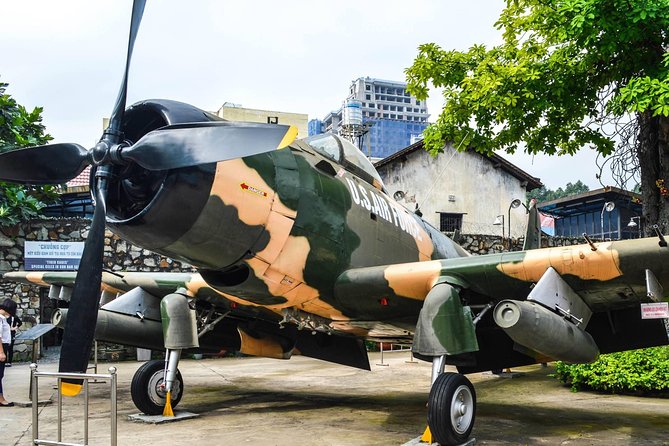
- War Remnants Museum: What You See in 45 Minutes
- Independence Palace and Notre-Dame: The Big-Picture Stops
- Cho Lon Contrast: Thien Hau Pagoda and the Central Post Office
- Lacquerware Factory: Craft + a Breather
- Guides Make or Break It: Joseph, Hao, Lam, Bau
- Should You Book This Half-Day Tour?
- FAQ
- How long is the Ho Chi Minh City History and Culture half-day tour?
- Is hotel pickup and drop-off included?
- What is included in the tour price?
- Which sites are visited?
- How long are the stops?
- Are entrance tickets included?
- What group size is this tour?
- What are the child age rules?
- Is tipping or personal spending included?
- Can I cancel for a refund?
Quick Hits Before You Go
- War Remnants Museum (45 minutes) gives you the Vietnam War context fast, with admission included.
- Independence Palace (1 hour) is the longest stop, so you can actually read rooms and history on your feet.
- French landmark pair: Notre-Dame Cathedral and the Saigon Central Post Office are short, sweet, and photo-ready.
- Cho Lon contrast: Thien Hau Pagoda lets you see the Chinese-temple side of the city.
- Lacquerware factory (20 minutes) is a break from heavy themes, focused on how items are made.
- Max 15 people plus air-conditioned transport helps keep the half-day comfortable.
A 4-Hour Mix of War, French, and Chinese Saigon
If you’re in Ho Chi Minh City for only a short window, this kind of route is smart. You don’t just hop from one famous photo stop to the next—you get a guided thread linking the city’s influences: Chinese rule shows up in Cho Lon, French colonialism shows up downtown in architecture, and the Vietnam War shapes much of what you’ll see in the museums and state buildings.
What I like most is that it’s not one-theme tourism. The War Remnants Museum and the Independence Palace give you political and military context, then the stops in the city center and Cho Lon shift the mood. That contrast matters, because Ho Chi Minh City can feel heavy if you only do war-related sights all day.
The schedule is tight, though. Expect quick looks at some landmarks, with the deeper time saved for the Palace and the War Museum. If you’re the type who likes to linger, treat this as an orientation tour and plan a return visit later.
You can also read our reviews of more city tours in Ho Chi Minh City


The $36 Value: Entrance Fees, Transport, Water, and Insurance
At $36 per person for a half-day, the value is strongest because several costs are already built in. You’re not just paying for a guide’s time—you get hotel pickup and drop-off in the city center, air-conditioned transportation, bottled drinking water, and entrance fees at key stops. Travel insurance is included too, which is a small detail until you need it.
A big practical point: admission is included for the places that typically cost money—War Remnants Museum and the Independence Palace, plus the other sites listed as admission included. Meanwhile the Central Post Office and the lacquerware factory are listed as free for the stop, so you get extra “included value” without extra ticket math.
What you should budget beyond the tour price is also straightforward: personal expenses (shopping, phone use, drinks) and tipping for the local guides. If you’re trying to keep costs controlled, this tour helps because it reduces the number of pay-as-you-go moments.
Pickup and Scheduling: Small Groups, Tight Visits
This tour runs about 4 hours, and it’s built around city-center pickup and drop-off. That matters because Ho Chi Minh City traffic can eat time fast, and a tour that starts by collecting you centrally tends to feel smoother.
The group size cap is 15, which is not huge. In practice, that means your guide can manage questions and photos without everyone getting swallowed by a big crowd. You’ll also get a mobile ticket, which is handy for quick check-in.
The main “real life” consideration is the time-boxing. Some stops are very short—like 10–15 minutes for Notre-Dame Cathedral and the Central Post Office area. So you’ll want to arrive ready to move, and you’ll get the best experience if you treat short stops as orientation and photo moments rather than full-on museum pacing.
One more note: transportation is provided in an air-conditioned vehicle, but vehicle comfort can vary. In one case, the car was reported as too small with a low roof, causing head bumps while getting in and out. If you’re tall or just prefer extra legroom, you may want to request the roomiest pickup option when you can.
War Remnants Museum: What You See in 45 Minutes
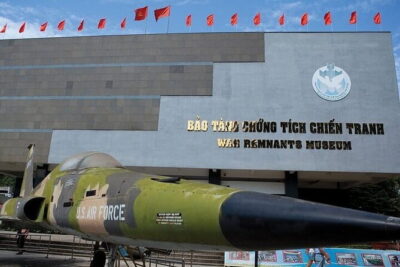
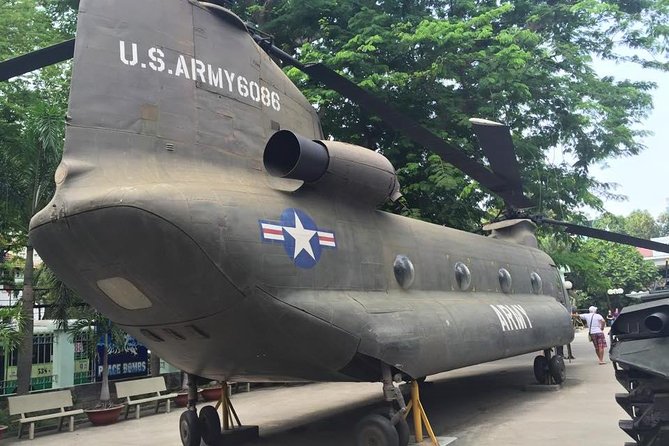
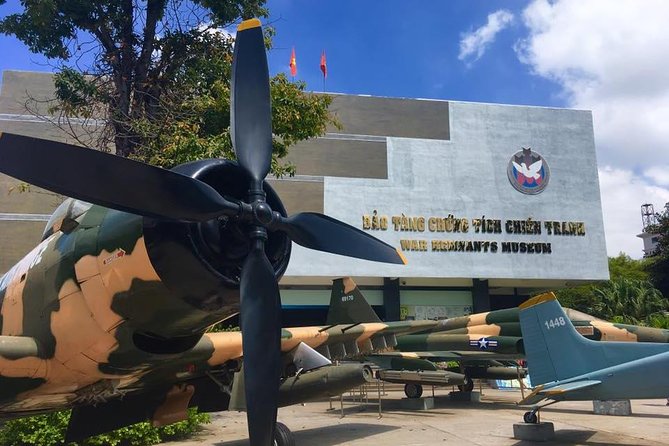
The War Remnants Museum is scheduled at 45 minutes, and that time is both the attraction and the warning label. It’s enough time to understand the main messages and follow the story the museum is telling, but it won’t feel like a slow walk through everything.
The museum has official government operation behind it, and it started as an exhibition space in the mid-1970s before later evolving. Even if you don’t know the background, you’ll feel the museum’s focus right away: it’s built around the Vietnam War experience and the human cost. That’s why many people consider it a must-see stop, even if you feel a bit worn out after.
Here’s how to make the 45 minutes work for you:
- Prioritize the sections that match your interests first, then use the rest for context.
- Take photos only if allowed where you are—some parts of war documentation can be intense, so keep your emotional bandwidth in mind.
- Don’t try to read everything word-for-word. Use the guided framing to connect the themes.
If your heart sinks at heavy history, bring a quick reset mindset. The tour doesn’t leave you there—it shifts later to architecture and then to a craft stop. That balance is useful.
Independence Palace and Notre-Dame: The Big-Picture Stops
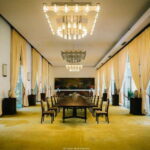
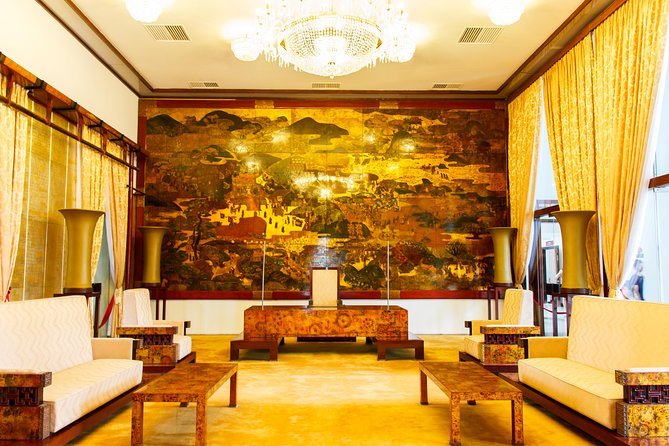
Independence Palace (also known as Reunification Convention Hall) gets 1 hour, and that’s the right allocation. It’s the stop where you can slow down just enough to understand what these rooms were designed for, and what it meant when the country’s story turned. The palace is built on the site of the former Norodom Palace, so you’re also seeing how layers of power occupied the same ground.
If you’re the kind of person who likes visual context, this is a strong moment. One guide’s approach was described as helpful in presenting the estate in its late 60s to early 70s state. That kind of framing makes it easier to connect the architecture and the rooms with the historical timeline, instead of just seeing a building.
Then you move into Notre-Dame Cathedral of Saigon. It’s a short stop (about 15 minutes) and it’s worth treating it as a quick architecture fix—French colonial-era style in the middle of modern movement. The goal isn’t to “complete” the cathedral experience in 15 minutes. It’s to see how the city’s French imprint still shapes downtown streets and skylines.
If you want the best results from these quick stops, do this: decide on one photo angle for each place before you arrive. Use the guide to explain what you’re looking at, then take your pictures and keep moving.
You can also read our reviews of more historical tours in Ho Chi Minh City






Cho Lon Contrast: Thien Hau Pagoda and the Central Post Office
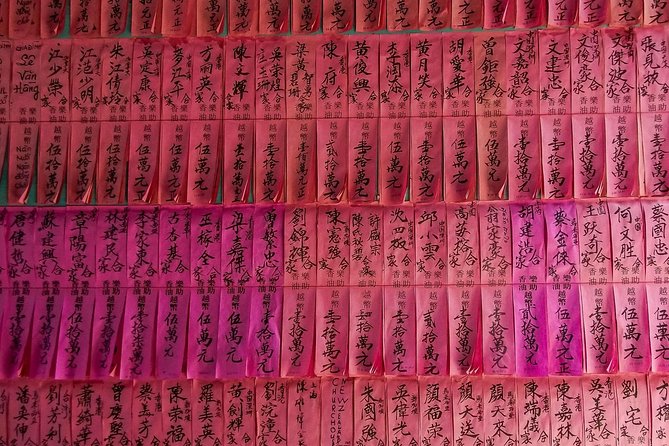
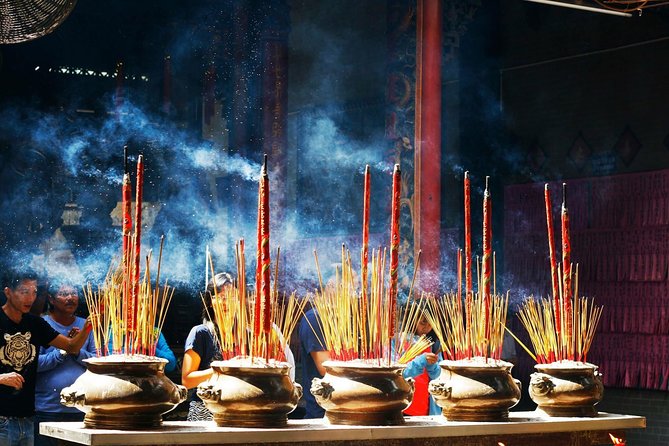
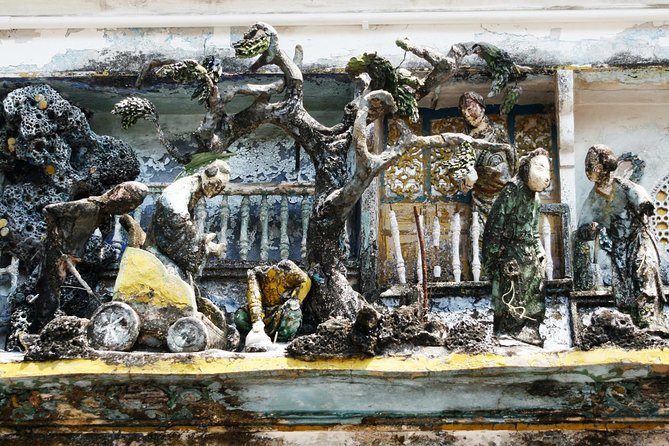
One of the most interesting parts of this route is how it changes neighborhoods. Thien Hau Pagoda is in Cho Lon, the area often associated with Chinatown vibes, and it’s a Chinese-style temple dedicated to Thien Hau, known in Chinese as Mazu. You’ll be there for about 15 minutes, which is enough to get the symbolism and atmosphere without rushing through everything.
This stop works as a cultural palate cleanser after the war-focused content. The temple setting is tied to long-running spiritual beliefs, and the point here is contrast: Ho Chi Minh City isn’t only shaped by modern politics. It’s also shaped by older migration patterns and the ways communities keep religious traditions alive.
Then you swing back toward the downtown Central Post Office for a short look (about 10 minutes). This building is tied to the French Indochina era and sits near Saigon Notre-Dame Basilica. Admission is listed as free for this stop, and the time feels right: it’s a visual landmark you can appreciate quickly, especially if your day is already packed.
If you’re a detail person, watch the building’s style cues while you’re there. The value of a short stop like this is how it helps you build a map in your head: where French colonial architecture sits in relation to war-era sites and modern streets.
Lacquerware Factory: Craft + a Breather
After the heavier themes, the lacquerware factory stop (about 20 minutes) feels like a reset. You get to observe the process of making traditional Vietnamese lacquerware, which is a nice shift from buildings and politics into hands-on craft.
Even without long time inside, you’ll likely walk away with a better sense of how these products are made and why they matter culturally. It’s also one of the few moments on the tour where you’re not just reading history—you’re seeing the materials and the work process.
The lacquerware stop is listed as free in the tour inclusions, which means you get extra value without extra cost. It’s also a good timing buffer. If museum content left you mentally tired, this part gives your brain something practical to focus on.
Guides Make or Break It: Joseph, Hao, Lam, Bau
The tour’s success really rides on the guide. The tour includes an English-speaking guide (with other languages available on request for a surcharge), but English clarity can still vary by person.
Some hosts are noted for being flexible with the itinerary to meet the group’s needs, and one guide named Joseph was described as kind and accommodating in rearranging the order when appropriate. Hao was praised for being very knowledgeable and attentive, plus for taking good photos. Lam was also mentioned as knowledgeable and accommodating. Another guide, Bau, was called out for speaking clearly and fluently in English and being helpful in explaining Vietnamese culture and people.
If you care about language quality, here’s a practical move: ask what language options are available when you book, then be ready with a question or two you want answered. A guide with clear English will turn quick stops into learning moments.
Also remember the role of the driver. You’ll be in a vehicle for the transfers between sites, and smooth door-to-door pickup and drop-off can be the difference between enjoying a half-day and watching the clock.
Should You Book This Half-Day Tour?
Book it if:
- You want a fast, organized overview of Ho Chi Minh City across war history, French architecture, and a Cho Lon temple stop.
- You like tours that include entrance fees, transportation, and water in one price.
- You’re short on time and want to see the key landmarks without planning every route yourself.
Skip or consider a different option if:
- The War Remnants Museum is your top passion and you know you want more time than 45 minutes.
- You’re very sensitive to heavy content and prefer a slower, more spaced-out day.
- You need maximum comfort from the vehicle and are worried about low-roof seating during transfers.
For most first-time visitors who want a structured introduction, this is a solid value choice. It’s not trying to do everything perfectly—it’s trying to get you oriented fast, with the right historical anchors.
FAQ
How long is the Ho Chi Minh City History and Culture half-day tour?
It runs for about 4 hours.
Is hotel pickup and drop-off included?
Yes. Pickup and drop-off are included for Ho Chi Minh City center.
What is included in the tour price?
The tour includes bottled drinking water, an English-speaking guide (other languages available upon request with surcharge), hotel pickup and drop-off in the city center, travel insurance, entrance fees, and air-conditioned transportation.
Which sites are visited?
The tour includes the War Remnants Museum, Independence Palace, Saigon Notre-Dame Cathedral, Thien Hau Pagoda, the Saigon Central Post Office, and a Vietnamese lacquerware factory stop.
How long are the stops?
The War Remnants Museum is about 45 minutes, Independence Palace about 1 hour, Notre-Dame about 15 minutes, Thien Hau Pagoda about 15 minutes, Saigon Central Post Office about 10 minutes, and the lacquerware factory about 20 minutes.
Are entrance tickets included?
Yes. Admission tickets are included where listed, and the Saigon Central Post Office and lacquerware factory stop are listed as free.
What group size is this tour?
It has a maximum of 15 travelers.
What are the child age rules?
Children 0–5 years old are free. Children 6–10 years old pay 50% off. The maximum is 1 child accompanied by 1 adult; the 2nd child pays the adult price.
Is tipping or personal spending included?
Personal expenses like shopping and beverages are not included, and tipping for local guides is not included.
Can I cancel for a refund?
Yes. Free cancellation is available up to 24 hours before the experience start time for a full refund.